
Most cases of diarrhea clear up on their own within a few days.
However, here are the best tips on food, fluids, symptom relief and signs that you should seek medical attention, according to The Guardian.
Drink plenty of fluids
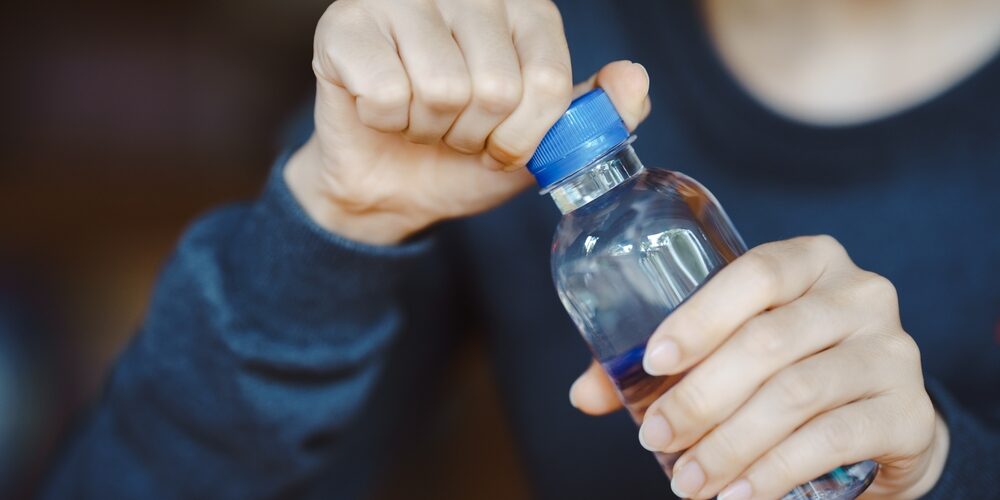
The most important thing is to avoid dehydration. Drink water, tea or sports drinks early on to replace lost fluids and electrolytes.
Use oral rehydration solution if needed

If you start to become dehydrated, you can use an oral rehydration solution from a pharmacy.
Also read: If you have sleep apnea and obesity, Zepbound may cut breathing disruptions by 60 percent
It is formulated to help your body absorb fluids more effectively.
Keep an eye on your urine
A decrease in urine output can be a clearer sign of dehydration than thirst.
It may be a cause for concern if you do not urinate at least once every six hours.
Watch for other signs

Dark urine, dizziness and confusion can also be signs of dehydration. In these cases, you should contact a doctor.
Also read: Your parents' lifespan may be linked to your risk of disease
Eat small portions
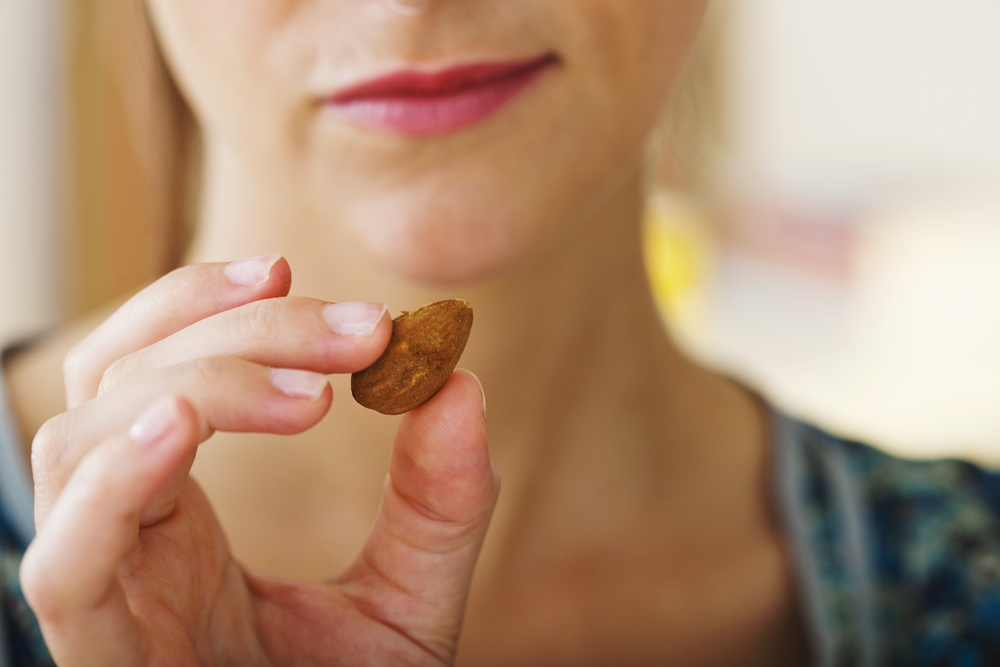
You do not need to stick to a liquid diet. If you have an appetite, you can eat smaller portions of foods that do not make your symptoms worse.
Choose gentle foods

Soups with chicken or tofu, starchy foods and eggs can be good choices while your stomach is sensitive.
Avoid certain foods

Fatty and spicy foods can make symptoms worse. The same applies to whole grains and raw fruits and vegetables that are high in fiber.
Limit certain drinks

Alcohol, caffeine, very sugary drinks and beverages containing artificial sweeteners should be avoided while you have diarrhea.
Also read: Living in polluted air may be raising your cancer risk more than most people realize
Take a break from dairy products
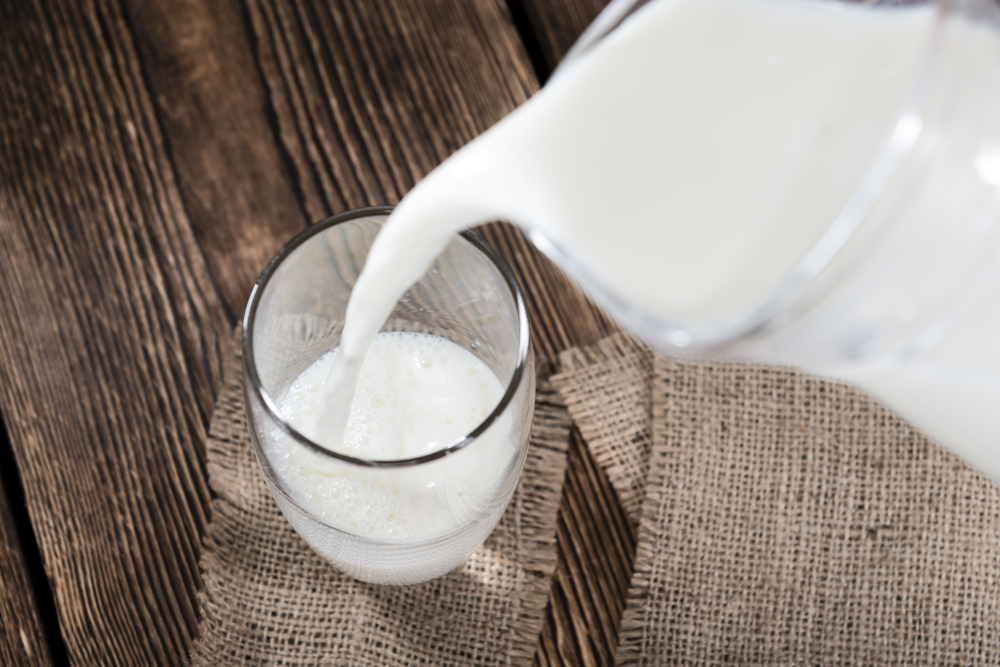
Diarrhea can temporarily make your body less tolerant of lactose. It is therefore recommended that you avoid dairy products, with the exception of yogurt.
Use medication with care
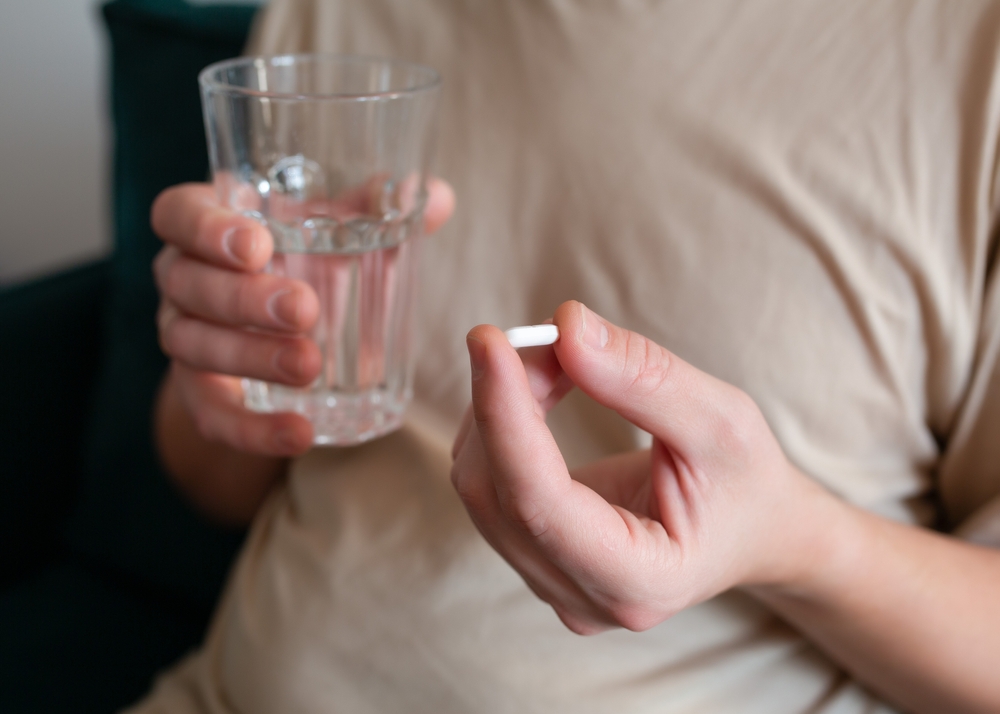
Most adults can take bismuth subsalicylate for a couple of days to help with frequent bowel movements and stomach cramps.
The medication can turn stools black, which is not dangerous.
Be cautious with loperamide
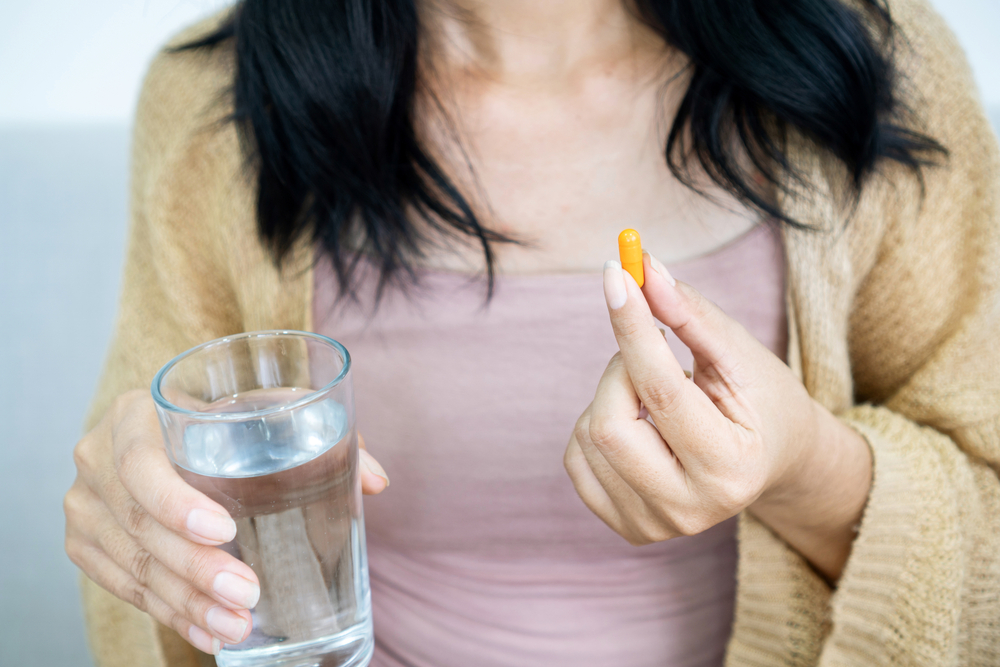
Loperamide can be taken in individual doses if there is no blood in your stool, you do not have a fever and you have not taken antibiotics within the past three months.
Also read: Controlling three health risks could mean 13 more years without dementia
Protect your skin from irritation
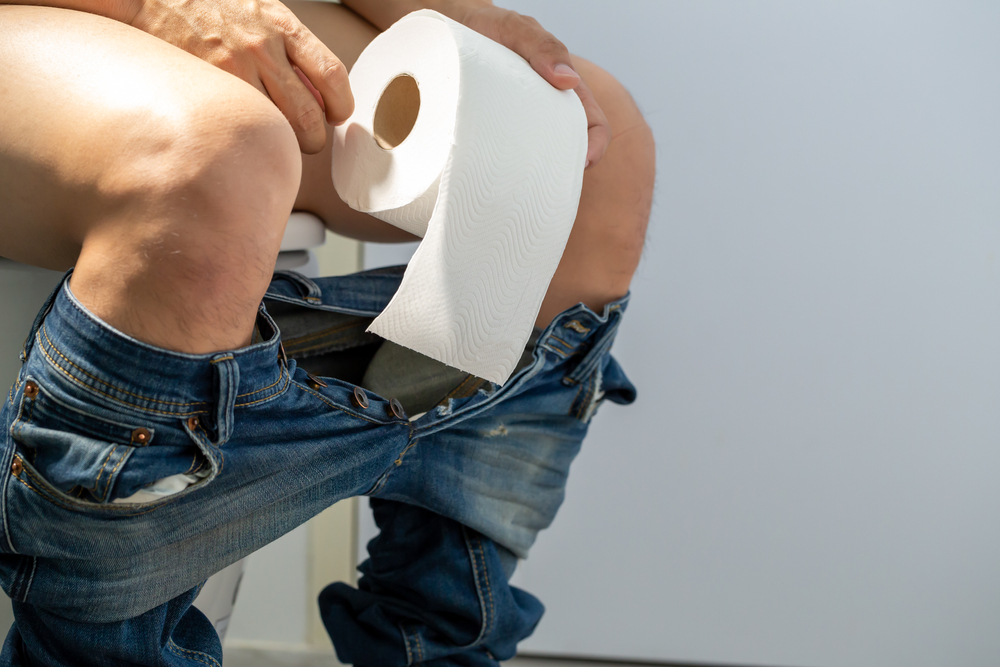
Lightly dampen soft toilet paper and pat the skin rather than rubbing it. Avoid wet wipes containing alcohol, as they can dry out the skin.
Relieve irritation around the anus
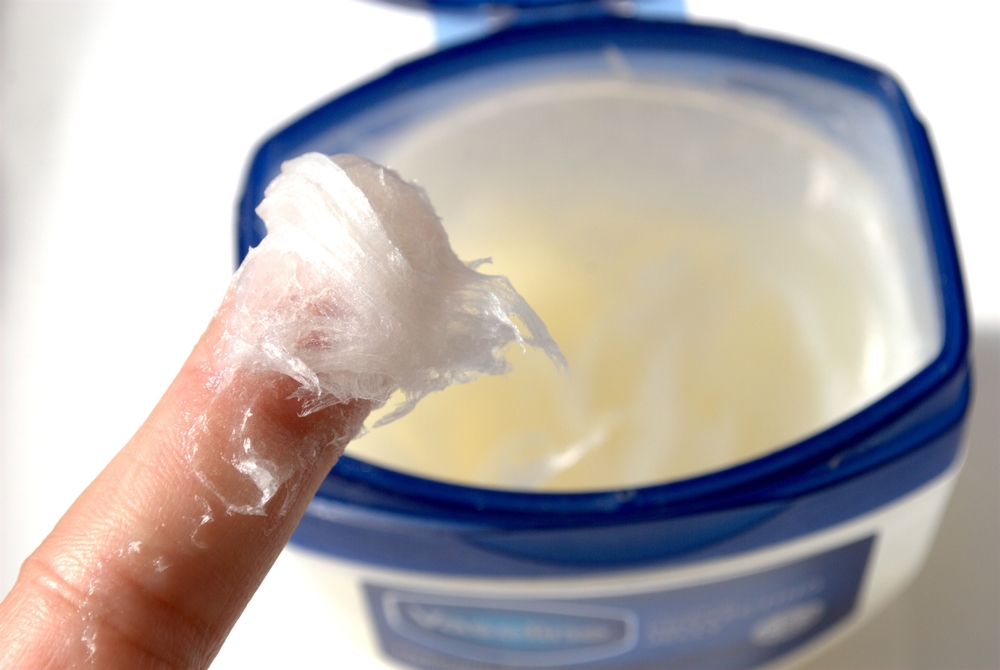
Barrier creams containing zinc oxide, dimethicone or petroleum jelly can help protect the skin. A warm sitz bath with plain water may also provide relief.
Seek medical attention for serious symptoms

Contact a doctor if diarrhea lasts longer than a week, or if you develop a high fever, blood or mucus in your stool, severe abdominal pain or persistent vomiting.
Seek help sooner if you are at increased risk
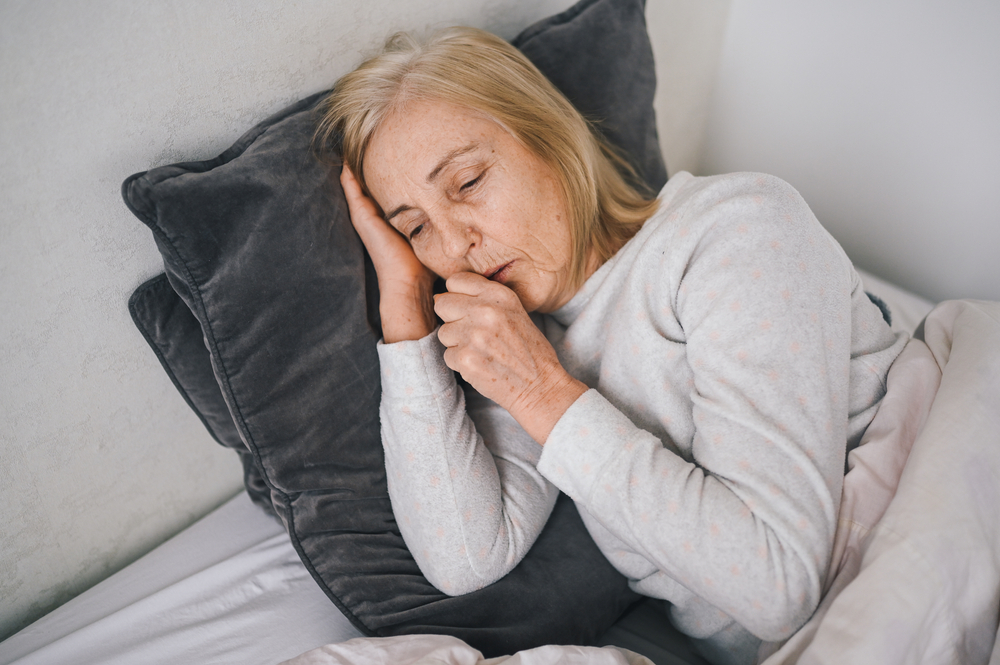
People over the age of 65, as well as those with kidney disease, a weakened immune system, a recent hospital stay or recent antibiotic treatment, should contact a doctor sooner.
Also read: Here's how drinking fruit juice can affect your blood sugar
Avoid spreading the infection to others
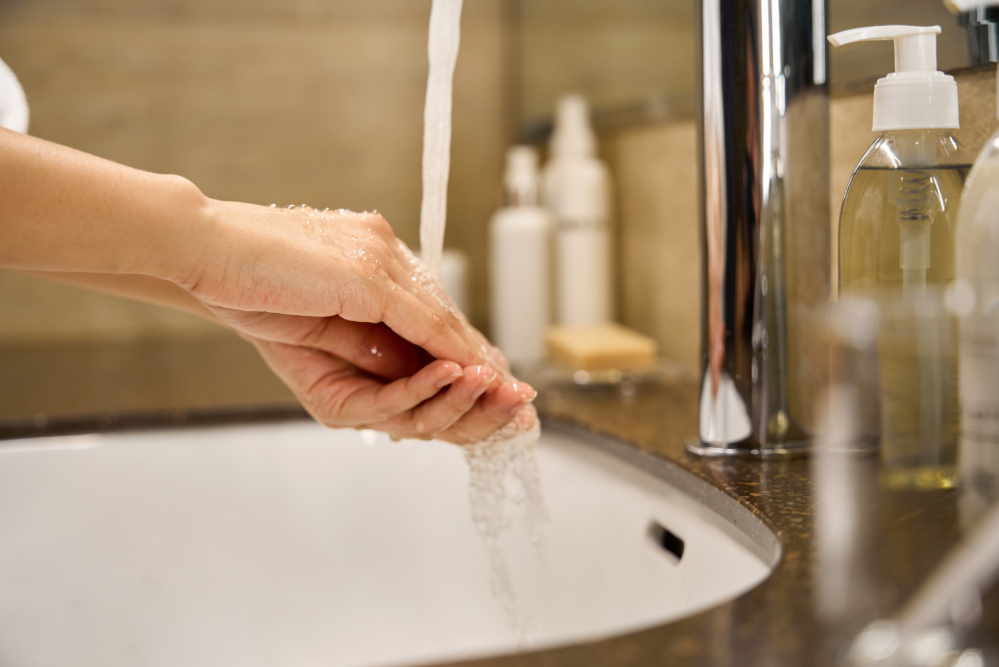
Wash your hands, nails and wrists thoroughly with soap and water.
Avoid preparing food for others and, if possible, stay at home until your symptoms have resolved.
This article is made and published by Ida-Marie Palm Varbæk, who may have used AI in the preparation.