
It can be difficult to know when a sick child should stay home from school and when they are ready to return.
Here are some tips on symptoms, care, preparation, and warning signs, according to Healthline.
Make sure your child drinks plenty of fluids
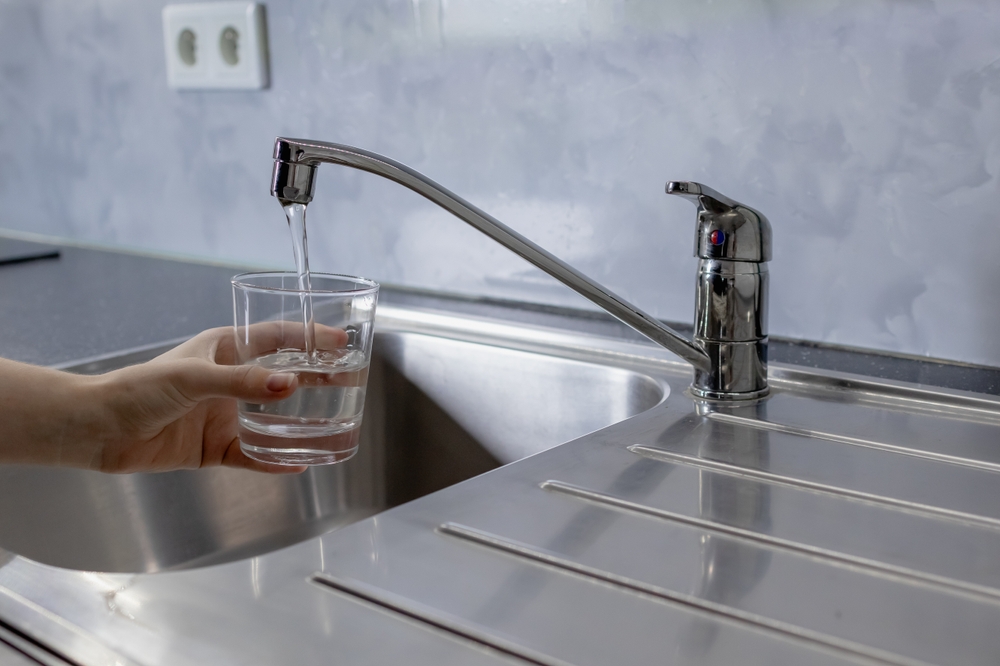
A fever can lead to sweating and dehydration, so make sure your child drinks plenty of fluids.
Fluids can also help loosen mucus, improve blood circulation, and help the kidneys remove waste products.
Also read: Weekend brunch and late dinners are linked to higher heart risk
Keep your child home if they have a fever
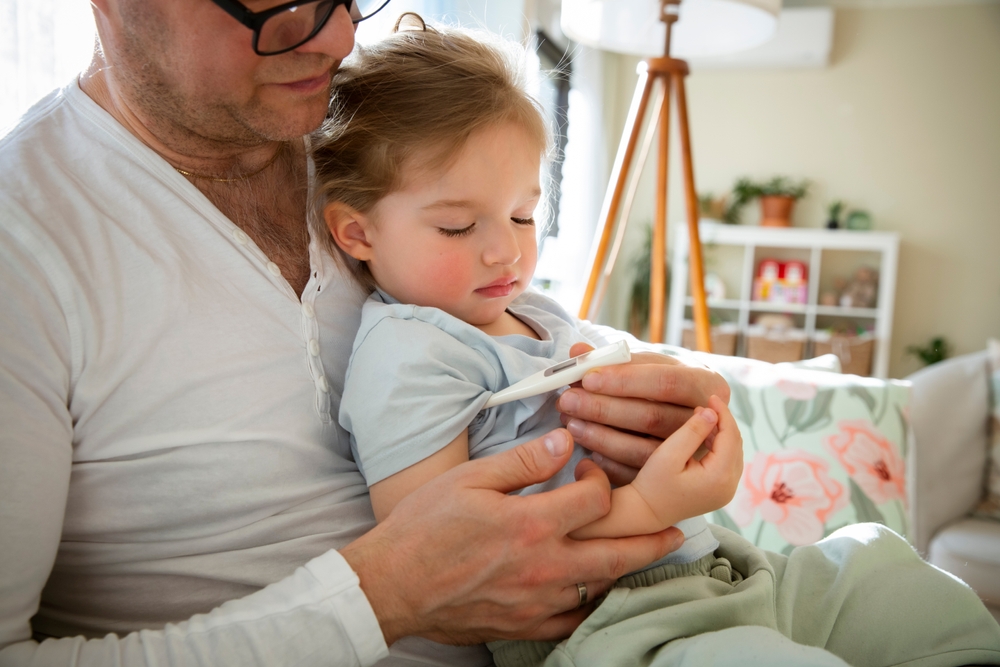
Your child should stay home if their temperature is 38°C or higher.
A fever indicates that the body is fighting an infection, and your child may be contagious. Their temperature should be measured with a digital thermometer.
Talk to your employer

Before flu season, find out whether you have the option to work from home, attend meetings remotely, or take time off.
If there are two adults in the household, you can arrange to take turns caring for your sick child.
Also read: A glass of beet juice may drop systolic blood pressure within three hours
Pay attention to your child's behavior
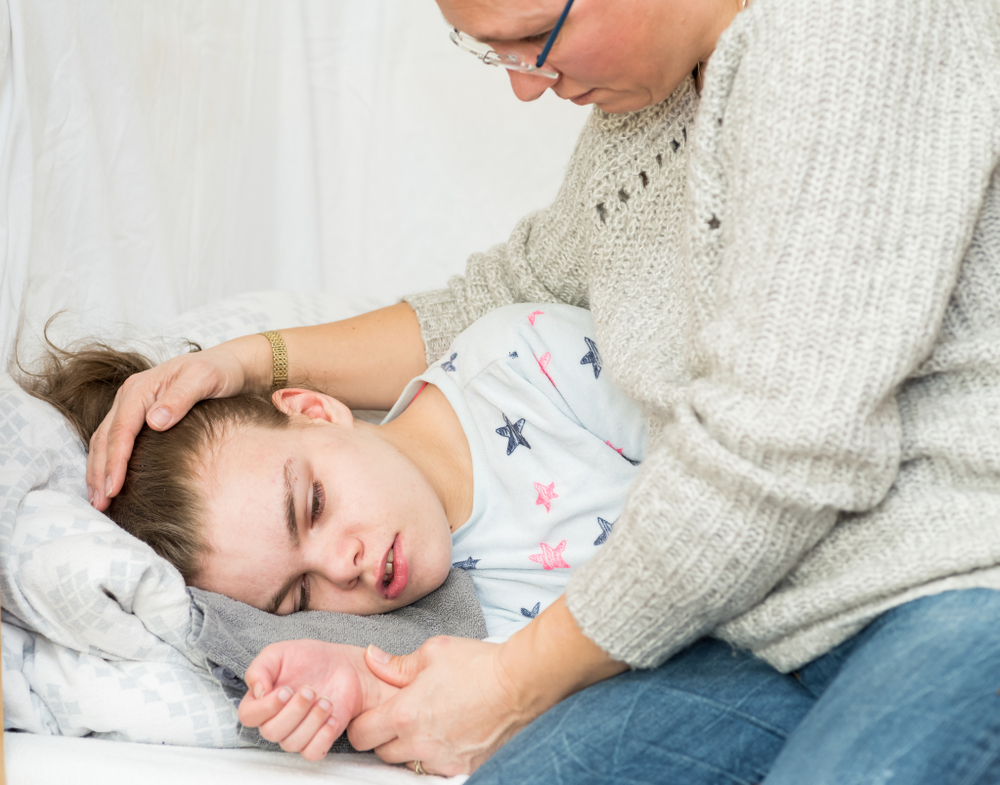
A child who looks pale, tired, or irritable may need to stay home.
The same applies if your child does not want to eat or shows little interest in their usual activities.
Seek emergency care for breathing difficulties

If your child has difficulty breathing, or if their skin or lips turn blue, seek emergency medical attention.
Keep essential supplies on hand
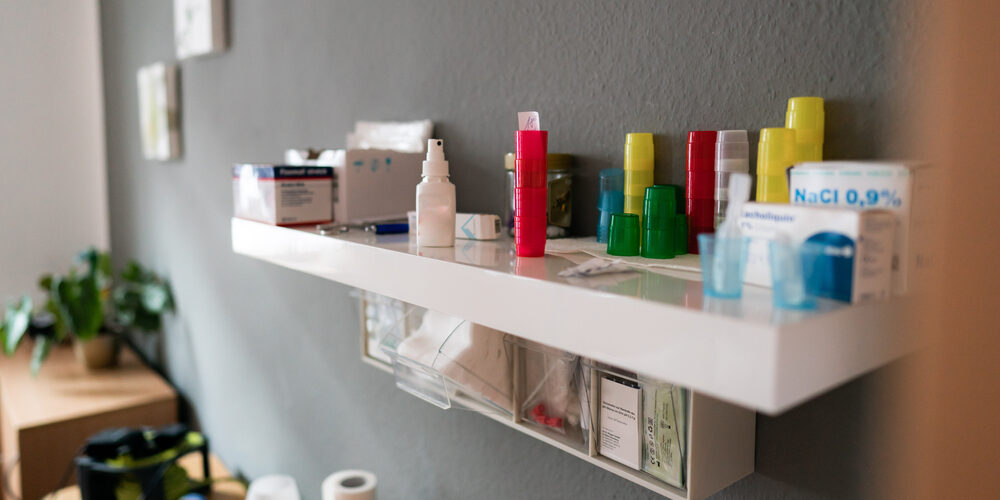
Keep over-the-counter medicines, tissues, antibacterial wipes, ointment, and a digital thermometer together in one place.
Also read: The FDA just cleared a blood test for Alzheimer's
It is also a good idea to have easily digestible foods at home, such as crackers, applesauce, soup, and drinks containing electrolytes.
Take vomiting and diarrhea seriously
Vomiting and diarrhea are good reasons to keep your child home.
These symptoms are difficult to manage at school and can increase the risk of spreading infection, particularly among younger children.
Limit the spread of infection at home
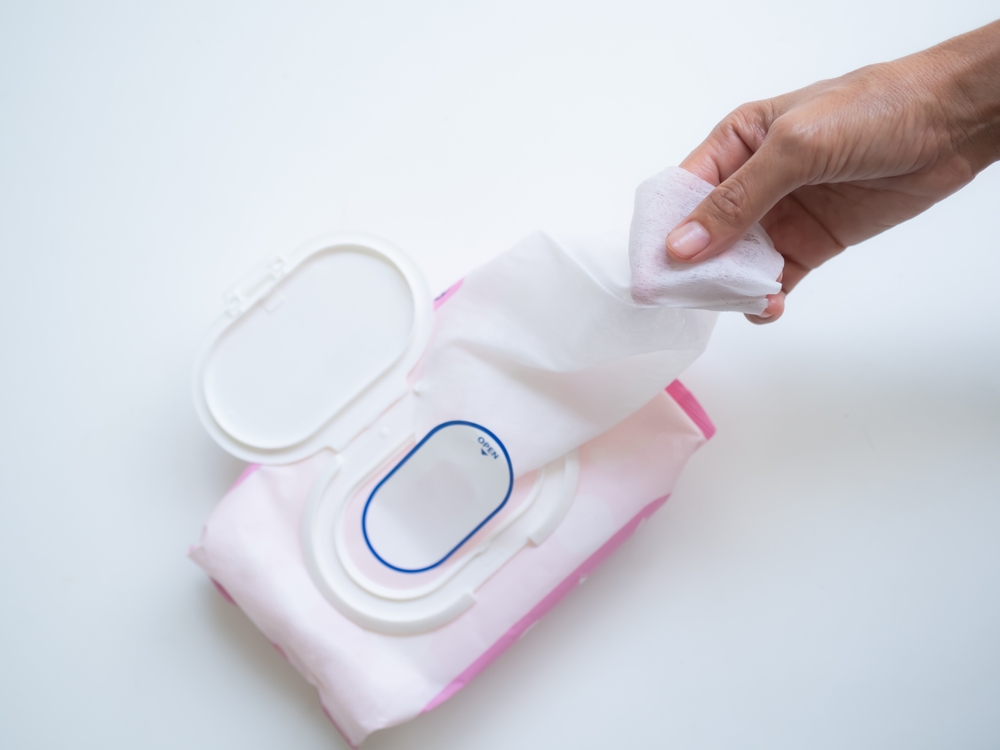
Your child should wash their hands frequently and cough or sneeze into their elbow.
Also read: Scientists may have found why statins cause muscle pain, and how to prevent it
Avoid sharing towels, dishes, and cutlery, and clean frequently touched surfaces such as door handles and sinks.
Prioritize rest over schoolwork
Some schools offer remote learning when children are ill.
However, your child still needs time to rest, so studying at home is not necessarily the best option.
Contact a doctor for serious symptoms
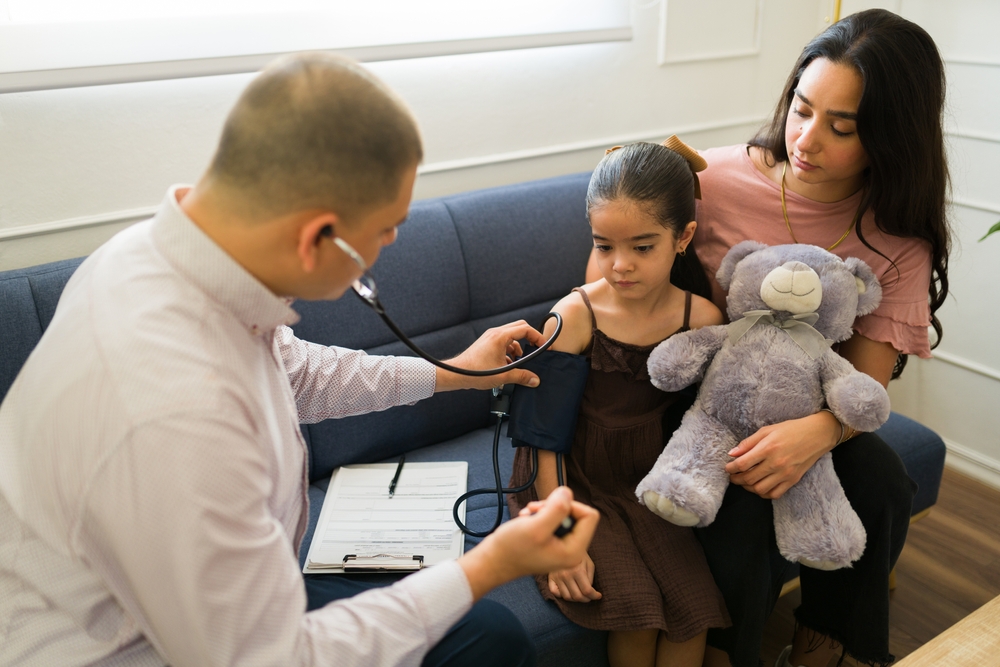
Contact a doctor if your child has a fever above 40°C, a fever lasting more than three days, or a fever that returns after being gone for more than 24 hours.
Also read: Check your cabinet: FDA found a banned pesticide in diet pill
You should also seek medical advice if your child experiences prolonged lethargy or if an existing condition, such as asthma, gets worse.
Watch for coughing and a sore throat
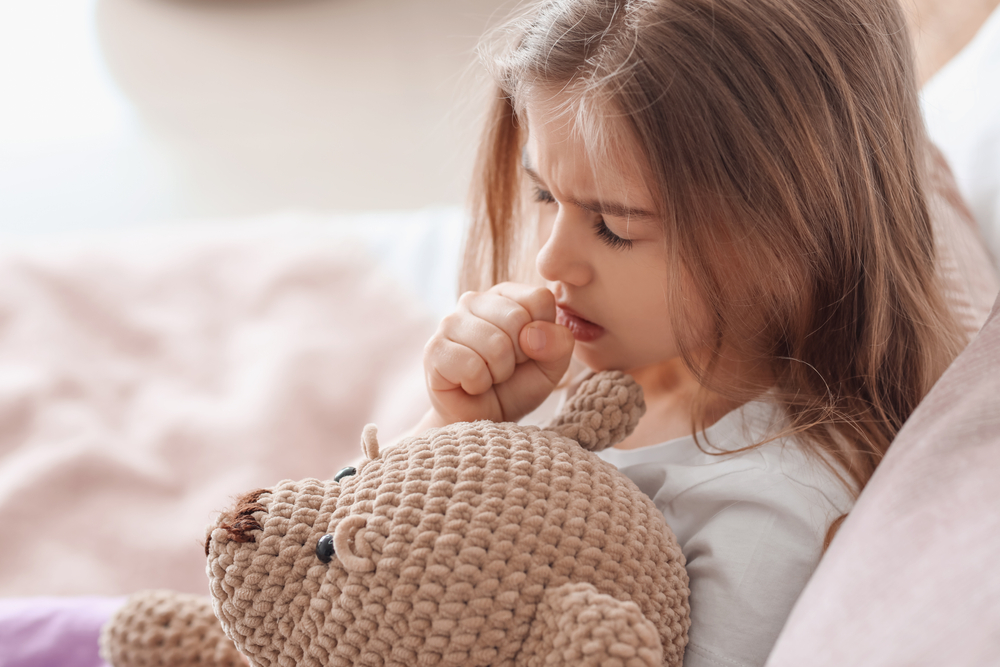
A persistent cough can disrupt lessons and spread viruses.
If your child has a severe sore throat and a prolonged cough, they should stay home until the cough has almost disappeared or can be controlled.
Give your child easily digestible food
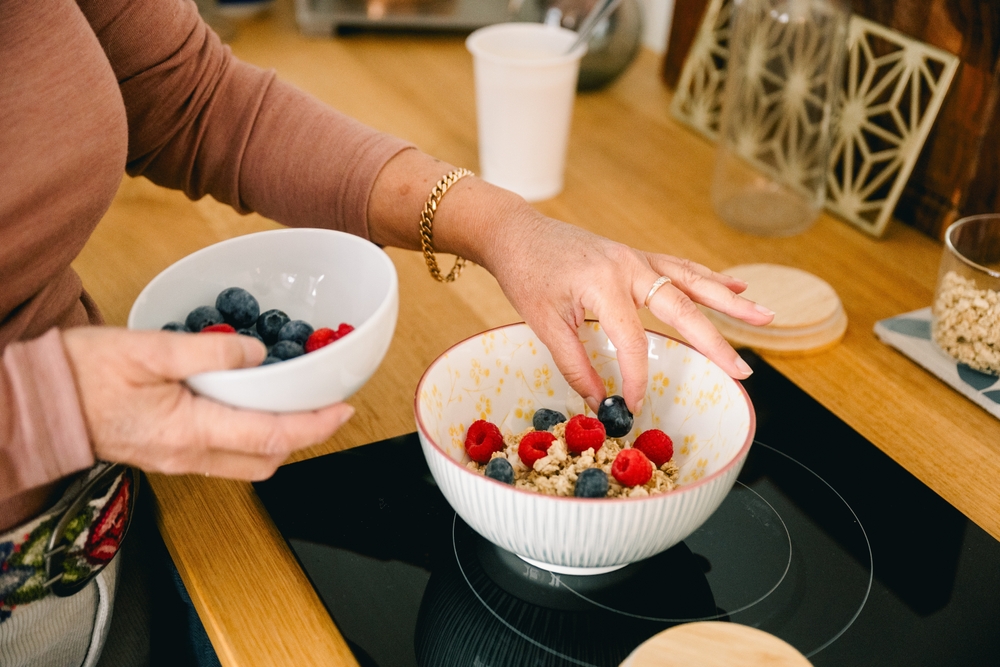
If your child has a reduced appetite, offer mild foods such as crackers, toast, or oatmeal.
Warm chicken or vegetable soup can provide nutrients and electrolytes. Avoid fatty foods and sugary drinks.
Pay attention to red eyes and rashes
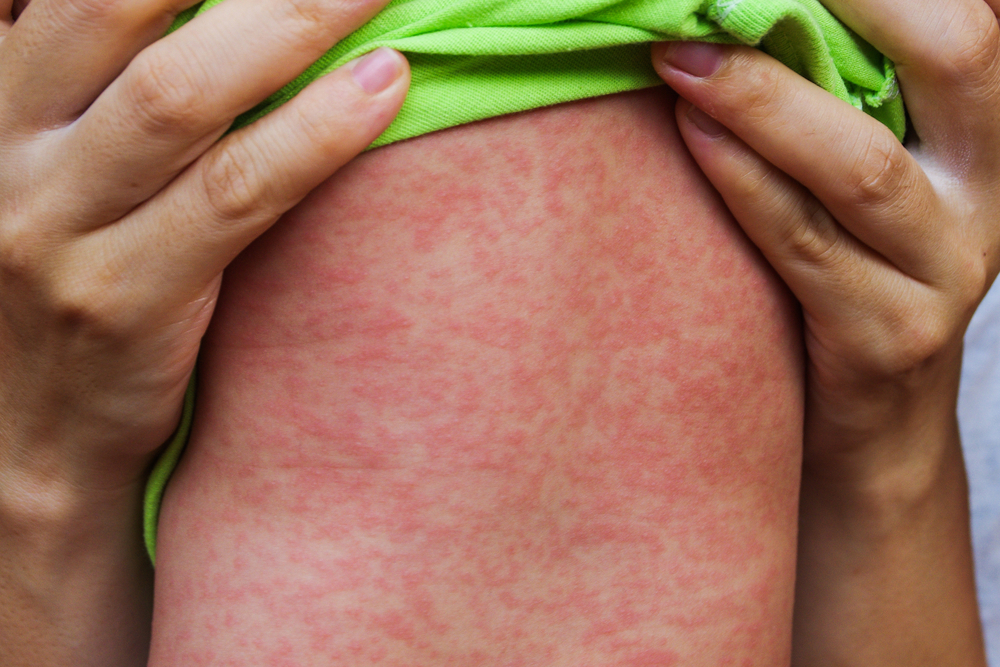
Red, itchy, and watery eyes can make it difficult for your child to get through the school day.
A rash may be a sign of an infection, while conjunctivitis is highly contagious and requires prompt assessment.
Wait at least 24 hours after a fever
Your child can usually return to school once they have been fever-free for at least 24 hours without medication.
Vomiting, diarrhea, and a persistent cough should also have improved.
Assess tiredness and lethargy
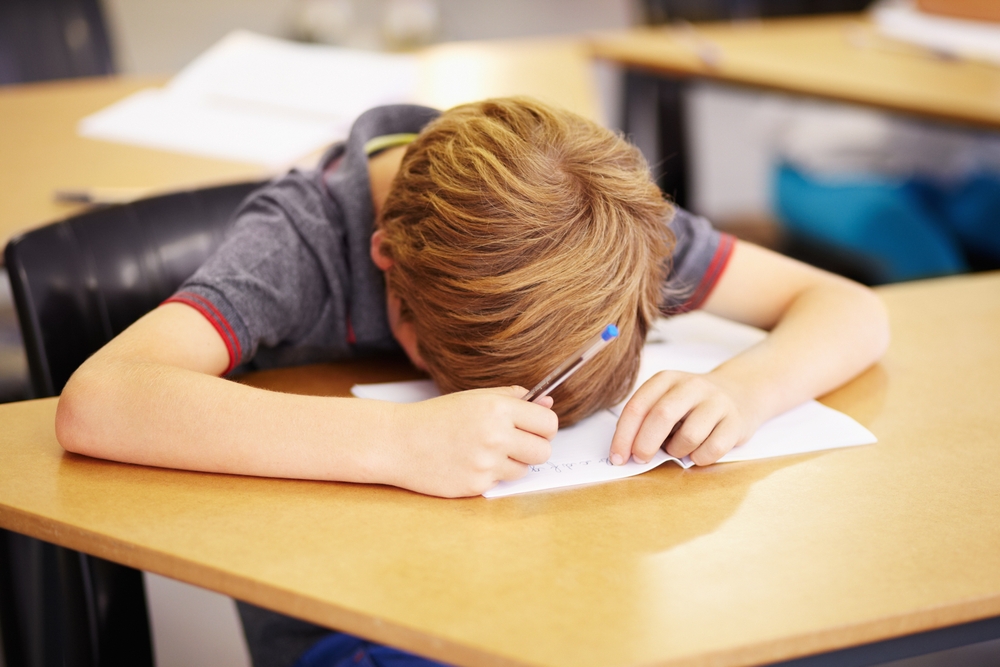
A child who falls asleep at the table or appears unusually exhausted is unlikely to benefit from being in class. Make sure your child gets fluids and plenty of rest.
Severe lethargy should be assessed promptly by a pediatrician.
Avoid aspirin for fever

Children's paracetamol or ibuprofen can help reduce a fever. Do not give your child aspirin.
Keep the room cool and dress your child in light layers that can easily be adjusted as their body temperature changes.
Pay attention to pain
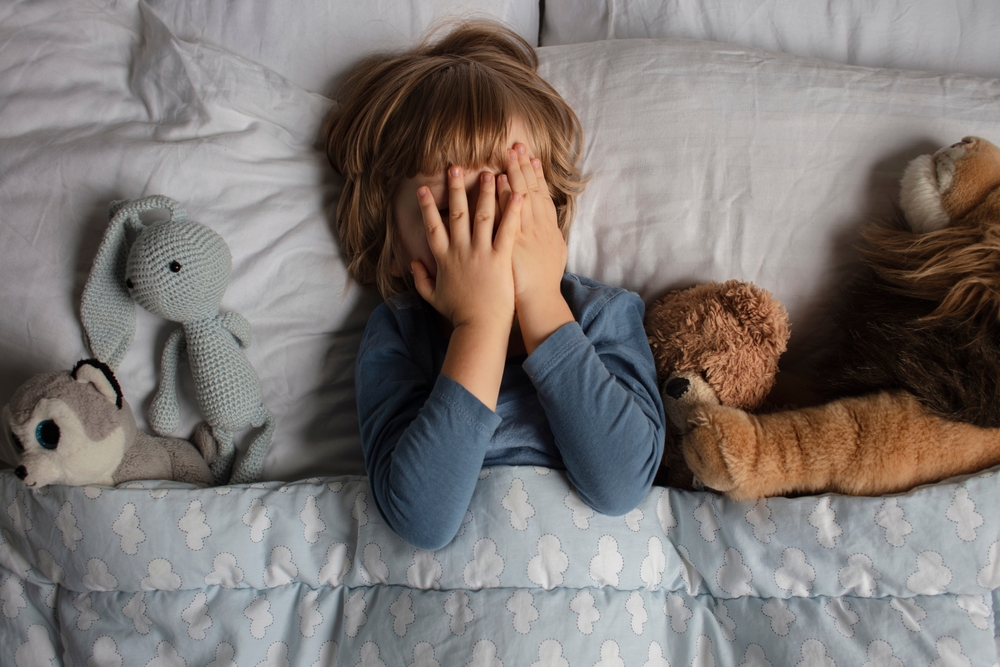
Earache, stomach pain, headaches, and body aches can be signs of the flu.
Your child should stay home until the pain and discomfort have subsided.
Limit extra screen time
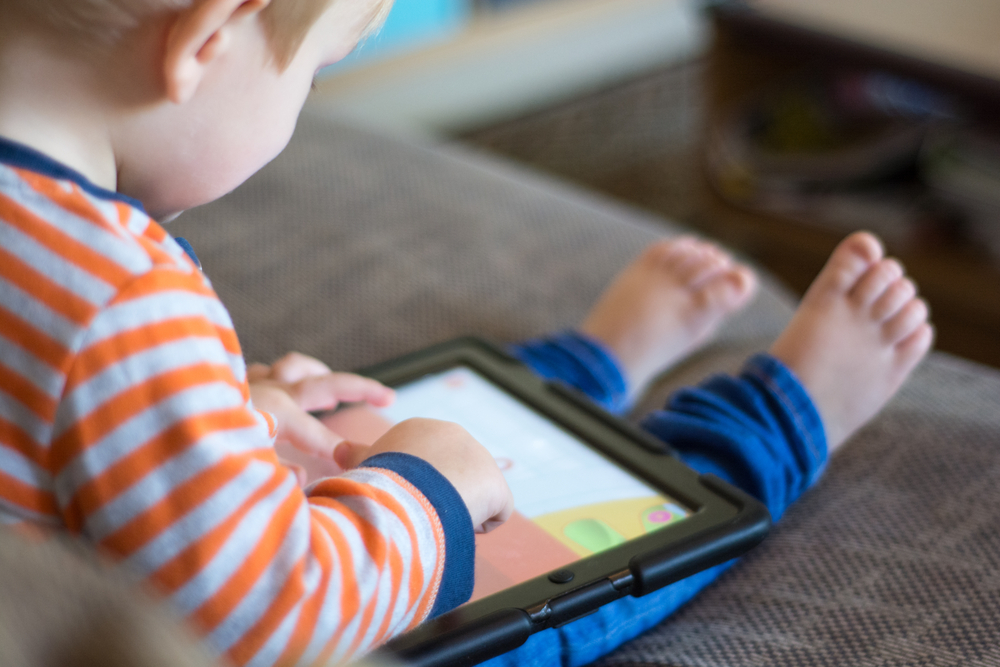
It can be tempting to give your child more screen time when they are ill.
However, it is best to maintain the usual limits, as this can encourage rest and reduce the risk of blue light interfering with sleep.
Look for signs of dehydration
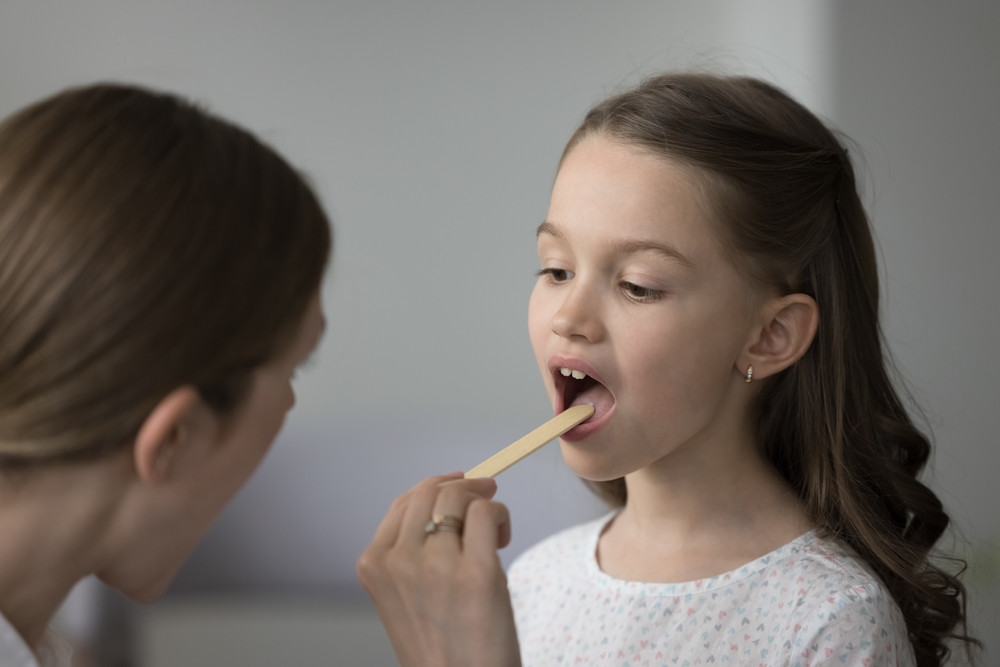
Contact a doctor if vomiting or diarrhea lasts longer than 24 hours.
You should also seek medical advice if your child has not urinated for eight hours or cries without producing tears.
Assess whether your child can participate

A child with a mild runny nose and other minor symptoms can often return to school. However, they should feel well enough to participate normally.
If you are unsure, you can ask the school nurse or your child's doctor.
This article is made and published by Ida-Marie Palm Varbæk, who may have used AI in the preparation.