
The body’s appetite is regulated by a complex interaction involving the brain, gut, blood sugar and various hormones.
Here are some tips that, according to experts and research described by National Geographic, may increase feelings of fullness and make it easier to eat less.
Fill your plate with fibre
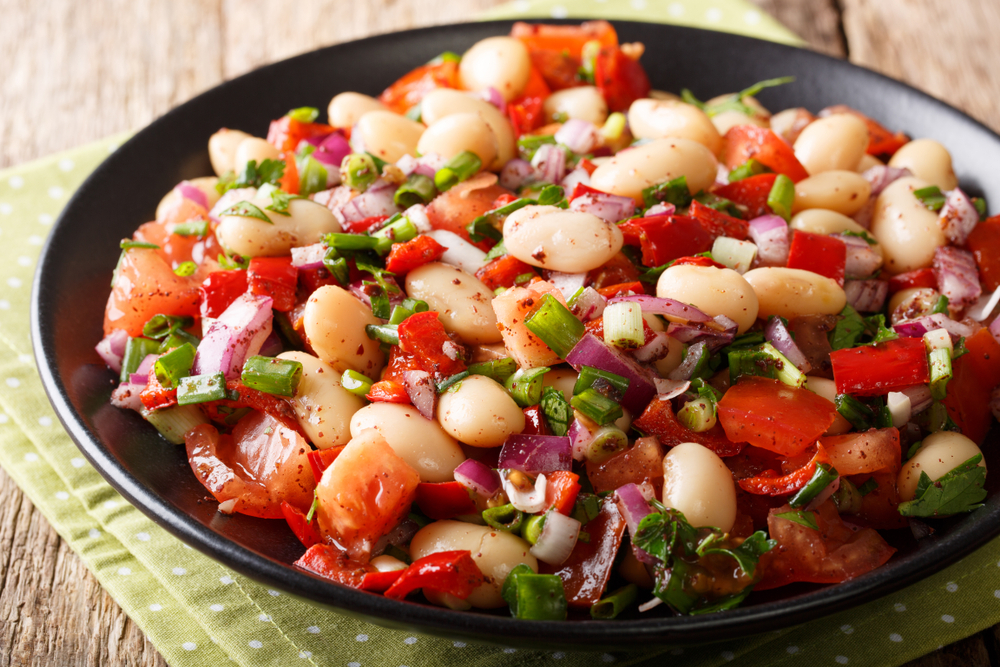
Dietary fibre is one of the best-documented ways to stay full for longer. This is supported by a study published in Nutrition Reviews.
Soluble fibre forms a gel in the stomach, which slows the movement of food through the digestive system.
Also read: What your hair texture and loss can reveal about your thyroid health
Choose fibre from whole foods
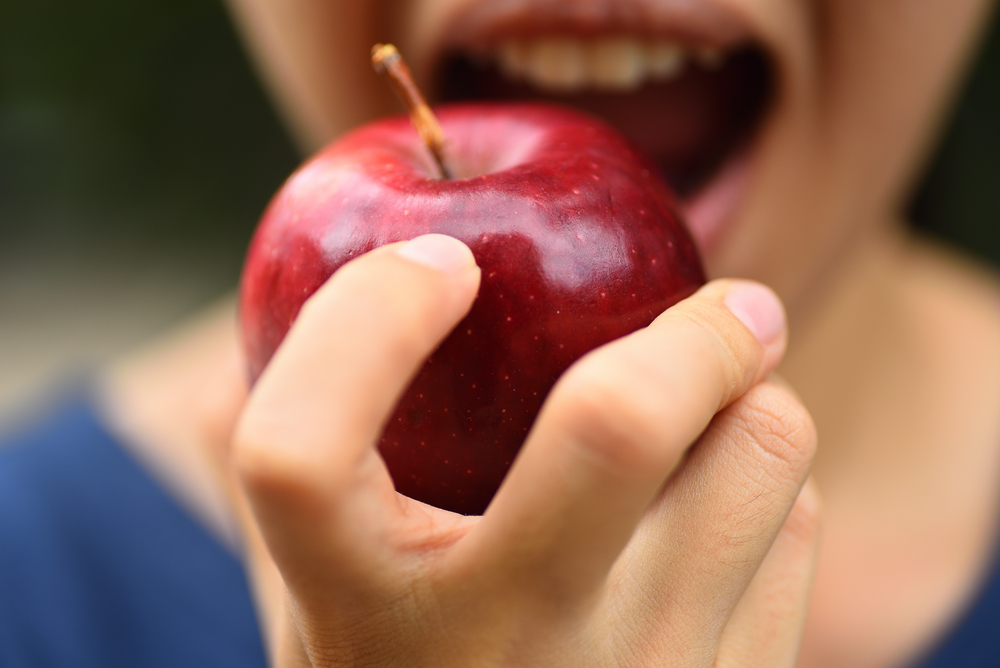
Beans, lentils, oats, berries, apples, vegetables, nuts, seeds and whole grains are good sources of fibre.
They also provide vitamins, minerals, antioxidants and beneficial plant compounds.
Make protein a regular part of your meals
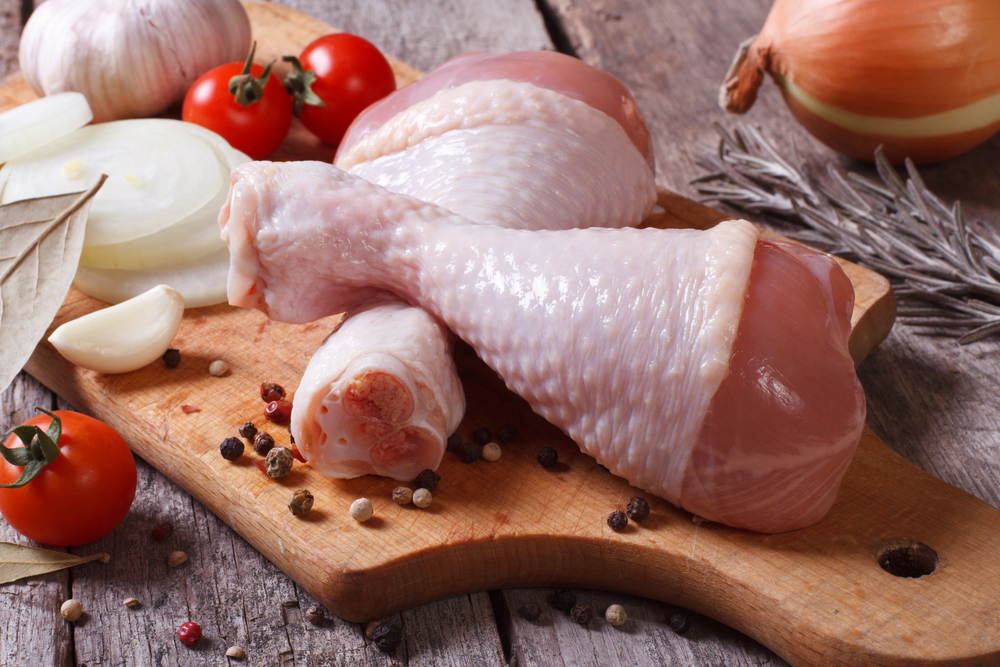
Protein is considered the most satiating macronutrient.
It generally takes longer to digest than refined carbohydrates and may therefore help curb hunger, according to a study published in The American Journal of Clinical Nutrition.
Also read: Replace your meat with porridge: This grain is packed with iron
Eat a source of protein with every meal
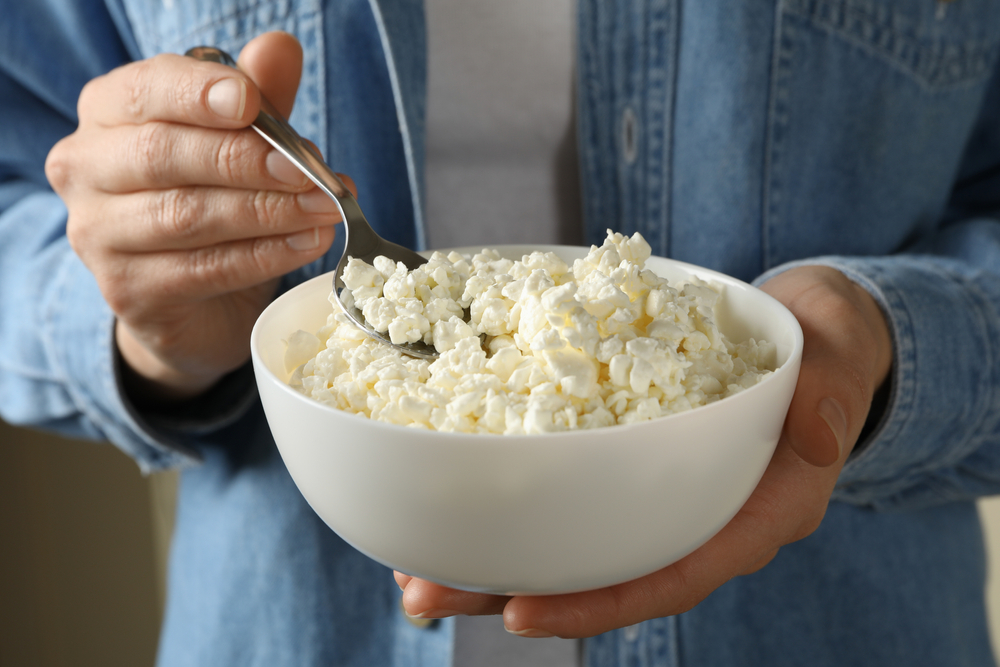
Eggs, Greek yoghurt, cottage cheese, fish, poultry, lean meat, tofu, beans and lentils are among the protein sources that can be included in meals.
There is no need to buy expensive pills or protein powders.
Limit ultra-processed foods

Ultra-processed products often contain refined grains, starches and added sugar.
They are quickly absorbed in the first part of the digestive system and can cause blood sugar levels to rise sharply.
Also read: Researchers test new method against brain damage after stroke – and it works
Choose less processed meals

In a study published in Cell Metabolism, people following an ultra-processed diet consumed around 500 more calories per day than those eating minimally processed foods.
Choosing less processed products may therefore make it easier to limit calorie intake.
Start with vegetables and protein

The order in which foods are eaten may affect appetite.
Eating vegetables and protein before carbohydrate-rich foods may support the body’s regulation of blood sugar and feelings of fullness.
Also read: Walking more steps a day may control asthma as well as the gym
Give fibre and protein a head start
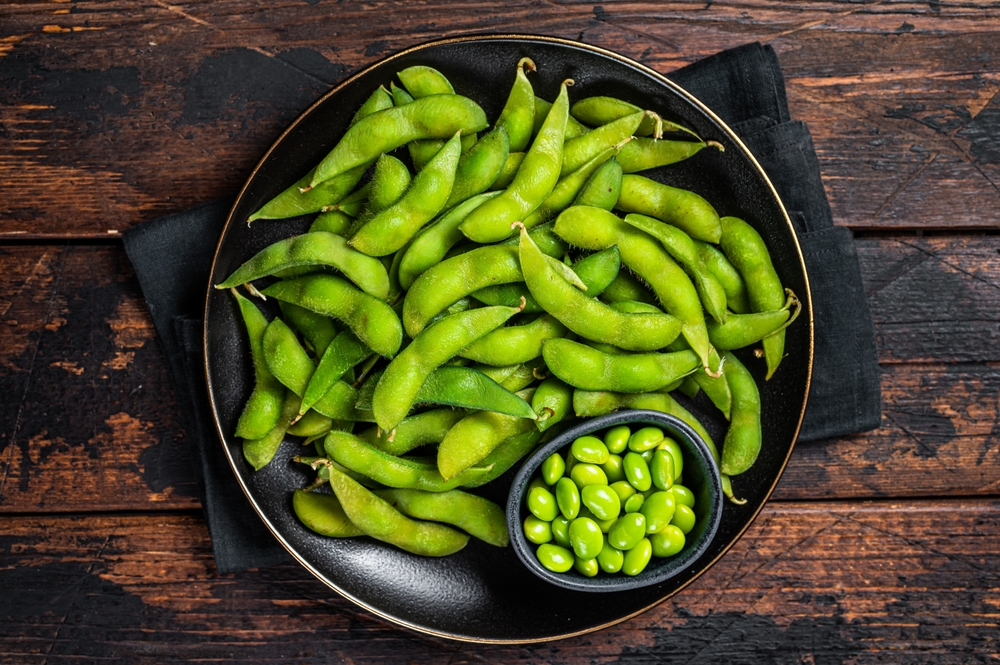
When fibre-rich and protein-rich foods are eaten first, the stomach expands and empties more slowly.
This may increase feelings of fullness and mean that you naturally eat less during the rest of the meal.
Slow down

The stomach, intestines and brain begin exchanging signals of fullness as soon as you start eating.
However, these signals take time, and eating more slowly can help the body register fullness before you eat too much.
Also read: How to know when your child is too sick for school
Chew your food thoroughly
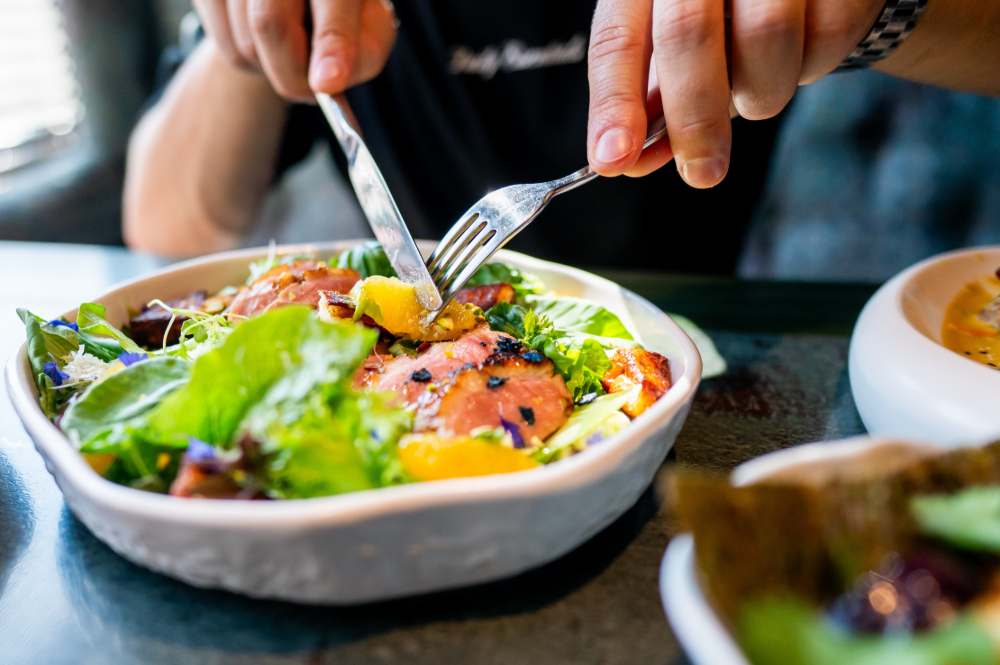
Chewing food thoroughly gives the brain more time to process the sensory information from the meal.
This may produce a stronger feeling of fullness than eating the same amount of food quickly.
Spend around 20 minutes on your meal
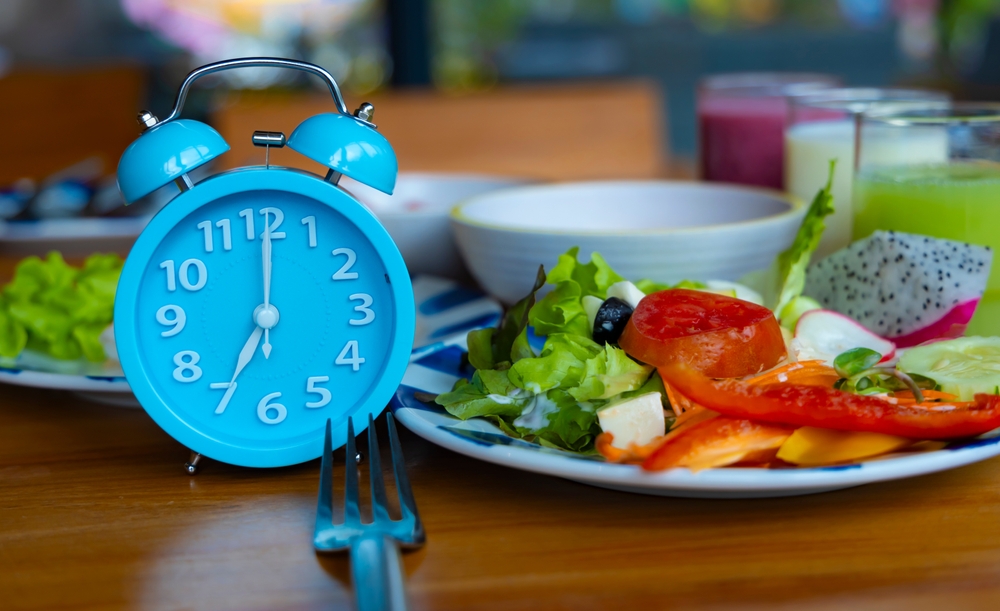
Taking smaller bites, reducing screen use and taking short breaks to put down your cutlery can help slow the pace of eating.
Spending around 20 minutes on a meal gives the body’s natural fullness signals a better chance to keep up.
Take a walk after eating

A gentle 10- to 20-minute walk after a meal can help the muscles use nutrients more efficiently.
The activity may also reduce the rise in blood sugar and slightly increase the body’s natural GLP-1 response.
Combine several simple habits
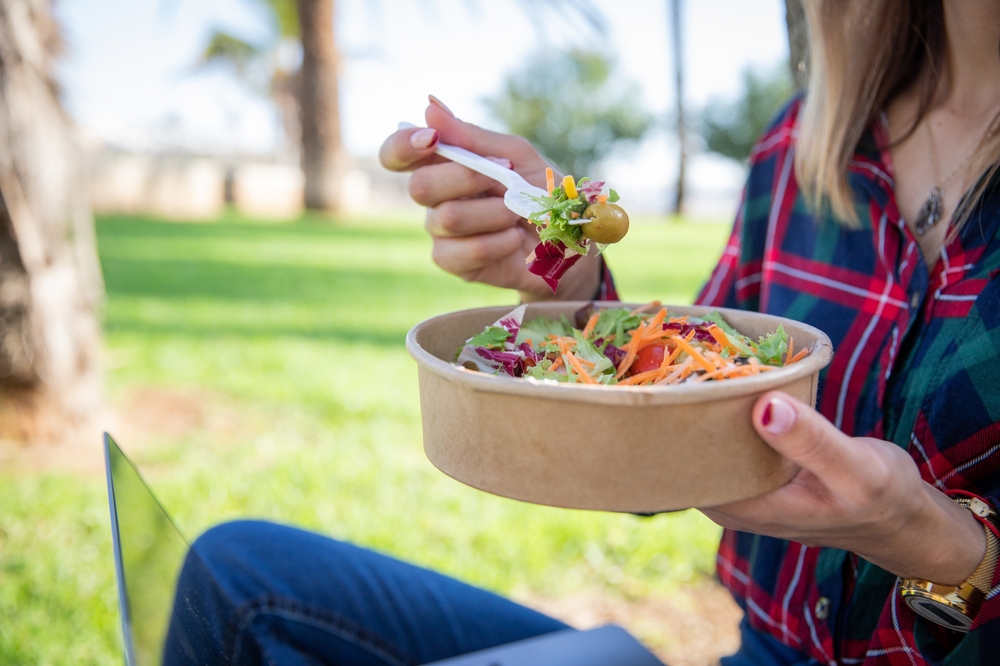
The greatest benefits generally occur when several of these tips are used together and repeated regularly.
Consistency is more important than perfection, and small habits can have a significant effect without requiring major effort.
This article is made and published by Ida-Marie Palm Varbæk, who may have used AI in the preparation.