
Walnuts contain several nutrients associated with brain function and protection.
However, according to Parade, their benefits depend on eating them regularly as part of a varied, nutrient-rich diet.
An appropriate serving
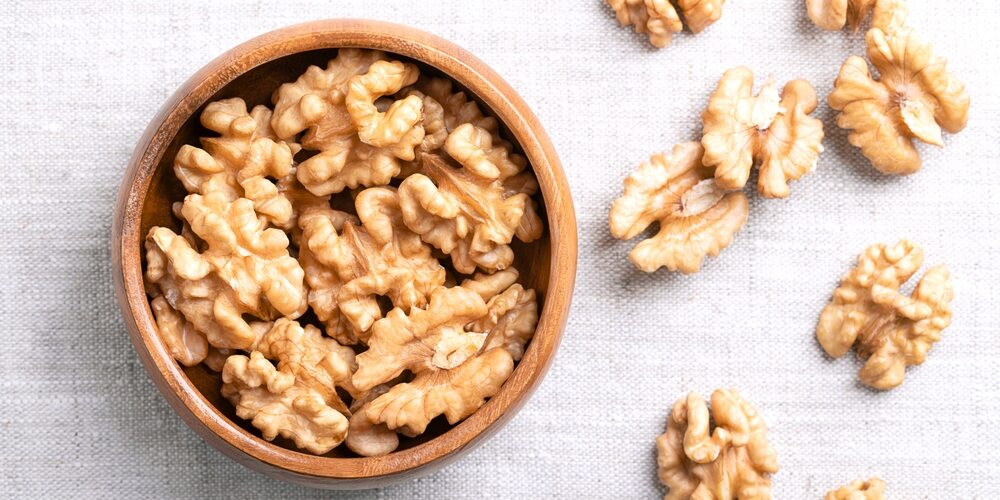
A standard serving is around seven whole walnuts or 14 halves.
This amount provides healthy fats, protein and fibre, among other nutrients.
Also read: Women who enter menopause before 40 may face a 40 percent higher heart disease risk
Antioxidants
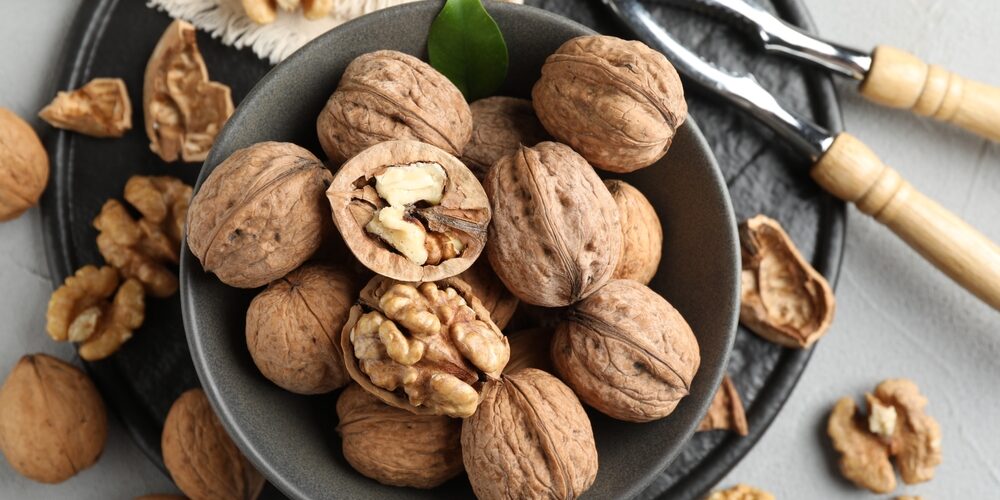
Walnuts contain antioxidants that may help protect cells from oxidative damage.
This can support the environment that brain cells need to function properly.
The effects are not immediate

You should not expect better memory or concentration immediately after eating a handful of walnuts.
The potential benefits are more likely to emerge when walnuts are eaten regularly over time.
Also read: If you take blood pressure medication, magnesium may lower it even more
Omega-3

Omega-3 fatty acids help keep brain cell membranes flexible.
This makes it easier for signals to move efficiently between cells.
May help stabilise blood sugar

The combination of protein, fibre and healthy fats may contribute to more stable blood sugar levels.
Large fluctuations can affect memory, attention and other important brain functions.
Also read: Could your birth month affect how long you live? Here is what the data shows
They contain a particular omega-3 fatty acid

Walnuts are particularly rich in alpha-linolenic acid, also known as ALA. It is a plant-based omega-3 fatty acid that distinguishes walnuts from many other nuts.
Polyphenols may reduce inflammation

Polyphenols are antioxidants found in plants. A study published in Oxidative Medicine and Cellular Longevity found that they may help regulate inflammation and strengthen the brain's defences against oxidative stress.
A breakfast with walnuts

A 2025 study published in Food & Function found that young adults responded faster in tasks involving attention and decision-making after eating a breakfast rich in walnuts.
However, the results for short-term memory were less clear.
Also read: 7 everyday foods that may help lower your cortisol and stress levels
They contain several important nutrients
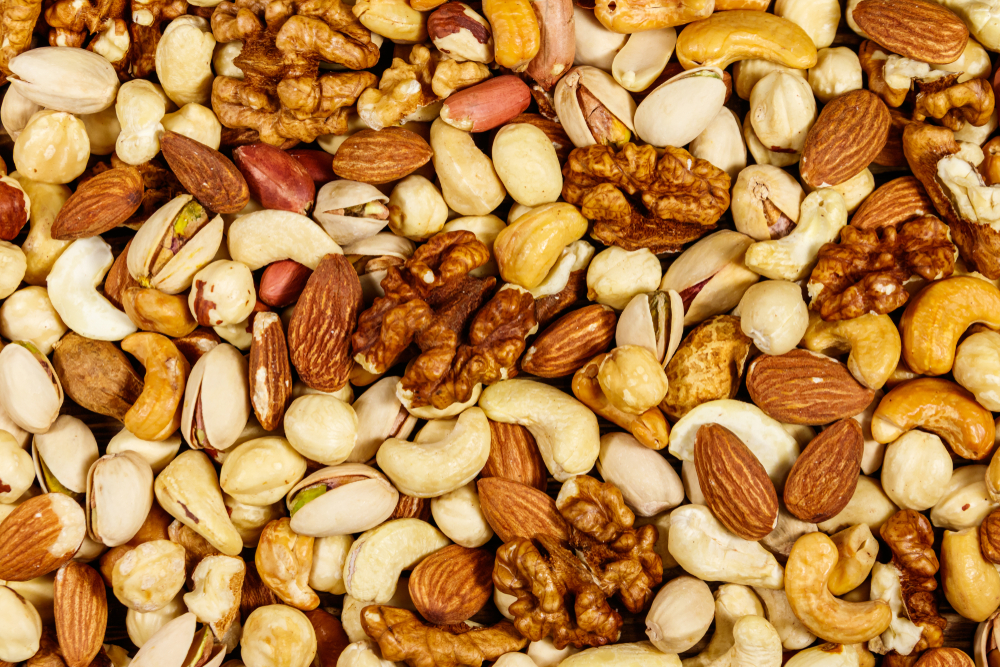
Walnuts provide vitamin E, copper, manganese, protein and fibre, among other nutrients. They also contain polyphenols and other antioxidant compounds.
ALA is converted only to a limited extent
The body can convert some ALA into the fatty acids EPA and DHA, but this conversion is limited.
For this reason, it is better to obtain omega-3 from a variety of foods rather than relying solely on walnuts.
The heart and brain are connected

Omega-3 fatty acids are also beneficial for the heart. Healthy blood vessels and good blood flow help deliver oxygen and nutrients to the brain.
Also read: Just 2.5 hours of moderate exercise a week may make your brain look nearly a year younger
Walnuts contain melatonin

In addition to polyphenols, walnuts contain melatonin and gamma-tocopherol, a form of vitamin E.
These compounds have antioxidant and anti-inflammatory properties.
A regular serving

A standard serving of walnuts can fit naturally into the MIND diet, which was developed with the aim of reducing the risk of dementia.
The key is to eat a moderate amount regularly.
Walnuts should not be eaten in isolation

No single food determines how the brain ages. The overall diet matters more, but walnuts can increase the nutritional value of a meal or snack.
They can be combined with berries and dark chocolate

Walnuts are high in calories, so it is recommended to stick to one serving.
They can be combined with berries and dark chocolate if you want a snack with even more antioxidants.
This article is made and published by Ida-Marie Palm Varbæk, who may have used AI in the preparation.