
Prostate cancer screening is not the same for everyone, and several common assumptions can cause unnecessary concern.
Here are some facts about PSA, symptoms, tests and treatment, according to VeryWell Health, so you can be prepared for your next doctor’s appointment.
Screening often starts with a conversation

Screening usually begins with a conversation with your doctor about the benefits, drawbacks and personal risk factors.
This does not necessarily mean that a test will be performed immediately.
Also read: Two infants dead in Pennsylvania: One killed by the virus
What is PSA?

PSA stands for prostate-specific antigen and is a protein produced by both healthy cells and cancer cells in the prostate.
The level can be measured with a blood test, but the result alone cannot determine whether prostate cancer is present.
A biopsy can establish the diagnosis

Neither a PSA blood test nor a physical examination can determine whether a person has prostate cancer.
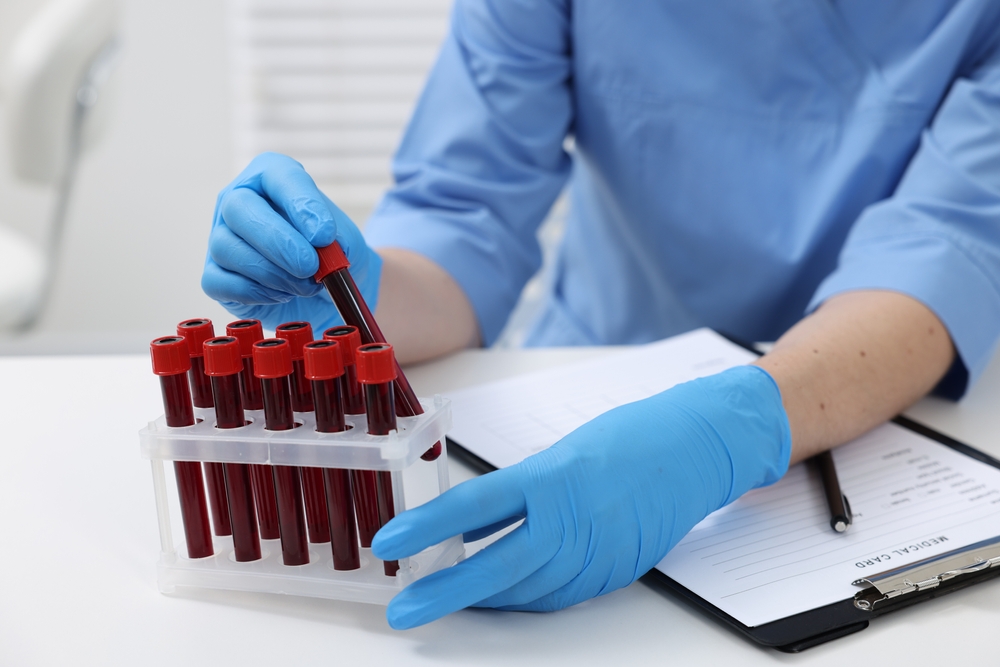
A biopsy, in which tissue samples are taken, can confirm the diagnosis.
Also read: Tylenol tops US liver failure cases: the daily limit many cross by accident
Prostate cancer can develop without symptoms

The disease often causes no symptoms in its early stages. The purpose of screening is to detect cancer before symptoms appear.
Age is not the only determining factor

The best time to consider screening depends on factors including age, health, life expectancy, family history, race and personal preferences.
A PSA blood test is often the first test

Modern screening usually begins with a standard blood test that measures the level of prostate-specific antigen.
A physical examination is therefore not always necessary.
Also read: Skip scrolling before your workout: It can affect you like 3-4 cigarettes
An elevated PSA level is not a diagnosis

PSA is produced by both healthy cells and cancer cells in the prostate.
An elevated level may indicate that further tests are needed, but it does not prove that cancer is present.
Several activities can affect PSA

Ejaculation and intense cycling within 48 hours before the test can cause PSA levels to rise.
Recent examinations of the prostate or urinary tract can also affect the result.
Also read: Men's heart disease risk starts climbing in the 30s, long before symptoms appear
Symptoms are not necessarily caused by cancer

Urinary problems can be caused by a benign enlargement of the prostate, among other conditions, which is much more common.
However, symptoms should still be discussed with a doctor.
Some medications can lower PSA levels

Finasteride and dutasteride can make PSA results appear artificially low. It is therefore important to tell your doctor about all the medications you are taking.
An abnormal test is often repeated

If the PSA level is elevated, the doctor will typically repeat the blood test after six to eight weeks before ordering further tests.
Also read: Kidney stones: How they feel and when to seek help
Further tests may be needed

If PSA levels remain elevated or a suspicious finding is detected, the doctor may recommend blood tests, urine tests, an MRI scan or a transrectal ultrasound.
Treatment does not always need to begin immediately

Many prostate cancers detected through screening grow slowly and do not pose an immediate threat.
Some cases can therefore be monitored rather than treated immediately.
Active surveillance requires regular check-ups
With active surveillance, healthcare professionals monitor the condition using PSA blood tests, scans and occasional biopsies.
Treatment begins only if tests show that the cancer is progressing.
Surgery and radiation therapy can have consequences

Treating low-risk cancer can cause unnecessary side effects.
By delaying treatment, some patients may be better able to preserve their quality of life as well as urinary and sexual function.
Guidelines recommend different starting ages

The American Cancer Society recommends discussing screening from age 40 for people with more than one close relative who developed prostate cancer at an early age, from age 45 for Black men and people whose father or brother developed the disease before age 65, and from age 50 for those at average risk.
Routine screening is often discouraged after age 70

Most guidelines do not recommend regular screening after the age of 70. However, some healthy older people may still benefit from discussing their individual circumstances with their doctor.
Symptoms should be investigated

Possible symptoms include a weak or interrupted urine flow, blood in the urine or semen, frequent or painful urination, and pain in the back, hips or pelvis.
Difficulty starting urination or emptying the bladder should also be evaluated.
The decision should be tailored to the individual

The doctor and patient can decide together whether screening is appropriate, when it should begin and how often it should be repeated.
The assessment should be adjusted over time to reflect changes in health, values and preferences.
This article is made and published by Ida-Marie Palm Varbæk, who may have used AI in the preparation.