
Everyday life is full of advice about habits that are said to affect the risk of cancer.
However, according to oncologist Dr. Khalil Choucair, some areas may deserve far more attention than others, Parade reports.
Tobacco tops the list

Choucair highlights tobacco as the most important area to address. You should avoid smoking, as it can harm your body and cause disease.
Avoid secondhand smoke
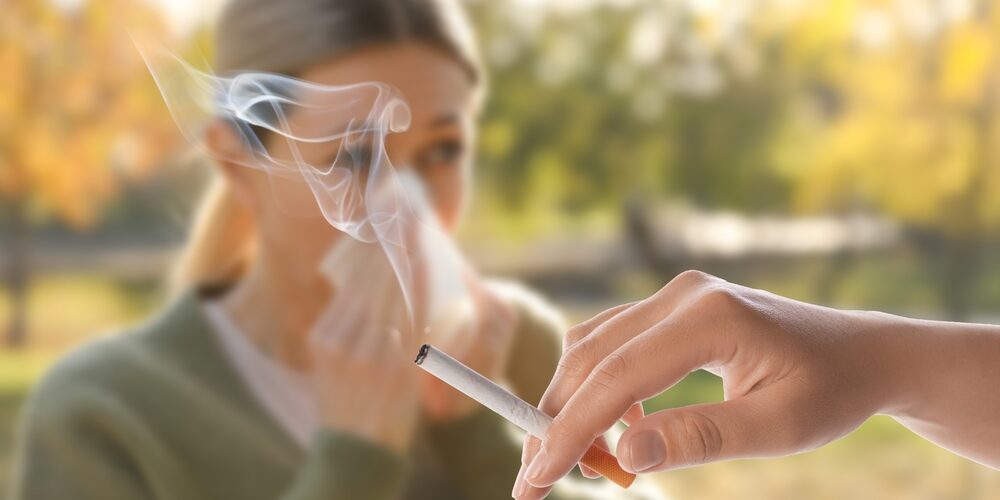
It is not only about staying away from tobacco yourself. Choucair also stresses the importance of avoiding secondhand smoke when the goal is to reduce the risk of cancer.
Also read: Your partner snores, but the quieter partner may be paying the higher health price
Smoking has widespread effects
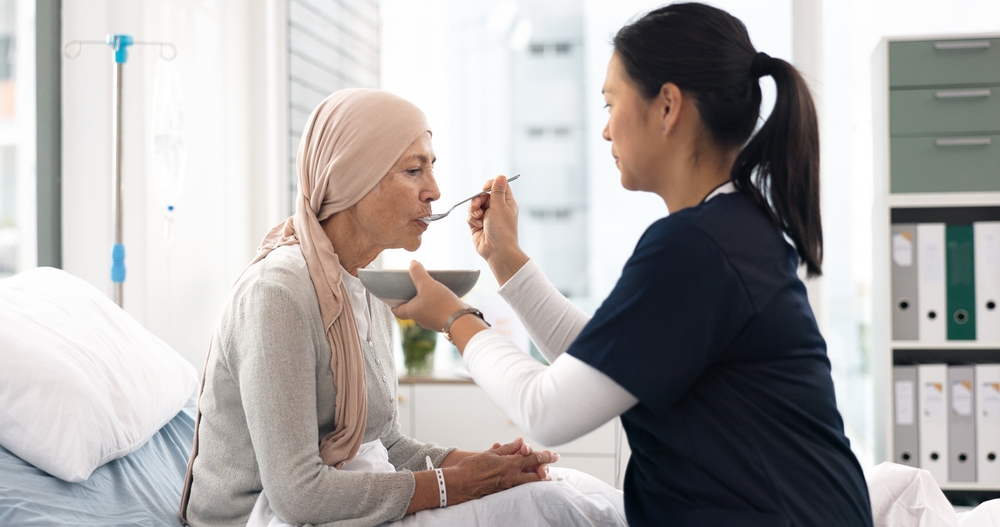
Tobacco is not only associated with lung cancer. According to information from Cancer Research UK, smoking also increases the risk of at least 16 other types of cancer.
All movement counts
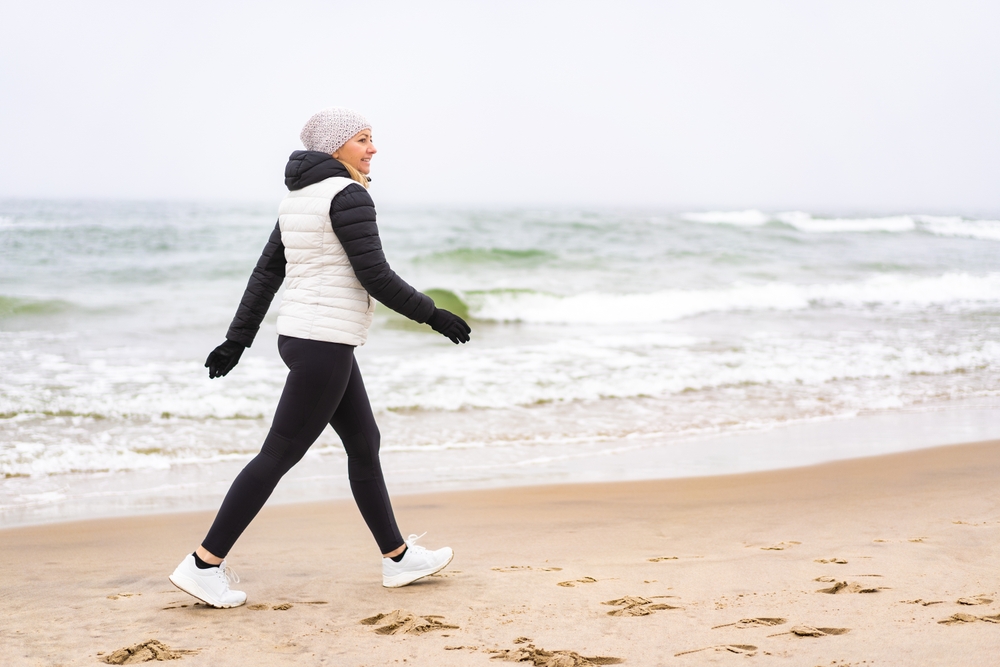
A sedentary lifestyle is among the habits Choucair tries to avoid. Even regular walks may be beneficial, according to research published in the Journal of Cachexia, Sarcopenia and Muscle.
Put fruit and vegetables on the menu
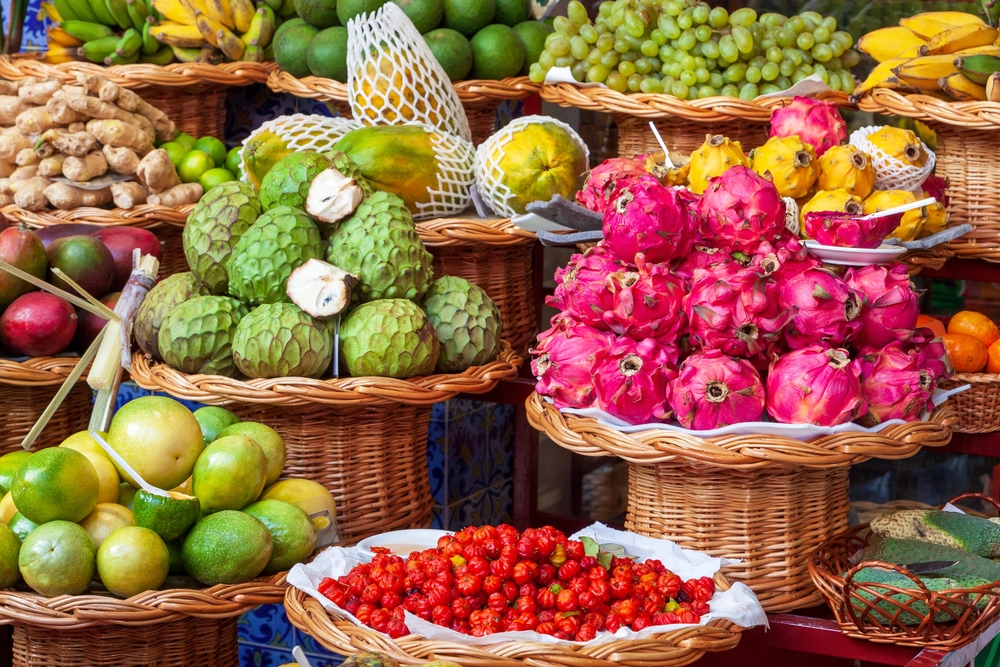
Parade links a diet low in fruit and vegetables to an increased risk of cancer. Choucair therefore emphasizes the quality of his daily diet.
Skip the sugar
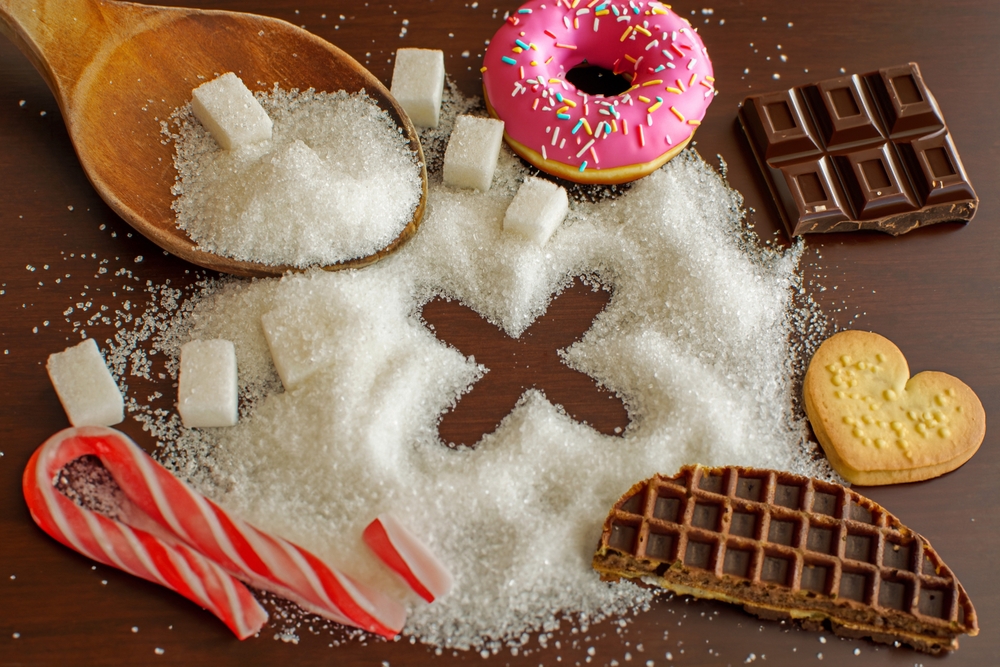
When Choucair drinks coffee or tea, he adds neither sugar nor sweeteners. He prefers both drinks without additives.
Also read: These foods may be linked to an increased risk of prostate cancer
Obesity plays a role
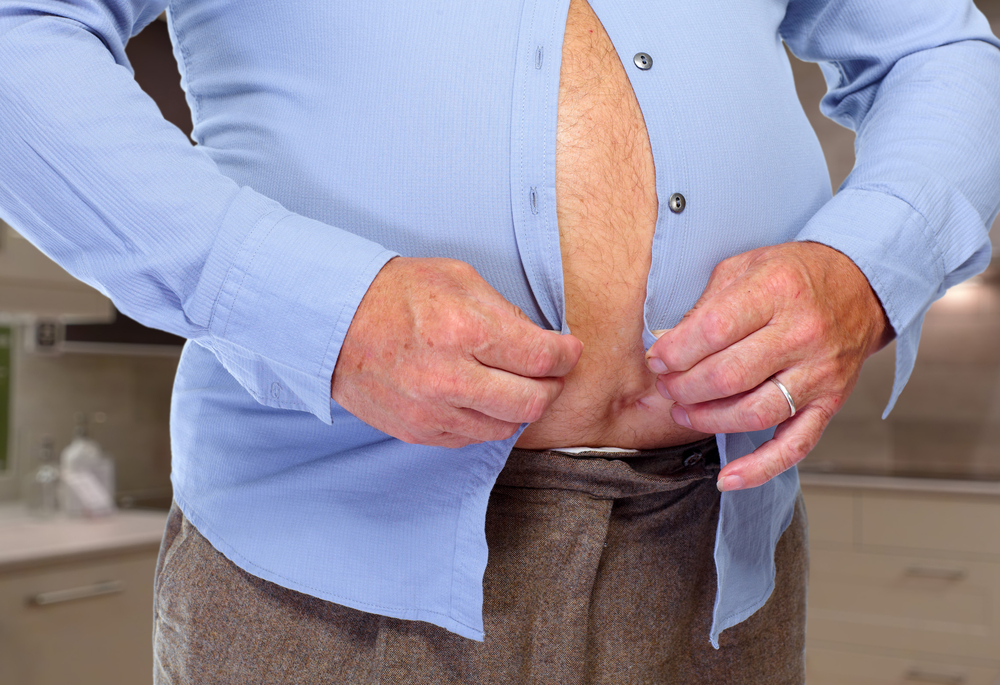
Parade refers to research published in Cancers, which estimates that between 4 and 8 percent of all cancer cases may be linked to obesity.
Limit fast food
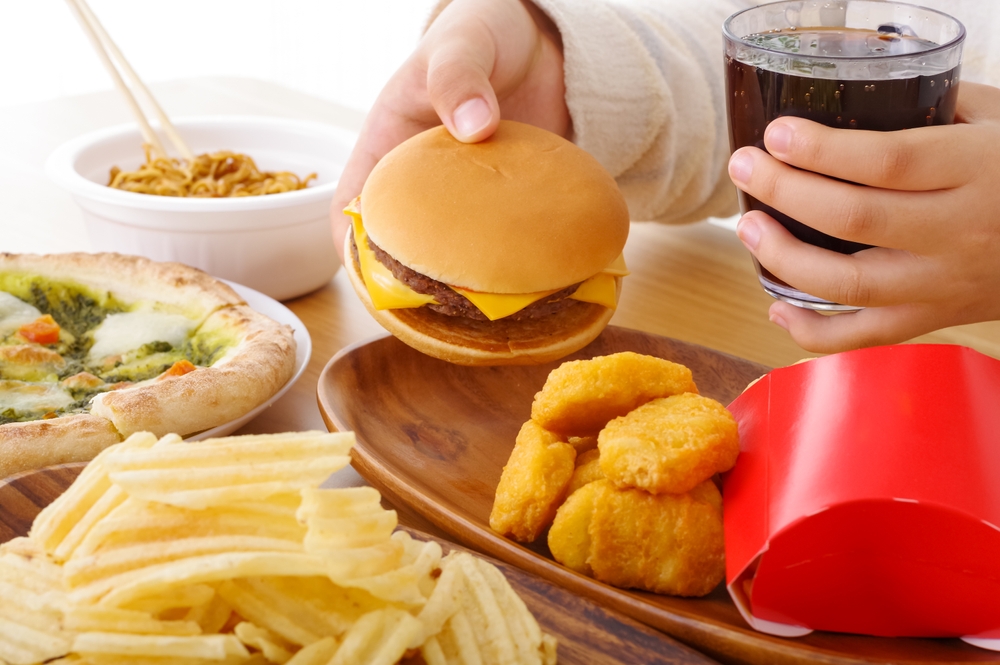
Choucair very rarely eats fast food. Parade points to fried foods and fatty meats, among other foods, in connection with cancer risk.
Mediterranean diet is preferred
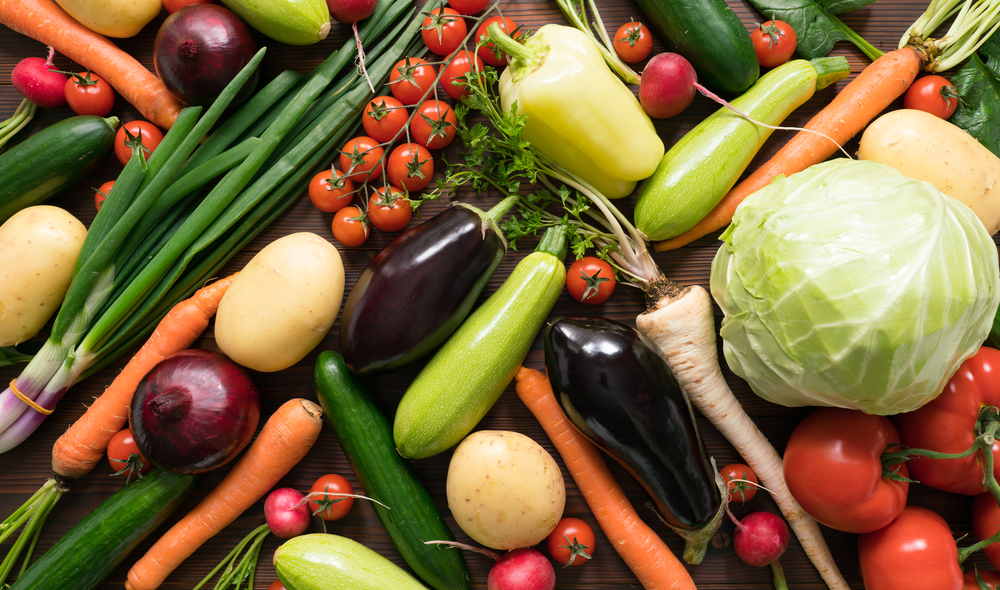
The oncologist follows a Mediterranean diet. It includes vegetables, fruit, plant-based proteins, lean meat, fish, olive oil, nuts and seeds.
Exercise several times a week

Choucair stays active and explains that he exercises three to four times a week.
Also read: More children may now qualify for the RSV vaccine under updated guidelines
Limit processed foods

He keeps ultra-processed foods to a minimum in his diet. Parade refers to research linking high consumption of such foods to a greater risk of several types of cancer.
Risk can be influenced
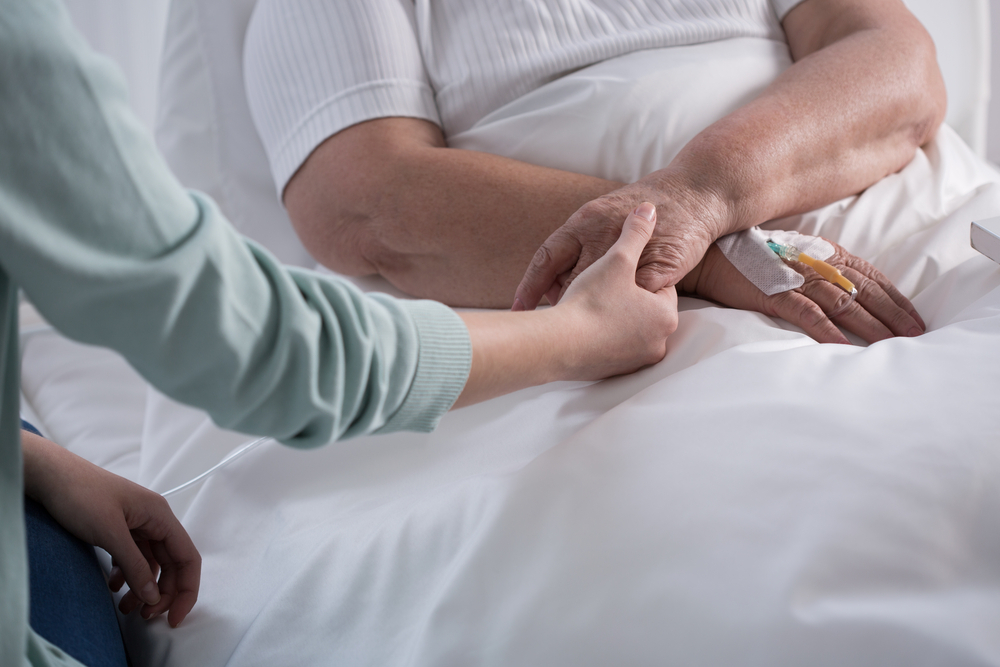
Cancer cannot always be prevented, but lifestyle plays a role. Choucair estimates that around 30 percent of cancer cases can be prevented through diet and lifestyle.
Also read: People with ADHD are up to twice as likely to have these common gut problems
This article is made and published by Ida-Marie Palm Varbæk, who may have used AI in the preparation.