
Aging cannot be avoided, but various habits and treatments may influence the biological processes that occur as we get older.
A new study published in Nature Medicine examined how factors including diet, exercise, medication, and supplements affect markers of biological aging, according to Medical News Today.
51 studies were combined

The analysis included data from 51 studies examining different interventions aimed at influencing aging.
The researchers examined more than 110 biomarkers based on DNA methylation.
Also read: Postpartum depression may nearly triple the risk of infant death
Epigenetic clocks

The researchers used epigenetic clocks to assess biological age. These clocks examine factors including methyl groups attached to DNA, which change throughout life.
Mediterranean diet

A Mediterranean-style diet was among the lifestyle changes associated with changes in biomarkers of aging.
Regular exercise

Regular physical activity was another lifestyle factor that showed an effect on the biomarkers measured.
Exercise is also considered one of the best-supported measures for healthy aging.
Also read: Your sleep quality may matter more for disease risk than the hours
Metformin
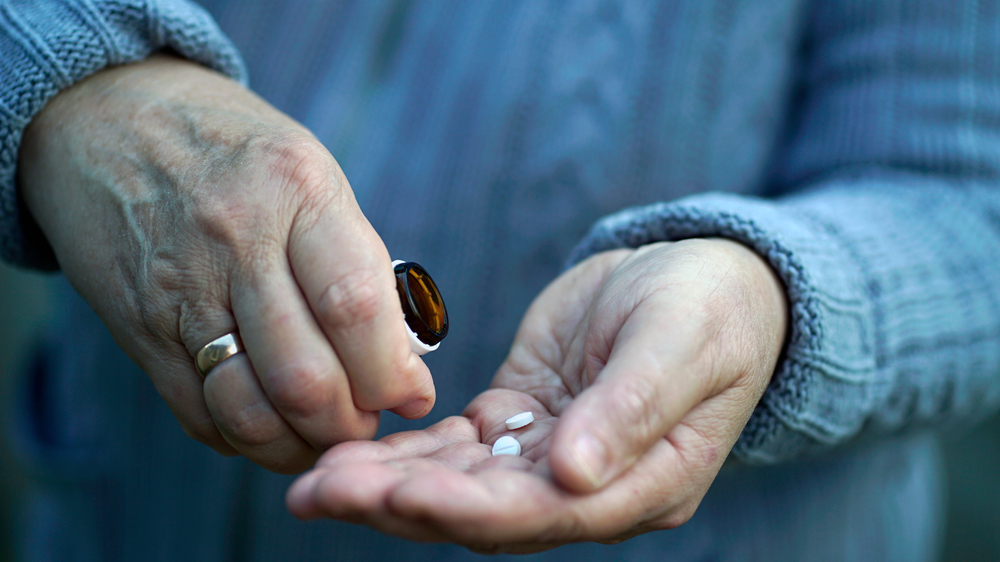
Metformin, which is used to treat type 2 diabetes, was among the drugs that had the greatest effect on epigenetic markers, which reflect changes in how our DNA is regulated.
However, the findings do not mean that healthy people should take the medication to slow aging.
Semaglutide

Semaglutide, which is used to treat type 2 diabetes and for weight management, was also associated with changes across all 16 epigenetic clocks examined by the researchers.
Supplements

The researchers found only limited and varying evidence that common supplements affect markers of aging.
Also read: Microplastics in your gut are linked to cancer and depression
This does not mean that supplements have no value for people with specific deficiencies or medical needs.
Healthy diet

In addition to the Mediterranean diet, both low-carbohydrate and low-fat diets showed signs of potentially reducing epigenetic aging in the measurements.
Sleep also plays a role

Getting enough sleep on a regular basis is highlighted as one of the established habits that support good health throughout life.
Along with diet and exercise, it is among the recommended measures.
Also read: Bacon and steak may not carry the same cancer risk - here's what the evidence shows
Smoking should be avoided

Not smoking is among the best-supported measures for healthy aging.
According to the researchers, established healthy habits have stronger evidence behind them than individual supplements and so-called anti-aging treatments.
Blood pressure and cholesterol should be managed
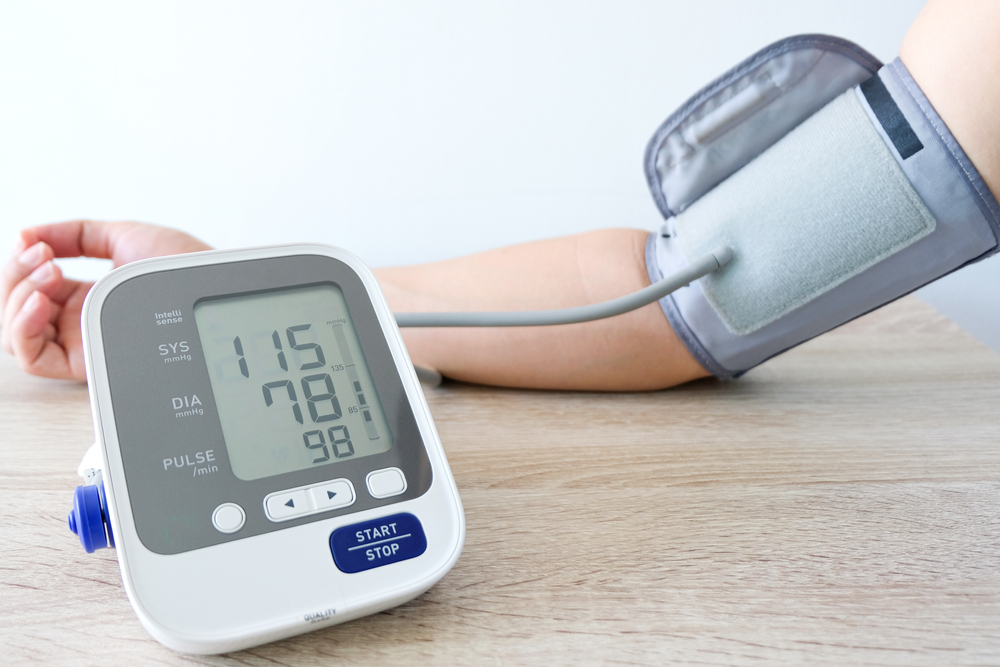
It is also important to monitor and treat conditions such as high blood pressure and high cholesterol.
Managing these conditions is highlighted as part of healthy aging.
Also read: Hair loss may be linked to these serious health conditions
Diabetes should be treated
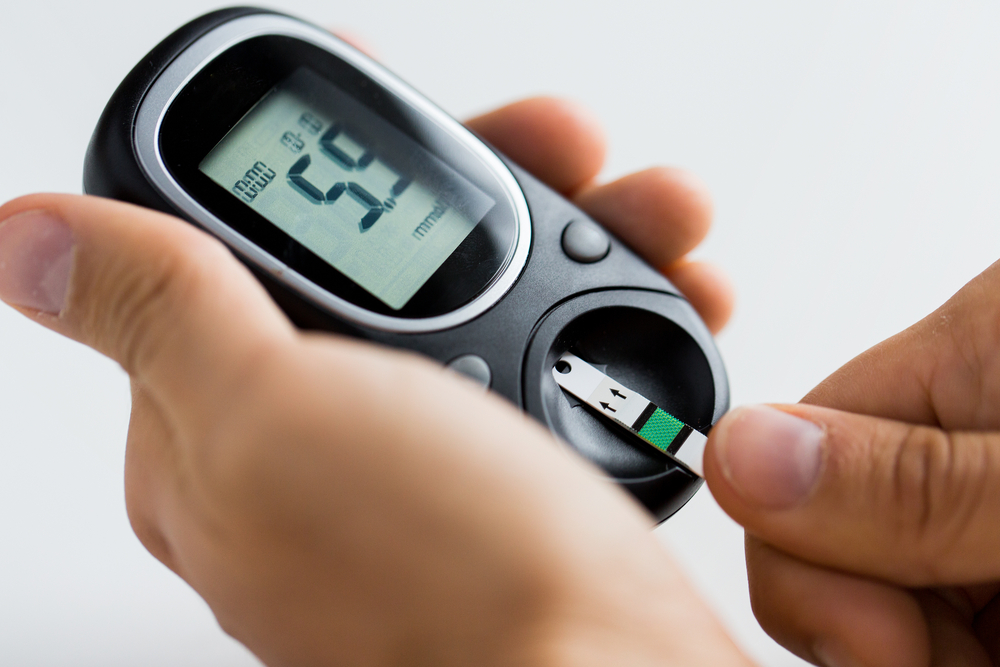
Good diabetes management is also among the measures that can support long-term health. The researchers emphasize treating existing diseases rather than using medication solely for the purpose of influencing aging.
A healthy weight

Maintaining a healthy weight is mentioned alongside exercise, a balanced diet, and good sleep habits as a factor that supports the body's metabolic, cardiovascular, and cognitive health over the long term.
Alcohol should be limited

Limiting alcohol consumption is also among the lifestyle habits highlighted as beneficial for health throughout life. There is still no single intervention that has been proven to broadly slow aging in humans.
Biomarkers are not definitive proof

A change in biomarkers is not the same as proof that a treatment actually slows aging.
Further research is still needed to determine whether these changes lead to better health, improved function, and longer life.
This article is made and published by Ida-Marie Palm Varbæk, who may have used AI in the preparation.