
A daily walk can benefit your energy levels, heart health, blood sugar and the body's stress levels, among other things.
However, the time of day, your pace and your habits along the way can affect how much you get out of your walk, according to Real Simple.
Take a walk in the morning
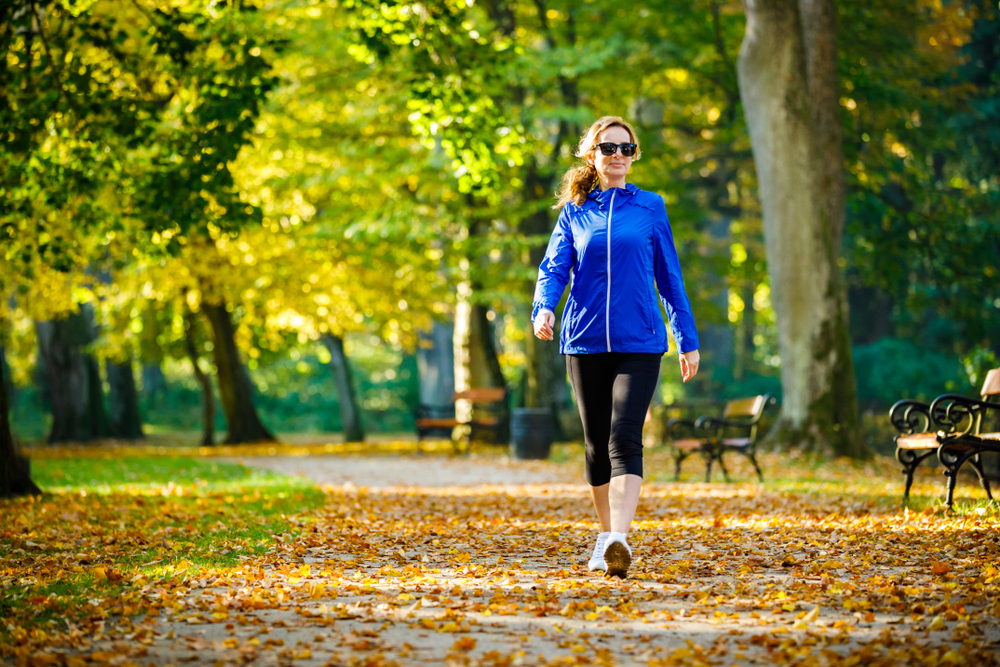
Going for a walk shortly after waking up can be a good way to start the day.
Daylight helps stop the production of melatonin, which plays a role in the body's sleep-wake cycle. This may help melatonin levels rise earlier in the evening, making it easier to fall asleep.
Also read: Some common medications prescribed to older adults may be doing more harm than good
Walk after a meal

Taking a walk after a meal can aid digestion. Movement stimulates contractions in the intestines, helping food move through the digestive system.
Staying upright and moving can also reduce bloating and may be beneficial for people who experience acid reflux.
Keep your head up
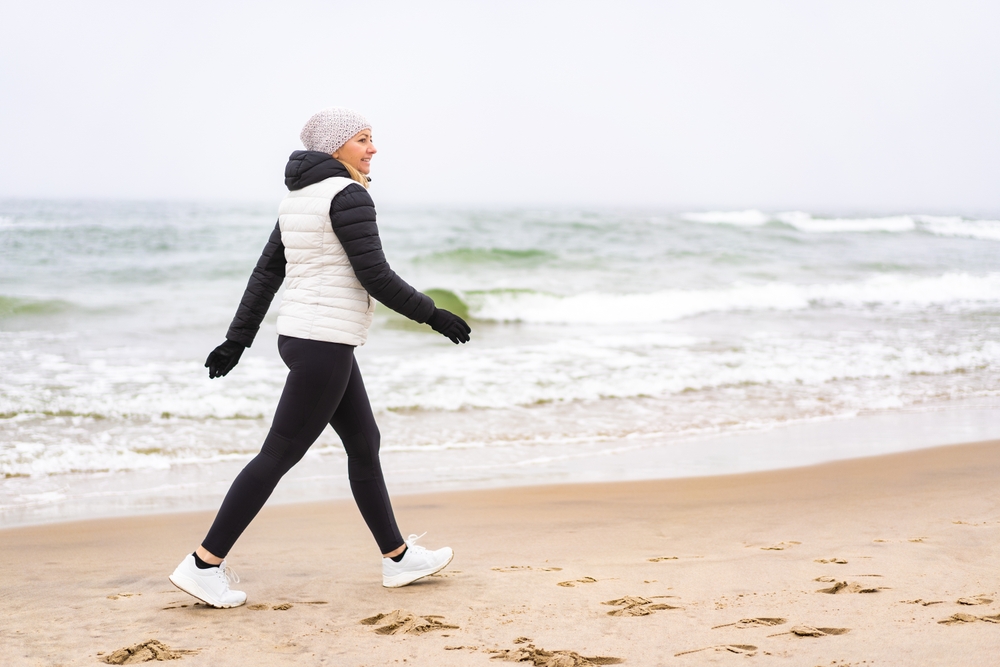
Your posture affects how your body works while you walk. Keep your head up and look straight ahead.
Good posture can make your steps more efficient and reduce unnecessary strain on areas such as your neck, back, hips and knees.
Also read: What grows in your child's gut in early life may predict type 1 diabetes years before it appears
Relax your shoulders
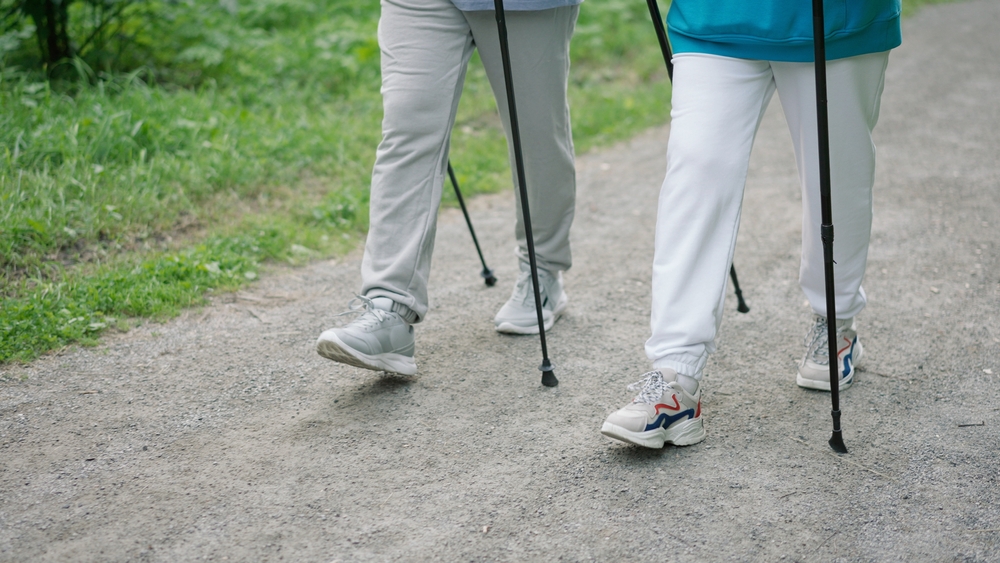
Your shoulders should be relaxed and lowered, while your chest should remain open rather than slumping forward.
This can make it easier to breathe comfortably while also helping you use your body more efficiently during your walk.
Let your arms move naturally

Let your arms swing naturally at your sides with a slight bend in your elbows. At the same time, you can gently engage your core without tensing your entire body.
Gradually increase your pace

You do not need to start running to make your walk more challenging. A faster pace increases the demands on your cardiovascular system and can improve your body's ability to transport and use oxygen.
Also read: Your child's pupils may reveal how well their ADHD medication is working
Add hills to your route
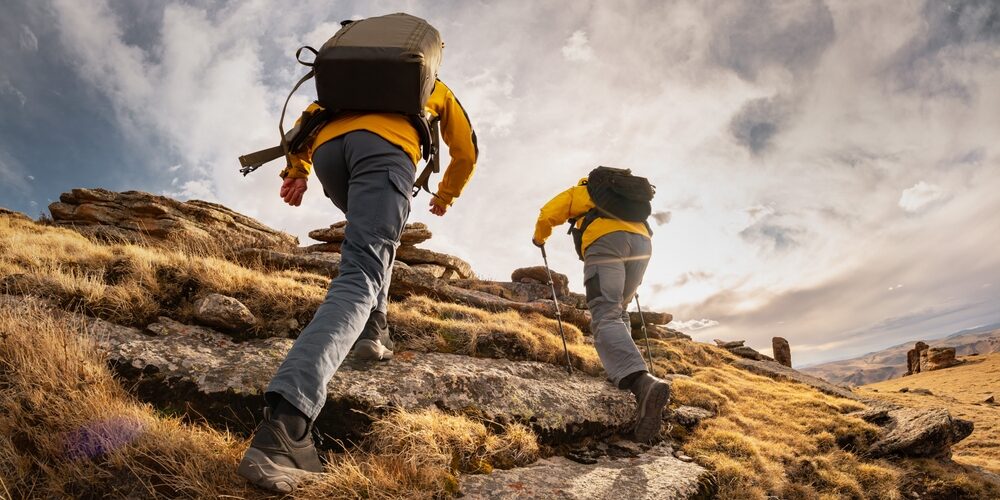
Hills are another way to increase the intensity of your walk. They can place greater demands on muscles such as your glutes, calves and hamstrings.
For example, you can walk uphill for 30 to 60 seconds and then return to your normal pace for a few minutes.
Add extra resistance

If you want to make your walk more challenging, you can add resistance. According to Real Simple, this can include using a backpack, hand weights or ankle weights.
Any changes should be introduced gradually to reduce the risk of injury.
Also read: Millions may lose GLP-1 drug coverage as employers and insurers cut benefits
Walk with a friend
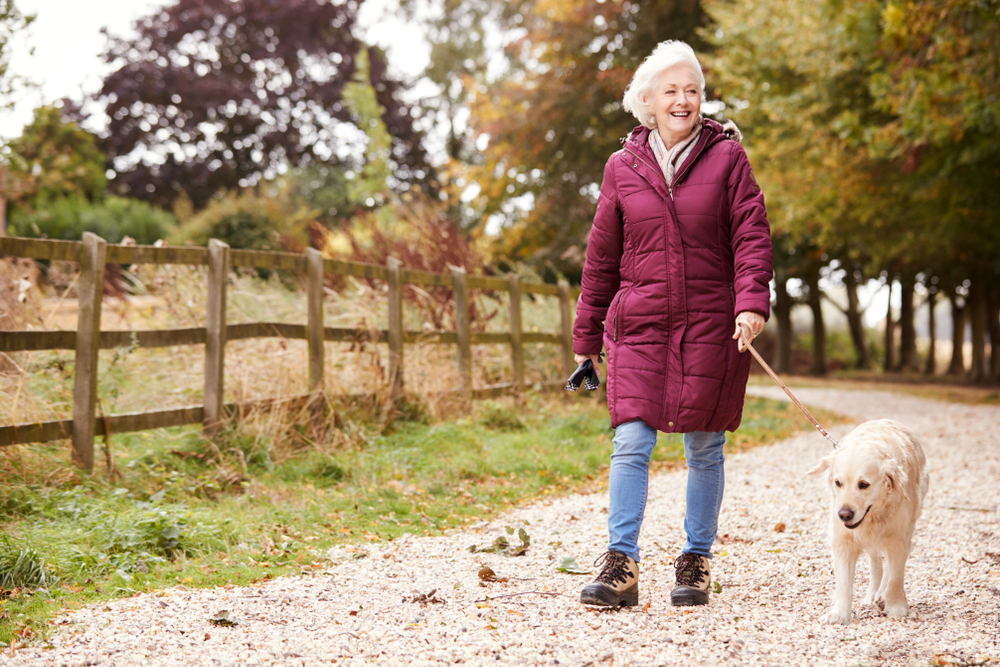
Walking does not have to be something you do alone. A friend can provide social interaction while also helping you stay motivated and accountable.
This could be a friend, family member or colleague.
Use conversation to gauge your pace
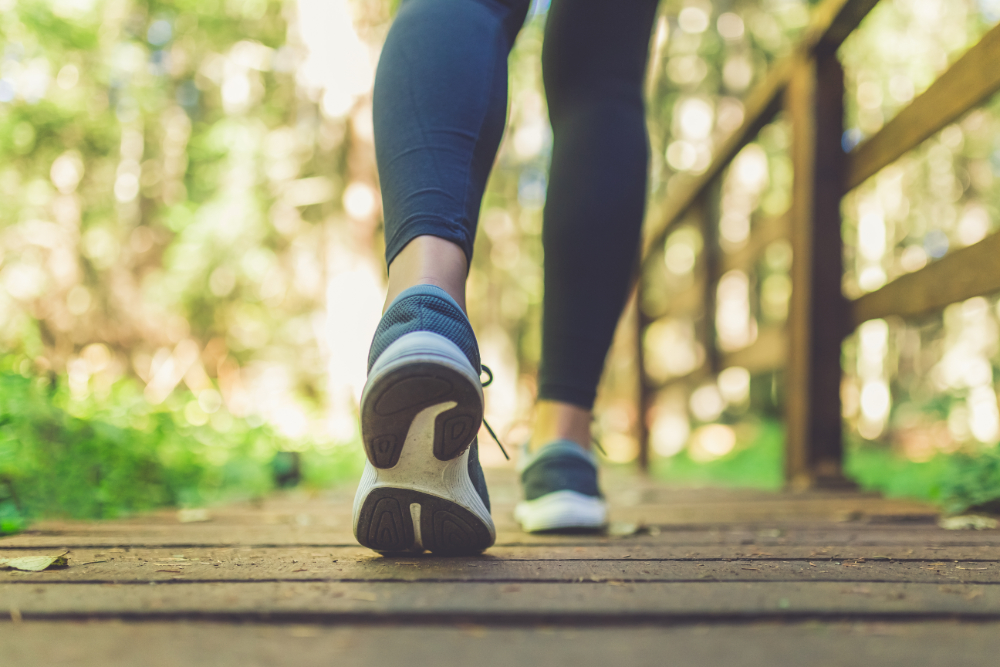
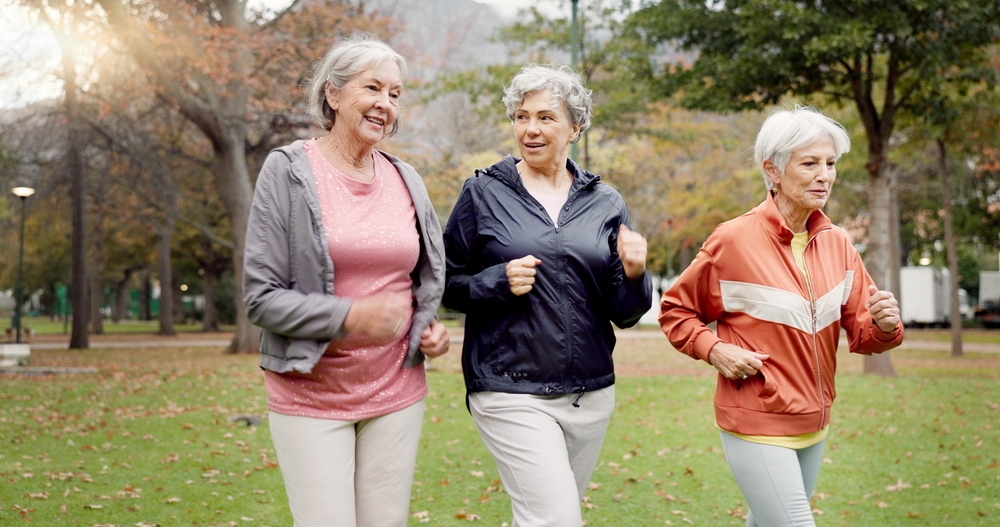
If you are walking with someone else, your conversation can give you an idea of the intensity. If you can easily hold a conversation, it may be a sign that you can increase your pace slightly until it becomes more challenging.
Add strength exercises along the way
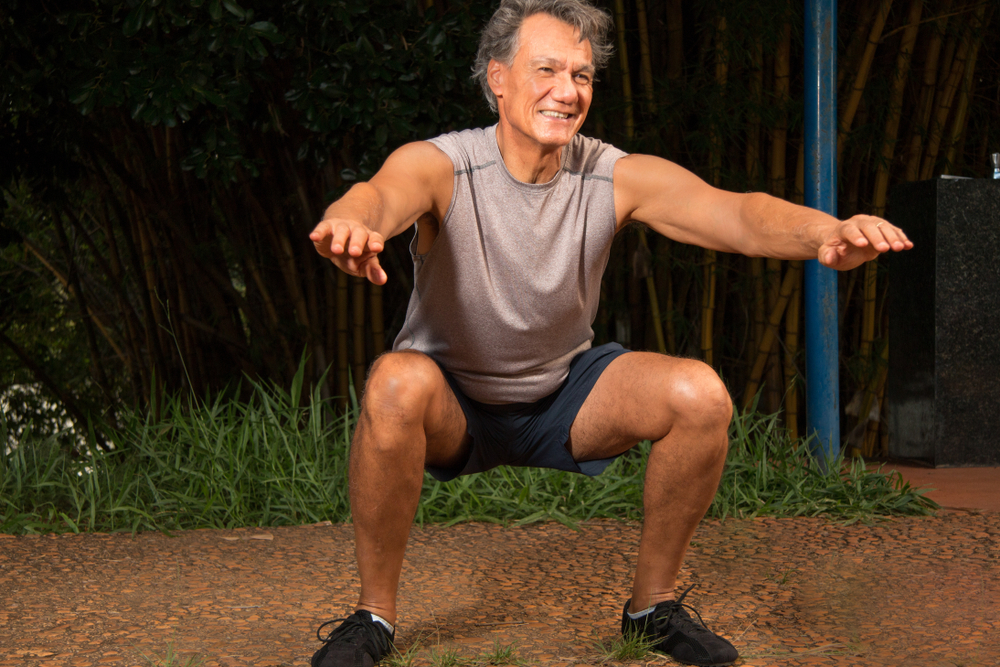
You can combine your walk with short strength-training breaks. For example, you can stop every five or ten minutes to do squats, walking lunges, calf raises or incline push-ups against a sturdy bench.
Also read: How eating meat every day may affect your heart
If you are new to exercise, you can start with one or two breaks.
Keep your phone in your pocket
Looking at your phone while walking can take your attention away from your body and surroundings.
A walk without your phone can give your brain less stimulation and make it easier to stay present and notice what is happening around you.
Change your route occasionally

Walking the same route every day can make your walk feel automatic. A new route can engage your senses and give your brain new impressions.
Different hills, surfaces and types of terrain can also challenge your muscles in different ways.
Try a new area

Adding variety does not have to be complicated. You can walk through a different neighbourhood, find a trail, visit a park or simply walk your usual route in the opposite direction.
This can make your walk more varied and give you something new to notice.
Use your walk for mindfulness

You can also use your walk to focus your attention on your body. For example, you can pay attention to your breathing, the wind against your skin or the sensations in your legs as you move.
The aim is to stay aware of both your body and your surroundings during your walk.
You do not have to walk slowly

Practising mindfulness while walking does not necessarily mean you have to move at a slow pace. You can still walk briskly or simply take a short walk around the block.
The key is to stay present in the experience and keep your attention focused on at least one part of your body.
This article is made and published by Ida-Marie Palm Varbæk, who may have used AI in the preparation.