
Rabies is a rare disease in humans, but infection can have serious consequences, according to Prevention.
Following several potential exposures, the CDC has highlighted how the rabies vaccine is used and why prompt treatment is crucial.
The vaccine can work after exposure
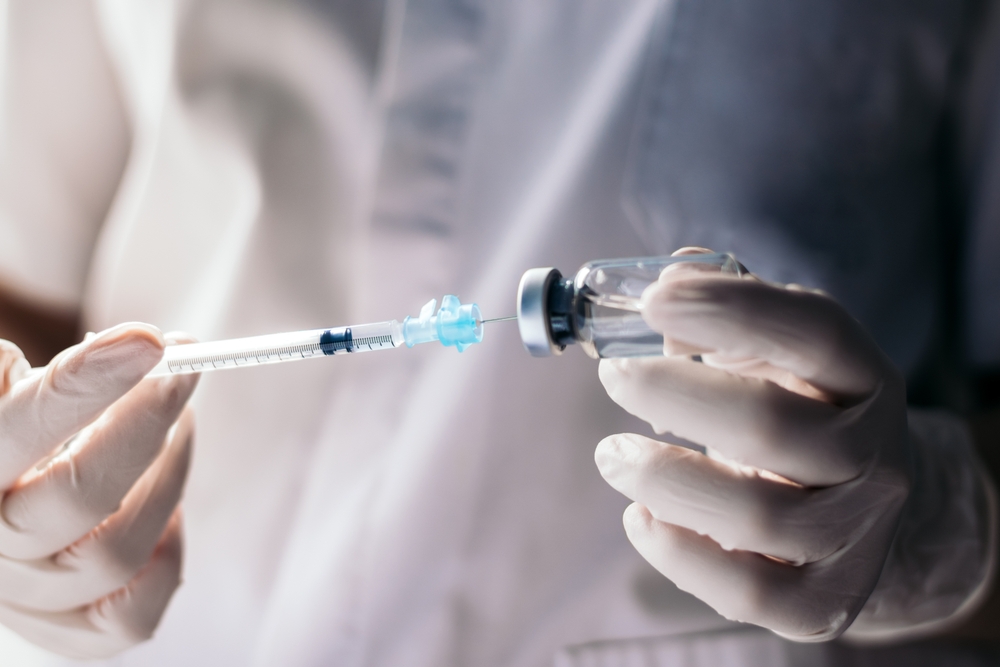
The rabies vaccine differs from many other vaccines because it can be given after a person has been exposed to the virus.
However, treatment should be started as soon as possible.
Also read: Knee braces and water therapy outrank high-tech treatments for arthritis pain relief
Rabies is often transmitted through bites

The virus is typically transmitted through the bite of an infected animal. From there, the virus can travel to nearby nerves and later to the spinal cord.
Symptoms can take a long time to appear

Rabies can take anywhere from days to months to develop. The time frame depends, among other factors, on where on the body the person was bitten.
A bite to the face can progress more quickly

The location of a bite can make a difference. A bite to the face is closer to the central nervous system than, for example, a bite to the foot, which can shorten the time it takes for the disease to develop.
The vaccine is given in several doses
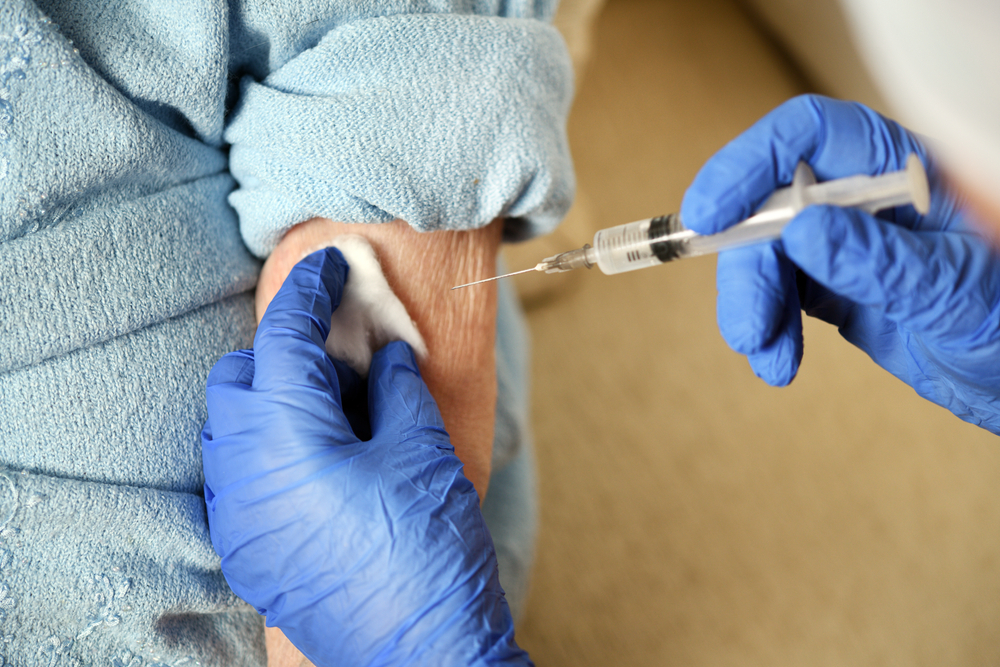
People who have not previously been vaccinated against rabies receive four doses over a period of two weeks.
Also read: Vitamin ends up in the toilet: Pharmacy chain turns it into gummies
Treatment should begin as soon as possible after exposure.
Previously vaccinated people receive fewer doses
If a person has already been vaccinated against rabies, two doses are given over four days following a potential exposure.
The first dose is combined with another treatment
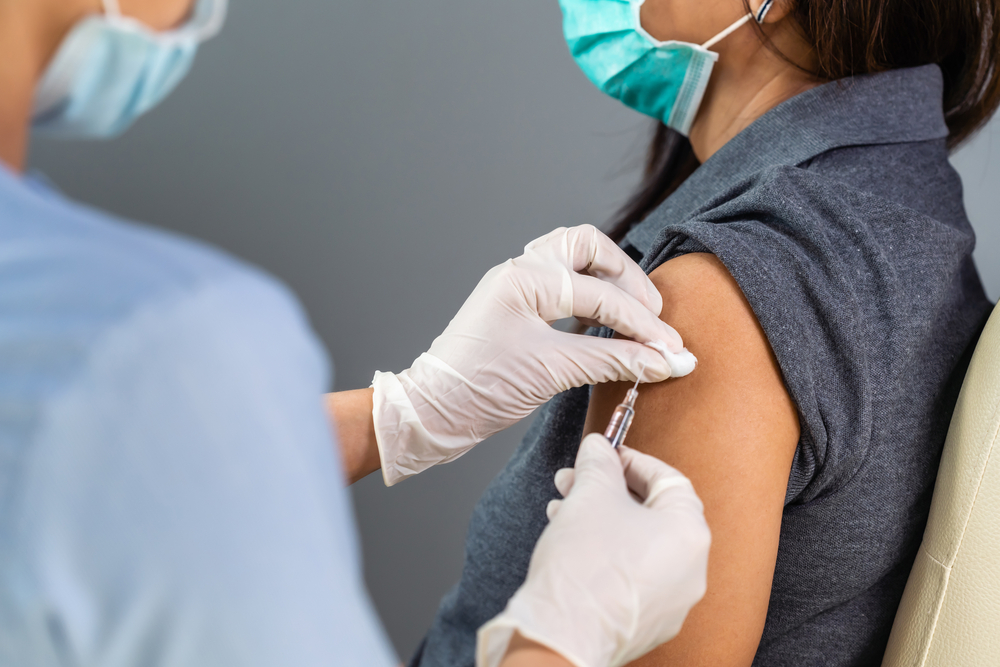
The first dose of the rabies vaccine is usually given together with human rabies immunoglobulin, also known as HRIG. This can provide more immediate protection against the virus.
HRIG is administered around the wound
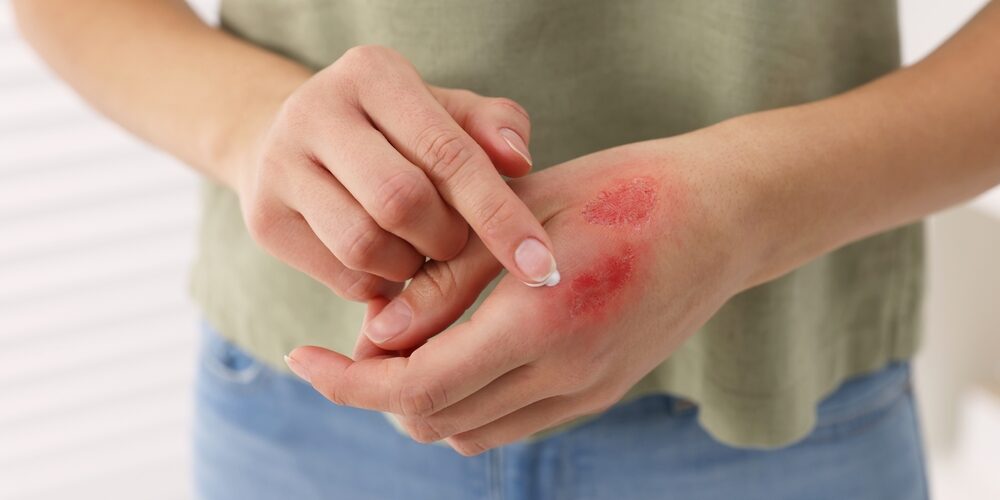
Rabies immunoglobulin contains ready-made antibodies. It is administered directly into and around the wound to neutralize the virus, while the vaccine helps the body produce its own antibodies.
Also read: Your routine eye scan may quietly flag a hidden heart-rhythm risk years early
The vaccine is no longer given in the abdomen

In the past, rabies vaccination could involve 20 or more injections in the abdomen. Today, the vaccine is given as an injection into a muscle, such as the upper arm.
Treatment can be very expensive

According to the CDC, a typical course of treatment following potential rabies exposure can cost between $11,000 and $14,000 per person in the United States. The cost can depend, among other factors, on insurance coverage.
Several animals can carry rabies

Bats, raccoons, foxes, skunks and mongooses are among the animals that can serve as reservoirs for the virus.
The risk is assessed based on factors including the animal species and the prevalence of rabies in the area.
Also read: Walking or running: Which one actually extends your lifespan more?
Bats require particular attention

Bats have such small teeth that a bite may go unnoticed. Treatment following a potential exposure may therefore be appropriate even when there is no visible wound.
Health authorities assess the need for treatment
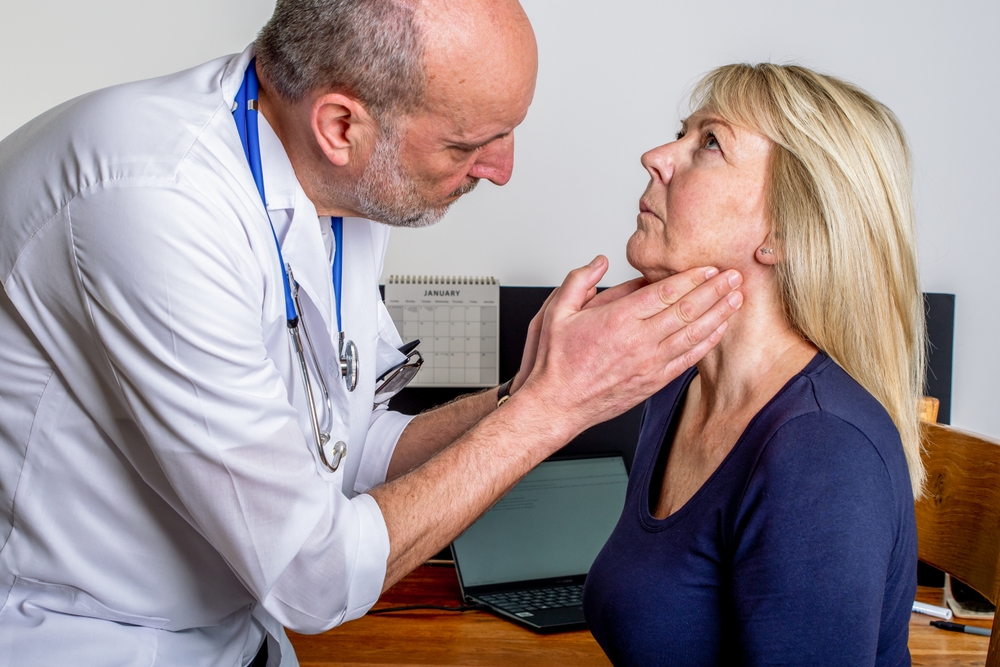
The need for treatment is assessed based on factors including the animal species, the type of contact and the prevalence of rabies in the local area.
If the animal can be examined, testing its brain tissue can help determine whether it had rabies.
Prompt treatment can prevent the disease

According to Prevention, treatment started promptly after exposure is considered 100 percent effective at preventing a fatal infection. Around 100,000 people receive this type of treatment each year in the United States.
Also read: How to get more out of your walks
Rabies is almost always fatal once symptoms appear

According to the WHO, once clinical signs of rabies appear, the disease is virtually 100 percent fatal.
Early symptoms can resemble the flu and may later progress to include anxiety, delirium, insomnia, hallucinations and fear of water.
The CDC has recorded an increase in inquiries

From July to August, the CDC received 17 percent more rabies-related inquiries than during the same period the previous year.
At least eight state health departments have also reported an increase in treatments following potential exposure, treatment errors, or both.
This article is made and published by Ida-Marie Palm Varbæk, who may have used AI in the preparation.