
Regular running can affect the body in several different ways, even when you start slowly, according to Prevention.
Here are some of the changes and experiences the Prevention writer noticed after running every week.
Blood sugar levels may drop

The writer has type 1 diabetes and found that she needed less insulin on the days she ran and even into the following day.
When she ran two to three times a week for between 1.5 and 2.5 miles, equivalent to 2.5–4 kilometres, her continuous glucose monitor also showed a lower average blood sugar level on running days.
Also read: Ultra-processed foods could be damaging the muscles around your knees
The heart may become stronger

Regular running can strengthen the heart.
Personal trainer Claudette Sariya told Prevention that resting heart rate may decrease after several weeks of running because the heart's stroke volume improves and the heart becomes stronger.
Fitness levels may improve

One of the most noticeable changes for the writer was improved endurance. Among other things, she experienced a generally lower heart rate both at rest and while walking.
Running can strengthen muscles

Running can also help build muscle.
Also read: Ketamine is now causing bladder damage in children as young as 13
A 2017 study published in the International Journal of Exercise Science found that high-intensity running increased muscle fibre volume by 11 percent. However, more research is needed into other forms of running.
Bones may benefit from running
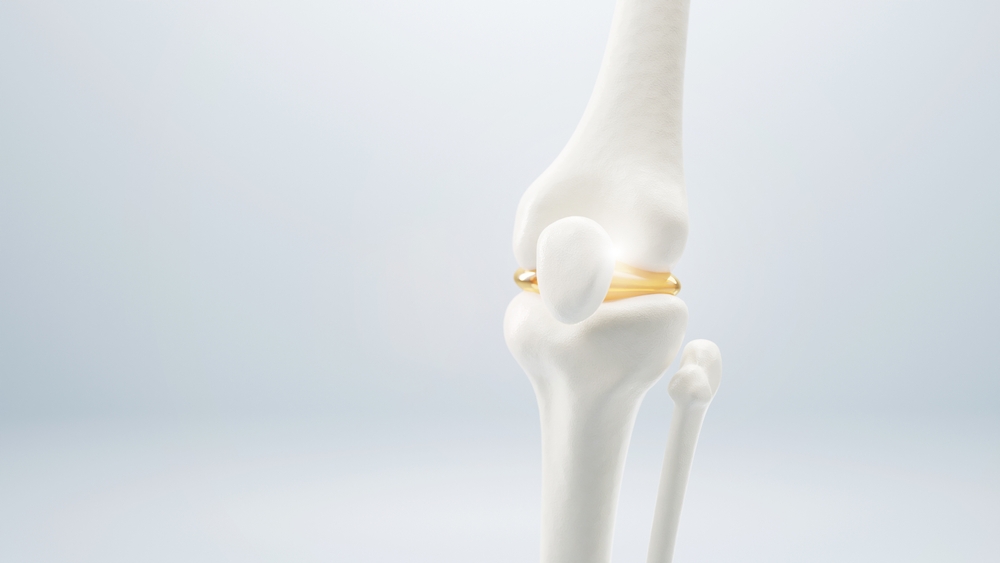
Running may help strengthen bones. A small 2019 study published in the Journal of Exercise Rehabilitation found that marathon runners had stronger biochemical markers involved in bone formation compared with people who did not run marathons.
Stress levels may be affected

For the writer, reducing stress was an important reason for taking up running.
Personal trainer Tabthea Lomo points out that the so-called runner's high is real and may be associated with benefits including increased energy and better sleep.
Also read: Americans are drinking less for the first time since the pandemic, but rates are still above normal
Running can help with weight management

The writer found that she burned more calories by running than by walking or cycling for the same amount of time. Running can therefore form part of an effort to maintain a healthy weight.
The body needs to adjust to the strain

The first few runs can feel difficult because the body needs to adapt to the new physical demands.
The heart works harder, the lungs have to keep up with breathing demands, and both the legs and core muscles are placed under greater strain.
Endurance can be built gradually

The writer started with 20 minutes of slow walking and running on a treadmill. She later added another training day and gradually increased the amount of time she spent running rather than walking.
Also read: 7 serious conditions linked to gum disease that have nothing to do with your teeth
30 minutes of running made a difference

Eventually, the writer was able to run for 20 minutes without taking walking breaks.
She then increased her workout time to 30 minutes, and it was at this point that she really began to notice changes in her body.
Sore muscles may occur

Running did not only have positive effects for the writer. She also experienced sore muscles, cracking joints and pain from old injuries that returned.
Low blood sugar was a challenge
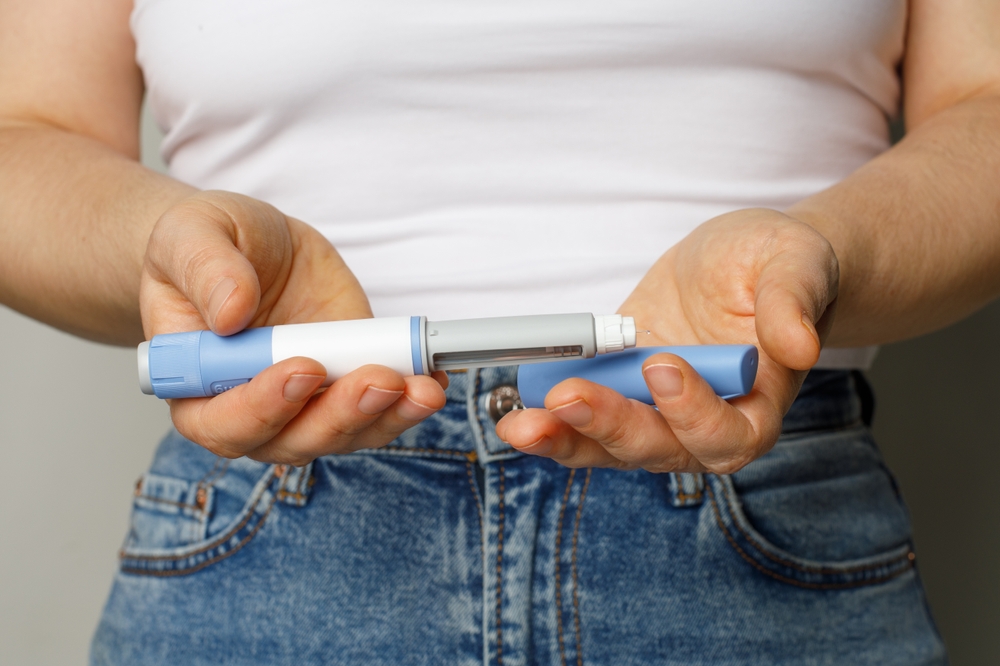
As someone with type 1 diabetes, the writer also experienced episodes of low blood sugar associated with her running routine.
Also read: These protein-rich meals can be good for older adults
Physical activity can make insulin more effective, requiring particular attention from people who depend on insulin.
The right equipment became important

Along the way, the writer learned the importance of both stretching and suitable running gear. Among other things, she started using a running belt so she could carry her diabetes supplies in case of an emergency.
The body may recover faster

According to Tabthea Lomo, consistency can make a noticeable difference.
As the body becomes accustomed to running, breathing may become easier, while recovery after runs may also become faster.
Running may provide more energy

When running becomes a regular part of everyday life, experts say it can contribute to higher energy levels.
Sariya explains that this is partly linked to adaptations that take place in the cardiovascular system.
Confidence may grow

For the writer, running brought more than just physical changes. She also gained confidence and became more willing to try new things as she discovered what her body was capable of.
This article is made and published by Ida-Marie Palm Varbæk, who may have used AI in the preparation.