
Shorter days and cooler weather can make it more difficult to stick to healthy routines.
However, according to physician Ulysses Wu, small and consistent changes can make a noticeable difference as winter approaches, Hartford HealthCare reports.
Prioritise your sleep

Not getting enough sleep can weaken the immune system and make it more difficult for the body to fight infections.
Ulysses Wu recommends getting between seven and nine hours of sleep each night.
Also read: Doctor warns against these common allergy medicine mistakes
Remember to drink water

Fluids play an important role in supporting the immune system, energy levels and concentration. It can therefore be a good idea to drink water regularly throughout the day.
Wash your hands thoroughly

Cold and flu viruses can spread when we touch shared surfaces and then touch our faces.
Washing your hands with soap and warm water for at least 20 seconds can reduce the risk of illness.
Find ways to manage stress

Stress can affect the immune system. Activities such as reading, exercising or going for a walk can help you unwind when everyday life gets busy.
Also read: New vaccine aims to block the high from powerful opioids
Eat seasonal vegetables

Autumn brings a variety of seasonal vegetables, including squash, kale, sweet potatoes and root vegetables.
A varied diet containing fruit and vegetables provides the body with the vitamins and minerals it needs.
Use hand sanitiser on the go

It is not always possible to wash your hands with soap and water. In these situations, alcohol-based hand sanitiser can be used as an alternative.
Keep your body moving

Regular exercise can support the immune system and help maintain energy levels.
Also read: 8 warning signs of anemia most people dismiss as just being tired
A brisk walk outdoors can be enough to incorporate some physical activity into your daily routine.
Choose indoor exercise when it gets cold

If the weather makes outdoor exercise less appealing, you can opt for indoor activities instead.
Yoga, dancing, strength training and stretching are among the options.
Consider vaccination

Flu vaccination can help protect both you and others.
Also read: Your thyroid pill may be too strong: FDA issues most serious recall
Wu also recommends asking your doctor about vaccination against RSV and COVID-19.
Keep up with routine check-ups

A busy schedule should not mean that preventive screenings and appointments are forgotten.
Regular check-ups can help detect health problems at an early stage.
Stay home when you are ill

Being around other people while you are ill can spread infection.
Also read: How daily reading may affect your brain
Rest can also help your body recover, and if you need to be around others, you can consider wearing a mask.
Establish a regular bedtime routine
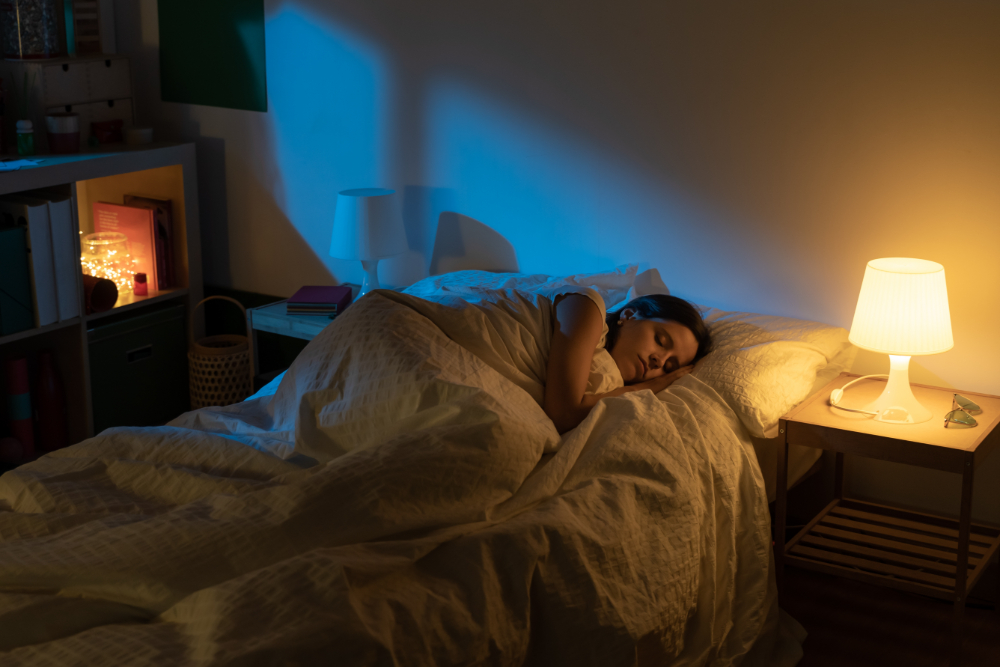
If you find it difficult to wind down in the evening, a regular routine can help.
Dim the lights, turn off notifications and avoid spending the time before bed scrolling on your phone.
This article is made and published by Ida-Marie Palm Varbæk, who may have used AI in the preparation.