
Drinks containing herbs, vitamins and minerals are marketed as a way to help with period pain, bloating and mood swings, among other symptoms.
However, research into the products remains limited, and experts highlight several things consumers should be aware of, according to Health.
The drinks contain different plants
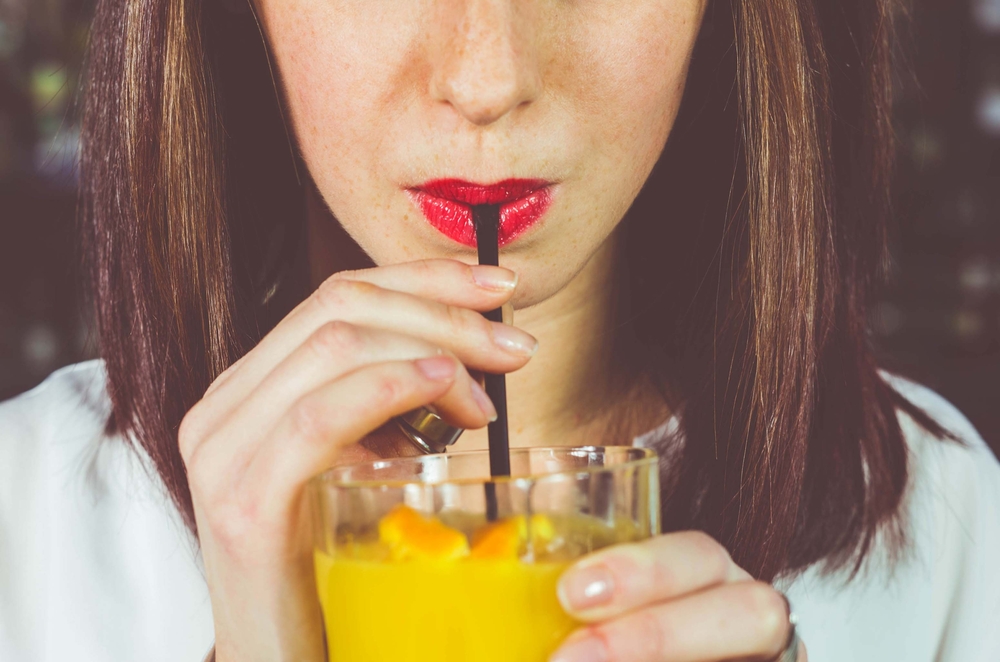
Products aimed at relieving menstrual symptoms are sold in various forms, including teas, canned drinks and powdered mixes.
They may contain a range of plants and herbs associated with symptom relief.
Also read: A wearable device may cut death risk by 44 percent for people with type 2 diabetes
Turmeric may have an effect
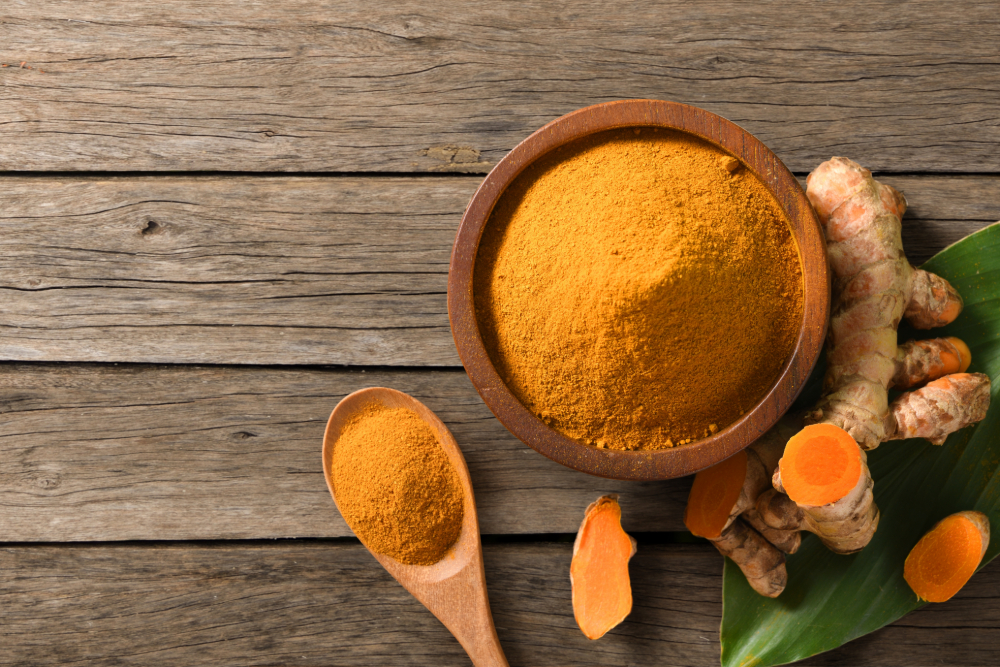
Turmeric contains the active compound curcumin.
A 2024 systematic review published in the Journal of Endometriosis and Pelvic Pain Disorders, which examined 17 studies, found that curcumin was associated with fewer menstrual cramps in some studies.
Magnesium is found in some products
Some of the drinks contain magnesium.
Research suggests that the mineral may help relieve menstrual cramps, but according to the American College of Obstetricians and Gynecologists, the evidence is not strong enough to support a recommendation.
Also read: Getting less deep sleep is tied to Alzheimer's
Vitamin B1 is being studied for cramps
Vitamin B1 is another ingredient that may be found in these products.
Research points to a possible effect on cramps, but here too, the evidence is not considered sufficient to support a recommendation, according to the American College of Obstetricians and Gynecologists.
Chamomile may affect stress and anxiety
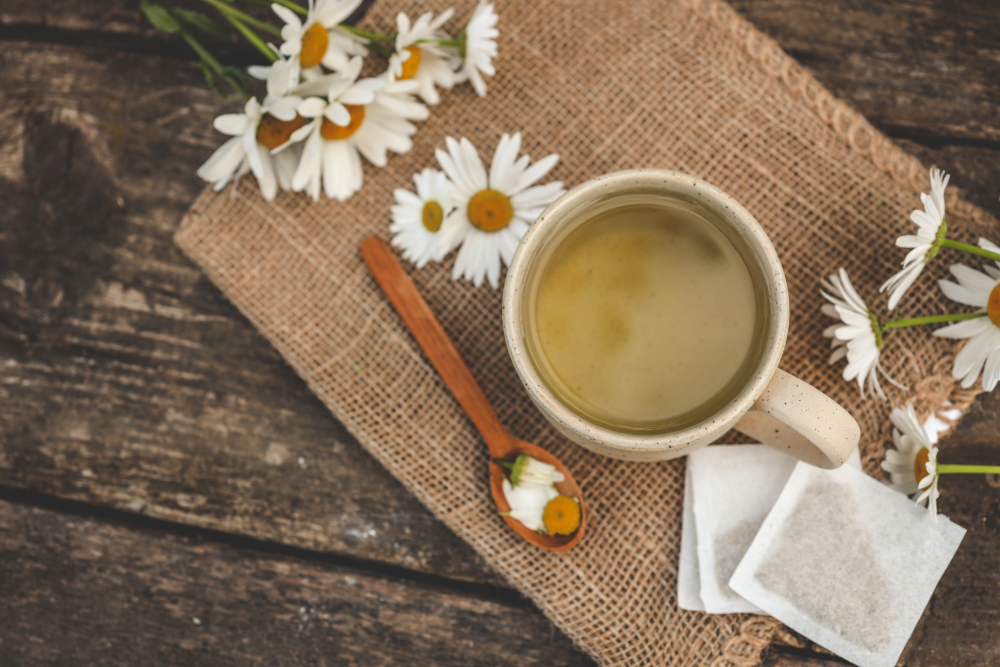
Chamomile is found in some of the drinks and may have a soothing effect on stress and anxiety, according to gynecologist David Ghozland, Health reports.
Lavender is associated with reduced anxiety
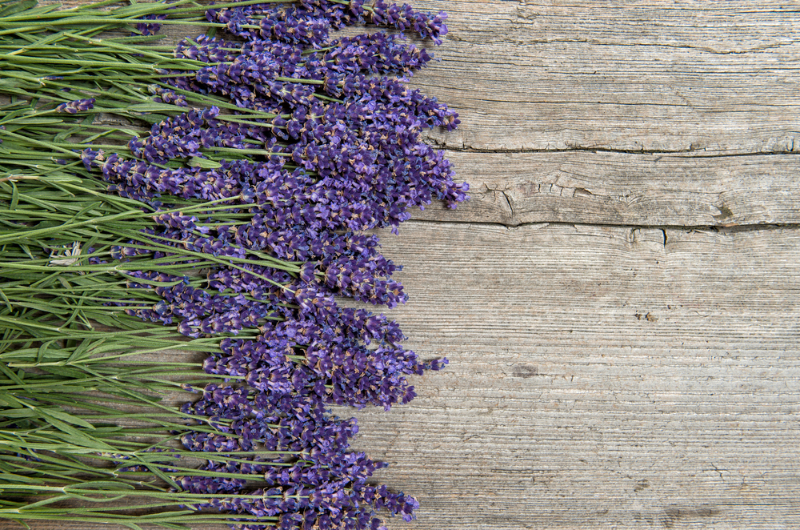
Lavender is also among the plants used in these products.
Also read: Your sleepless nights may be raising your stroke risk by 26 percent
According to David Ghozland, the plant may help reduce stress and anxiety.
Lemon balm has been studied
A study published in the International Journal of Women's Health and Reproduction Sciences found that high school students with premenstrual symptoms experienced less anxiety, depression and insomnia after taking 1,200 milligrams of lemon balm daily for three menstrual cycles compared with those who received a placebo.
The evidence is still limited
Although some individual ingredients have shown promising results, the overall scientific evidence supporting these drinks remains limited.
Several of the existing studies are relatively small or show only modest effects.
Also read: Beta-blockers after a heart attack may not help if your heart pumps normally
Natural does not necessarily mean safe
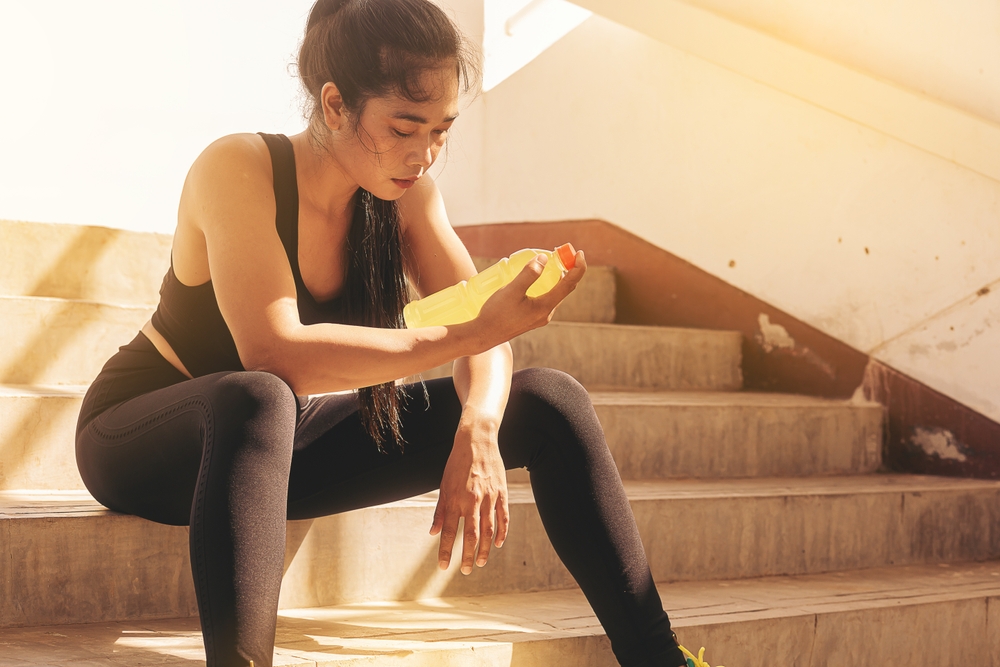
The fact that the ingredients come from plants does not automatically mean that the products are safe for everyone.
According to Health, experts therefore recommend speaking with a doctor before making these products a regular part of your routine.
Herbs can interact with medication
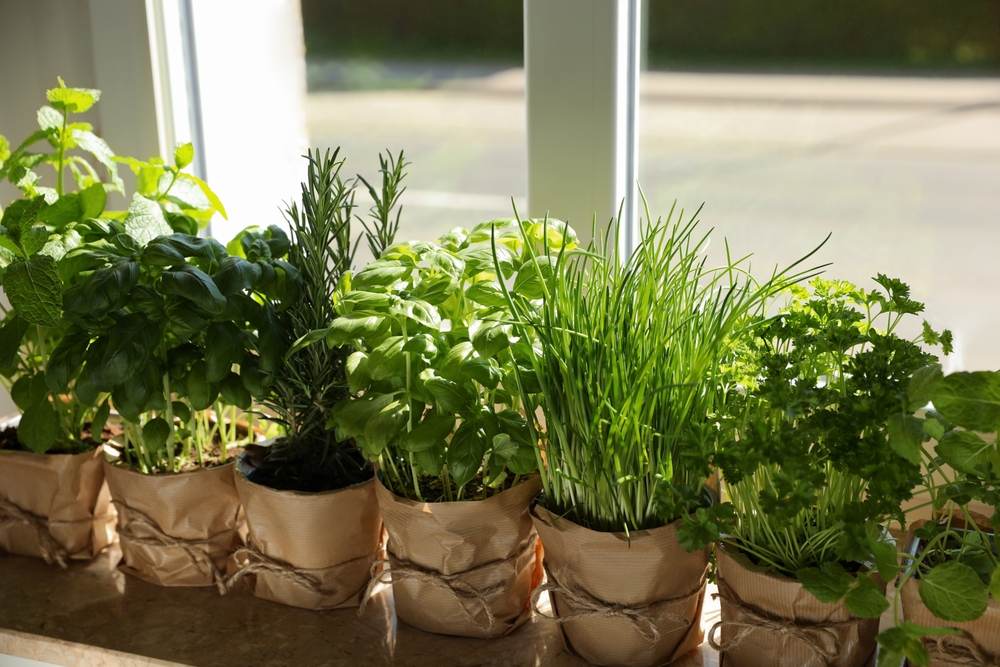
Several plant-based ingredients can interact with commonly used medications. These include hormonal contraceptives and blood-thinning medications.
Some ingredients may also worsen certain underlying conditions.
Also read: How almonds may affect your blood pressure if you eat them every day
Watch out for added sugar
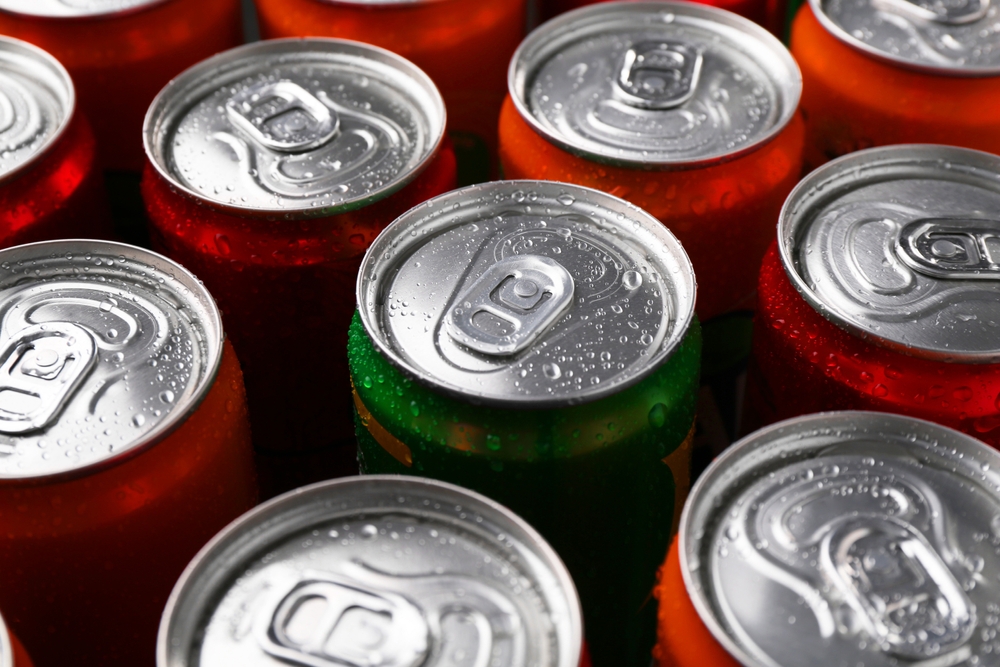
Some canned drinks may contain high amounts of added sugar or artificial sweeteners.
These could potentially worsen inflammation or bloating, thereby counteracting the intended effect.
Exercise may help

Regular exercise throughout the month may contribute to more stable hormone levels.
Physical activity is therefore highlighted as another option for managing menstrual symptoms.
Diet may play a role

A diet that includes fresh fruit and vegetables, oily fish, nuts, seeds, fermented foods, whole grains and legumes may help reduce symptoms over time, according to dietitian Melissa Groves Azzaro, Health reports.
There are other options for pain relief
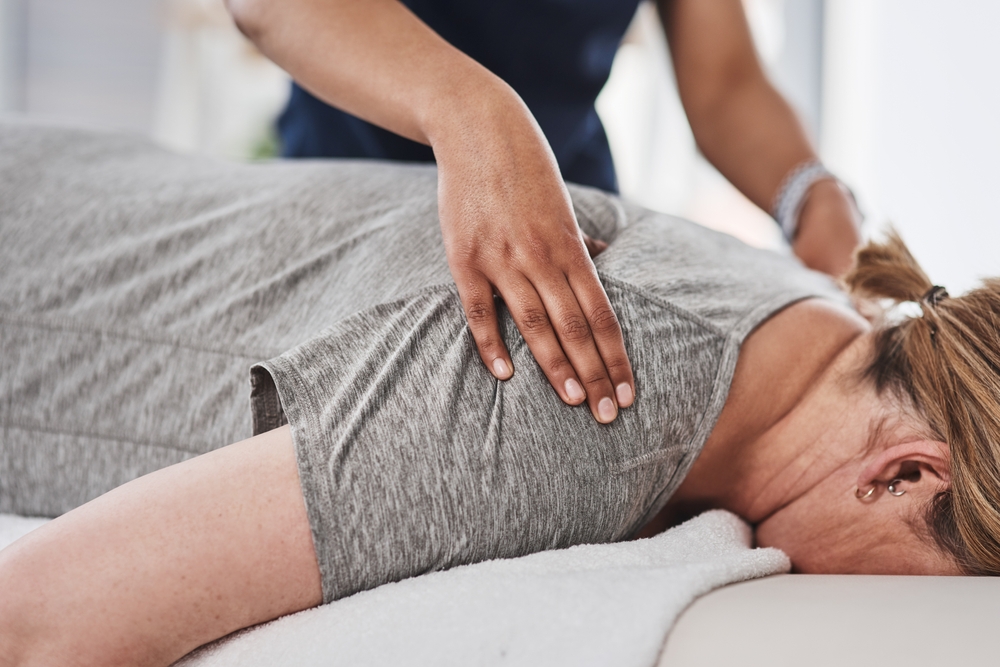
The American College of Obstetricians and Gynecologists points to acupuncture, acupressure, nerve stimulation and physical therapy, among other options, for painful periods.
Ibuprofen may reduce period pain
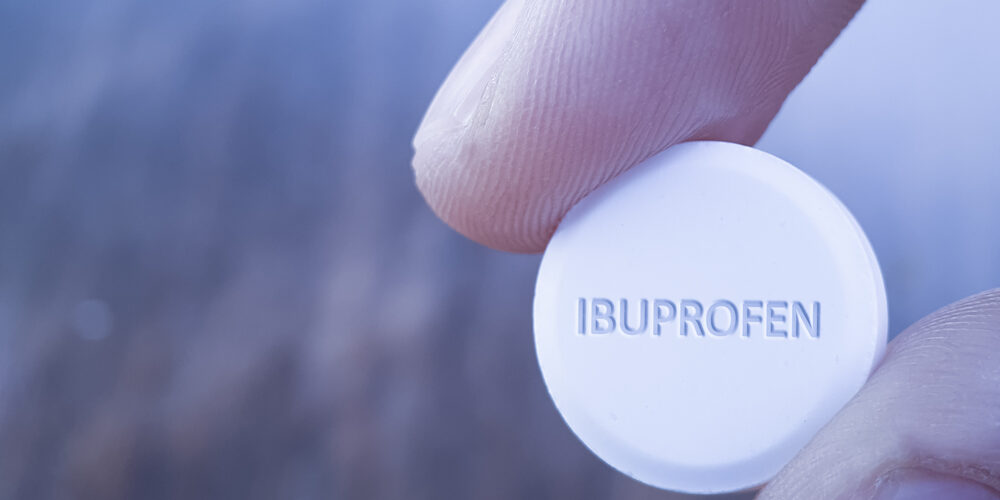
Over-the-counter medication such as ibuprofen may be an option for period pain.
However, the medication can cause side effects, including gastrointestinal bleeding and stomach ulcers.
This article is made and published by Ida-Marie Palm Varbæk, who may have used AI in the preparation.