
Small changes to your daily habits can make a difference to both your physical and mental health.
Diet, exercise, sleep and social relationships are some of the areas where research-based advice can be applied in everyday life, according to Healthline.
Use meditation to manage stress

Stress can be a natural part of everyday life, but having ways to cope with periods of increased pressure can be beneficial.
A study published in Clinical Psychology Review found that meditation may help lower stress levels and reduce anxiety.
Also read: New research: How much whole grain may benefit heart health
Eat fruit and vegetables

Fruit and vegetables contain fibre, vitamins, minerals and antioxidants, among other nutrients.
According to Healthline, people who eat more fruit and vegetables tend to live longer and have a lower risk of conditions including heart disease and obesity.
Strengthen your muscles

Strength training can make muscles stronger and improve body composition. This type of exercise may also improve insulin sensitivity.
Weights are not necessarily required, as bodyweight exercises and resistance bands can also be used.
Also read: Parkinson's may already be readable in your blood 20 years before diagnosis
Cut back on sugary drinks

Soft drinks, fruit juice and sweetened tea can be significant sources of added sugar.
A study published in Nature Medicine links sugary drinks to an increased risk of conditions including type 2 diabetes and heart disease.
Maintain your social relationships

Close relationships with friends, family and other people can play a role in both mental and physical health.
A study published in Behavioral Science & Policy found that people with close friends and family members are generally healthier and live longer.
Also read: Low-dose radiation kept knees healthier for 12 years, large trial finds
Use extra virgin olive oil

Extra virgin olive oil contains monounsaturated fatty acids and antioxidants with anti-inflammatory properties.
A 2025 review published in Biomolecules suggests that the oil may benefit heart health and reduce the risk of heart attacks and strokes.
Prioritise your sleep

Insufficient good-quality sleep can affect the body's sensitivity to insulin, appetite hormones, and physical and mental performance, among other things.
Sleep requirements vary from person to person and can change throughout life.
Also read: 1 in 7 young people diagnosed with type 2 diabetes may also have ADHD
Limit refined carbohydrates
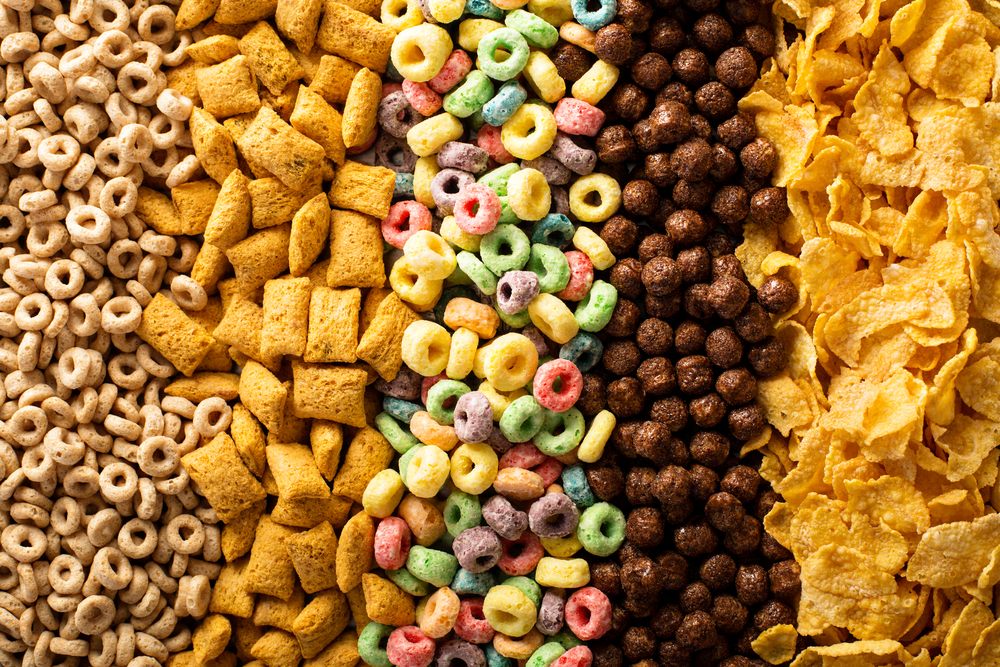
Refined carbohydrates have been processed in a way that removes their fibre.
A high intake may be associated with overeating, weight gain and chronic conditions such as type 2 diabetes and heart disease.
Eat fatty fish

Fatty fish such as salmon contain protein, healthy fats and omega-3 fatty acids.
A study published in Frontiers in Nutrition found that people who regularly eat fish have a lower risk of conditions including heart disease, dementia and inflammatory bowel disease.
Also read: These drinks claim to ease period pain
Drink enough fluids

Getting enough fluids helps the body function optimally and maintain an appropriate blood volume.
There is no specific daily amount that is suitable for everyone. Healthline therefore recommends drinking enough to satisfy your thirst.
Pay attention to vitamin D

Vitamin D is important for bones and muscles, among other things, and also plays a role in the immune system.
Healthline recommends having your levels checked if possible so that any deficiency can be addressed.
Limit ultra-processed foods

Ultra-processed foods often contain added sugar, refined oils, salt and various additives, among other ingredients.
A high intake is associated with conditions including obesity, type 2 diabetes and heart disease.
Exercise regularly

Cardiovascular exercise can have positive effects on both physical and mental health. Among other benefits, it can help reduce fat around the organs.
US guidelines recommend at least 150 minutes of moderate-intensity activity per week.
Eat nuts and seeds

Although nuts are high in fat, nuts and seeds also contain protein, fibre, and various vitamins and minerals.
A 2023 review published in Foods found that nuts may be associated with a lower risk of type 2 diabetes and heart disease.
Avoid bright light before bedtime

Bright light in the evening can affect the body's production of the sleep hormone melatonin.
This includes light from digital screens. Healthline recommends avoiding screens for 30 minutes to an hour before bedtime.
Get enough protein

Protein provides the building blocks the body needs to produce new cells and tissues.
A high protein intake may also increase feelings of fullness and reduce the desire for late-night snacks.
Limit added sugar

Added sugar is found in many modern foods and drinks.
A high intake is associated with conditions including obesity, type 2 diabetes and heart disease, so it is advisable to be mindful of products containing added sugar.
This article is made and published by Ida-Marie Palm Varbæk, who may have used AI in the preparation.