
Acne does not only affect teenagers but can also be a problem in adulthood.
A large British study published in the Journal of the European Academy of Dermatology and Venereology suggests that diet may be associated with the risk of acne.
However, the researchers stress that the study cannot prove cause and effect, according to The Sun.
More than 228,000 people took part
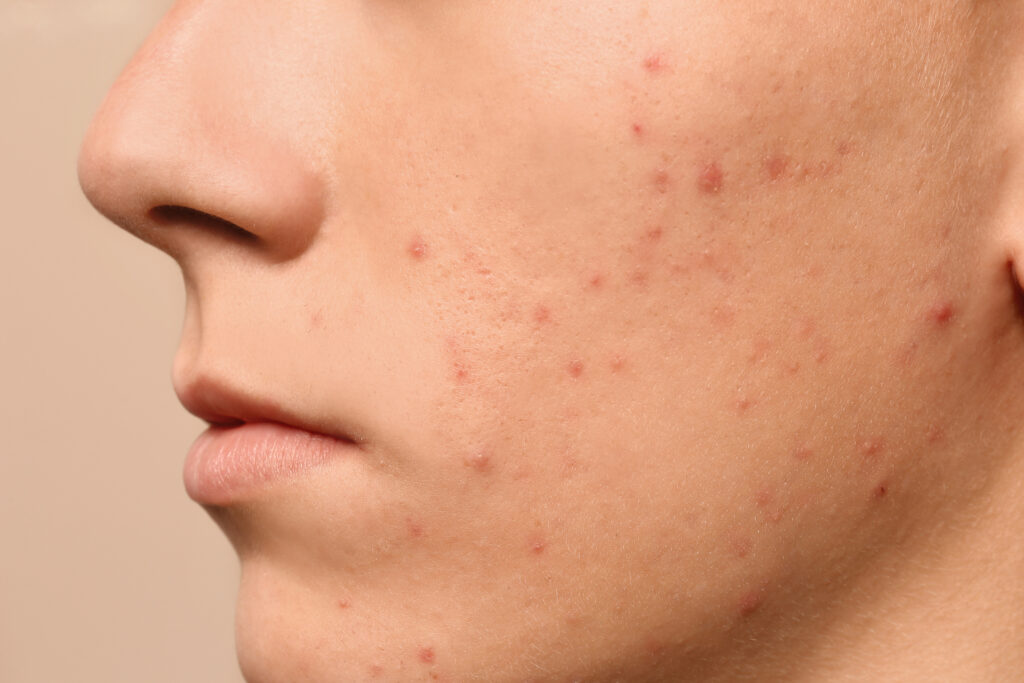
The study was based on data from 228,757 participants in the UK Biobank.
Also read: Your gut makes a compound from pomegranates that may help the heart failure drugs can't treat
Participants were asked about their diet and skin, including whether they had acne.
Mediterranean diet
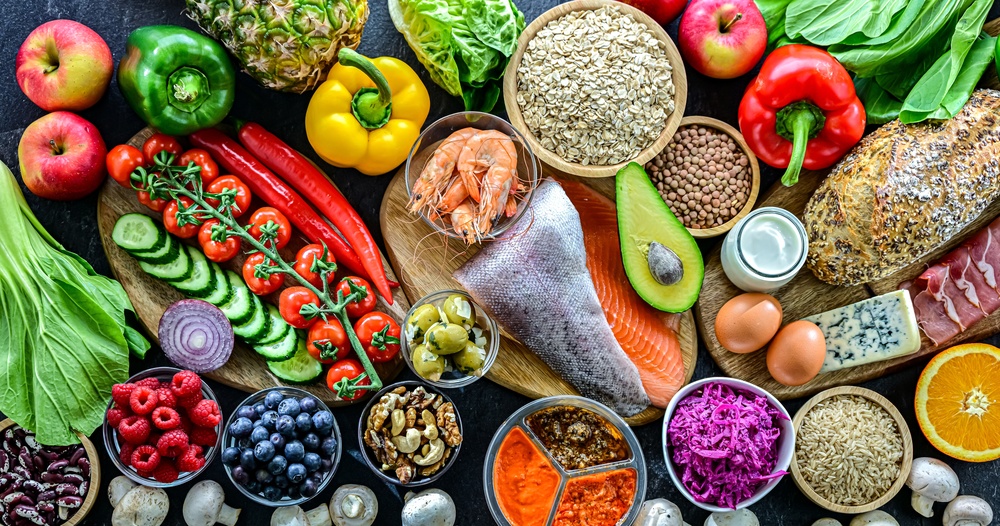
Adults who followed the principles of a Mediterranean diet were less likely to report acne.
This type of diet includes plenty of vegetables, fruit, whole grains, nuts, seeds and healthy fats.
The association was strongest among women
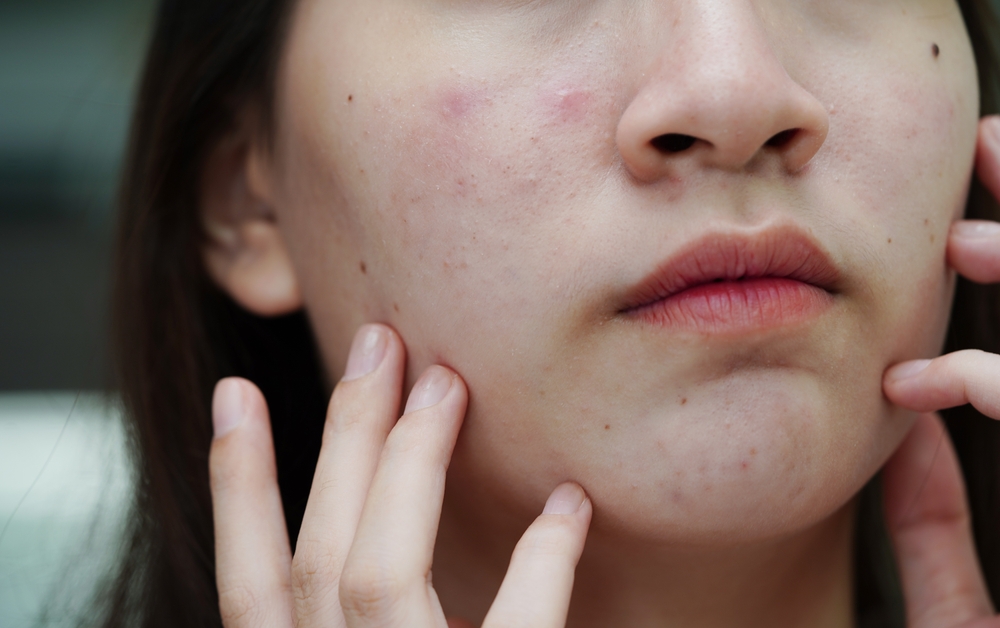
The researchers found that the association between a Mediterranean diet and less acne was particularly evident among women.
Also read: A hidden sugar in red meat may raise your type 2 diabetes risk by 63 percent
The findings also suggest that diet may be associated with acne differently in men and women.
Skimmed milk
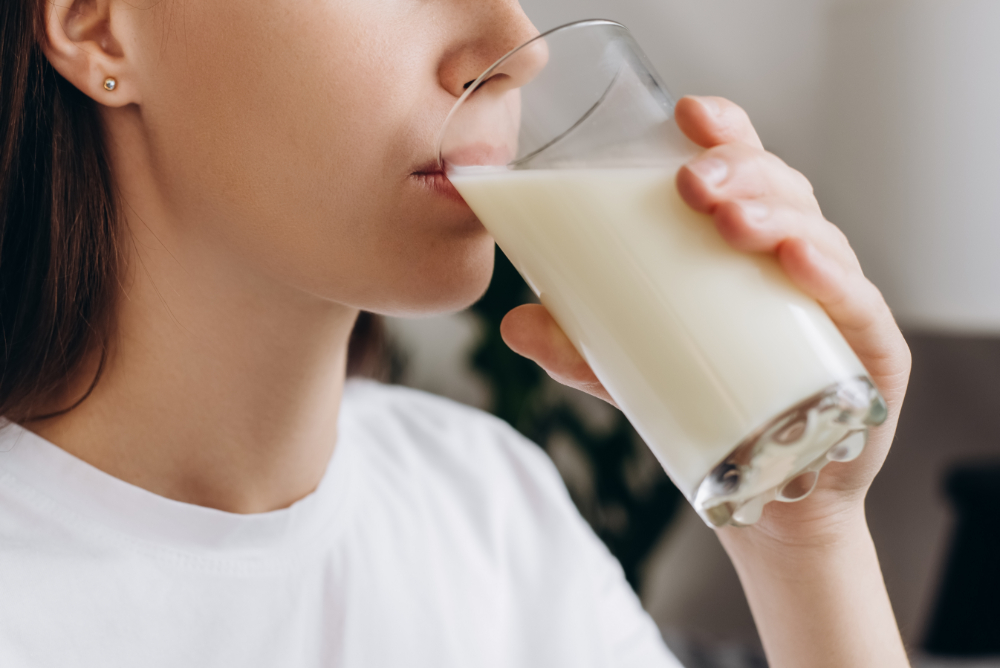
Not all dairy products showed the same association with skin health.
Skimmed milk was among the foods linked to a higher likelihood of acne in the study.
Yoghurt
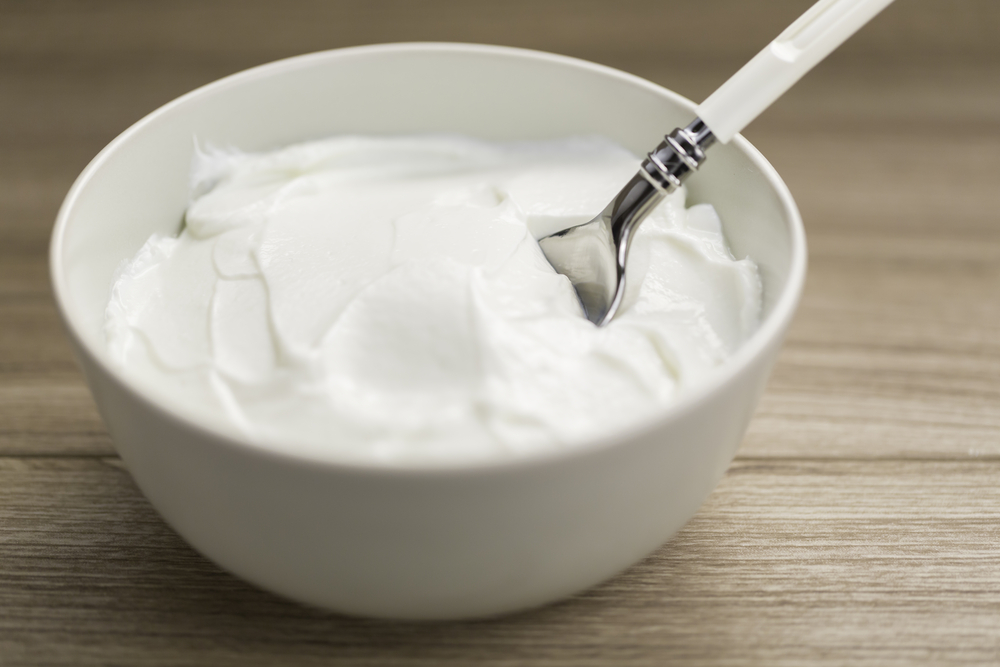
Yoghurt, on the other hand, was associated with a lower likelihood of acne among adults.
Also read: New analysis: People with lower BMI may also benefit from GLP-1 drugs
The researchers therefore suggest that dairy products should not be treated as a single food group when examining their association with acne.
Cheese

Like yoghurt, cheese was associated with less acne.
The researchers suggest that fermentation may help explain why different dairy products show different results.
Milk-based desserts

Creamy milk-based desserts were associated with a greater likelihood of acne.
Also read: Getting the RSV vaccine while pregnant may protect your newborn by up to 89%
Along with skimmed milk, they were among the foods that showed a less favourable pattern.
Cooked vegetables

According to the study, people who ate cooked vegetables had a lower likelihood of reporting acne.
Vegetables also play a central role in the Mediterranean diet, which overall was associated with better skin.
Fatty and sugary foods

The study found an association between diets high in fat and sugar and a greater likelihood of acne.
Also read: These habits can make your everyday life healthier
However, the researchers emphasise that the overall dietary pattern appears to be important.
Meat-based diets

Among men, popular animal-based diets, which typically contain large amounts of meat and fewer carbohydrates, were associated with a higher likelihood of acne.
Pork stood out

The researchers also examined individual foods. Among men, pork was specifically associated with a greater likelihood of acne.
Acne can continue into adulthood
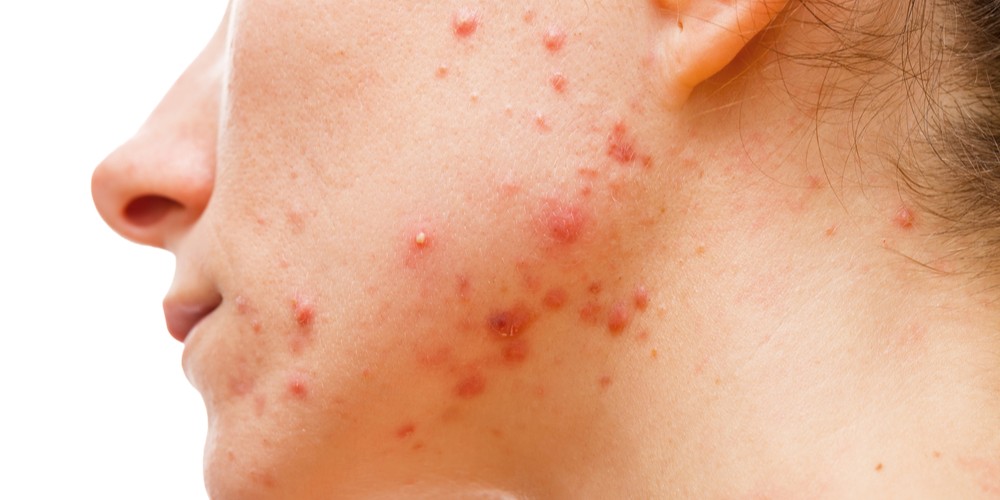
Acne is an inflammatory skin condition that can cause blackheads, pus-filled spots and painful lumps on the face, neck, back and chest.
The condition often develops during puberty but can persist or first develop later in adulthood.
Overall diet may play a role
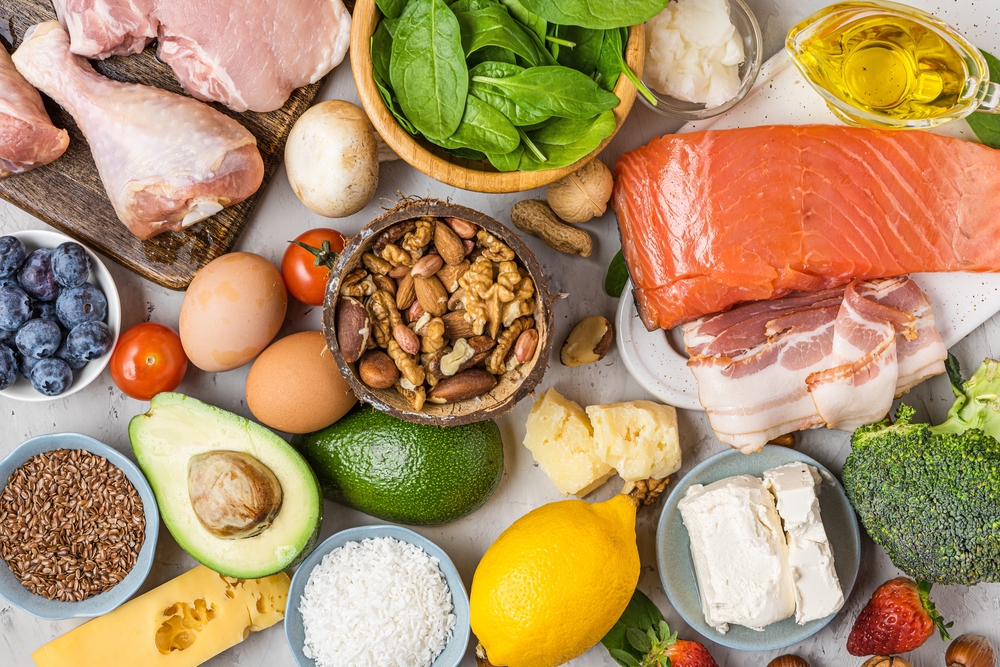
The findings suggest that the overall quality of a person's diet is associated with the prevalence of acne among adults.
People with acne generally had less healthy eating habits, but the researchers stress that the relationship is not as simple as merely avoiding dairy products or sugar.
Researchers cannot establish the cause

The study identifies associations but cannot demonstrate that specific foods directly cause or prevent acne.
The researchers are therefore calling for clinical trials to investigate whether dietary changes can actually prevent or improve acne.
This article is made and published by Ida-Marie Palm Varbæk, who may have used AI in the preparation.