
Exercise can help lower blood pressure, but some forms of physical activity appear to be more effective than others.
A new study suggests that both the structure and duration of exercise may play an important role, according to Health.
High blood pressure increases the risk of heart disease
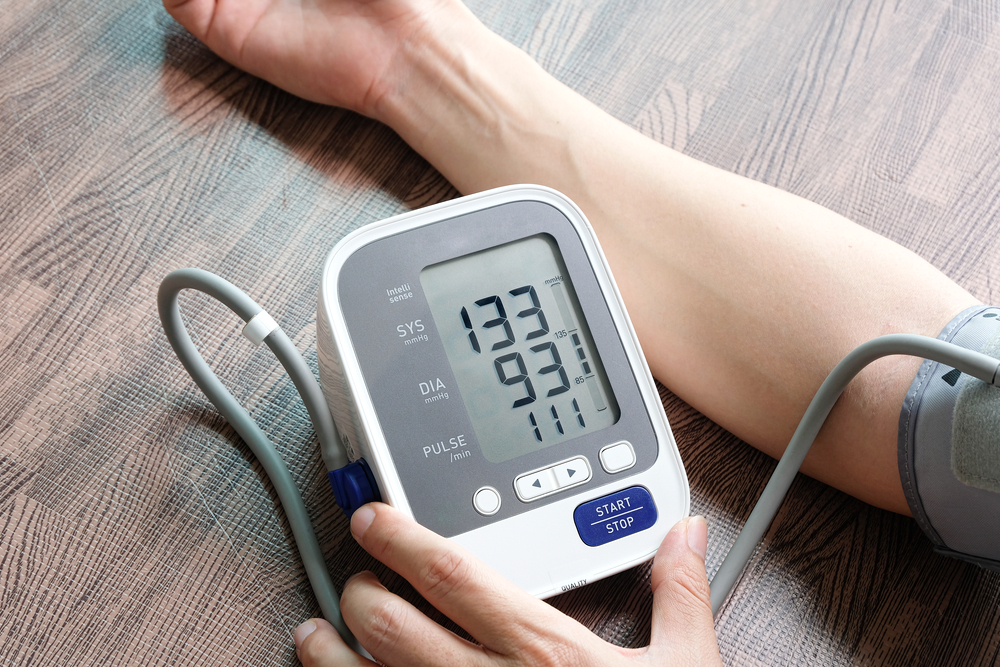
High blood pressure is a widespread health problem.
In the United States, it affects between 30% and 50% of middle-aged adults and is a major risk factor for heart disease, according to the CDC.
Also read: Loneliness may cost men nearly 6 healthy years, and lifestyle changes may not fix it
Consistency is more important than intensity

According to cardiologist Jason V. Tso, exercising regularly is more important than pushing yourself through extremely intense workouts.
Maintaining a consistent exercise routine may therefore be an effective way to keep blood pressure under control.
Researchers reviewed 159 studies

A new systematic review published in Sports Medicine analyzed findings from 159 previous studies.
The research included nearly 11,000 adults, with the average age of participants in each study being at least 45.
Also read: A daily handful of peanuts may help older brains respond to insulin again
More exercise does not necessarily mean greater benefits
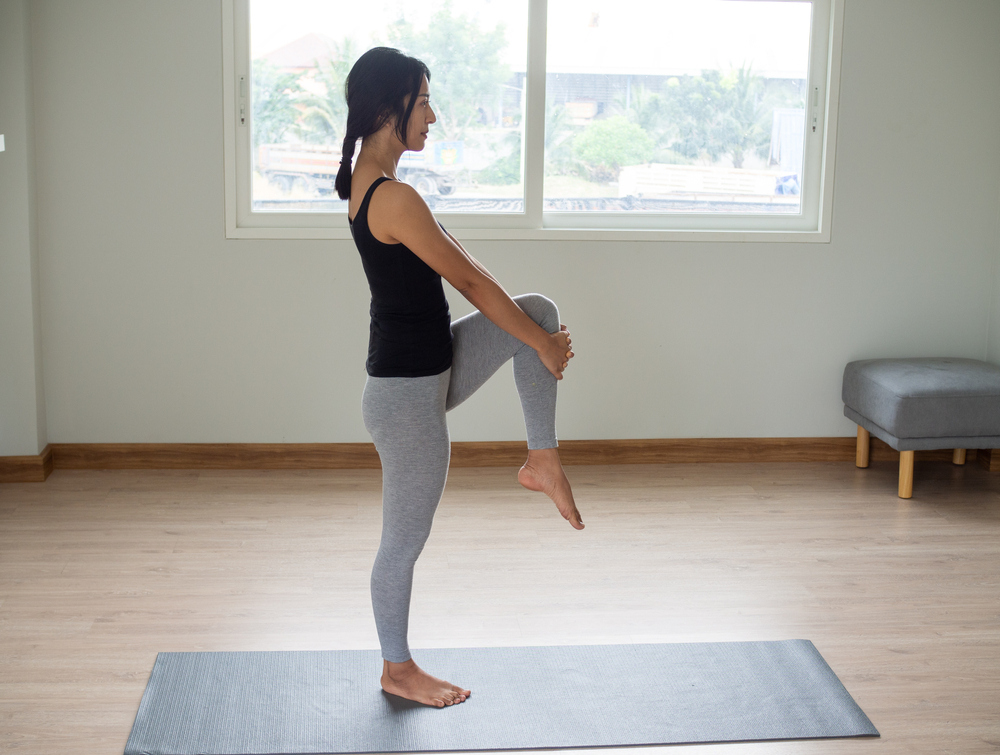
The researchers found that blood pressure generally improved as exercise volume increased, but only up to a certain point.
Beyond that level, the benefits appeared to plateau.
Aerobic exercise offers benefits on its own

Activities such as walking, cycling, and running can help lower blood pressure.
According to the researchers and experts commenting on the findings, aerobic exercise has a positive effect on blood pressure even when performed without strength training.
Also read: For the first time in decades, US health officials now say you should eat full-fat dairy
Start with shorter workouts

People who are not accustomed to regular exercise should start gradually.
This could involve covering shorter distances or lifting lighter weights before gradually increasing their exercise volume.
Strength training can also lower blood pressure

Weight training, like aerobic exercise, has an independent effect on blood pressure.
Including strength exercises in a weekly workout routine may therefore be beneficial.
Also read: Women feel more pain at nearly every body site compared to men
Around 300 minutes of moderate exercise per week

The study found that the benefits of exercise increased up to approximately 1,200 MET-minutes per week.
This is roughly equivalent to 300 minutes of moderate-intensity exercise or 150 minutes of vigorous exercise.
Workout structure may make a difference

The findings suggest that the specific exercises performed are not the only important factor.
How different types of exercise are combined and organized may also influence blood pressure.
Also read: Pre-workout powder recalled for a banned stimulant linked to heart attacks
Variety can make exercise more manageable

Alternating between different exercises can make workouts more interesting and manageable.
This may be particularly beneficial for older adults who find repetitive movements difficult or monotonous.
People with heart disease should exercise with caution

People who already have cardiovascular disease should adapt their exercise routines to their health status.
For those with serious medical conditions, experts recommend consulting a doctor before starting a new exercise program.
Combined exercise produced promising results

One of the most effective approaches identified in the analysis was a combination of aerobic exercise and strength training.
This could involve activities such as walking or cycling followed by exercises using weights.
Circuit training required less exercise

The researchers found that circuit training reached its maximum blood pressure-lowering effect at approximately 580 MET-minutes per week.
This was a lower exercise volume than the level at which the overall benefits of physical activity generally appeared to plateau.
The findings should be interpreted with caution

The researchers emphasized that several of the studies included in the analysis had methodological limitations.
Information about participants' medication use was not consistently recorded, and the strength of the evidence varied between exercise types.
Further research is therefore needed before determining which type of exercise is best for everyone.
The greatest effect

Circuit training was the exercise method associated with the largest reductions in both systolic and diastolic blood pressure.
This approach involves alternating between aerobic activities and strength exercises with relatively short rest periods.
According to the researchers, this combination may be particularly effective because it provides the benefits of both forms of exercise.
This article is made and published by Ida-Marie Palm Varbæk, who may have used AI in the preparation.