
Spending long hours sitting can affect your muscles, joints, and overall health.
According to physiotherapists, several simple exercises can help reduce some of the negative effects and improve mobility, reports Parade.
Stretch your hamstrings

Sitting for extended periods can cause the muscles at the back of your thighs to become tight.
According to physiotherapist Lara Heimann, this can affect pelvic alignment and contribute to back pain. Stretching can help improve mobility.
Also read: 8 everyday foods that could be quietly raising your kidney stone risk
Squeeze your shoulder blades together

Sit or stand with your back straight and your elbows bent at a 90-degree angle. Then gently pull your shoulder blades back and down.
Hold the position for approximately 10 seconds, relax, and repeat the exercise 10 times.
Take regular movement breaks

According to physiotherapist Randy Karim, moving for three to five minutes after every 45 to 60 minutes of sitting can be beneficial.
Short movement breaks can help counteract some of the effects of prolonged inactivity.
Also read: Poor sleep quality linked to 65% higher risk of fatty liver disease, new research shows
Improve spinal mobility
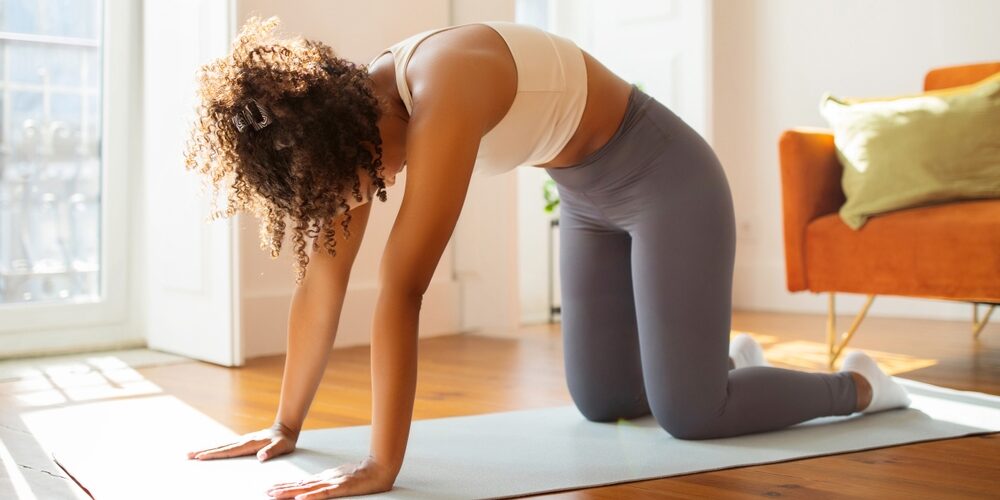
The cat-cow exercise can help improve mobility throughout the spine.
Get on your hands and knees, then slowly alternate between arching your back downwards and rounding it towards the ceiling. Repeat the movement for 8 to 10 slow breathing cycles.
Move your spine in both directions
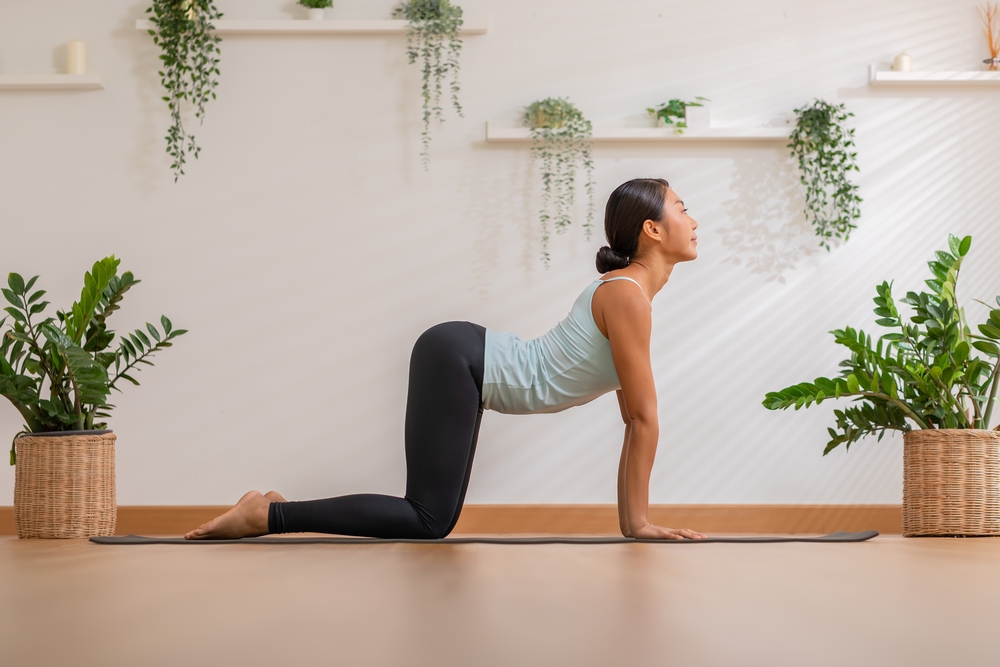
During the cat-cow exercise, begin by lowering your abdomen and lifting your chest and tailbone as you inhale.
As you exhale, round your back towards the ceiling and tuck your chin towards your chest. This movement engages several areas of the spine.
Also read: What science says about eating one clove of garlic daily
Adapt the exercises to your body

If you have sensitive wrists, you can perform the cat-cow exercise while resting on your forearms or sitting in a chair.
If the stair stretch feels too intense, try placing your foot on the first or second step instead.
Stretch your hips using stairs
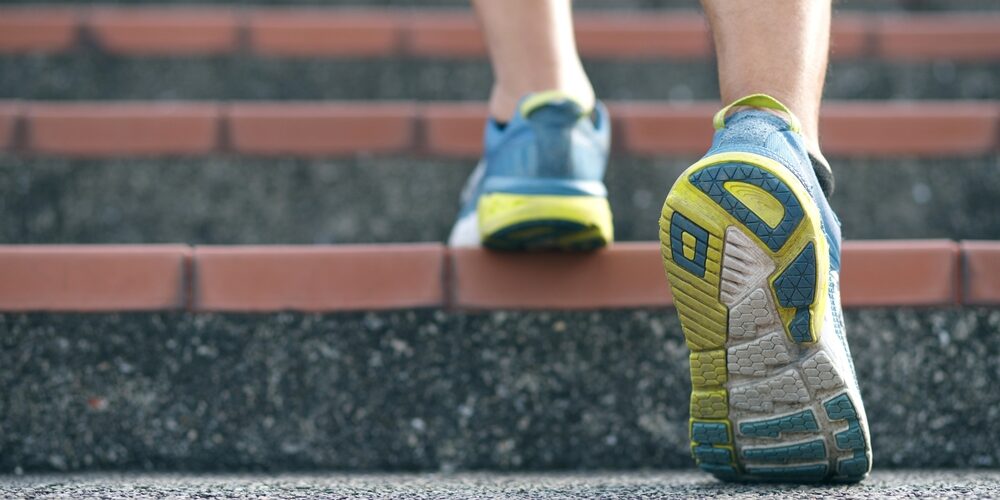
Find a staircase with a handrail for support. Place one foot on the third step while keeping the other foot on the floor.
Lean forwards until you feel a stretch around your hip. Hold the position for 30 to 45 seconds, then switch legs.
Also read: They were legally blind: New treatment is helping them see again
Strengthen the muscles around your shoulders

Spending long hours in front of a computer can affect the muscles surrounding your shoulder blades.
According to physiotherapist Joseph Hribick, exercises that activate these muscles can help improve posture and reduce neck discomfort.
Perform back extensions using a chair

Sit on a sturdy chair with your feet flat on the floor. Place your hands behind your head or cross your arms over your chest, then gently lean your upper back over the chair's backrest.
Hold the position for 10 seconds and repeat 10 times.
Also read: Do eggs actually raise your cholesterol? Here is what the evidence says
Improve upper back mobility

Prolonged sitting can cause stiffness in the upper back and affect the neck and shoulders.
Leaning backwards over the backrest of a chair can help improve mobility in this area without requiring special equipment.
Avoid pushing your body too hard

The exercises should be performed slowly and with control. If you experience discomfort in your neck or shoulders while squeezing your shoulder blades together, reduce the range of motion.
It is important not to force your body into a particular position.
Use your breathing while stretching
When stretching your hips on the stairs, Randy Karim recommends breathing slowly and deeply.
Inhale through your nose for three seconds, then exhale through your mouth for five seconds.
Repeat the exercises throughout the day

According to Joseph Hribick, spreading short exercises throughout the day is better than completing one long stretching session and then remaining seated for several hours.
As a general guideline, he suggests performing short exercises once or twice a day in addition to your regular exercise routine.
Pay attention to pain

Mild muscle soreness does not necessarily mean you should stop moving.
However, if an exercise causes severe pain, dizziness, numbness, tingling, or balance problems, you should stop.
Be aware of the consequences of excessive sitting

According to Randy Karim, years of a sedentary lifestyle can affect blood circulation, lung capacity, bone density, and muscle function.
Physical inactivity is also associated with an increased risk of conditions such as high blood pressure, diabetes, and cardiovascular disease. This is why physiotherapists emphasise the importance of regular movement.
This article is made and published by Ida-Marie Palm Varbæk, who may have used AI in the preparation.