
Heart disease remains the leading cause of death in the United States, and most of what drives it is not genetic bad luck.
The National Heart, Lung, and Blood Institute identifies the main modifiable drivers of coronary heart disease. The cluster includes smoking, poor diet, inactivity, poor sleep and chronic stress.
In 2022 the American Heart Association formalized this in its Life's Essential 8 framework. The eight pillars are diet, physical activity, nicotine exposure, sleep health, body mass index, blood lipids, blood glucose and blood pressure.
The habits below each sit under one or more of those pillars, and most are things you do without thinking.
Also read: Butter and cheese may not be as unhealthy as we thought, new research suggests
1. Lighting Up, Even Just a Few a Day

Cigarette smoking is responsible for about one in every four US deaths from cardiovascular disease, according to the Centers for Disease Control and Prevention. It raises the risk of coronary heart disease by two to four times.
Even people who smoke fewer than five cigarettes a day show early signs of cardiovascular disease. Secondhand smoke adds another 25 to 30 percent to the risk for nonsmokers who live or work around smoke.
2. Sitting for Hours Without a Break

US adults spend six to eight hours a day sedentary, and adults over 60 spend between 8.5 and 9.6 hours sitting, according to a scientific statement from the American Heart Association.
The AHA reports that sedentary time, independent of exercise, is linked to higher cardiovascular disease risk, impaired insulin sensitivity and higher all-cause mortality. In practice, that means even a daily workout does not fully undo an eight-hour desk day.
Also read: These signs of bowel cancer can easily be mistaken for common stomach problems
3. Over-Salting Everything
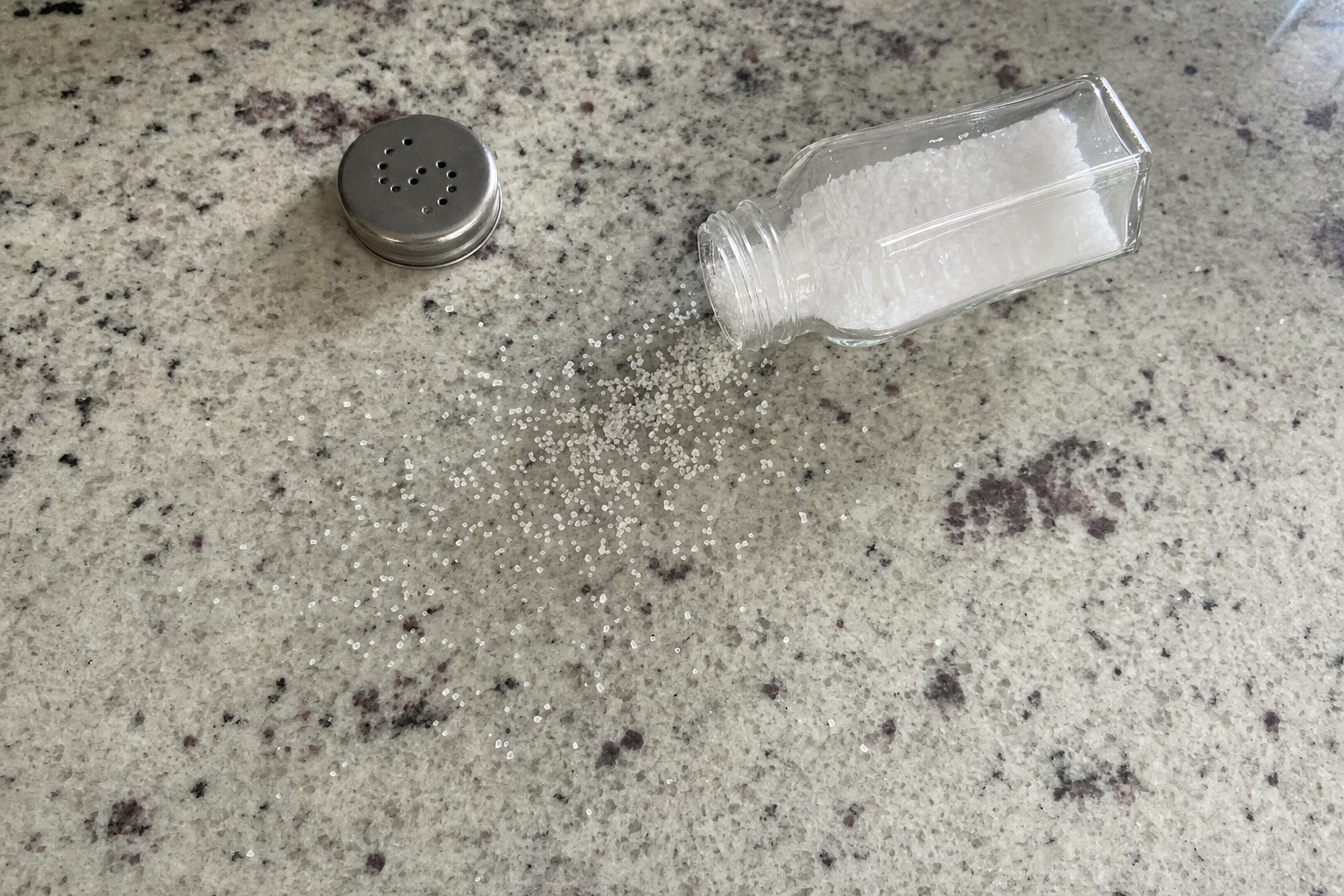
Americans consume more than 3,300 milligrams of sodium a day on average, according to the Centers for Disease Control and Prevention. That is well above the federal recommendation of less than 2,300 milligrams for teens and adults.
"Eating too much sodium can increase your blood pressure and your risk for heart disease and stroke," the agency states. Most of that sodium does not come from the salt shaker but from packaged foods, bread and restaurant meals.
4. Skipping the Weekly 150 Minutes of Movement

Getting at least 150 minutes a week of moderate physical activity lowers the risk for both heart disease and stroke, the CDC states. The NHLBI notes that physical inactivity worsens cholesterol, triglycerides, blood pressure, blood glucose and body weight all at once.
The AHA includes physical activity as one of the eight pillars of its cardiovascular health score. Walking briskly, cycling or gardening count toward the weekly target.
Also read: A Mayo Clinic AI may predict your pancreatic cancer risk up to 5 years before symptoms
5. Letting Chronic Stress Run Unchecked

Chronic stress keeps cortisol and other stress hormones elevated, and the American Heart Association treats it as an independent cardiovascular risk factor.
The NHLBI adds that stress can cause arteries to tighten and can indirectly raise heart disease risk by pushing people toward smoking, overeating or inactivity. The AHA is now funding a $15 million project specifically to map how chronic stress damages the heart.
6. Routinely Getting Less Than Seven Hours of Sleep

Sleep health is the eighth metric the AHA added to its cardiovascular framework in 2022, alongside diet, activity, nicotine, BMI, cholesterol, blood sugar and blood pressure.
"Not getting enough quality sleep, including waking up often throughout the night, may raise your risk of coronary heart disease," the NHLBI states. The target the AHA uses is roughly seven to nine hours a night for adults.
Also read: WHO reveal official guidelines for Ebola and Marburg diseases
7. Binge Drinking on the Weekend

The American Heart Association's 2025 scientific statement on alcohol and cardiovascular disease reports that binge drinking or averaging three or more drinks a day is consistently linked to worse outcomes.
Those outcomes span hypertension, coronary artery disease, stroke, arrhythmias and heart failure.
The American College of Cardiology notes that women who binge drink have a 68 percent higher risk of developing heart disease, compared with a 33 percent increase for men. Even young adults aged 18 to 30 who binge drink show early arterial stiffness and coronary calcification.
8. Living on Fried and Ultra-Processed Food

The NHLBI states that unhealthy eating patterns, including a lot of saturated fats and refined carbohydrates, drive weight gain, high cholesterol and plaque buildup in the arteries.
Also read: Marburg kills about half the people it infects. Two vaccines are now being tested
Trans fats are the clearest offender: they raise LDL cholesterol while lowering HDL. That is why the US Food and Drug Administration banned partially hydrogenated oils in processed foods by June 2018.
Fried fast food, packaged snacks and some margarines and coffee creamers remain the typical sources where traces linger.
9. Neglecting Your Teeth and Gums
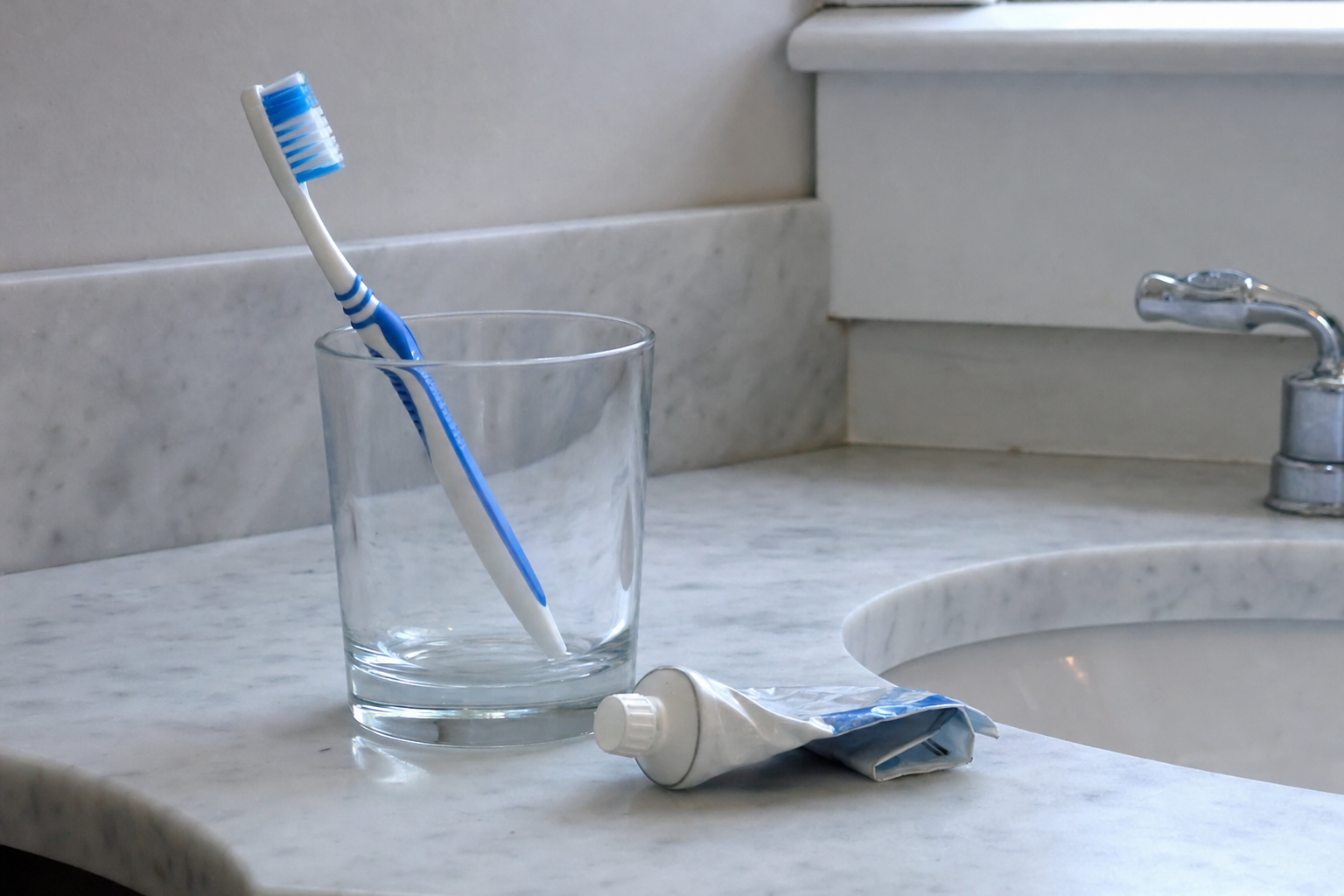
A 2025 scientific statement from the American Heart Association published in Circulation addresses the link between periodontal disease and atherosclerotic cardiovascular disease.
The association with heart attack, stroke and heart failure is stronger than previously recognized, the statement concludes.
Bacteria from inflamed gums can enter the bloodstream, fueling systemic inflammation and endothelial dysfunction that contribute to atherosclerotic plaque. The AHA notes that treating gum disease improves intermediate risk markers associated with cardiovascular disease.
10. Spending Most Days Alone

About one in three US adults report feeling lonely and about one in four report lacking social and emotional support, according to the Centers for Disease Control and Prevention.
The agency lists heart disease and stroke among the conditions linked to social isolation and loneliness. The American Heart Association reported in 2022 that both can damage heart and brain health.
Isolation also feeds the other items on this list: it is associated with less activity, poorer diet and worse sleep.
11. Drinking Your Sugar Every Day

The American Heart Association recommends no more than six teaspoons of added sugars a day for women and nine for men.
In a prospective US cohort published in JAMA Internal Medicine, adults who got 10 to 25 percent of their calories from added sugar had a 30 percent higher risk of dying from cardiovascular disease.
Those getting 25 percent or more had a 2.75-fold higher risk, compared with people below 10 percent.
Sugar-sweetened beverages are the single biggest contributor in the US diet.
12. Never Taking Your Own Blood Pressure
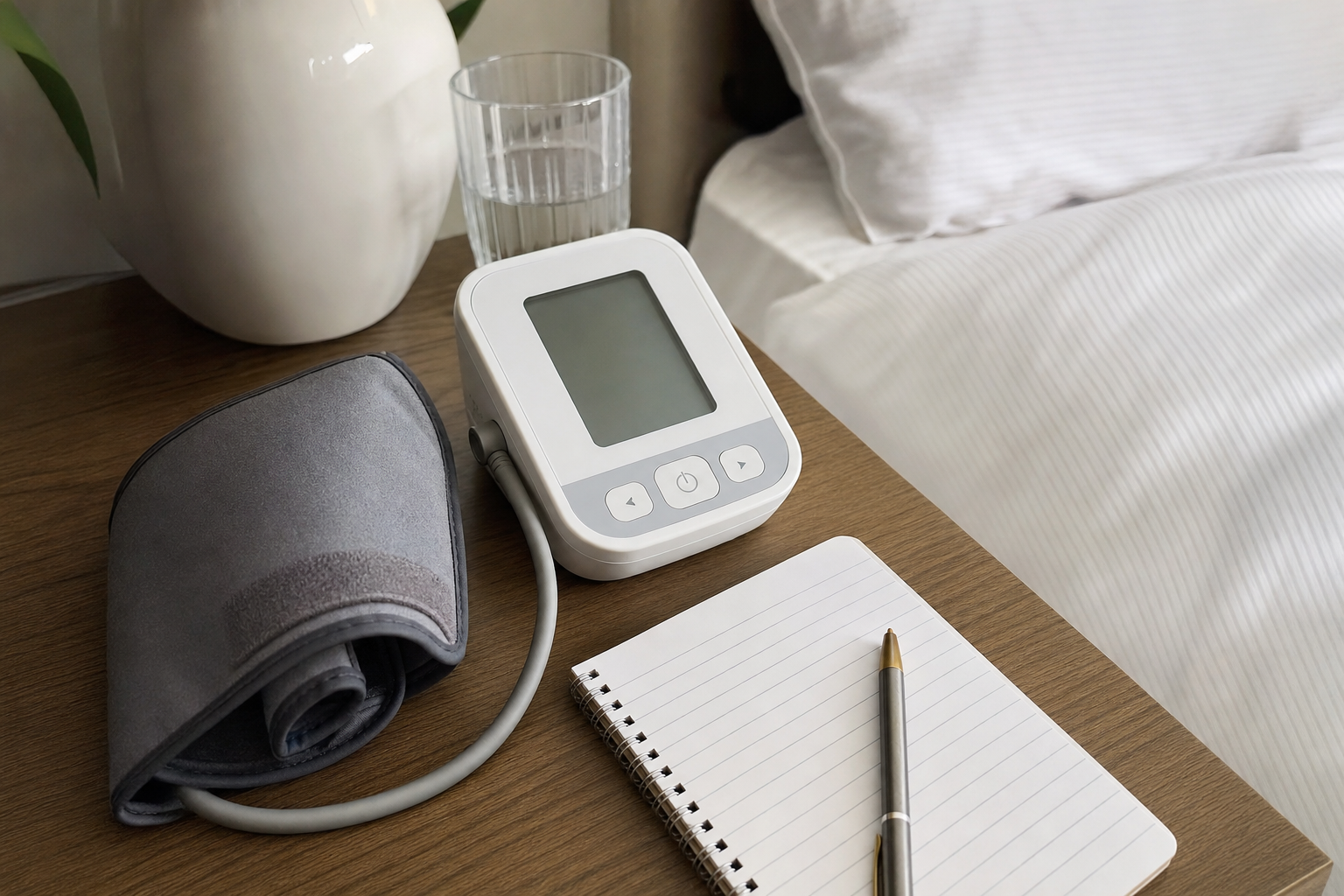
The 2025 AHA/ACC hypertension guideline strengthens the role of home blood pressure monitoring for both diagnosing hypertension and ongoing management. It warns against relying on cuffless devices such as smartwatches for accurate readings.
High blood pressure often causes no symptoms, which is why the guideline treats regular out-of-office measurement as a core preventive step. A validated upper-arm cuff used on a consistent schedule flags problems years before a cardiac event.
This article is made and published by Aksel Kryhlmand, who may have used AI in the preparation.