
Honey does much more than simply add sweetness to food and drinks.
According to experts interviewed by Real Simple, honey contains a range of compounds that may benefit the body, particularly during the colder months.
Here are some of its most important benefits and how to make the most of them.
Honey contains antioxidants
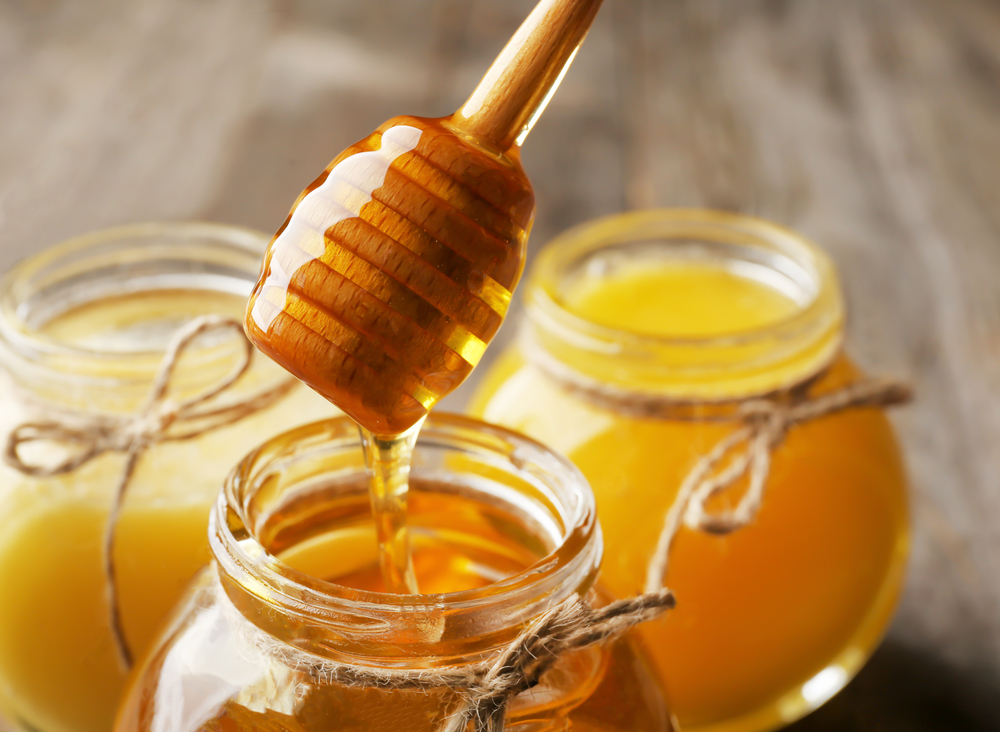
Honey is rich in antioxidants, which help protect the body's cells from damage.
Also read: The unseen damage a lack of deep sleep does to your synapses
Among the most important are flavonoids, phenolic acids, and vitamin C, which help neutralize harmful free radicals.
Dark honey may be a better choice

The color of honey can provide clues about its beneficial compounds. Darker varieties generally contain more antioxidants than lighter ones.
May support the immune system

According to public health expert Jennifer Dunphy, who holds a doctorate in public health as well as master's degrees in business administration and public health, some studies suggest that honey may influence immune system function and potentially help the body defend against infections.
Has antibacterial properties

Honey contains compounds with antimicrobial properties that can inhibit or combat certain disease-causing microorganisms.
Also read: New study: The exercise you get as a child may change your body for life
This is one reason honey is associated with health benefits.
May help reduce inflammation
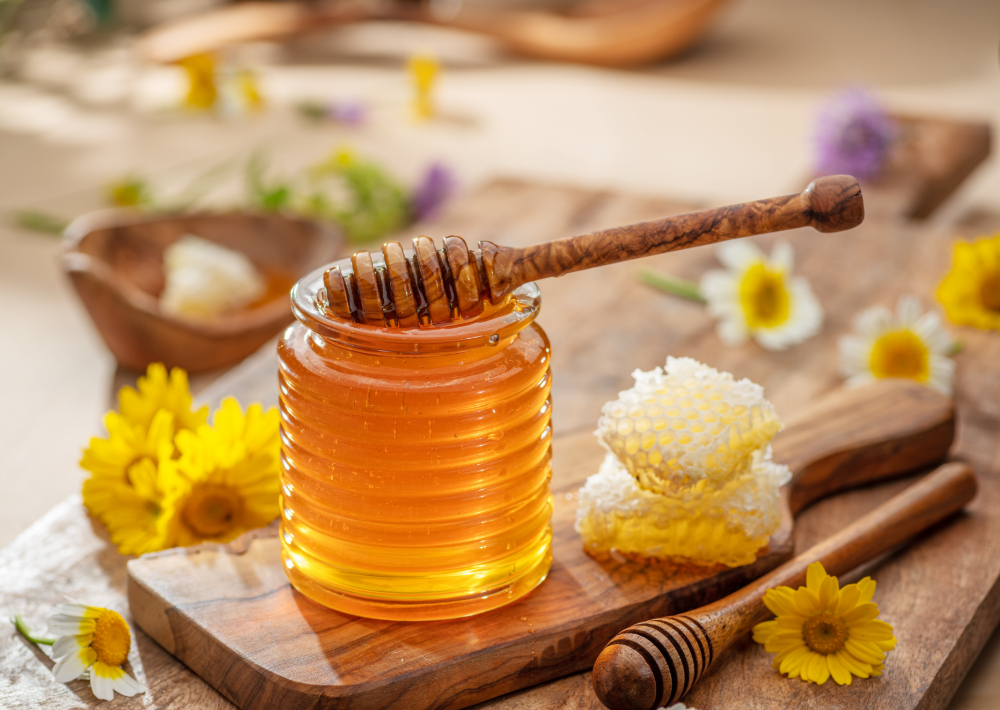
In addition to antioxidants, honey contains compounds with anti-inflammatory properties.
These substances may help reduce inflammatory responses in the body.
May soothe a sore throat

Honey can provide relief when the throat feels irritated.
Also read: Losing sleep may make your muscles give out sooner, and here's why
Its thick consistency forms a protective coating in the throat, which may help reduce discomfort.
May help relieve coughing

A study published in the Cochrane Database of Systematic Reviews found that honey may be as effective as, or more effective than, certain cough medicines and antihistamines at relieving cough symptoms.
A natural alternative to sugar

Honey can be used to sweeten food and drinks instead of regular sugar.
Because honey often tastes sweeter than sugar, a smaller amount may be enough to achieve the desired sweetness.
Also read: Popular post-workout habit could be killing your muscle gains, research warns
May provide an energy boost

Honey contains carbohydrates and calories that the body can use for energy.
It may therefore be an option during periods of fatigue or low energy.
Be mindful of how much honey you consume

Although honey contains beneficial compounds, it is also high in sugar.
It can therefore cause blood sugar levels to rise, and experts recommend consuming it in moderation as part of a balanced diet.
Also read: Breast cancer is now deadlier in rural America than in cities, and the gap keeps growing
Avoid adding honey to boiling drinks

High temperatures can break down some of honey's antioxidants and other beneficial compounds.
Experts therefore recommend waiting until your tea has cooled slightly before adding honey.
Honey can be part of breakfast

A little honey can add sweetness to both oatmeal and yogurt. It is an easy way to incorporate the ingredient into your daily diet.
Helps keep baked goods moist
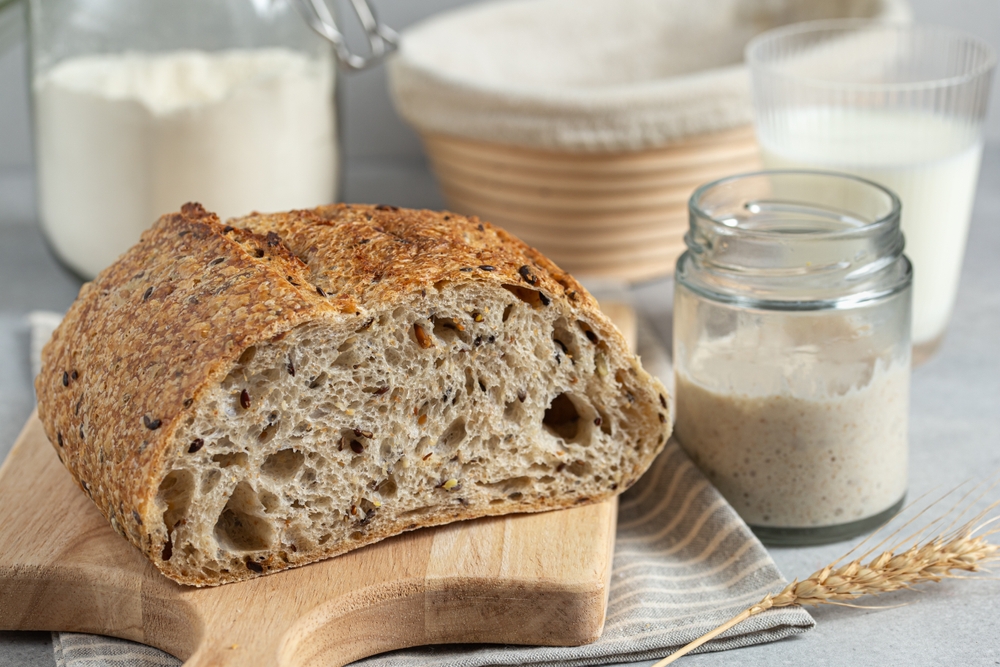
Honey can be used in bread and muffins, adding flavor while helping retain moisture.
It can therefore replace some of the sugar in baked goods.
Replace some of the sugar with honey
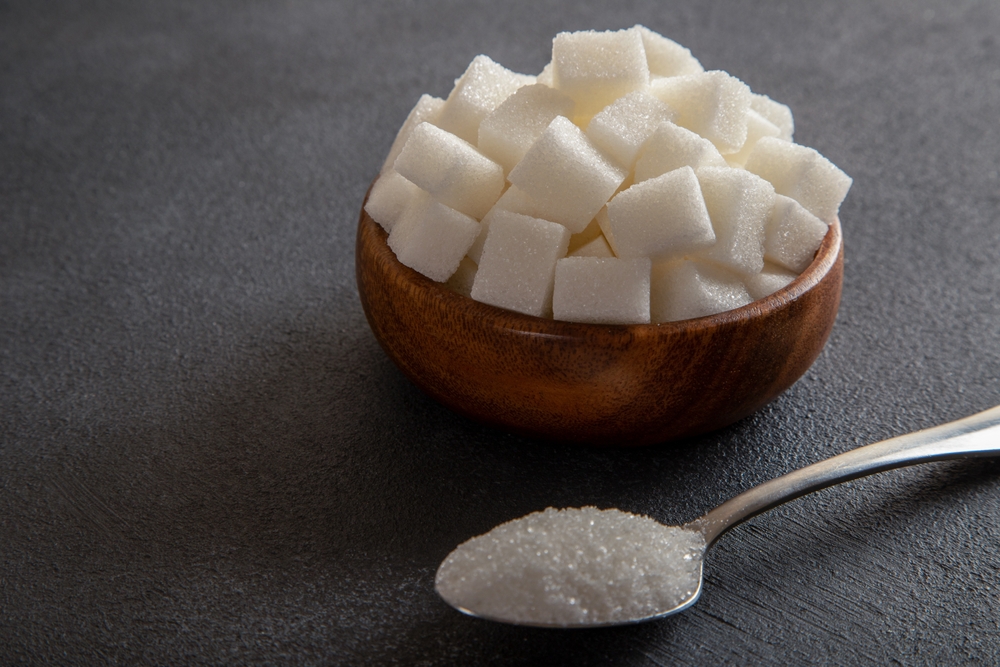
If you want to use honey instead of sugar, nutrition expert Melissa Jaeger recommends starting by replacing up to half of the sugar in a recipe.
However, you may need to adjust the amount of liquid, leavening agent, and oven temperature.
Can be used in dressings and marinades

Honey is not just for sweet dishes. It can also be added to dressings and marinades, where it provides sweetness and helps balance the flavors.
Different types of honey have different properties

The flavor, aroma, and color of honey depend on the flowers from which bees collect nectar. Examples include clover, buckwheat, and orange blossom honey.
Lighter varieties typically have a milder flavor, while darker types often have a more intense taste.
Choose honey that has not been heated

If you want to preserve as many of honey's beneficial compounds as possible, experts recommend choosing raw or unheated honey.
Heating, including in the microwave, can reduce the levels of certain antioxidants.
This article is made and published by Ida-Marie Palm Varbæk, who may have used AI in the preparation.