
Many people choose footwear based on comfort when spending time at home. However, according to podiatrists, one particular type of footwear can cause problems with the feet, walking patterns and posture.
Here is their explanation and advice on better alternatives, according to Parade.
Flip-flops can cause foot problems
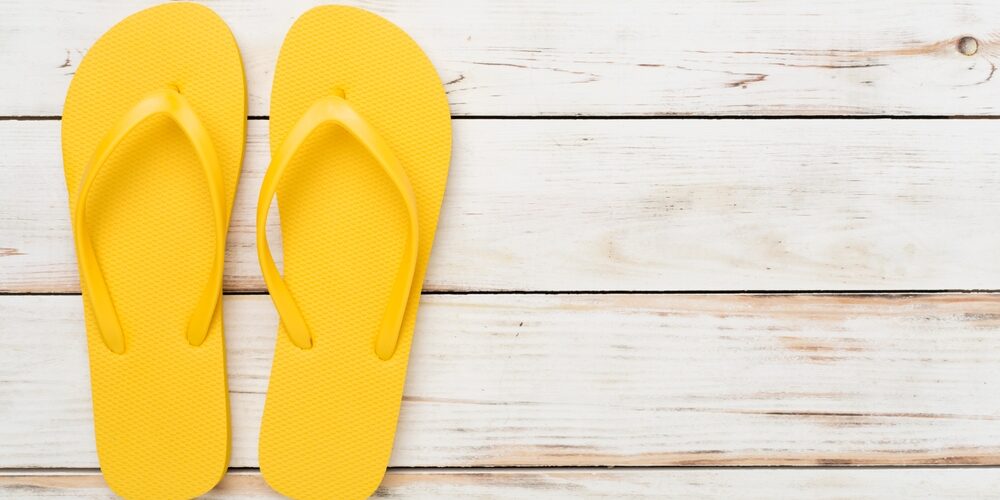
Although flip-flops are easy to slip on, podiatrists recommend avoiding wearing them for extended periods.
They often provide insufficient support and can place unnecessary strain on the feet.
Also read: New research links frequent afternoon naps to dementia risk
Your toes have to work harder
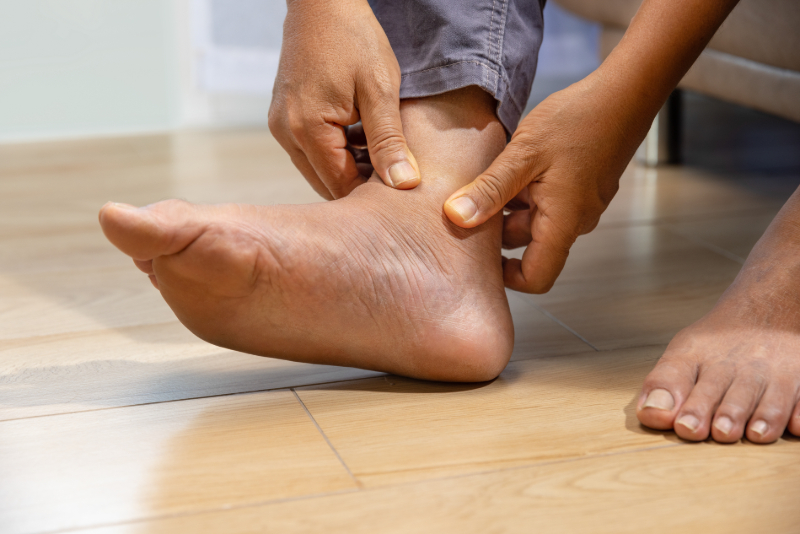
When walking in flip-flops, your toes often have to grip the footwear to prevent it from slipping off.
Over time, this can lead to excessive strain on muscles and tendons.
The risk of tendonitis may increase
According to podiatrist Bob Baravarian, repeated strain on the feet can increase the risk of tendon problems.
This is particularly true when flip-flops are worn for extended periods.
Also read: This is what eating salmon twice a week does to your heart and cholesterol
Lack of support puts strain on bones and joints
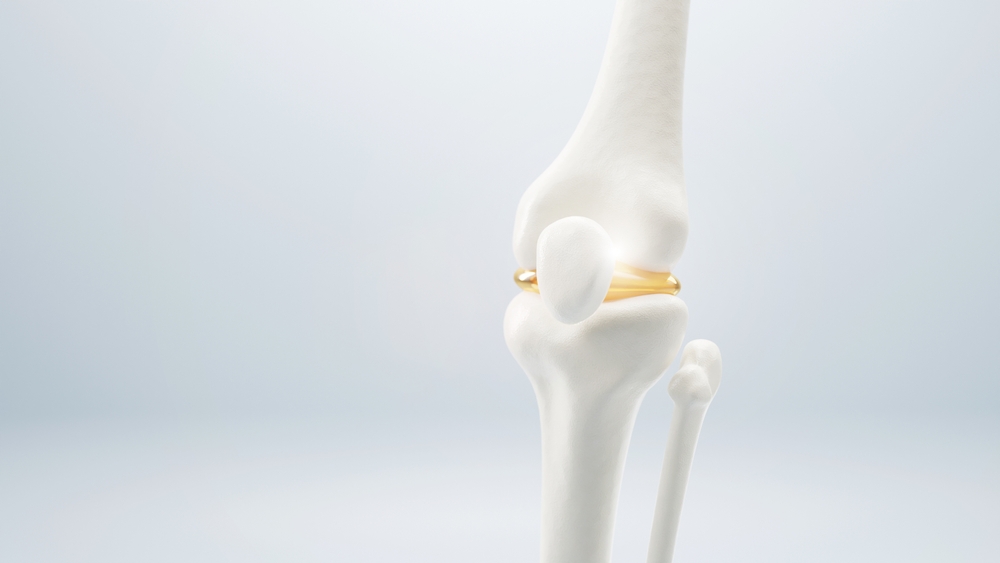
Flip-flops typically have a simple design that provides very little stability for the feet.
This can increase the strain on bones and joints, raising the risk of overuse injuries.
Your walking pattern may change
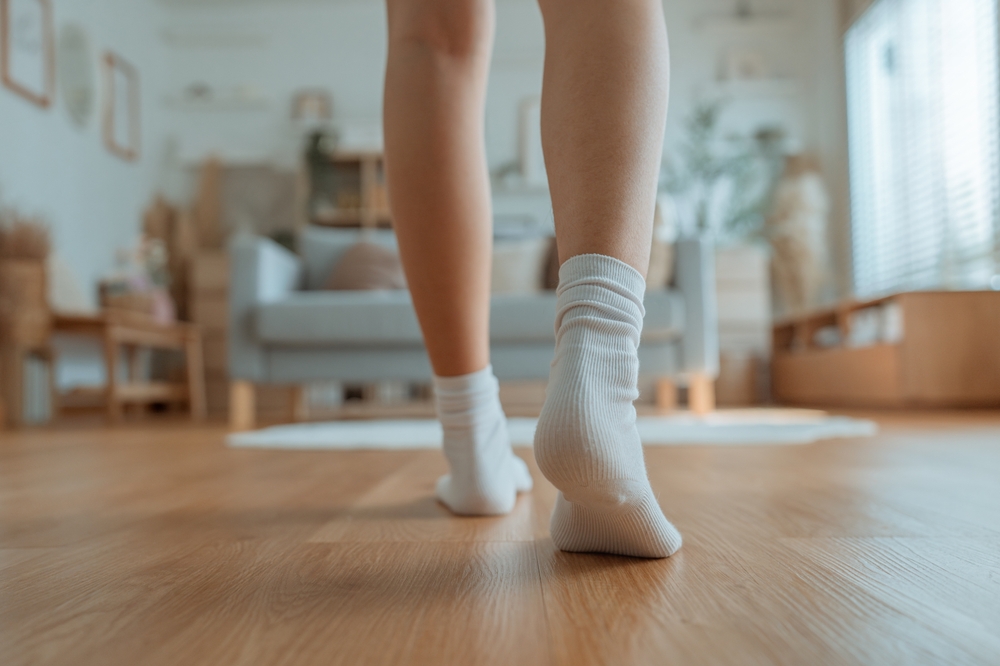
Podiatrist Suzanne C. Fuchs explains that wearing flip-flops for extended periods can affect how your feet move.
One reason is that people unconsciously adjust their steps to keep the footwear in place.
Also read: Why are women more likely to develop dementia? The answer lies far beyond biology
Your steps may become shorter
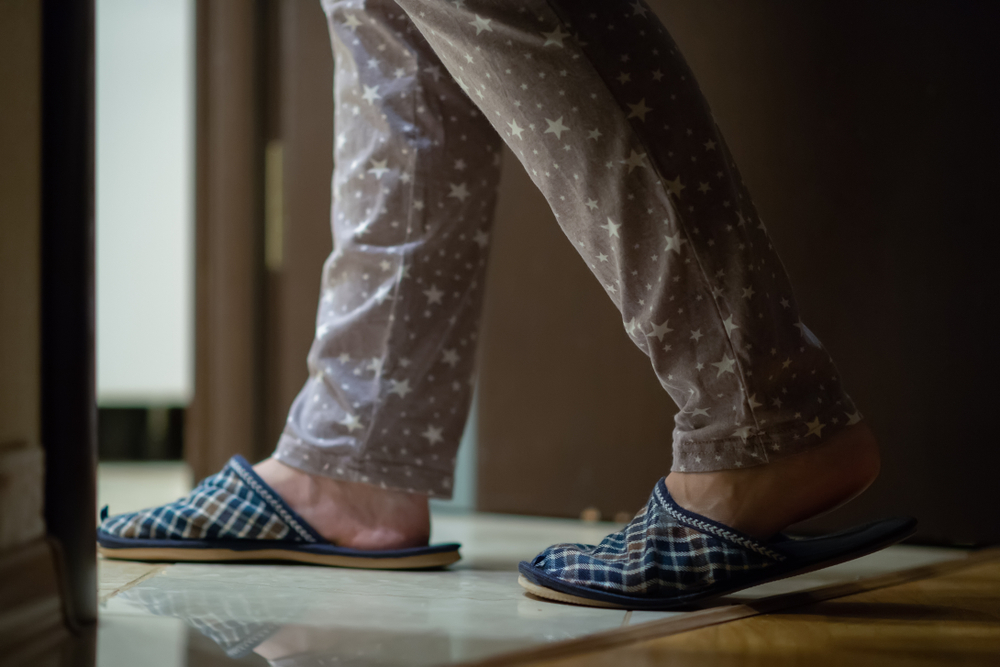
Scientific studies published in The Journal of the American Podiatric Medical Association have shown that flip-flops can affect both stride length and foot angle while walking.
People who wear them tend to take shorter steps and place their feet flatter on the ground.
Your posture may be affected
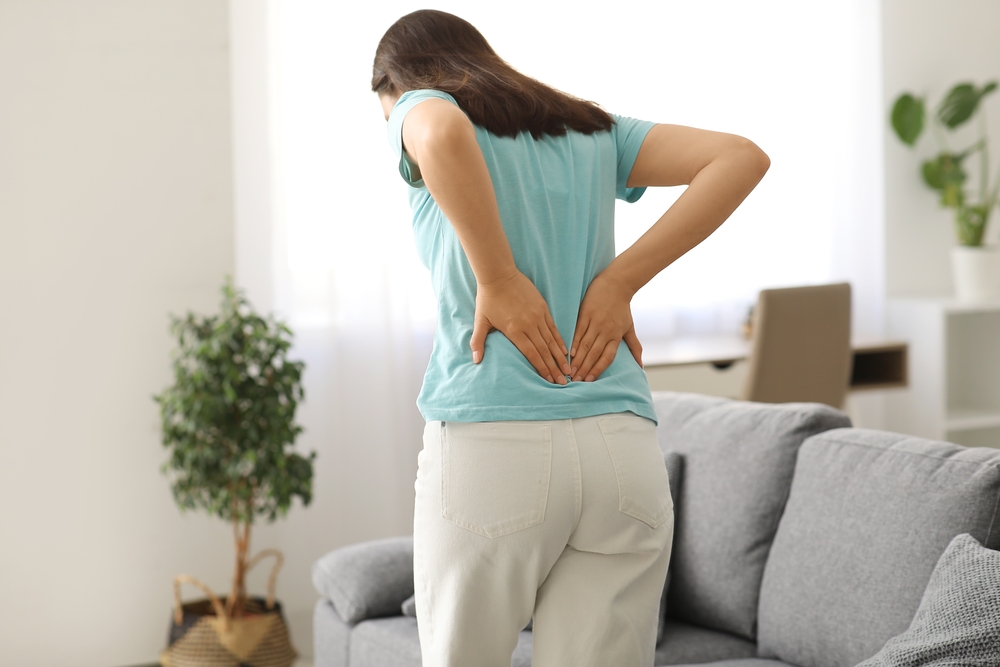
The way your feet move influences the rest of your body. When flip-flops alter your walking pattern, they can create strain that also affects your ankles, knees, hips and lower back.
Existing foot problems may get worse
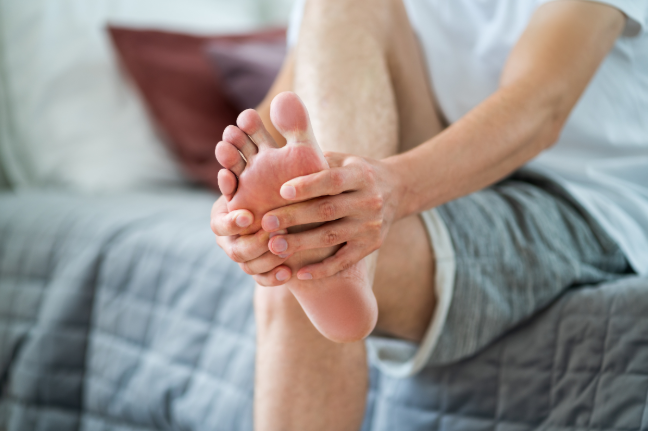
People who already experience foot pain or other foot problems should be particularly careful.
Also read: 4 in 10 cancers are linked to habits you may be able to change
According to Suzanne C. Fuchs, flip-flops can aggravate conditions such as heel spurs, tendonitis and pain in the forefoot.
Loose footwear can increase the risk of falls
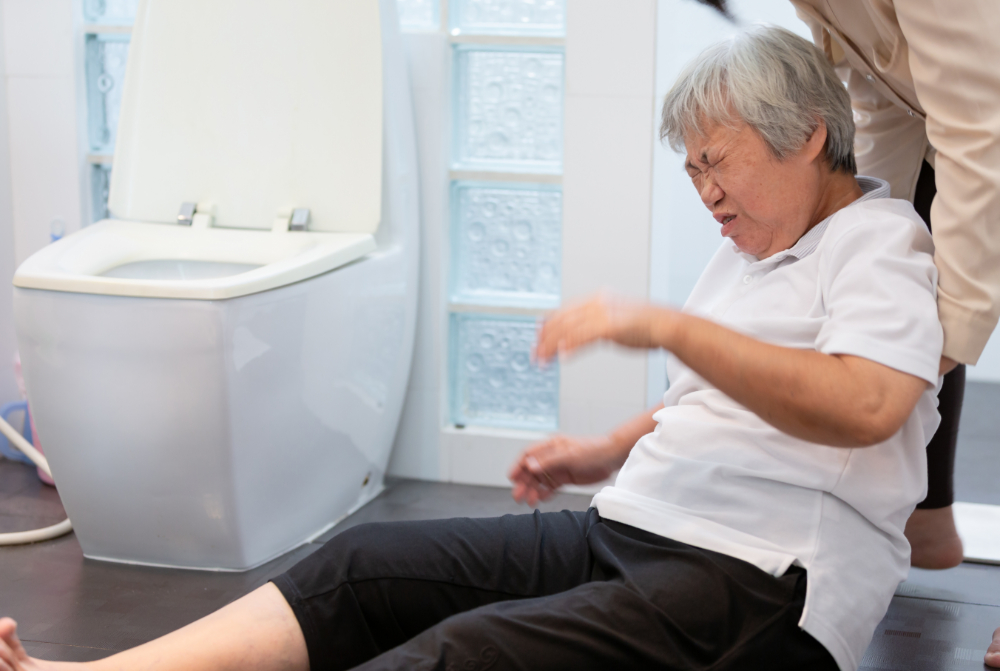
Podiatrist Anne Sharkey points out that flip-flops do not hold the feet securely in place.
The foot can slide around or extend beyond the sole, increasing the risk of twisting an ankle.
Older adults should be especially careful
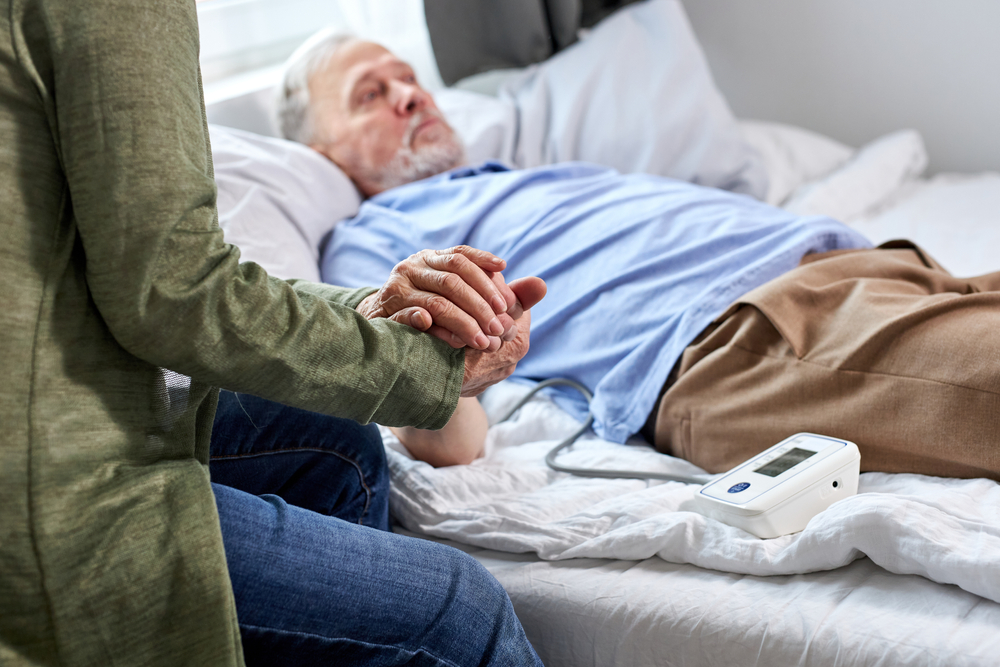
Unstable footwear can be particularly problematic for older adults. Falls are a major cause of injuries, hospital admissions and deaths among people over the age of 65.
Also read: Study punctures the 10,000-step myth
Choose shoes with good arch support
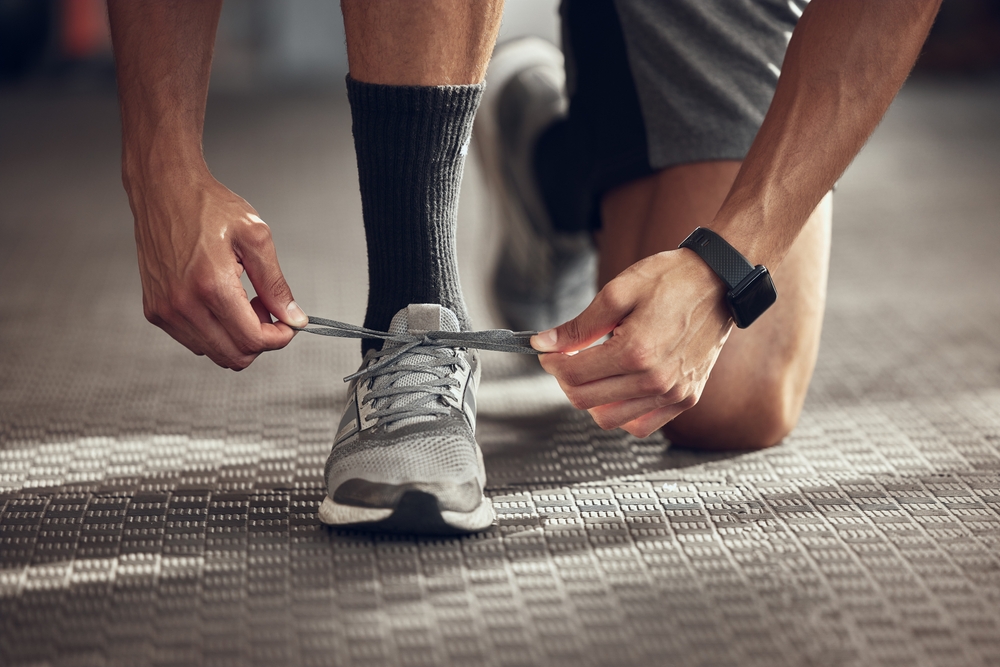
If you prefer wearing shoes at home, experts recommend choosing styles with built-in arch support.
This can help support the feet and provide greater stability when walking.
A heel strap can make a difference
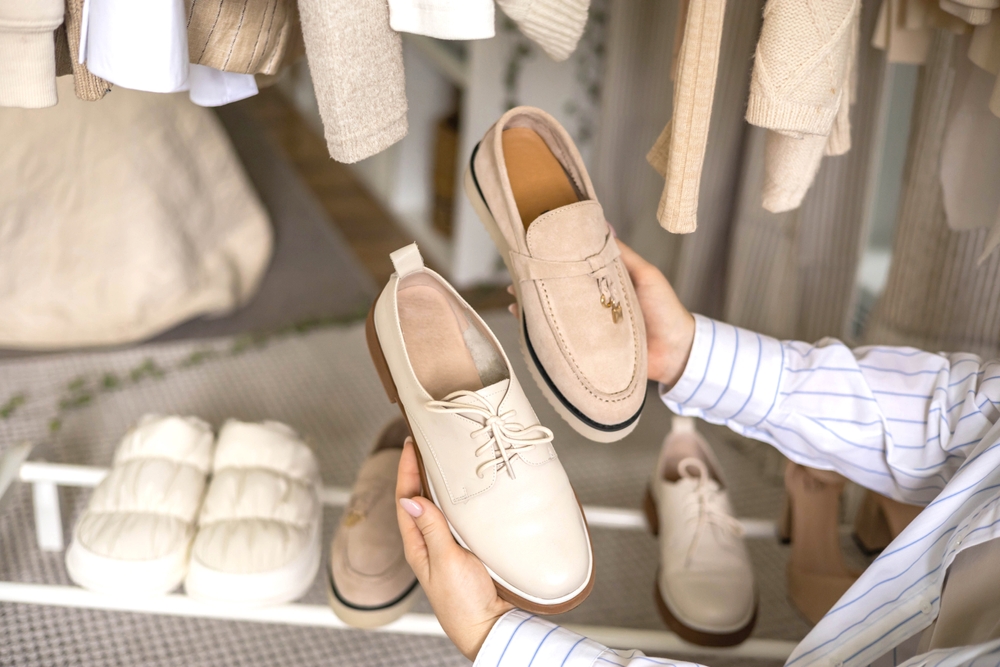
Sandals with a strap behind the heel can be a better alternative to traditional flip-flops.
The strap helps keep the footwear securely in place, preventing the toes from constantly having to grip it.
A contoured footbed distributes pressure
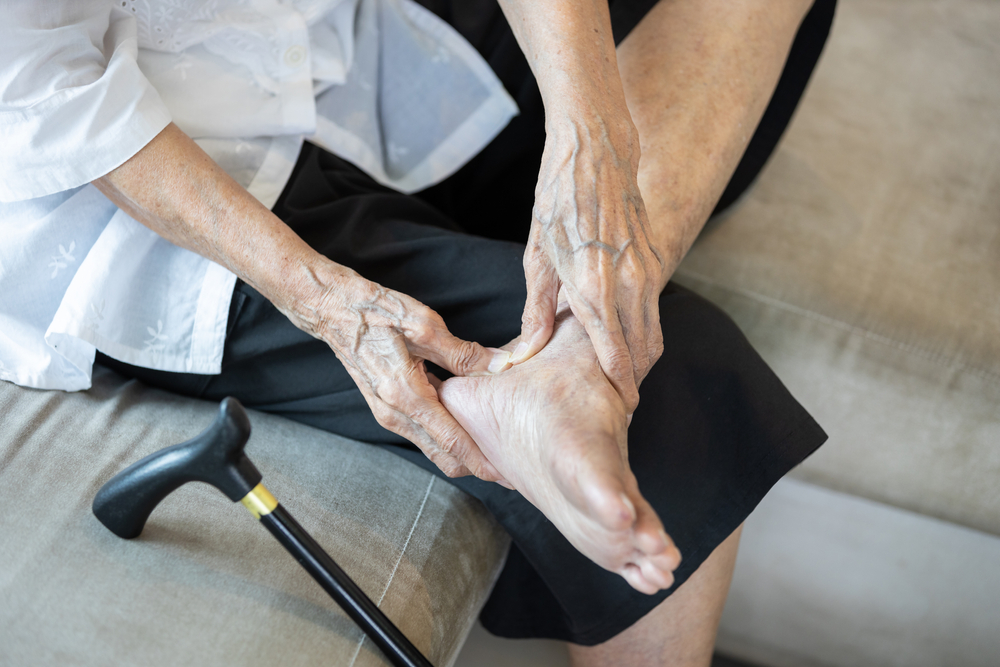
According to Anne Sharkey, a footbed that follows the natural shape of the foot can help distribute pressure more evenly.
This can provide better support while walking.
Cushioning provides extra comfort
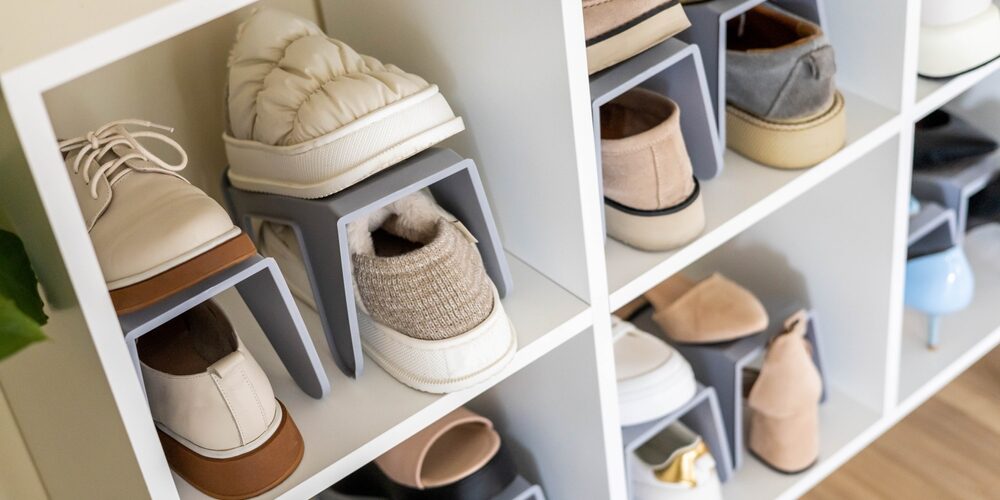
Footwear with adequate cushioning can make walking around the house more comfortable.
Cushioning helps absorb impact, but experts emphasise that soft shoes do not necessarily provide good support.
A stable sole is important
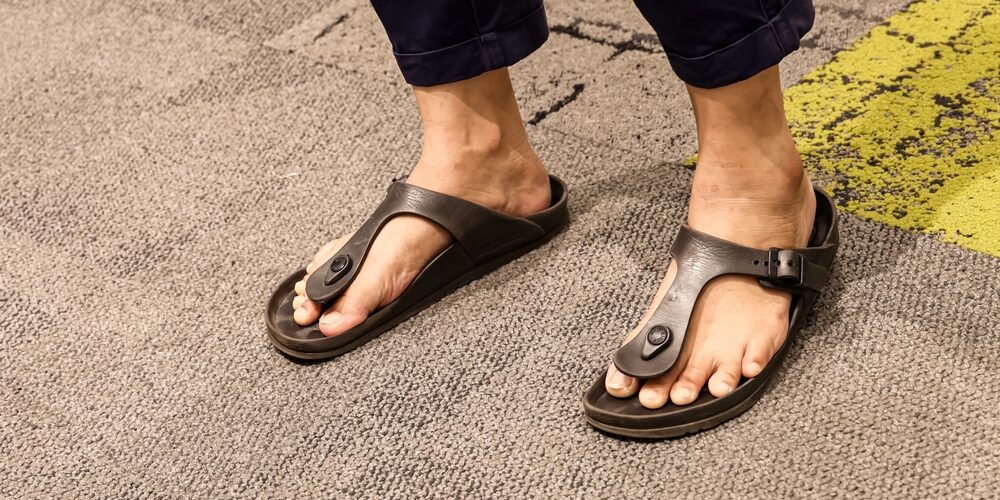
Podiatrists recommend shoes with a firm, stable sole.
This can help keep the foot in a more secure position and reduce unnecessary movement while walking.
Your heel should stay inside the shoe
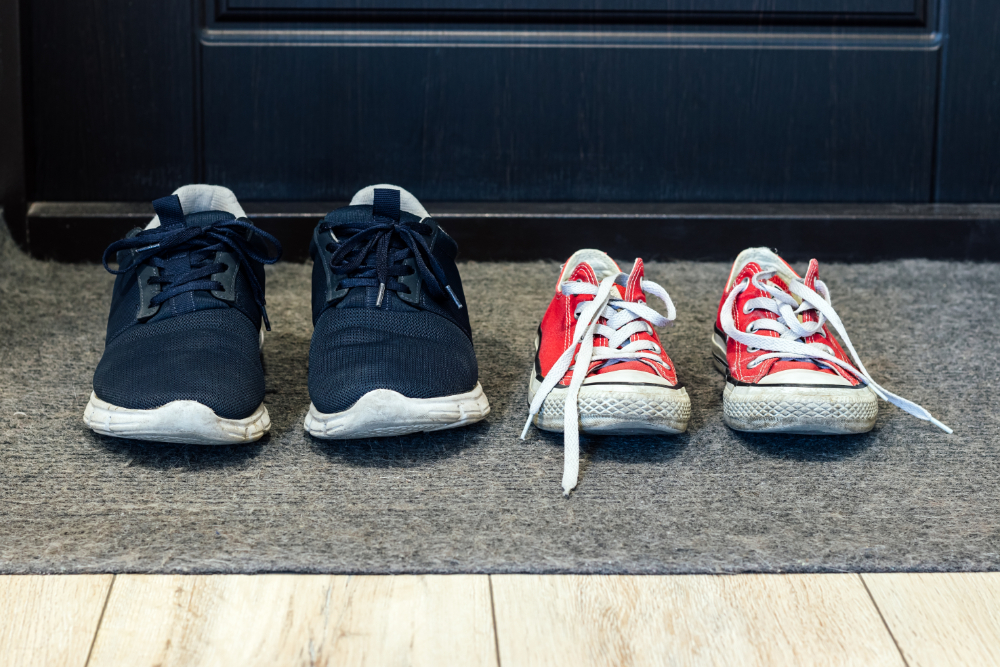
One simple way to assess your footwear is to pay attention to what happens when you take a step.
If your heel lifts out of the shoe while the sole remains on the floor, your foot has to work harder to keep the footwear in place.
Birkenstock may be an alternative
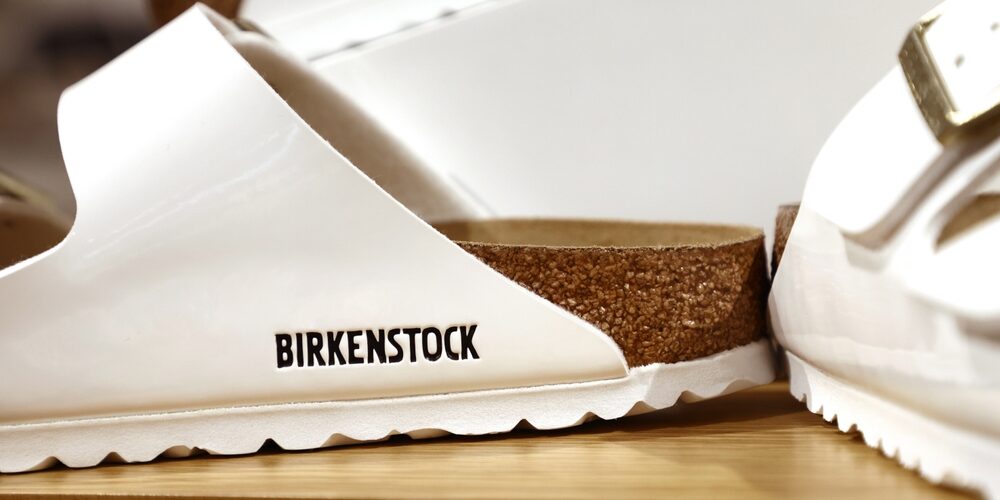
Bob Baravarian mentions Birkenstock sandals as an example of footwear that offers better support. Many models feature straps positioned further back on the foot and a more supportive arch.
Flip-flops are not necessarily harmful
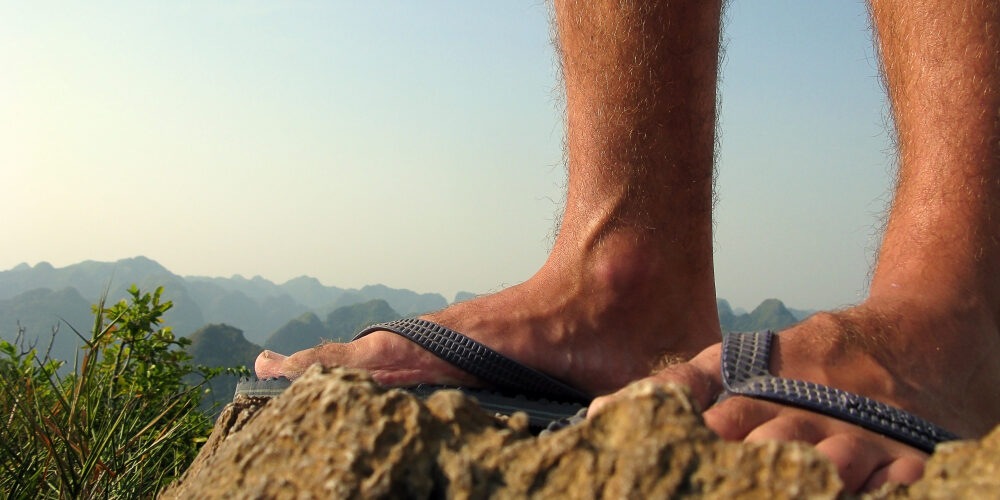
Experts emphasise that there is no need to avoid flip-flops completely.
Wearing them briefly is generally not a problem, for example when collecting the post or carrying groceries inside.
Going barefoot may be better than wearing unsuitable shoes
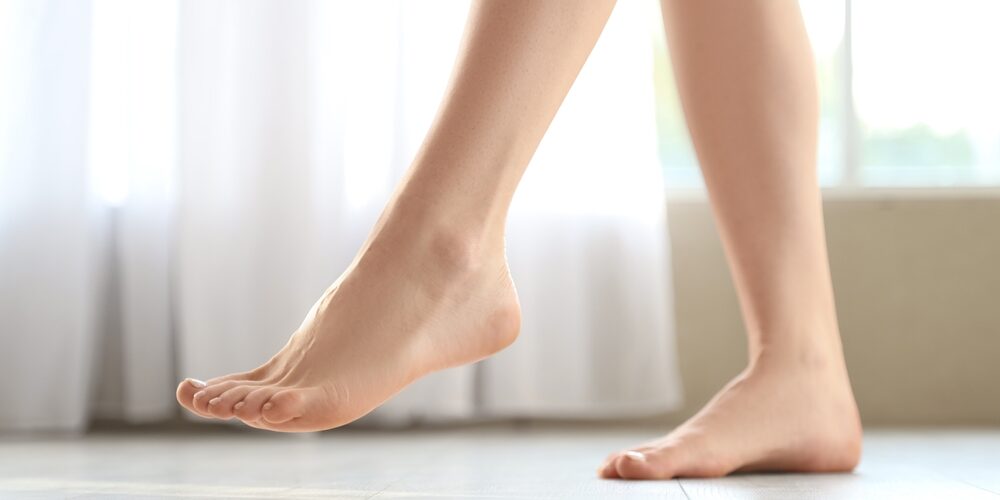
According to podiatrists, if your indoor footwear provides neither support nor stability and does not help protect against pain, going barefoot may be a better option.
The most important thing is to avoid footwear that places unnecessary strain on your feet.
This article is made and published by Ida-Marie Palm Varbæk, who may have used AI in the preparation.