
The skin on the neck can become looser, drier, and more wrinkled over time.
According to dermatologist Mona Gohara, there are several ways to prevent and reduce visible signs of ageing on the neck. Here are her top tips and explanations, as reported by Prevention.
Wear sunscreen every day

The sun's UV rays can break down collagen and elastin, which help keep the skin firm and elastic.
That is why the dermatologist recommends applying sunscreen with an SPF of at least 30 to both the face and neck every day.
Also read: Just two drinks a day linked to a higher risk of alcohol-related death
Include your neck in your skincare routine

Many people take good care of their faces but forget about their necks.
According to Mona Gohara, the neck deserves the same attention as the face, as the skin in this area is also affected by ageing and sun exposure.
Choose products with hyaluronic acid

Hyaluronic acid helps the skin retain moisture and can temporarily make fine lines appear less noticeable.
This ingredient is therefore particularly beneficial for dry skin on the neck.
Also read: Common fish oil ingredient may improve survival after cancer surgery
Try a moisturiser with ceramides

Ceramides help the skin retain moisture. Since the skin's natural production of ceramides decreases with age, products containing this ingredient may be beneficial.
Use retinol with caution
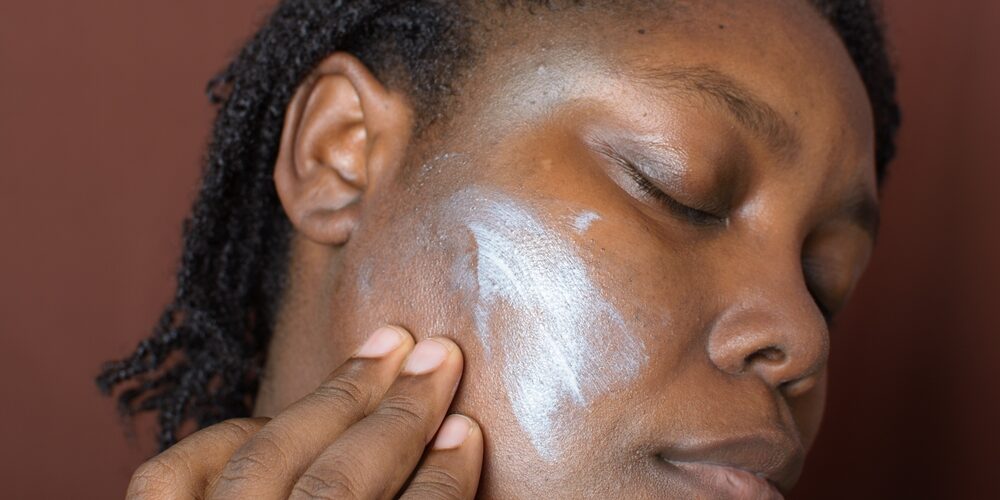
Retinol can stimulate the skin's production of collagen and elastin, helping to reduce visible signs of ageing.
However, the skin on the neck is sensitive, so the dermatologist recommends using it cautiously.
Consider skincare products with peptides

Peptides can support the skin's collagen production and may be a gentler alternative for people who cannot tolerate retinol.
Also read: Early warning signs of atrial fibrillation most people mistake for anxiety or fatigue
Certain peptides have also shown promising results in reducing facial wrinkles.
Protect your skin with antioxidants

Antioxidants can help protect the skin from damage caused by factors such as sunlight and pollution.
Vitamin C and vitamin E are examples of antioxidants that can be used in skincare products.
Eat foods rich in antioxidants

Antioxidants are also found in food. Green tea, berries, apples, citrus fruits, broccoli, and spinach contain compounds that can help protect the body's cells from harmful effects.
Also read: Napping most days may raise dementia risk by 48 percent
Keep your phone at eye level

Repeatedly bending your head down to look at your phone causes the skin on your neck to fold.
This can make horizontal lines more noticeable, although there is limited scientific evidence that changing your head position can reduce wrinkles.
Use a richer moisturiser at night

The skin on the neck has fewer sebaceous glands than the face, making it more prone to dryness.
A thicker moisturiser containing ingredients such as squalene or shea butter can help the skin retain moisture.
Also read: Americans are getting 40% more calories from coffee: Here's why
Avoid using too many active ingredients

The skin on the neck is thin and delicate, meaning potent skincare ingredients can cause irritation.
Mona Gohara recommends introducing one active ingredient at a time and reducing its use if redness or stinging occurs.
Remember sunscreen on cloudy days

Even when the sun is not visible, UV rays can still affect the skin.
That is why the neck should also be protected with sunscreen on cloudy days and when spending time in the shade.
Consider cosmetic treatments
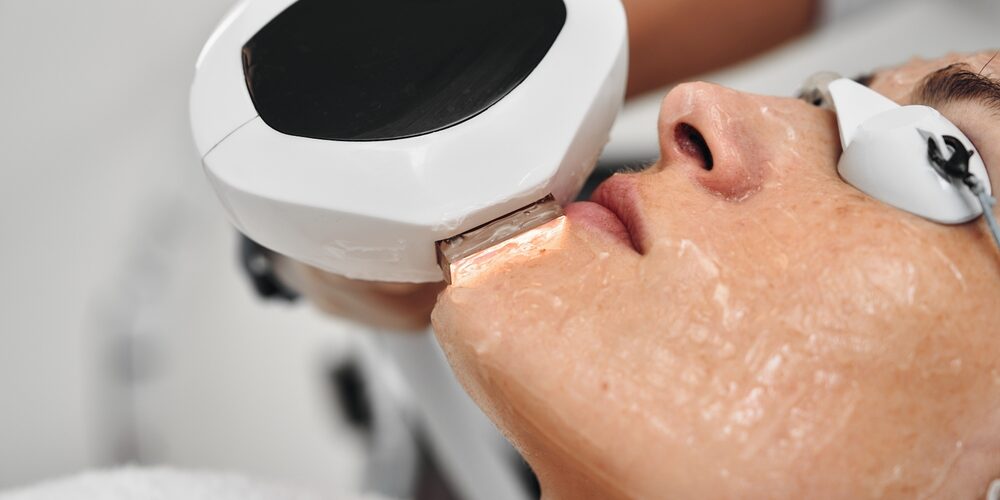
Certain ultrasound or radiofrequency treatments can stimulate collagen production and provide a modest skin-tightening effect.
Laser treatments can also improve fine lines, skin texture, and sun damage.
Botox can reduce certain neck lines
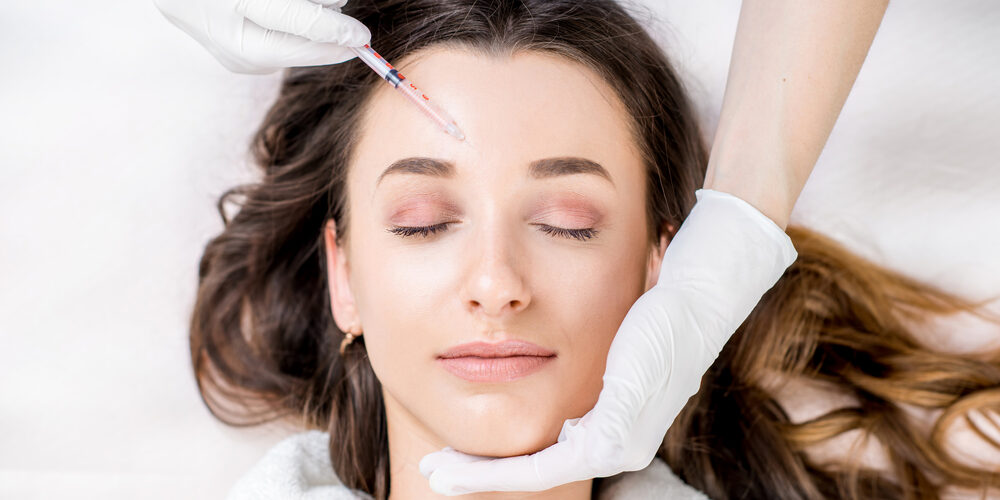
Vertical lines on the neck can sometimes be treated with Botox.
The treatment relaxes the relevant muscles and can temporarily make these lines less noticeable.
Do not expect skincare to eliminate all wrinkles
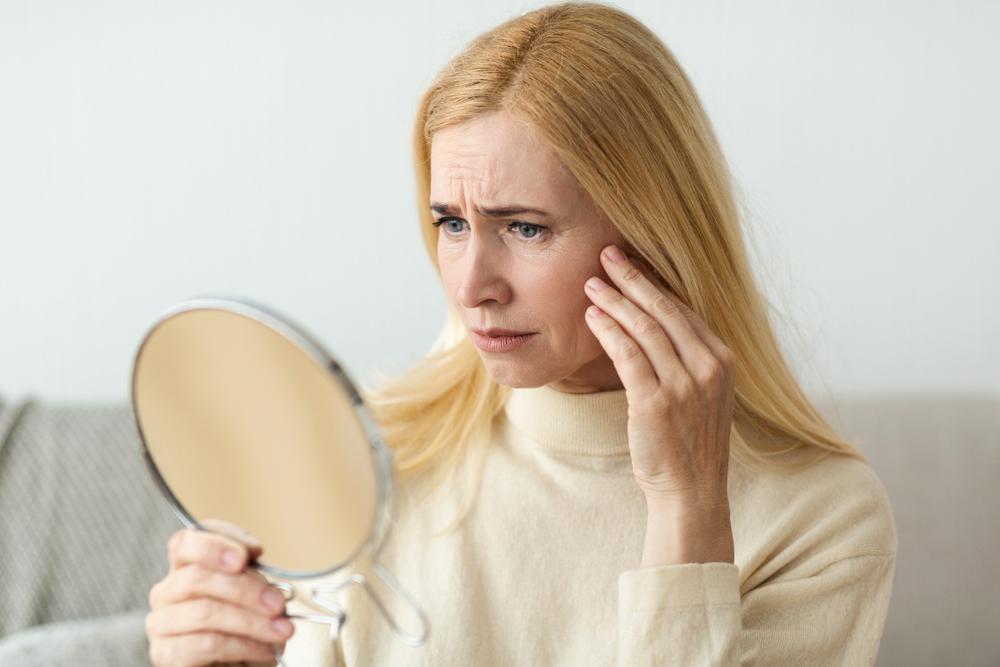
Skincare products can improve skin hydration, texture, and fine lines, but creams cannot change the deeper structures beneath the skin.
According to the dermatologist, significant tightening of the neck requires surgery.
This article is made and published by Ida-Marie Palm Varbæk, who may have used AI in the preparation.