
What happens when you start drinking more water in your daily life?
One man decided to drink 13 cups of water every day for a week and experienced several changes in both his physical and mental well-being, as reported by Verywell Mind.
He had more energy throughout the day

After a few days of drinking more water, Adam England began to feel more refreshed.
He experienced less fatigue and generally had more energy throughout the day.
Also read: How much fiber should you eat per day? The target sorted by age and sex
His mood improved

By the third day of the experiment, he noticed that he was less grumpy in the morning than usual.
Throughout the week, he generally found himself in a better mood.
He experienced fewer headaches

He occasionally experienced headaches after long working days in front of his computer.
By the fourth day of the experiment, he realised that he had not experienced a single headache that week.
Also read: Cervical cancer deaths could rise nearly 40 percent by 2050
He started eating fewer snacks

On the sixth day, he noticed that he was less tempted to reach for unhealthy snacks.
He felt that drinking more water made it easier to resist the temptation to buy something to eat.
He experienced better mental well-being

On the fifth day, he told his therapist that he had experienced his best week in terms of mental well-being in a long time.
It was only later that he considered whether his increased water intake might have played a role.
Also read: Feeling dizzy when you lie down? This could be the reason
He needed to use the bathroom more often
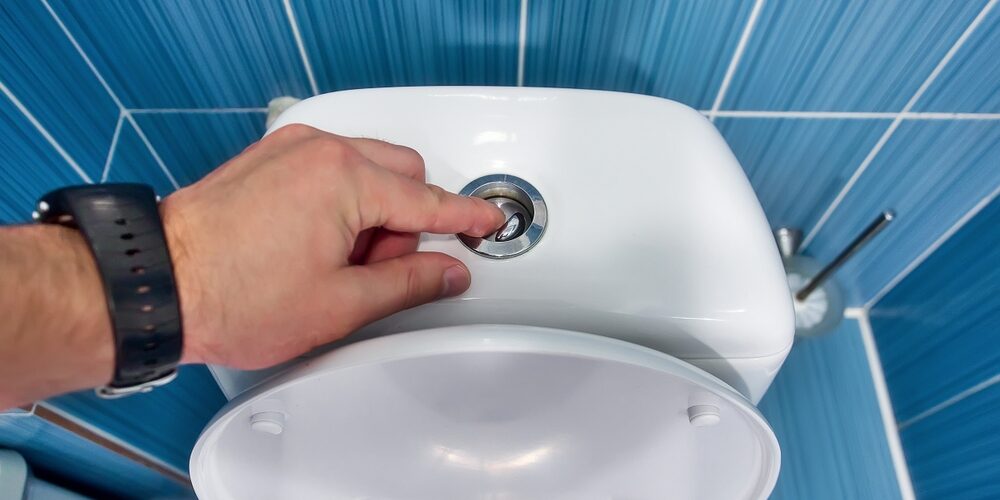
One of the most noticeable changes was that he needed to urinate more frequently.
This became particularly apparent during a trip to the cinema, where the extra bathroom breaks were somewhat inconvenient.
The colour of his urine changed

On the third day, he noticed that his urine had become lighter in colour than before.
According to Verywell Mind, pale yellow urine is generally a sign that the body is getting enough fluids.
Also read: Everyday foods that may help bring your blood sugar back into a healthy range
Drinking water quickly became a natural habit
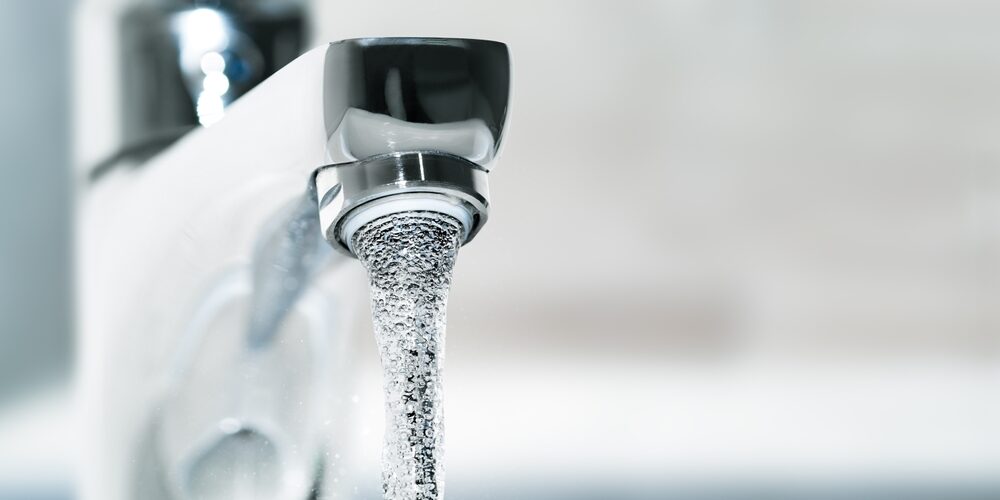
At first, drinking 13 cups of water every day required a conscious effort.
After a week, however, it had become so natural that he almost forgot he was conducting an experiment.
He drank more water with meals

One of his strategies was to drink a glass of water with his meals.
He also began choosing water instead of fizzy drinks or beer when eating out.
Also read: Your moles could be warning you about skin cancer - here's how to check
He made drinking water part of his daily routine
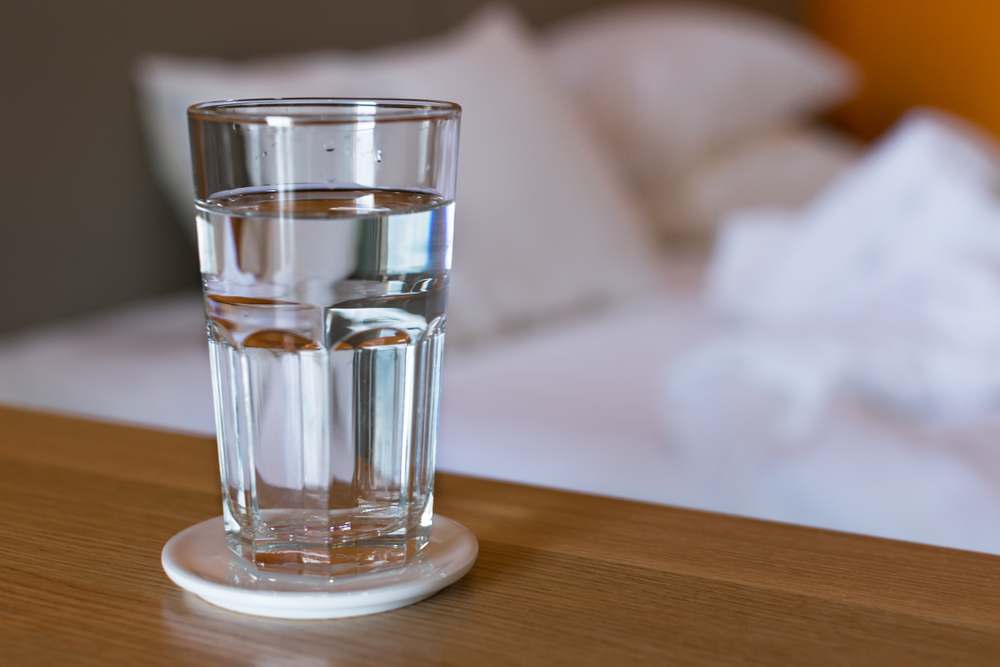
Whenever he went into the kitchen, he poured himself a glass of water.
This made it easier to reach his daily goal without constantly having to think about it.
Hot weather affected his thirst

During the experiment, he noticed that he naturally drank more water on hot days.
He also made sure to drink extra fluids when exercising.
Men and women have different hydration needs
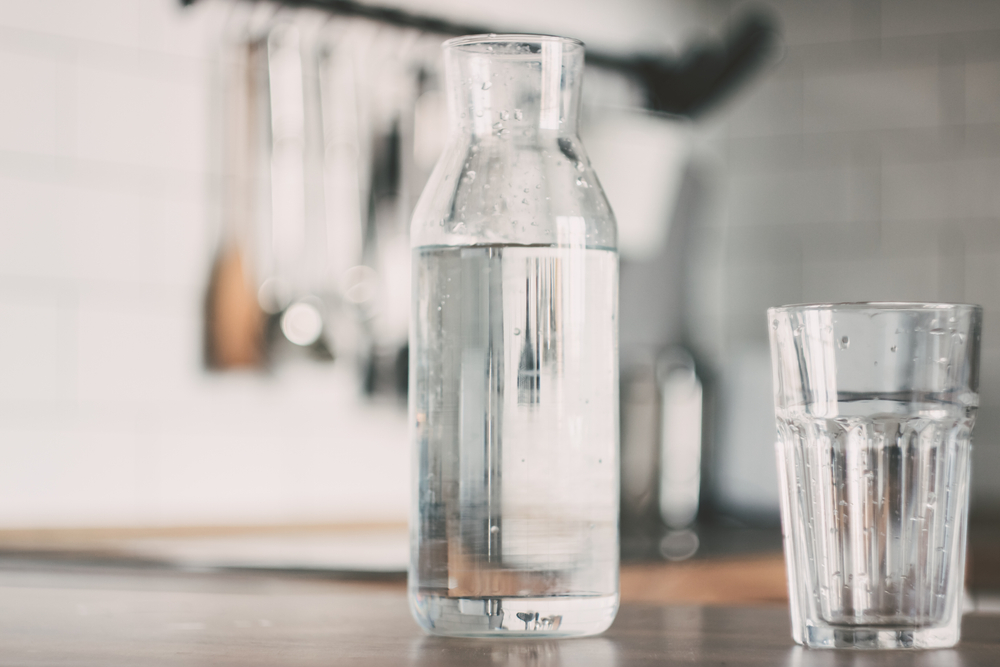
According to the Academy of Nutrition and Dietetics, men generally need around 13 cups of water a day, while women need approximately nine cups.
However, individual hydration needs vary.
The body also gets water from food
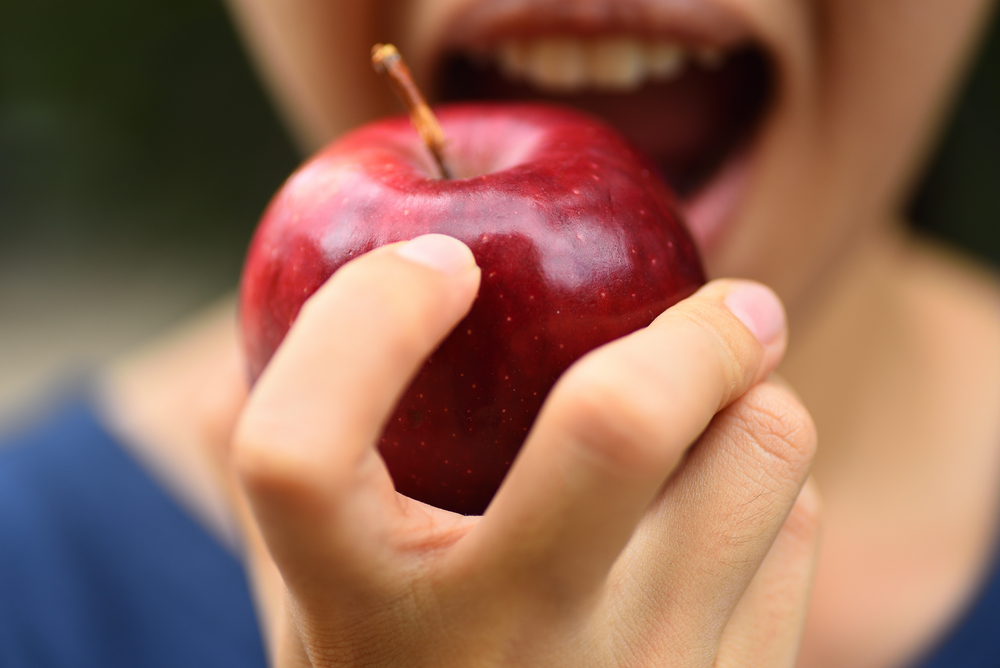
Around 20 percent of the body's daily water needs are typically met through food.
This means that staying adequately hydrated is not just about how many glasses of water you drink.
Age and physical activity also play a role

Hydration needs depend on several factors, including age, activity level and overall health.
Pregnant and breastfeeding women typically need more water, while certain medical conditions may require people to limit their fluid intake.
Drinking too much water can be dangerous

Although water is essential, excessive consumption can lead to water intoxication.
Symptoms may include headaches, nausea, confusion, drowsiness and muscle weakness.
Water can be made more appealing
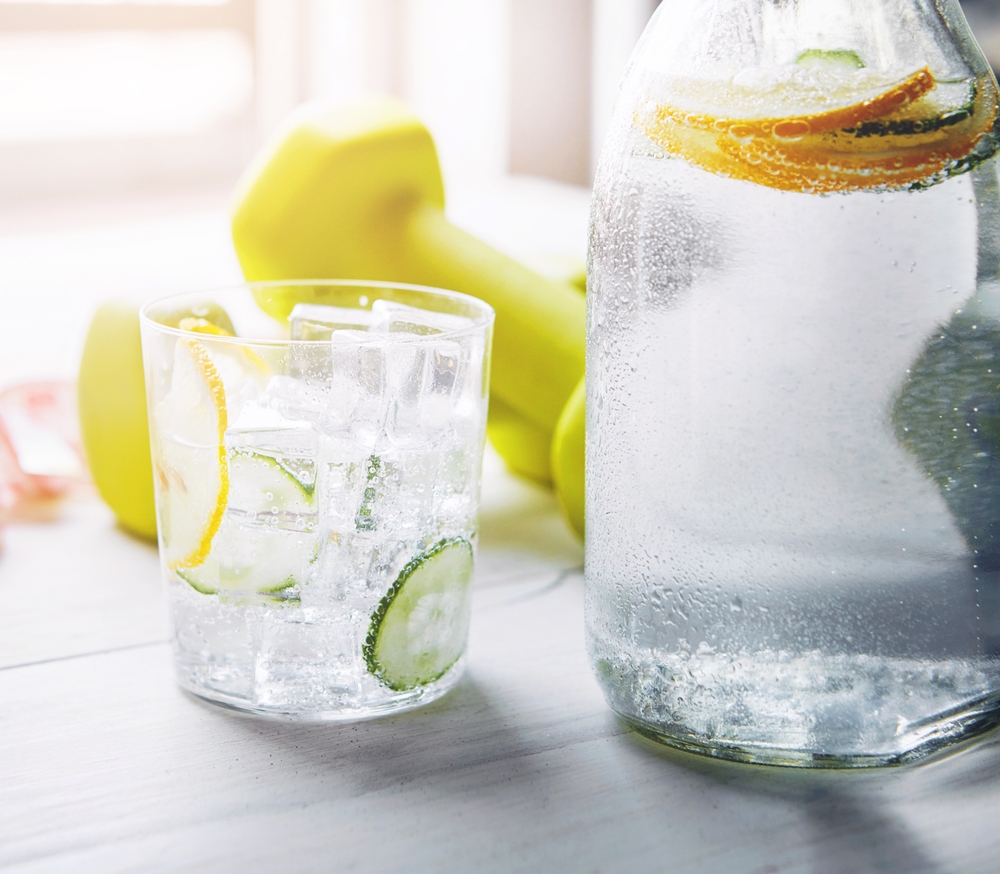
If plain water seems unappealing, nutrition expert Christy Swaid recommends adding natural flavours.
Options include lemon, lime, orange, mint or strawberries.
Staying adequately hydrated is what matters most
According to dietitian Jennifer Pallian, keeping the body properly hydrated is more important than drinking a specific number of glasses every day.
Adequate fluid intake may also help protect brain function as we age.
This article is made and published by Ida-Marie Palm Varbæk, who may have used AI in the preparation.