
Do you struggle to fall asleep or wake up several times during the night? Research suggests that several natural remedies may have a positive effect on sleep, according to Healthline.
Lavender
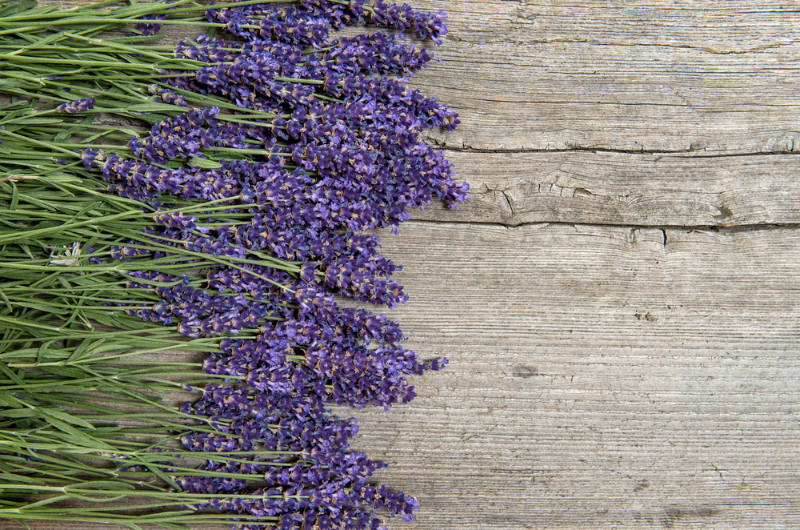
Several studies suggest that the scent of lavender may improve sleep quality.
A small study published in Evidence-Based Complementary and Alternative Medicine involving older adults with dementia found that lavender aromatherapy could increase sleep duration and reduce early awakenings.
Tryptophan
A review of four studies published in Nutrition Reviews found that taking at least one gram of tryptophan daily may improve sleep quality.
Also read: A standard blood test your doctor already runs may hint at your dementia risk
Participants also spent less time awake during the night.
Magnesium
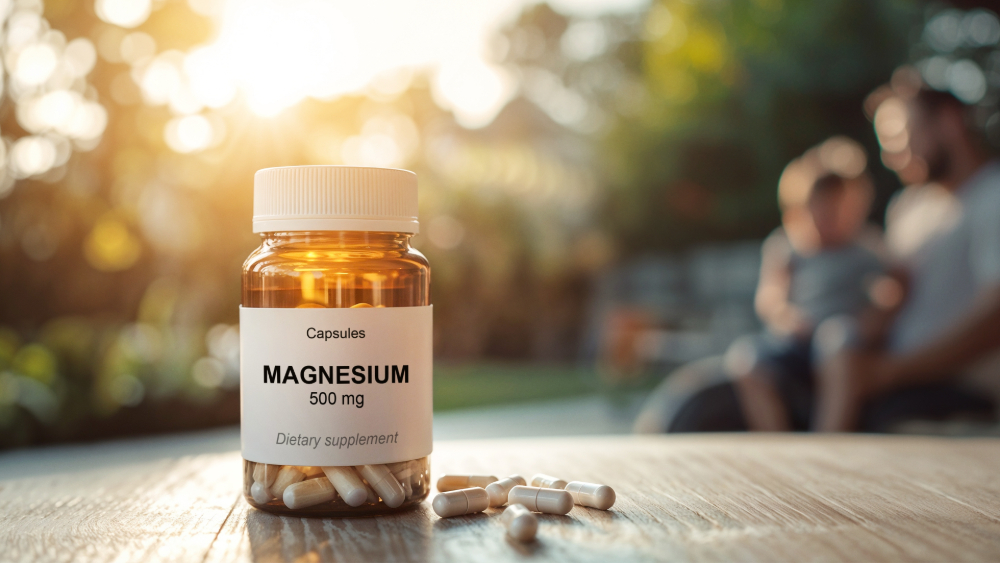
Magnesium plays a role in regulating the sleep hormone melatonin and may help muscles relax.
Research published in BMC Complementary Medicine and Therapies suggests that magnesium supplements may reduce the time it takes to fall asleep, particularly among older adults.
CBD

A review of 34 studies published in Cannabis & Cannabinoid Research found that CBD may help reduce symptoms of insomnia.
Also read: A daily avocado and a cup of mango may do one thing for your heart
In another study published in The Permanente Journal, involving 72 people with anxiety, nearly 67 percent experienced improved sleep quality during the first month.
Ginkgo biloba
An older study published in Pharmacopsychiatry suggests that taking approximately 240 milligrams of ginkgo biloba 30 to 60 minutes before bedtime may reduce stress and promote relaxation.
However, more research is needed to determine its effects on sleep.
Glycine

Glycine is an amino acid believed to help lower body temperature around bedtime, among other potential effects.
Also read: One cup of oatmeal a day: what it actually does to your cholesterol
A study published in Sleep and Biological Rhythms found that participants who took three grams of glycine before bedtime felt less tired and more mentally alert the following morning.
Passionflower

A 2024 study published in Cureus investigated the effects of passionflower extract in people with insomnia.
After two weeks, participants showed improvements in total sleep time and sleep efficiency. They also spent less time awake after initially falling asleep.
Melatonin
Melatonin is a hormone that plays an important role in sleep. A 2022 study published in the Journal of Pineal Research found that melatonin supplements improved sleep among older adults.
Also read: Your leg pain when walking could signal this common artery disease
Other studies suggest that melatonin may reduce the time it takes to fall asleep and increase total sleep duration, although the findings are not conclusive.
L-theanine

Daily supplements containing up to 200 milligrams of L-theanine may improve sleep and promote relaxation.
Animal studies published in Pharmaceutical Biology and Frontiers in Nutrition also suggest that the substance may be more effective when combined with magnesium or GABA.
Valerian root

A 2023 study published in Advances in Therapy found that valerian root could improve sleep quality in women during and after menopause.
Also read: How eating pistachios every day may affect your cholesterol and heart
Other small studies have reported similar findings. However, researchers emphasize that many of these results are based on participants' subjective experiences rather than objective sleep measurements.
Good sleep habits should come first
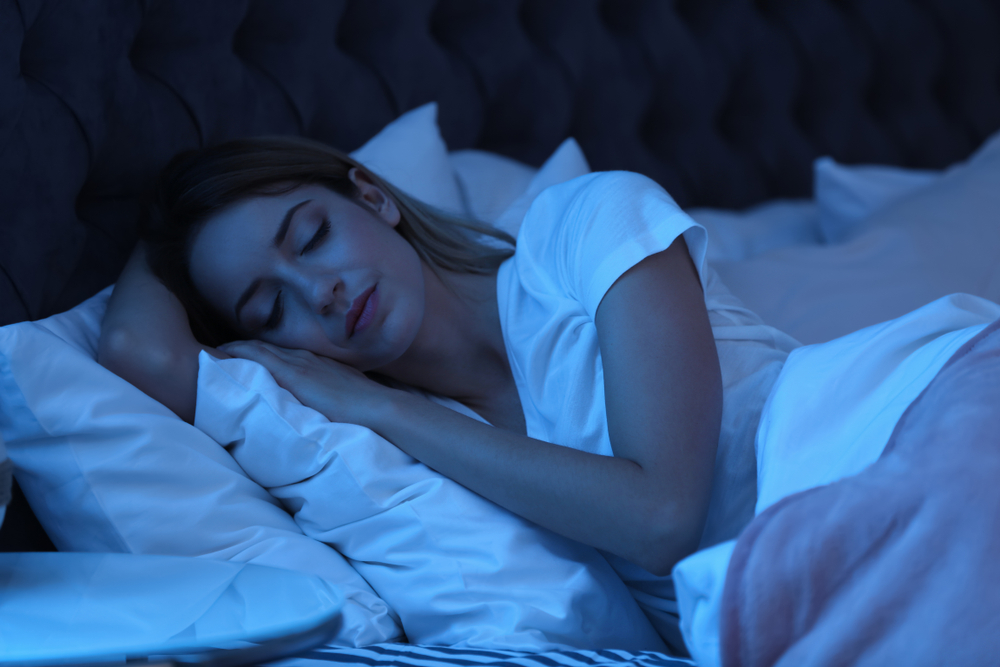
Natural sleep remedies may be an option, but maintaining healthy sleep habits remains important.
According to Healthline, keeping electronic devices out of the bedroom and limiting caffeine consumption before bedtime may help improve sleep.
Natural remedies can also cause side effects

Even natural sleep aids can cause side effects. Melatonin may lead to headaches and dizziness, while magnesium can cause digestive problems.
Some remedies may also interact with other medications. Therefore, consulting a healthcare professional before using them is recommended, particularly if sleep problems persist for more than two weeks.
This article is made and published by Ida-Marie Palm Varbæk, who may have used AI in the preparation.