
It's not just what you eat that matters, but also when you eat.
According to endocrinologist Bradley Neutel, the timing of your meals can affect both your metabolism and blood sugar levels, reports Real Simple.
Here are his recommendations for how to space your meals throughout the day.
Avoid eating constantly

Although many people believe that eating frequently can boost metabolism, this is not necessarily the case.
Also read: FDA recalls more than 4.3 million toothpaste tubes over safety concerns
According to Bradley Neutel, eating constantly can actually have a negative impact on blood sugar and insulin levels.
Eat dinner two to three hours before bedtime

It's a good idea to finish your last main meal of the day at least two to three hours before going to bed.
This helps you avoid eating a large meal right before going to sleep.
Choose snacks rich in protein and fiber

If you get hungry between meals, the expert recommends small snacks containing both protein and fiber.
Also read: How far should you be able to walk in 6 minutes? Distance by age and sex
Examples include Greek yogurt, nuts, or fruit with peanut butter.
Your body clock affects blood sugar levels

Your body's internal clock plays a role in how it processes sugar from food.
According to Bradley Neutel, the body is generally better at processing glucose earlier in the day because insulin sensitivity changes throughout the day.
Don't wait too long between meals

If you go several hours without eating, you may end up feeling extremely hungry.
Also read: One in six common infections no longer respond to standard antibiotics, WHO warns
This increases the risk of eating more than you need when you finally have a meal.
Eat breakfast within two hours of waking up
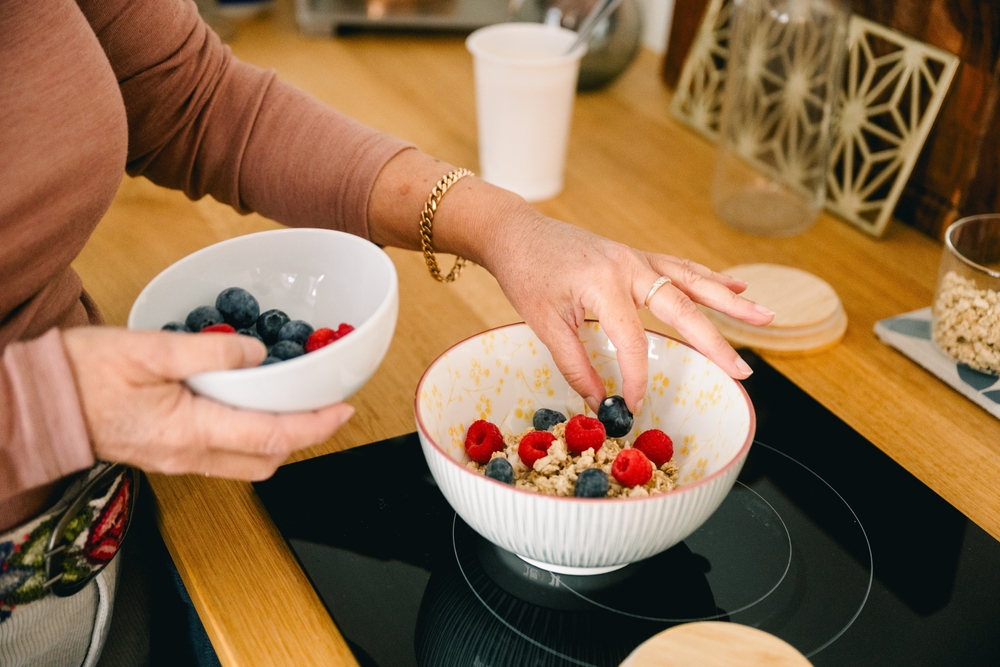
Bradley Neutel recommends eating your first meal of the day within one to two hours of waking up.
For example, if you wake up at 7 a.m., having breakfast around 7:30 a.m. would be a good option.
Large meals late at night can affect blood sugar levels

Research published in Diabetes Care shows that eating large meals late in the evening can impair the body's ability to process glucose.
Also read: Fatty liver disease affects 1 in 4 adults, and the early signs are easy to miss
For this reason, the expert recommends avoiding heavy meals close to bedtime.
Only snack when you're actually hungry
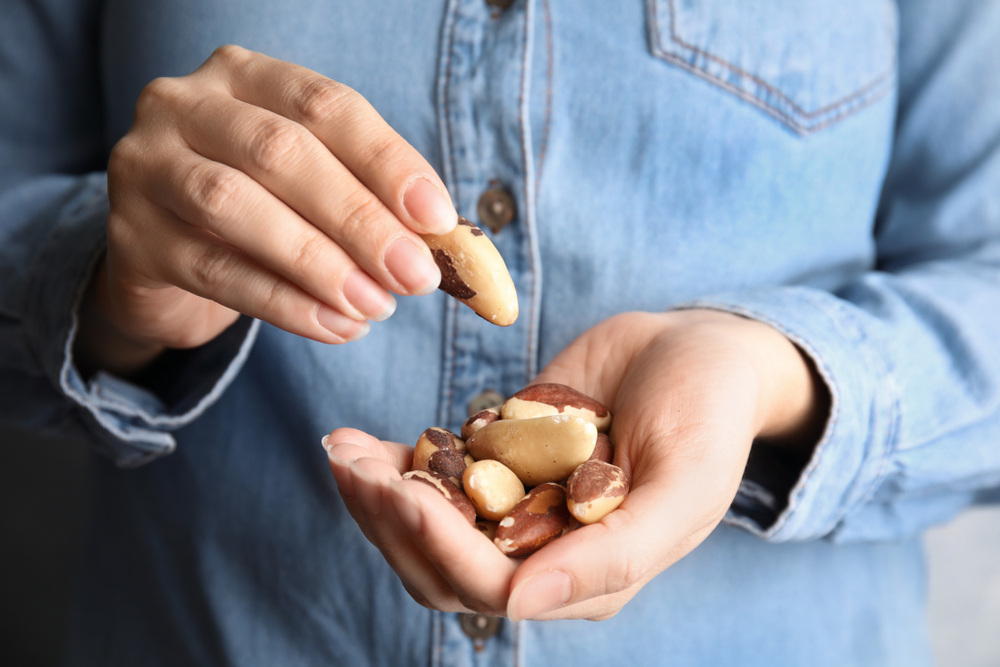
There's no need to eat between every main meal.
Bradley Neutel recommends paying attention to whether you're genuinely hungry rather than snacking out of habit.
Eat lunch four to five hours after breakfast

According to the expert, it's a good idea to eat lunch approximately four to five hours after your first meal of the day.
Also read: Breast cancer chemo may cost survivors nearly a decade of healthy years
If you have breakfast at 7:30 a.m., for example, lunchtime could be around noon.
The same meal can affect blood sugar differently

A study published in Diabetes examined how healthy adults responded to identical meals eaten at 7 a.m., 1 p.m., and 7 p.m.
The results showed that blood sugar levels rose less after the morning meal than after meals eaten later in the day.
Too many refined carbohydrates can cause fluctuations

Frequently eating snacks high in refined carbohydrates can lead to repeated spikes and drops in blood sugar and insulin levels.
According to the expert, this can also increase hunger and lead to higher calorie intake.
Regular meals can support the body's energy balance

Maintaining a relatively consistent meal schedule can help support the body's energy needs, sleep, and blood sugar regulation.
The key is finding a balance between eating too frequently and going too long without food.
Adjust your meals to your sleep schedule

There is no single meal schedule that works for everyone.
If you wake up early, your meals will typically be earlier than those of someone who wakes up later.
The most important thing is to plan your meals around your own sleeping habits.
Avoid excessive snacking before bedtime

According to Bradley Neutel, you should limit snacking late in the evening.
Eating large amounts of snacks before bedtime can make it more difficult to maintain a regular meal schedule.
Be flexible with your meal times

Although consistency is beneficial, you don't need to follow a strict schedule every single day.
On days when you're more physically active or need extra energy, you may need to adjust both when you eat and how much food you consume.
This article is made and published by Ida-Marie Palm Varbæk, who may have used AI in the preparation.