
What you eat for dinner can affect how well you sleep at night.
But does eating extra protein actually help? Two nutrition experts explain to Real Simple what you should consider if you want to improve your sleep through your diet.
Eat dinner well before bedtime
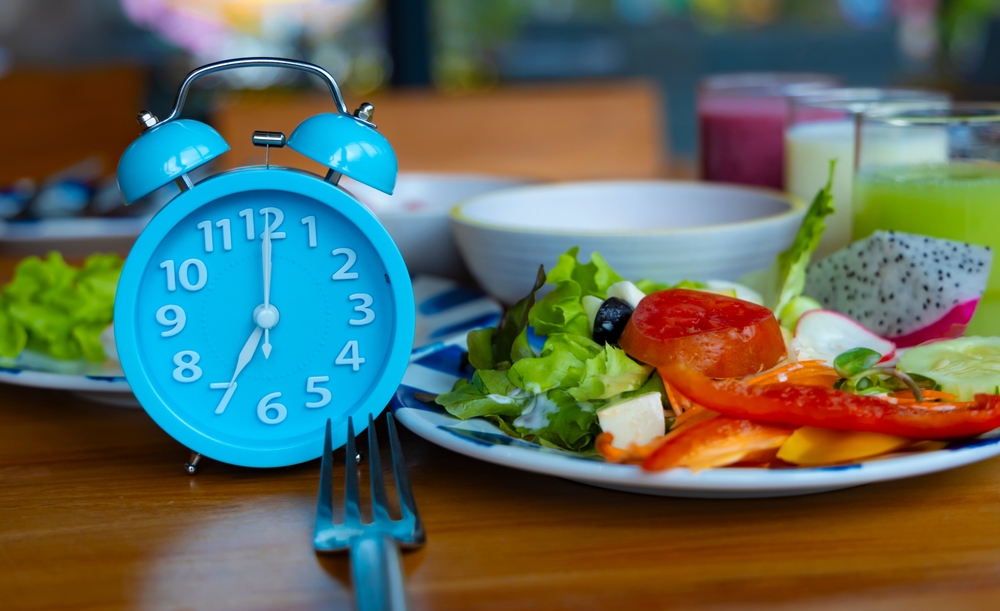
Nutrition experts recommend finishing dinner at least two to three hours before bedtime. This helps you avoid eating a large meal right before going to sleep.
Salmon may be a good choice
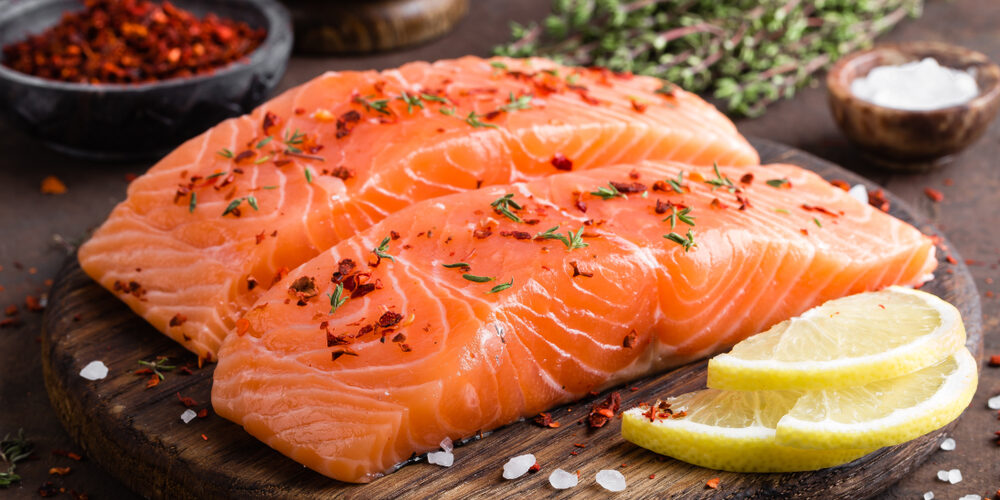
Salmon is one of the protein sources with the strongest scientific evidence linking it to sleep, according to a study published in the Journal of Clinical Sleep Medicine.
Also read: How eating garlic every day may lower your blood pressure and cholesterol
This is partly due to its omega-3 fatty acid and vitamin D content, as well as its anti-inflammatory properties.
Avoid eating too much protein
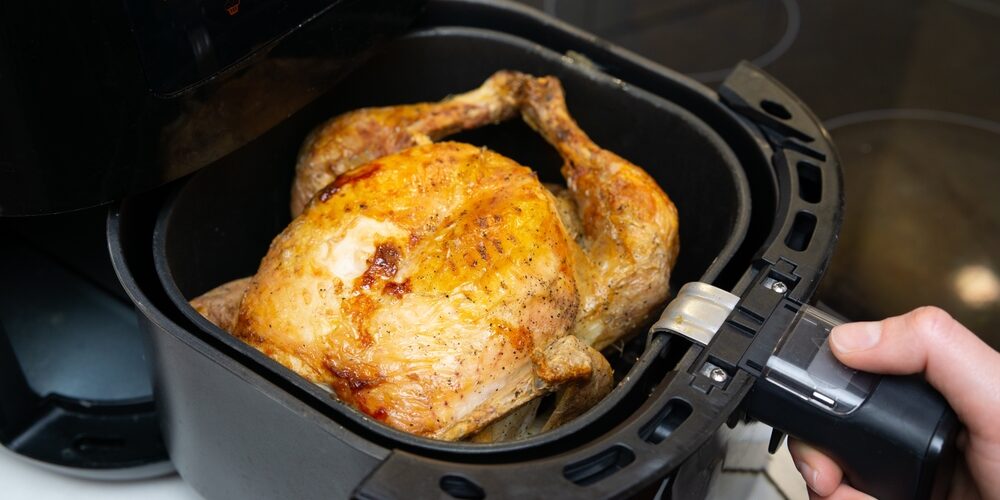
Increasing your protein intake at dinner is not necessarily beneficial.
According to nutrition experts, there is insufficient evidence that eating extra protein on its own improves sleep quality.
Combine protein with carbohydrates
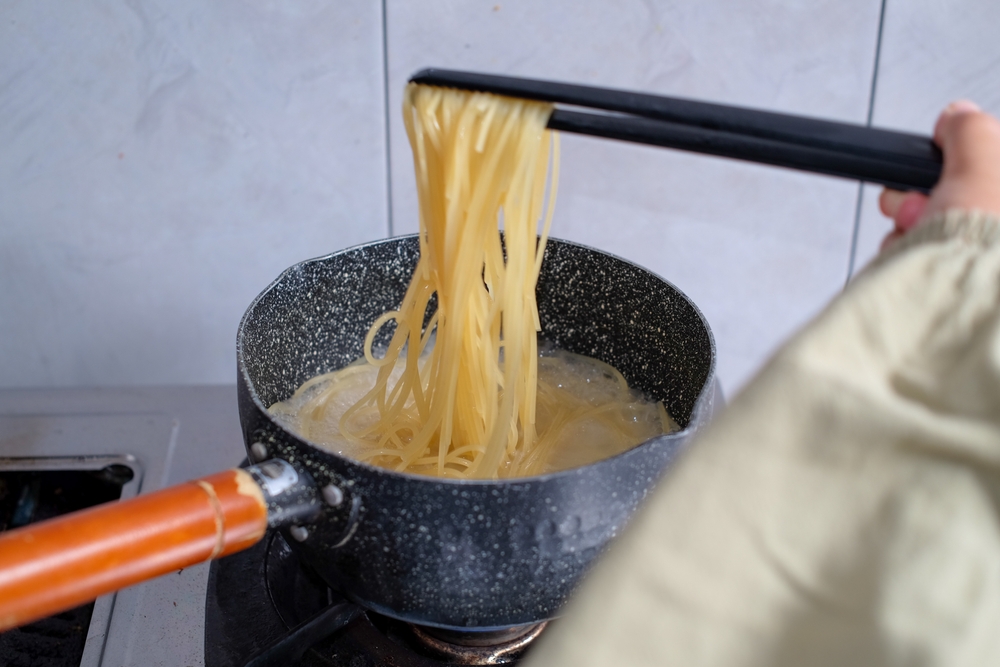
A dinner containing both protein and complex carbohydrates can be a good combination.
Also read: Millions take this bone pill: it was linked to 24% lower dementia risk
Carbohydrates may help the amino acid tryptophan reach the brain, where it plays a role in promoting sleepiness.
Choose the right portion size
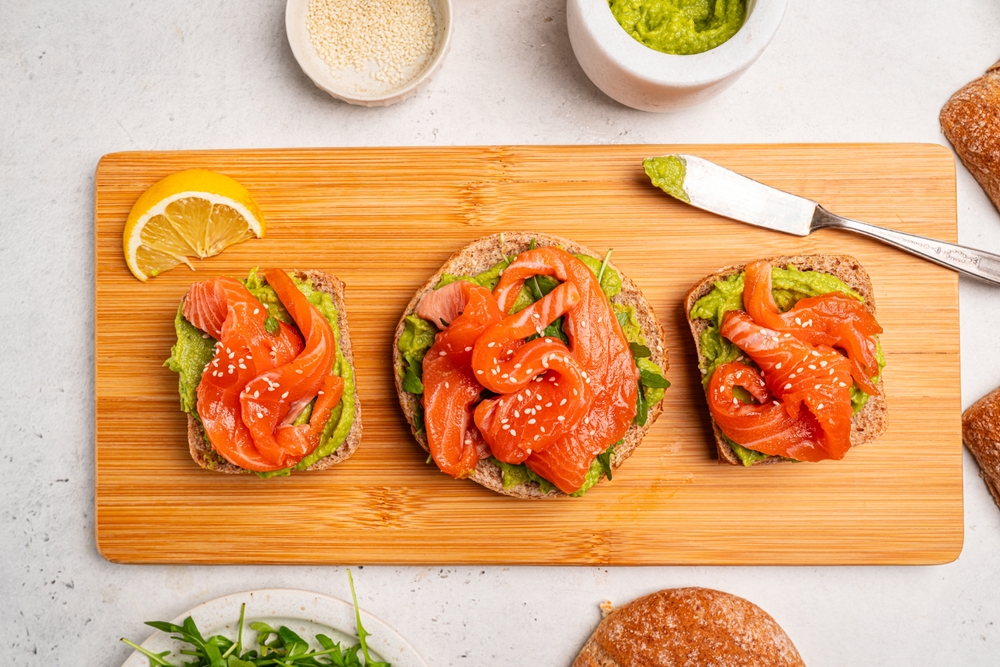
According to Real Simple, nutrition expert Sam Siegel recommends eating a moderate portion of protein.
For salmon, this means approximately 113 to 142 grams of cooked fish, roughly the size of your palm.
Brown rice can be part of your meal
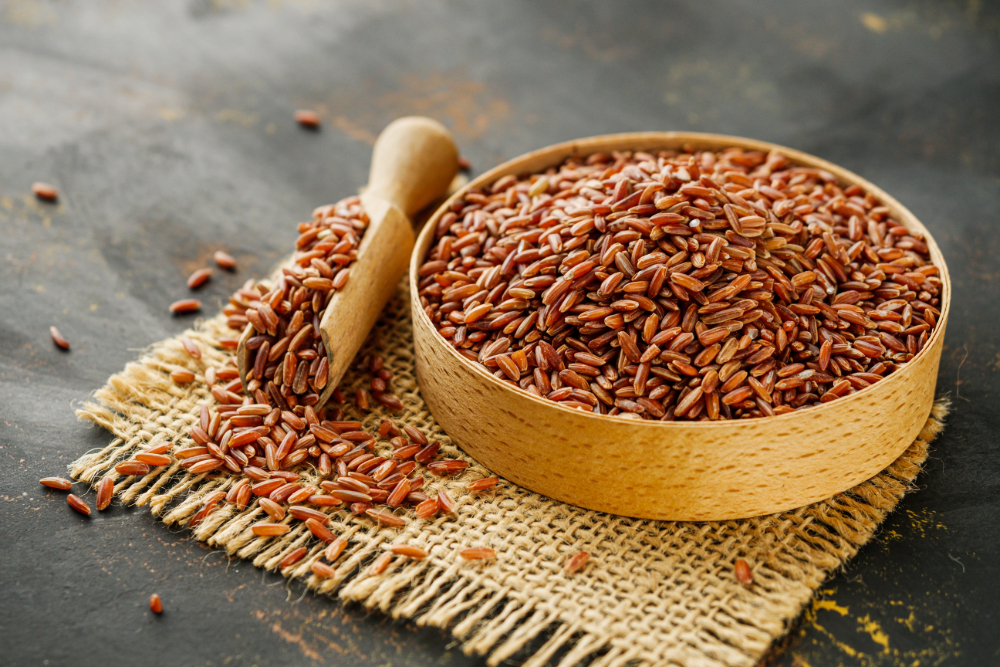
Nutrition expert Jamie Luu recommends pairing protein with brown rice, among other foods, according to Real Simple.
Also read: People who live past 100 have something unusual in their gut, study finds
Brown rice contains complex carbohydrates and can contribute to a more balanced dinner.
Turkey does not necessarily make you sleepy
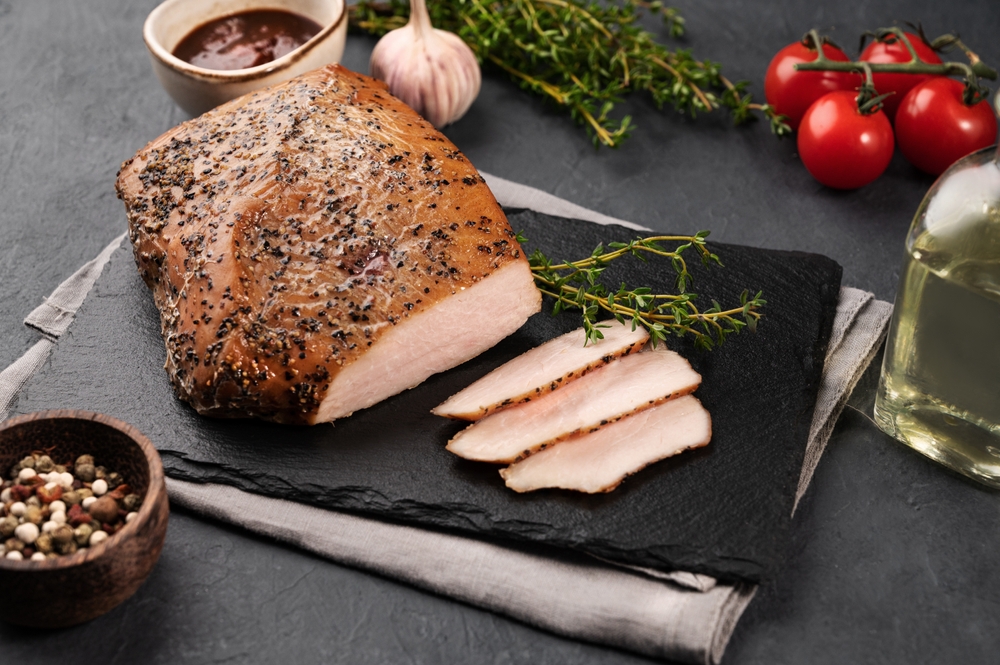
Many people associate eating turkey with feeling tired after a large meal. However, according to Sam Siegel, the belief that turkey itself makes you sleepy is largely a myth.
Large meals can cause tiredness

If you feel sleepy after a large dinner, the protein content is not necessarily responsible.
Jamie Luu explains that the tiredness is more likely related to having eaten a large meal.
Also read: Night sweats aren't always harmless: Seven possible medical causes
Tryptophan plays a role
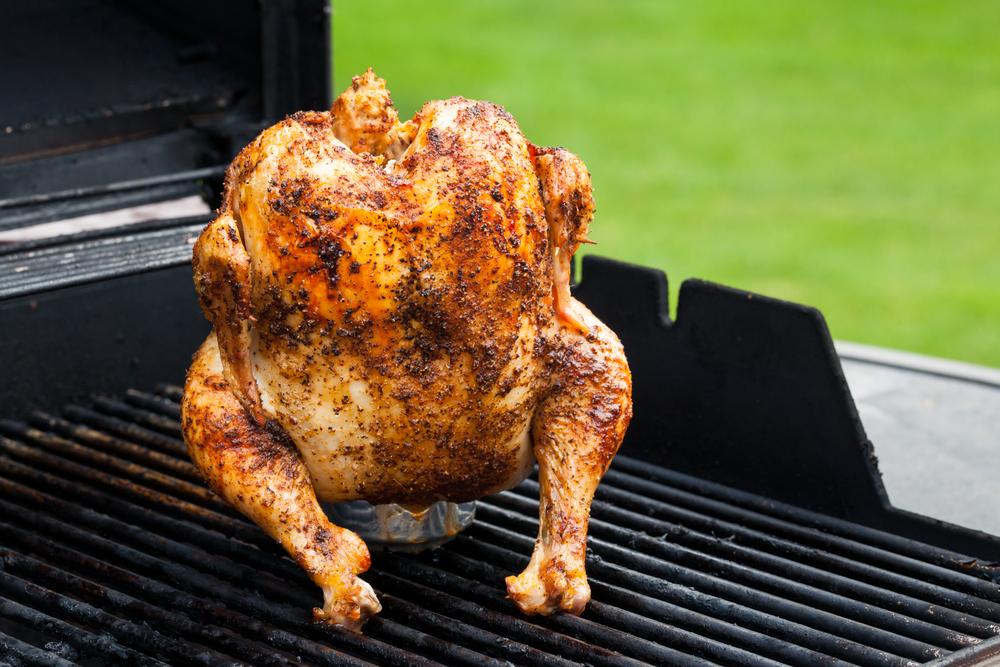
Chicken, turkey and fish contain the amino acid tryptophan, which is associated with sleepiness.
However, consuming more tryptophan through your diet does not automatically mean that larger amounts will reach your brain.
Other amino acids can get in the way
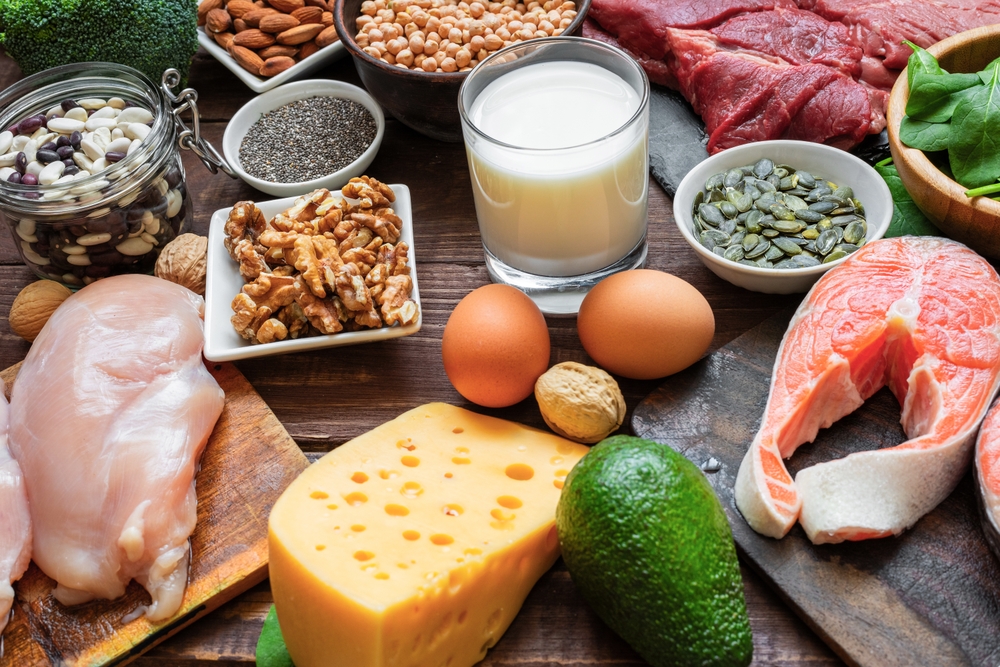
When you eat a meal that is very high in protein, more amino acids enter your bloodstream.
These amino acids compete with tryptophan for access to the brain, potentially reducing the amount of tryptophan that gets through.
Also read: When is it safe to go back to work after the flu? CDC reveals new rules
Sweet potatoes can complement protein

Sam Siegel suggests pairing salmon with foods such as sweet potatoes or the grain farro, along with vegetables.
This combination provides protein, complex carbohydrates and vegetables in the same meal.
Carbohydrates affect insulin levels
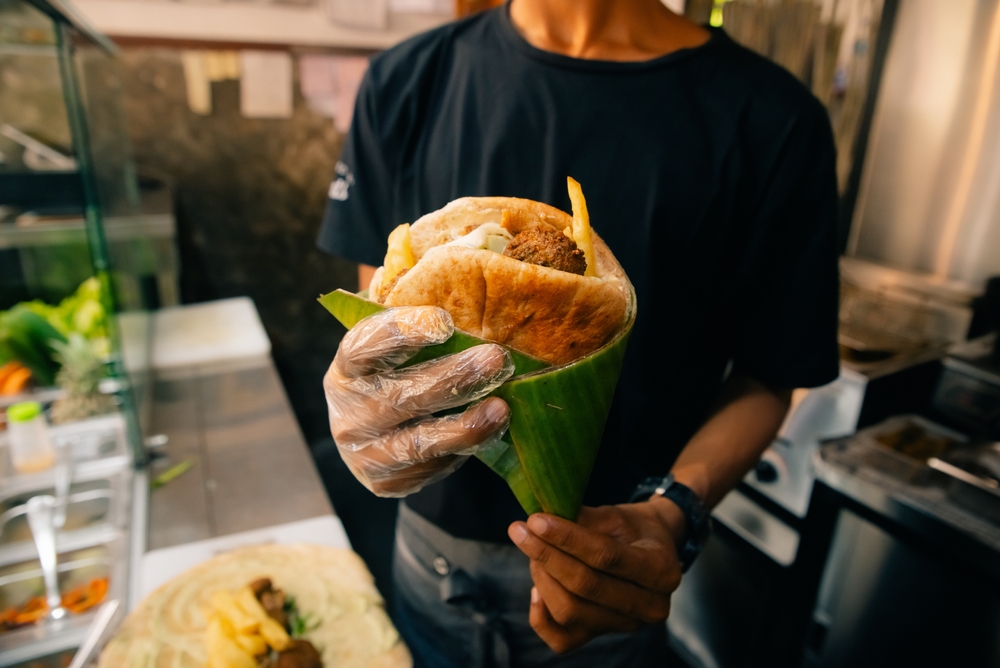
When you eat carbohydrates, your body releases insulin. This helps move some of the amino acids that compete with tryptophan from the bloodstream into the muscles.
In theory, this could make it easier for tryptophan to reach the brain. However, research published in The American Journal of Clinical Nutrition has not yet established whether this improves sleep.
Eating dinner late can cause problems for people taking weight-loss medication
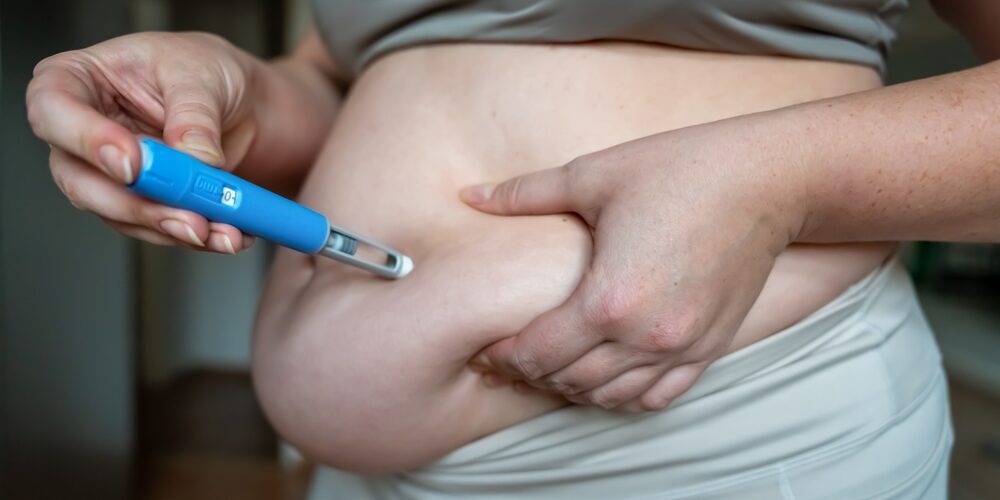
People taking GLP-1 medications should pay particular attention to when they eat dinner.
These medications cause food to remain in the stomach for longer, meaning that eating a large meal late in the evening may increase the risk of acid reflux during the night.
Your overall diet matters more than individual foods
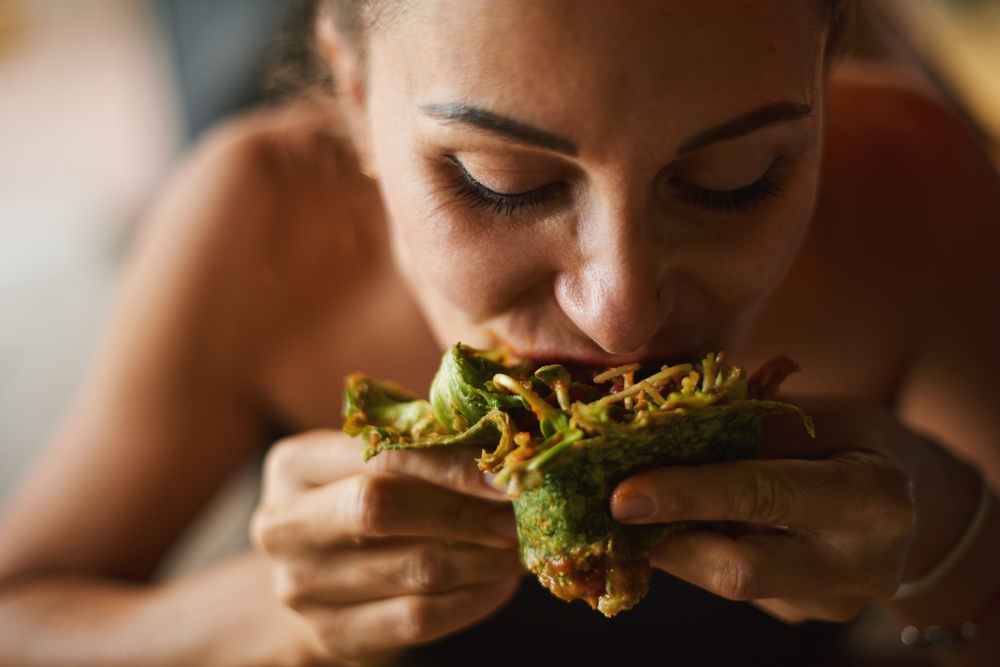
According to Sam Siegel, there is no single food that works like a sleeping pill. Instead, your overall eating habits and the composition of your evening meals have the greatest impact.
This article is made and published by Ida-Marie Palm Varbæk, who may have used AI in the preparation.