
Cold season is upon us, and many people are already noticing the first signs, such as a scratchy throat.
According to physician Mats Halldin, speaking to Netdoktor, there is no miracle cure for the common cold.
Instead, it is about maintaining good habits and relieving symptoms while the body does the work.
No proven prevention with supplements

According to Mats Halldin, there are neither vitamins nor dietary supplements that can reliably prevent colds in healthy individuals.
Also read: Which shoes are best for strength training? Research provides answers
The most important factor is maintaining healthy daily habits.
Follow general health advice
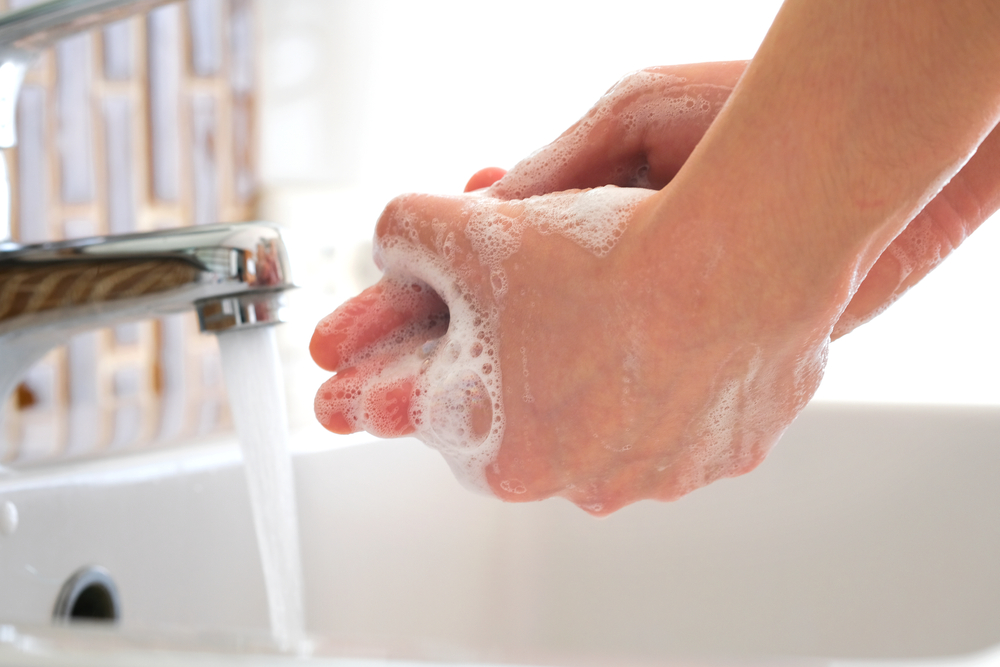
Good hand hygiene, especially when many people around you are sick, is essential.
Avoid close contact with people who have a cold and prioritize sleep, regular exercise, and a varied, healthy diet.
Research provides no clear answers

Research has examined vitamin C, zinc, and probiotics in relation to reducing the risk of catching a cold.
Also read: Each daily serving of red meat linked to higher diabetes odds
However, the results are not clear enough for these measures to be recommended as preventive solutions.
Focus on relieving symptoms

Once a cold has taken hold, the goal is not to cure it but to ease discomfort and support the body’s recovery.
Listen to your body’s signals

It is important to pay attention to how you feel and to rest if you are tired or unwell. The body needs rest to fight the infection.
Avoid strenuous physical activity

There is no need to stay in bed constantly, but you should avoid activities that leave you short of breath.
Also read: Epstein documents shed light on plant with severe toxic effects
Especially if you have a fever or feel significantly unwell, you should refrain from exercising.
Sleep with your head elevated

Sleeping with your head slightly raised can help when your nose is congested and it is difficult to breathe freely.
Use pain relief when necessary

In cases of fever or pain, over-the-counter medications such as paracetamol or ibuprofen may be used to relieve symptoms.
Be cautious with nasal spray
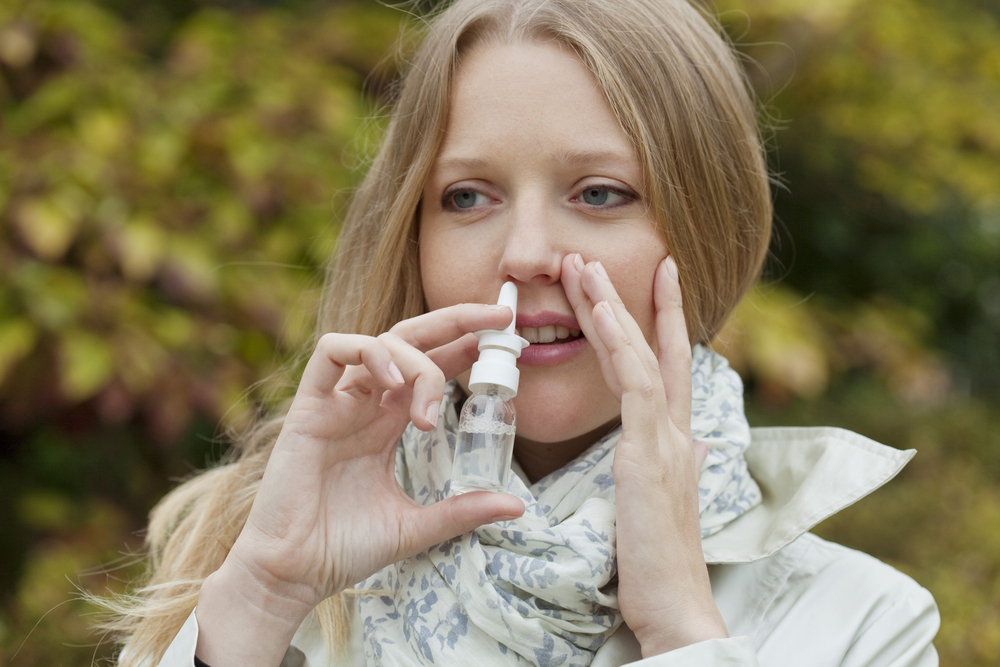
Saline nasal spray or nasal drops should be the first choice. If this is not sufficient, a decongestant nasal spray may be used for a short period.
Also read: Research explores connection between energy drinks and liver damage
Use decongestant spray only briefly
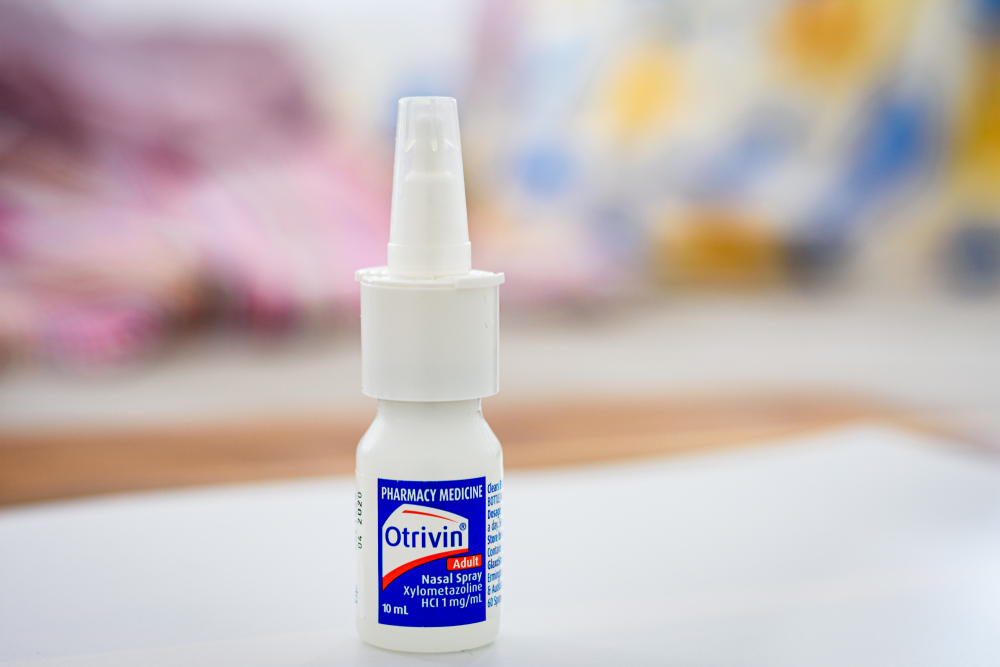
A blocked nose can make it difficult to sleep, but stronger nasal sprays should be used for no more than ten days.
Otherwise, there is a risk that the nose will become congested again once treatment stops.
No documented cure shortens the course
There is no well-documented method to shorten the duration of a cold. Neither over-the-counter medication nor home remedies can eliminate the infection more quickly.
Home remedies may provide relief

Lozenges, nasal spray, tea with honey, and pain relief medication can make it more comfortable to be ill, but they do not cure the cold or shorten its duration.
Also read: Study finds connection between soda and anxiety
Drink plenty and eat well

Fluids and nutritious food are an important part of supporting the body while it works to recover.
Avoid infecting others
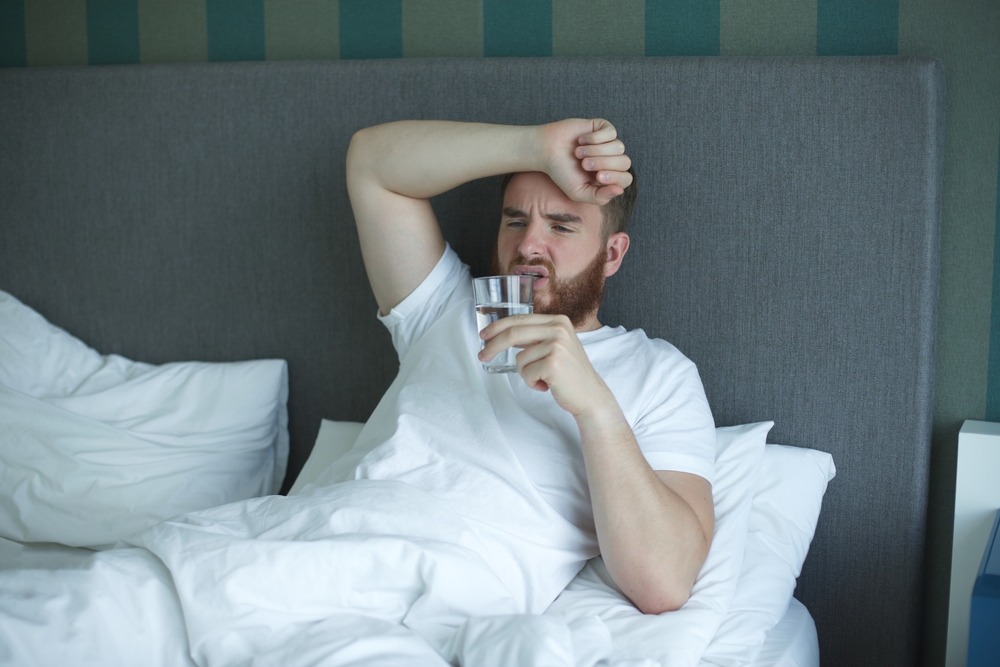
If you have clear symptoms, you should stay home from work or school to reduce the risk of spreading the infection.
Sources: Netdoktor.dk.