
It’s more than just a bad habit – doomscrolling can have real mental and physical consequences.
Doomscrolling may feel like staying informed, but it often leads to anxiety, stress, and even physical discomfort.
Here’s what you need to know about this addictive habit and how to take control of it.
An endless stream of bad news
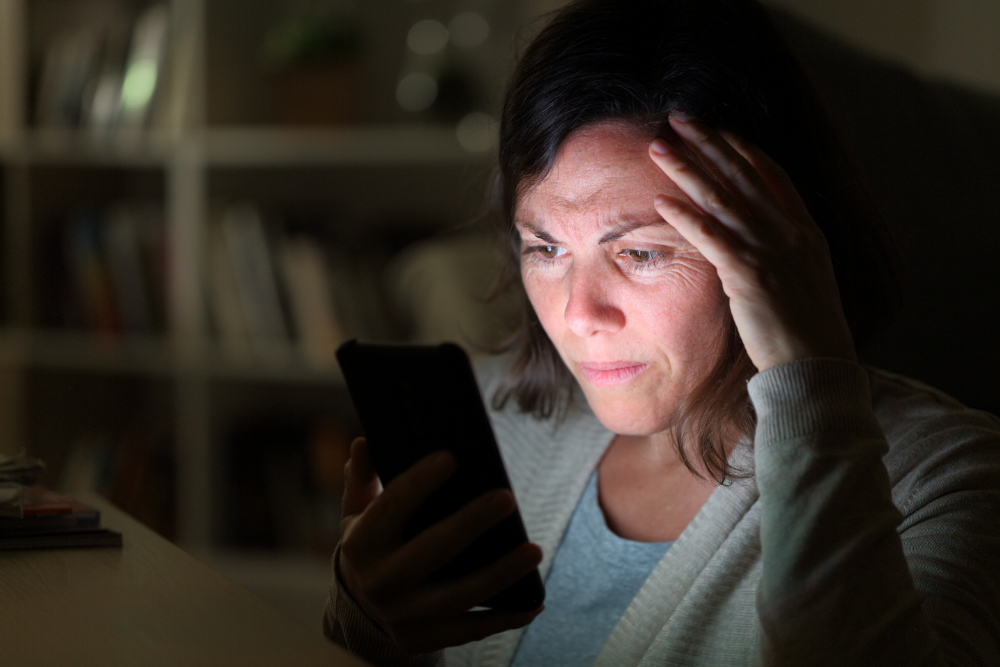
Doomscrolling is the compulsive consumption of distressing content on social media and news platforms.
It’s that moment when you keep scrolling through headline after headline – natural disasters, war, economic collapse – unable to stop.
It started during global crises

The term “doomscrolling” gained traction during the COVID-19 pandemic.
In times of uncertainty, people instinctively search for news to feel safer, even if the news is overwhelmingly negative.
It became a coping mechanism – one that many still haven’t shaken off.
A single click can spiral into hours

What starts as a harmless notification or curiosity-driven search can quickly spiral.
Before you realize it, hours have passed and you’re deep into a pit of dark headlines, feeling drained and anxious without gaining any new insight or relief.
It impacts your mental health

Studies have linked doomscrolling with increased anxiety, depression, and a distorted worldview.
Constant exposure to negative information leaves the brain in a heightened state of alert, fostering fear and hopelessness.
The toll is physical too

It’s not just your mind that suffers.
Doomscrolling can also lead to headaches, disrupted sleep, poor appetite, and physical tension – especially in the neck and shoulders from long hours spent hunched over a screen.
Your brain is chasing dopamine

Ironically, the habit persists because our brains release dopamine – our internal reward chemical – when we scroll.
The temporary hit keeps us hooked, even if the content we’re consuming makes us feel worse.
We think we’re being responsible

Many people believe they’re staying informed and in control by constantly checking updates.
But rather than clarity, doomscrolling often results in overstimulation, decision fatigue, and a deeper sense of unease.
Use time limits to regain control
A practical way to cut back is by setting time restrictions on social media and news apps.
When the limit is up, you’re forced to make a conscious choice to continue – this pause can break the cycle.
Remove the trigger completely

If time limits aren’t enough, consider deleting apps that feed your doomscrolling habit.
Without easy access, the urge diminishes, and you’re less likely to fall into the endless scroll.
Ask for outside support

Sometimes, we’re not even aware we’re doing it. Ask friends or family to gently point it out when they notice you stuck in doomscrolling mode.
A little awareness from others can go a long way in helping you shift focus.
This article is based on information from Dagens.com and Healthline.com.