
A classic breakfast with bacon, eggs, cheese, and bread can affect blood pressure both immediately and over time.
The combination of salt and saturated fat makes this meal a potential strain on the cardiovascular system, especially if it is eaten frequently.
Raise blood pressure
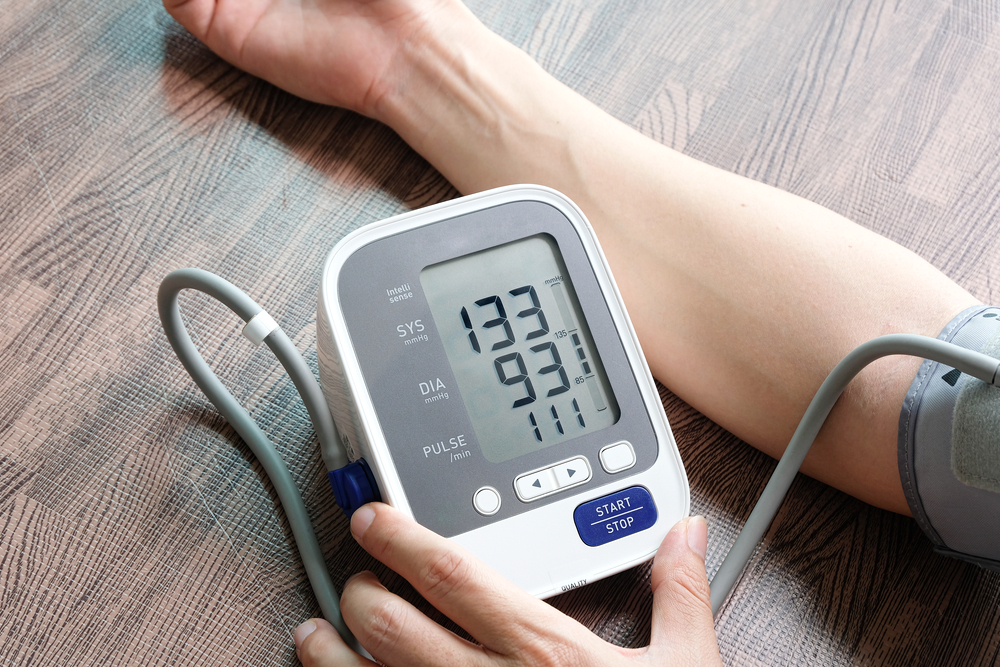
Bacon, eggs, cheese, and bread contain ingredients high in sodium and saturated fat, both of which are linked to elevated blood pressure.
This means the meal can influence blood pressure in both the short and long term.
Also read: Fasting before bedtime may affect your heart health
Causes the body to retain fluid
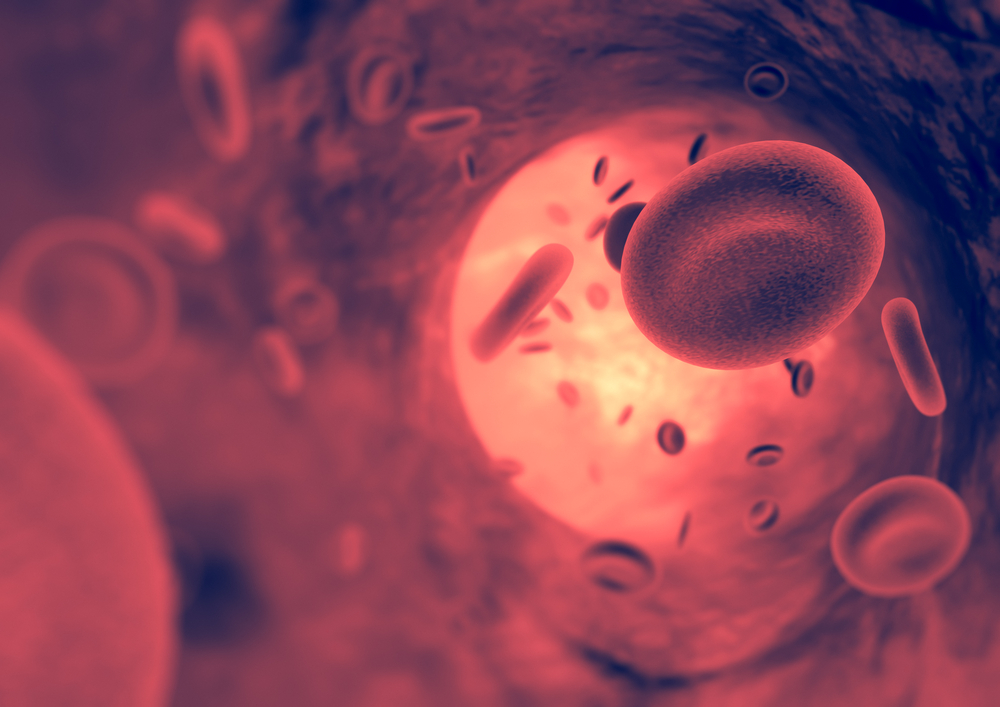
Sodium contributes to high blood pressure by causing the body to retain more fluid.
This increases blood volume and places additional pressure on the blood vessels, which can cause blood pressure to rise.
A significant source of salt
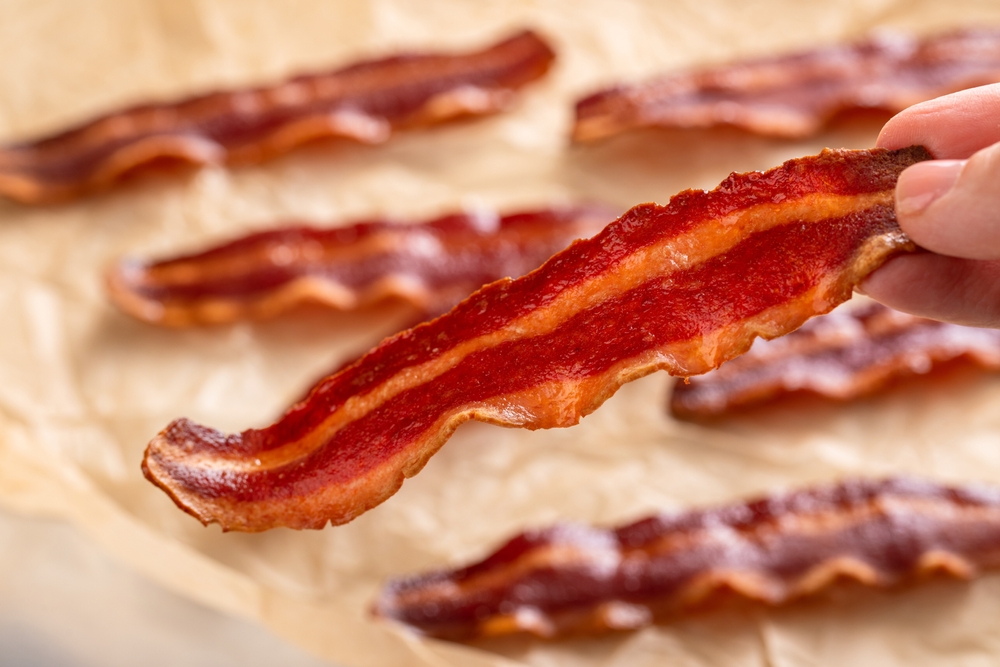
Bacon contains high levels of sodium because it is processed with salt and sodium nitrite for preservation and flavor.
Regular consumption of processed meat is associated with higher blood pressure.
Also read: Nipah virus draws attention after death of 25-year-old
Sodium in bacon
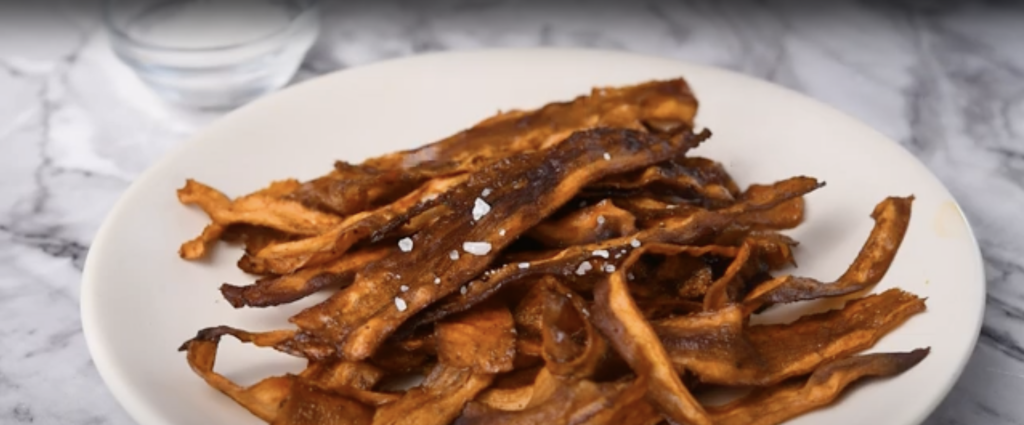
A slice of bacon weighing about 28 grams can contain between 260 and 300 milligrams of sodium, depending on the brand.
This represents a significant portion of the recommended daily limit.
Cheese also contributes salt
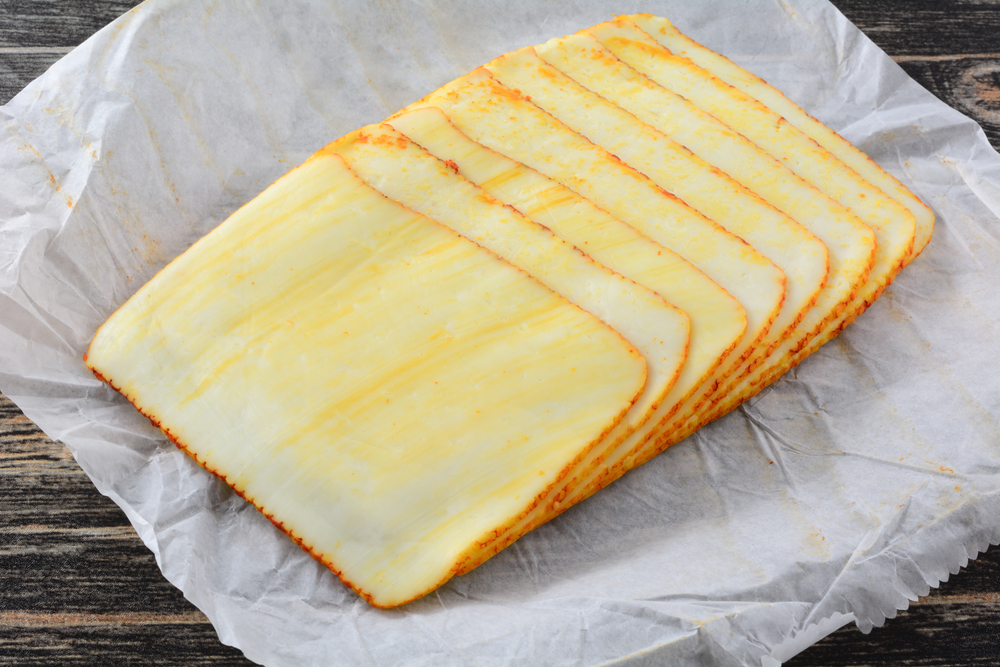
Salt plays an important role in cheese production and is used for both flavor and preservation. As a result, cheese also contains a considerable amount of sodium.
The difference between cheeses
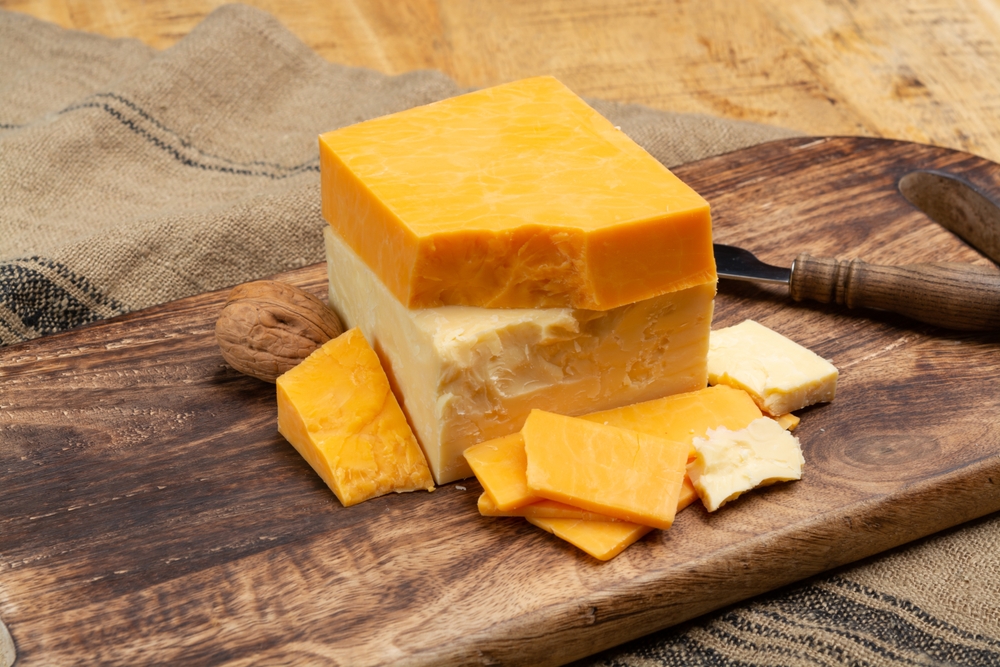
A 28-gram serving of cheddar contains 196 milligrams of sodium, while the same amount of processed cheese contains 426 milligrams.
Also read: Brain exercises may lower the risk of Alzheimer’s by 38 percent
The choice of cheese therefore has a major impact on the total salt content.
Bread can also increase sodium intake
Bread can be a hidden source of sodium. Two slices of white bread contain 260 milligrams of sodium, while two slices of whole-grain bread contain 288 milligrams.
The daily limit

When bacon, cheese, and bread are combined, the sodium content can reach between 700 and 1,000 milligrams or more.
This corresponds to up to two-thirds of the maximum recommended daily intake of 1,500 milligrams.
Also read: Sertraline may trigger dangerous condition in rare cases
Blood vessels respond quickly to salt
The ability of blood vessels to dilate can be reduced as soon as 30 minutes after a salty meal.
As a result, a single sandwich can affect blood pressure shortly after consumption.
Long-term high salt intake increases risk
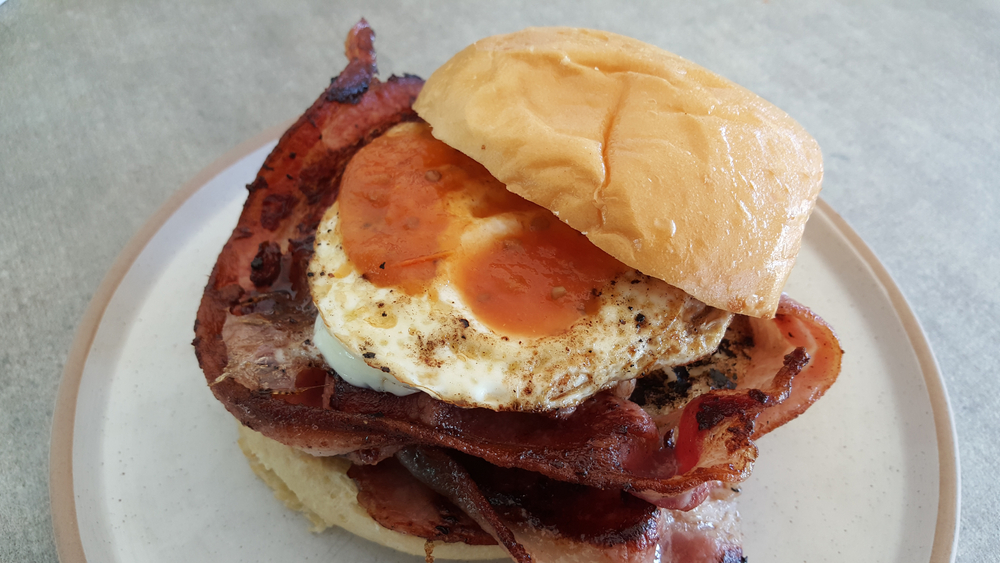
A diet high in sodium can, over time, increase the risk of stroke, heart attack, and other cardiovascular diseases as a result of persistently elevated blood pressure.
Less salt can quickly lower blood pressure
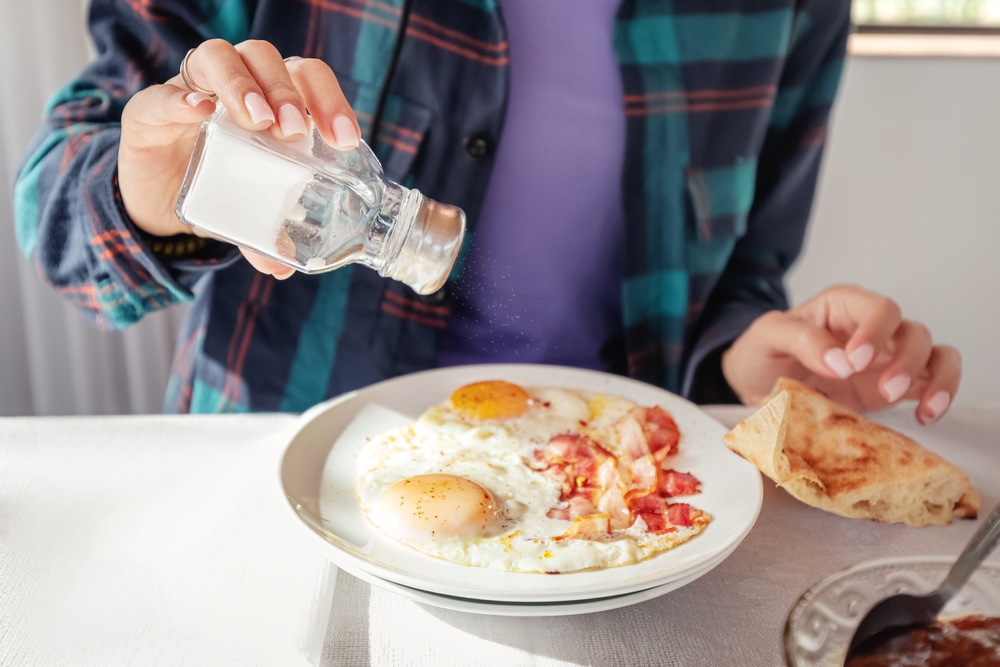
Reducing salt intake can lower blood pressure within hours to days, and significant improvements can be seen after just one week of lower salt consumption.
Also read: Pause during Trump's speech draws online attention
Saturated fat also plays a role

Both bacon and cheese contain saturated fat.
Diets high in saturated fat are associated with weight gain and obesity, which increase the risk of high blood pressure due to added strain on the blood vessels, according to a study published in Gland Surgery.
Eggs do not significantly affect blood pressure

Research published in Nutrition, Metabolism & Cardiovascular Diseases shows that consuming more than four whole eggs per week does not affect blood pressure.
At the same time, eggs are a source of complete protein and can promote increased satiety.
How to reduce the salt content

Preparing food at home can provide better control over ingredients.
You can choose bacon and cheese with reduced sodium, limit yourself to one slice of bacon, select bread with lower salt content, and pay attention to nutrition labels.
Other breakfast options
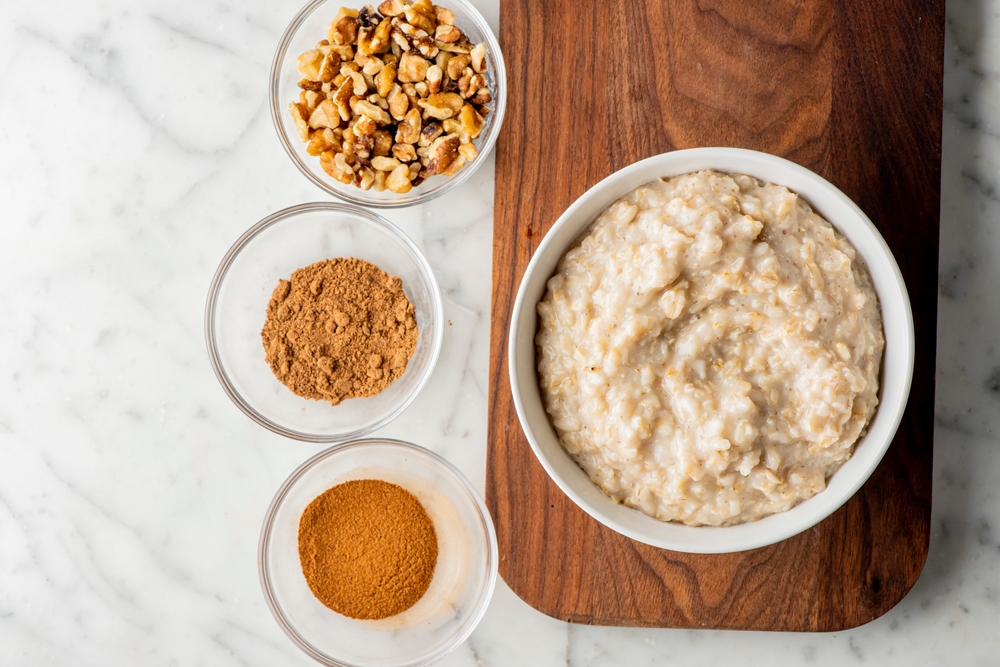
Alternatives such as whole-grain oatmeal, Greek yogurt, omelets, or fiber-rich smoothies may be better choices for blood pressure.
You can also replace processed bacon with fat sources such as avocado or salmon.
Sources: Verywell Health, Gland Surgery, and Nutrition, Metabolism & Cardiovascular Diseases.