
Energy drinks have become a popular choice for many people seeking a quick boost in a busy everyday life.
Although they can increase alertness and provide more energy in the short term, daily consumption may also have a number of consequences worth being aware of, according to EatingWell.
What energy drinks contain
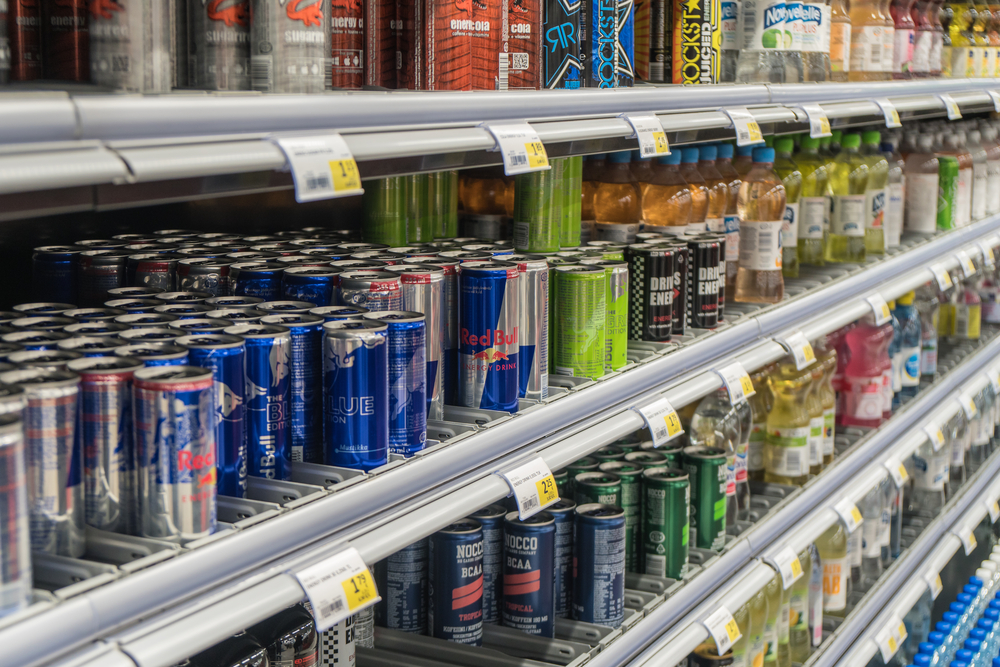
Energy drinks typically contain between 80 and 200 mg of caffeine per can, as well as sugar and various additives such as guarana, ginseng, and amino acids.
They have become extremely popular
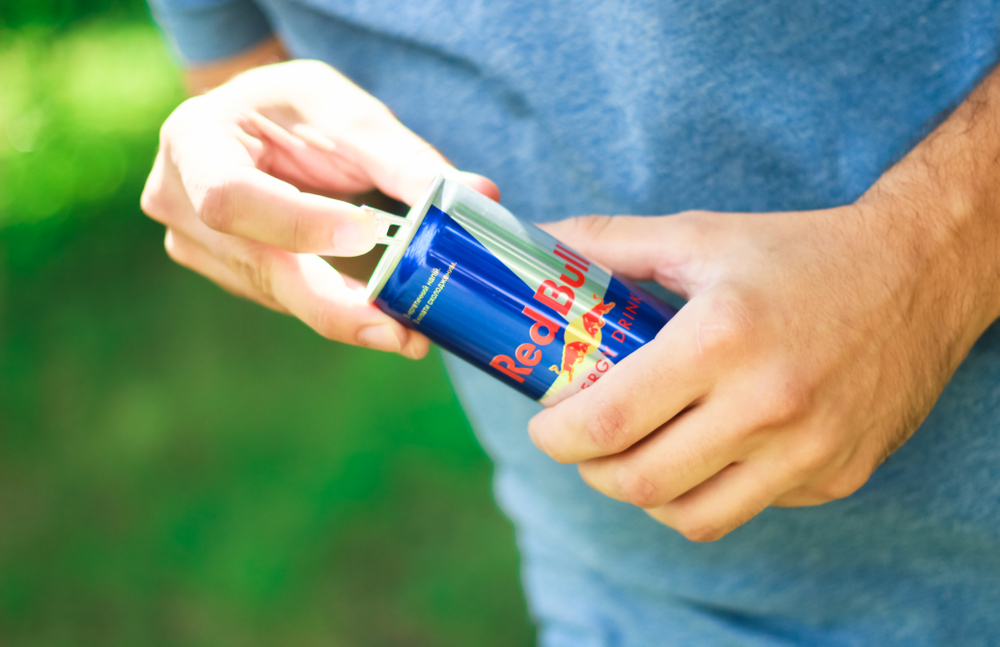
The energy drink market has grown significantly, and there is now a wide selection of brands and varieties available in supermarkets.
Also read: Forget expensive creams: Black ginseng may be the key to younger skin
A substitute for coffee

Many people choose energy drinks as an alternative to coffee because they provide a quick energy boost in daily life.
You may feel more alert

Caffeine can increase alertness, improve reaction time, and create a feeling of increased energy and improved mood.
Your performance may improve temporarily

Some individuals experience improved physical endurance and therefore use energy drinks before workouts or long days.
Your nervous system may be affected
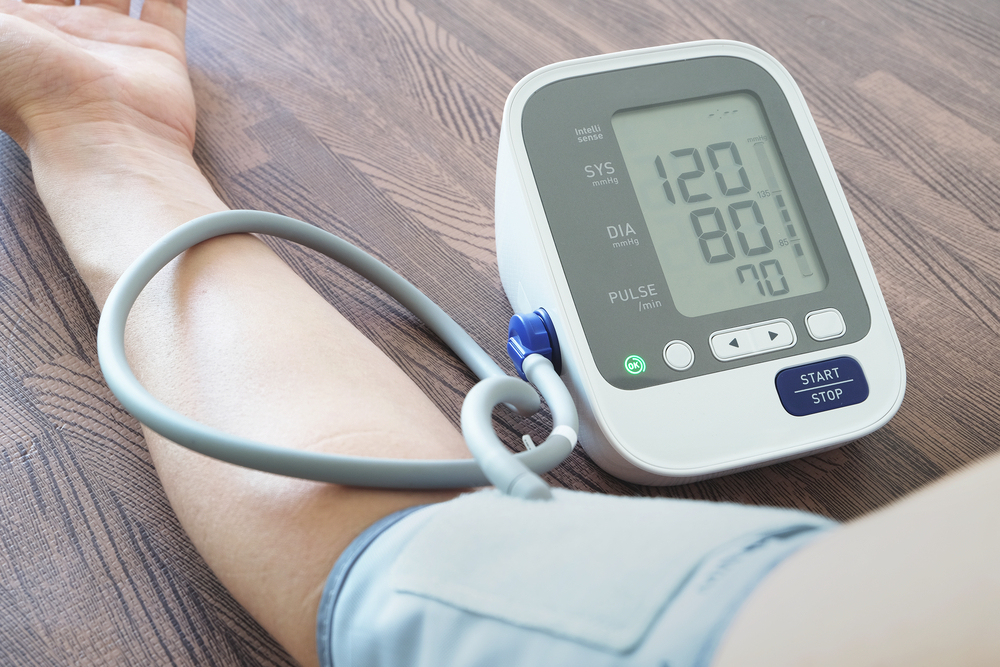
A high intake of caffeine and stimulants can increase heart rate, blood pressure, and breathing, while also causing restlessness in the body.
Also read: How cashews can affect your body if you eat them regularly
You may experience anxiety and poor sleep

Energy drinks may lead to restlessness, nervousness, and sleep problems, especially if consumed frequently or in large amounts.
The amount of caffeine may be uncertain

Because energy drinks are not regulated in the same way, the caffeine content may differ from what is stated on the label.
You may become dependent on caffeine
Frequent consumption can lead to dependency, where the body requires larger amounts to achieve the same effect.
Your sugar intake may increase significantly
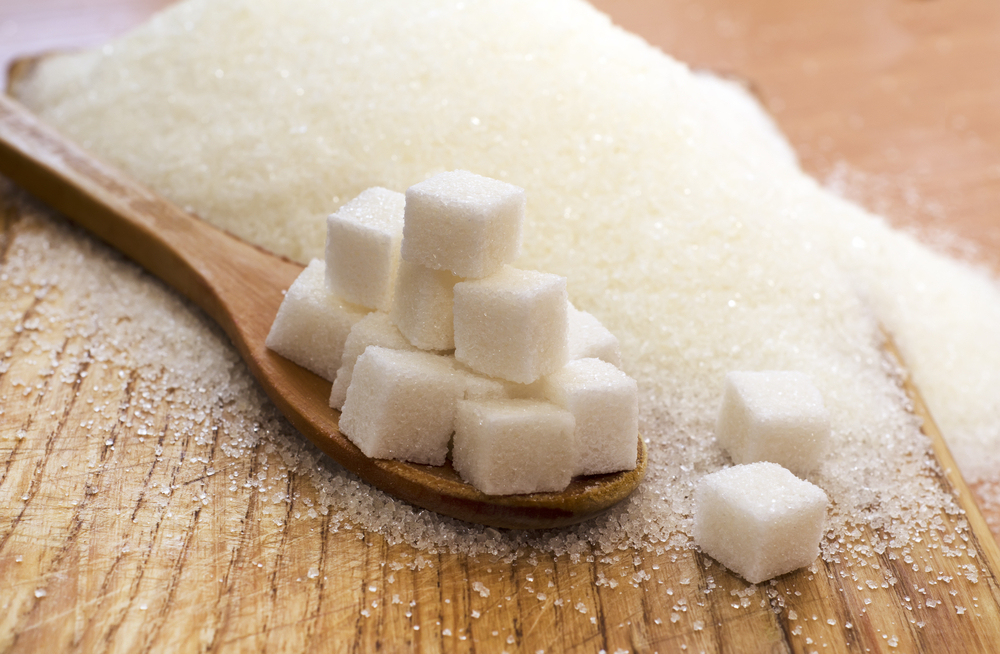
Many energy drinks contain large amounts of added sugar, which can exceed the recommended daily intake.
Also read: Common signs linked to high blood pressure
You may experience energy crashes afterward

A rapid sugar boost may be followed by a drop in blood sugar levels, making you feel more tired than before.
They are not safe for everyone

Children, adolescents, pregnant or breastfeeding individuals, and people who consume alcohol should avoid energy drinks or exercise particular caution.
Better alternatives exist

Drinks such as water, coffee, tea, milk, smoothies, and juice can also provide energy without the same risks.
Experts recommend moderation
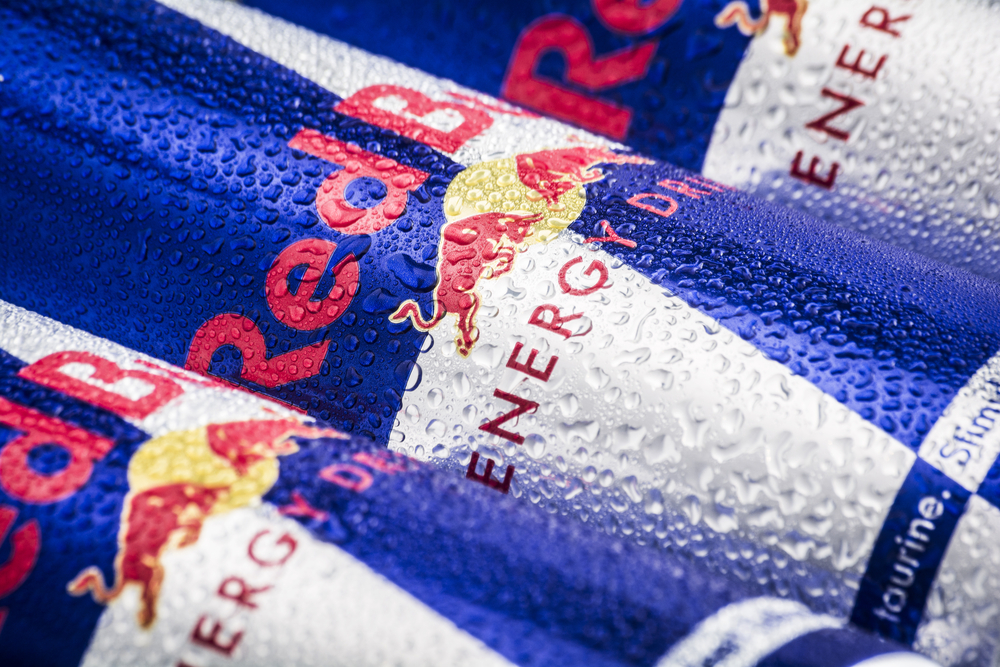
Although energy drinks can fit into a diet occasionally, experts believe that the benefits rarely outweigh the disadvantages of daily consumption.
Also read: Up to one in five strokes linked to heart disease
Sources: EatingWell.
Also read: New pill reduces LDL cholesterol by up to 60 percent