
Learning to swim is a personal journey, and how long it takes depends on many factors.
Here are the key insights, helping you understand what to expect — no matter your age or experience level.
There is no maximum age to learn how to swim
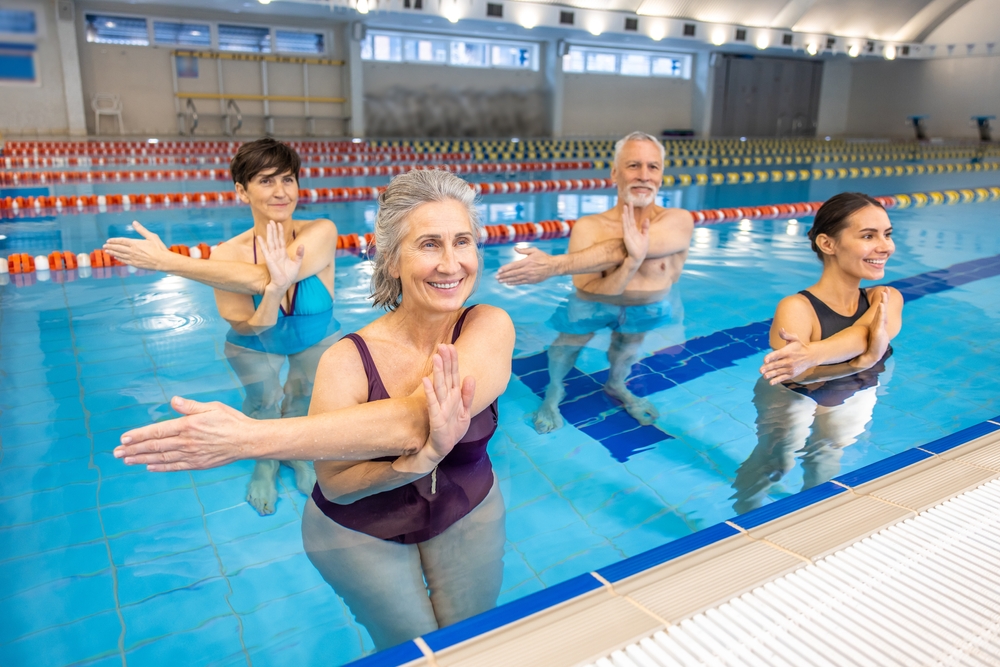
Many believe swimming must be learned during childhood, but that’s a myth. Whether you’re 3 or 93, it’s never too late.
Swimming offers lifelong benefits, especially as a low-impact form of exercise for aging bodies.
Learning to swim happens in three stages
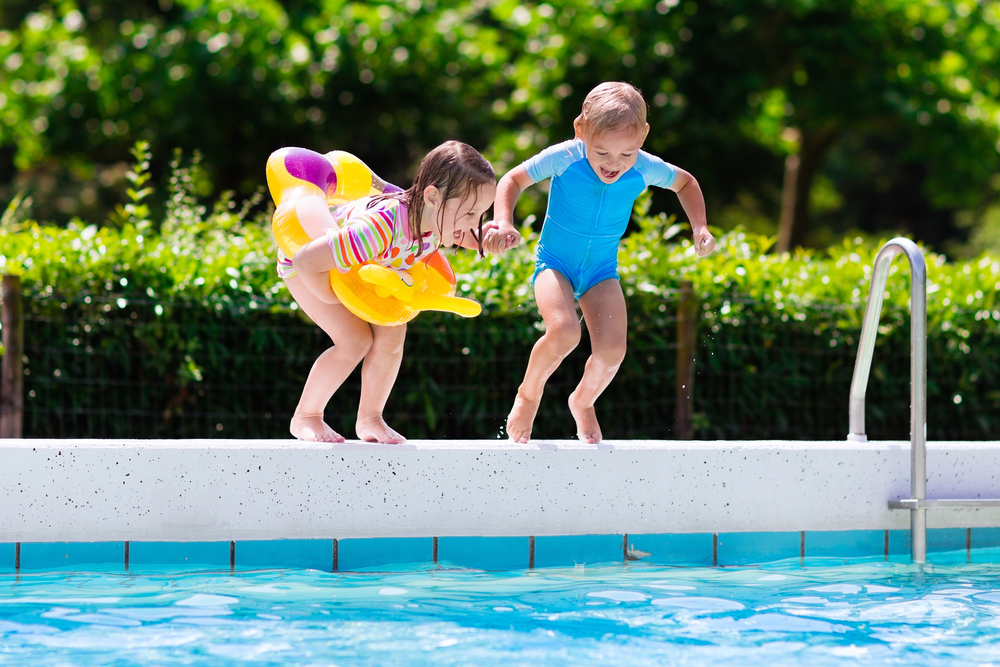
The process is broken into steps: first, building water confidence; second, mastering fundamental skills like floating and kicking; and finally, dialing in proper stroke technique for efficient swimming.
Fear of water can slow down progress
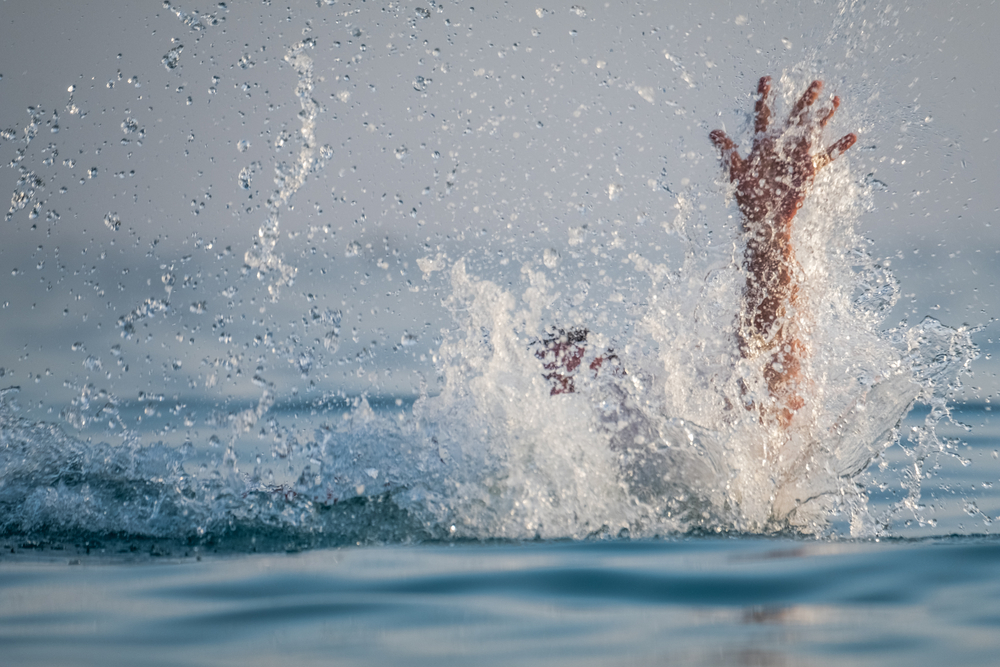
If you’re uncomfortable in the water, it naturally takes longer to learn.
Overcoming water anxiety is the first major milestone — but with the right instructor, even the most hesitant learners can succeed.
Consistency is key to faster results
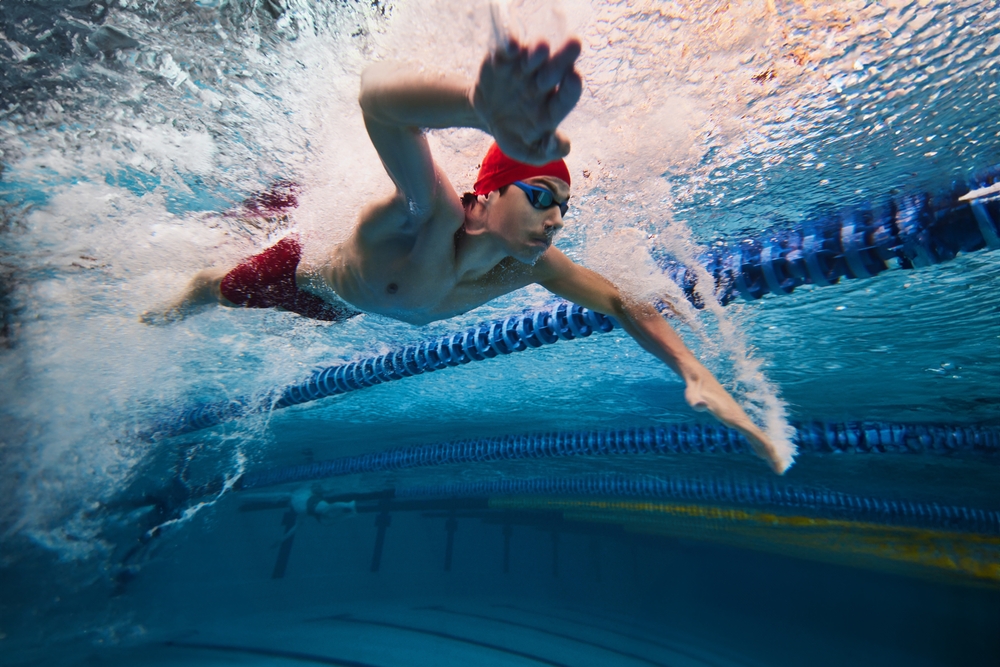
Like any new skill, swimming requires regular practice. The more consistently you attend lessons and swim, the faster your skills will compound and improve.
Frequency of lessons makes a difference
Simply put, the more you swim, the quicker you learn. Two or three sessions per week will get you swimming much faster than once-a-month visits to the pool.
Children often learn faster — but not always
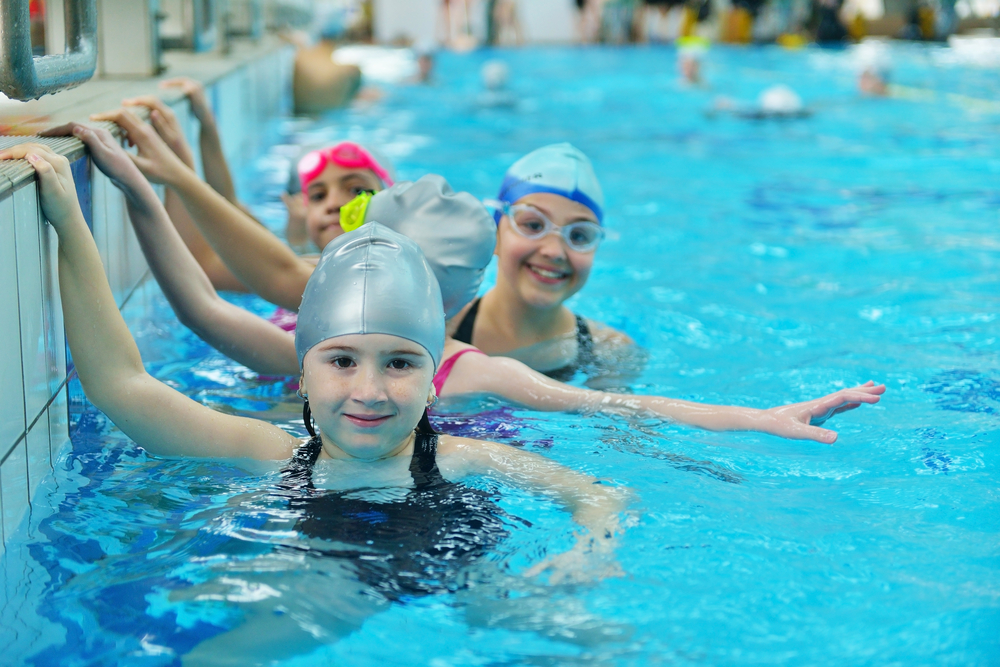
Although kids often start swimming earlier, adults can sometimes learn quicker because they are better at following instructions and staying focused during lessons.
This is how long it takes to learn how to swim
With around 20–30 hours of private lessons (spread over 6–12 months), both kids and adults can usually swim 25 meters without stopping, assuming steady progress and no major fear of water.
Becoming a strong swimmer takes 2–3 years
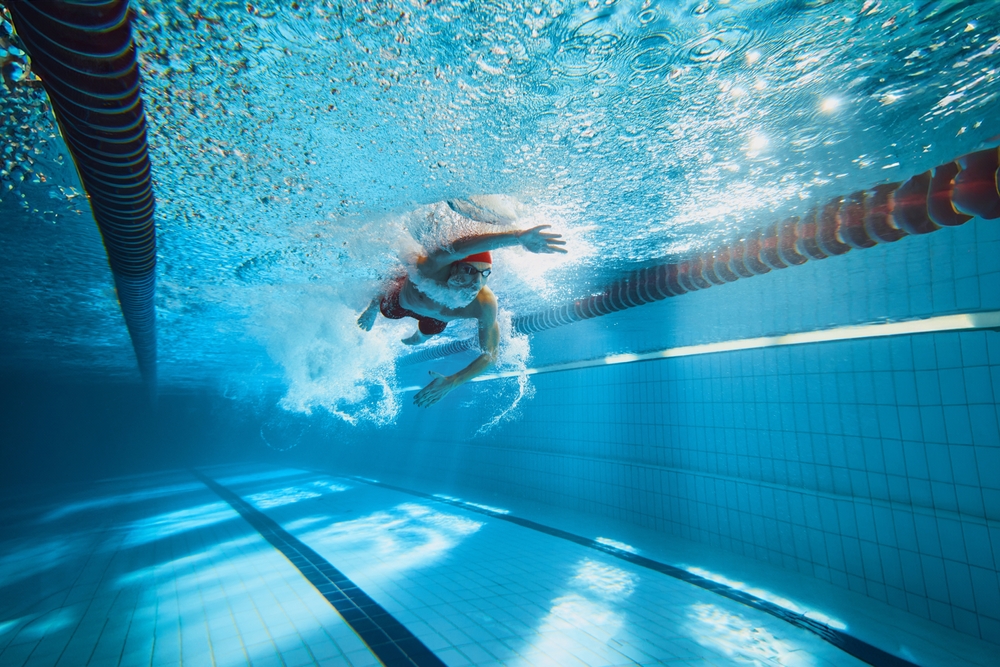
To swim longer distances, like 100 meters without a break, it usually takes consistent practice over 2–3 years, especially for children building endurance and technique.
Triathletes spend up to 2 years mastering freestyle
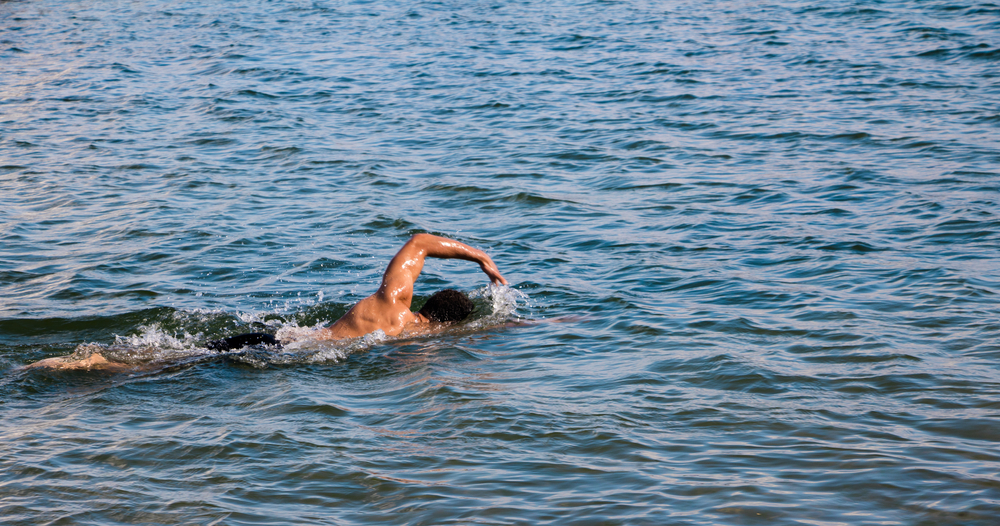
If your goal is to swim 750 meters for a triathlon, expect about 1–2 years of regular training.
Mastering longer distances like the Olympic triathlon swim requires even more time in the pool.
Five tips to speed up your swimming progress
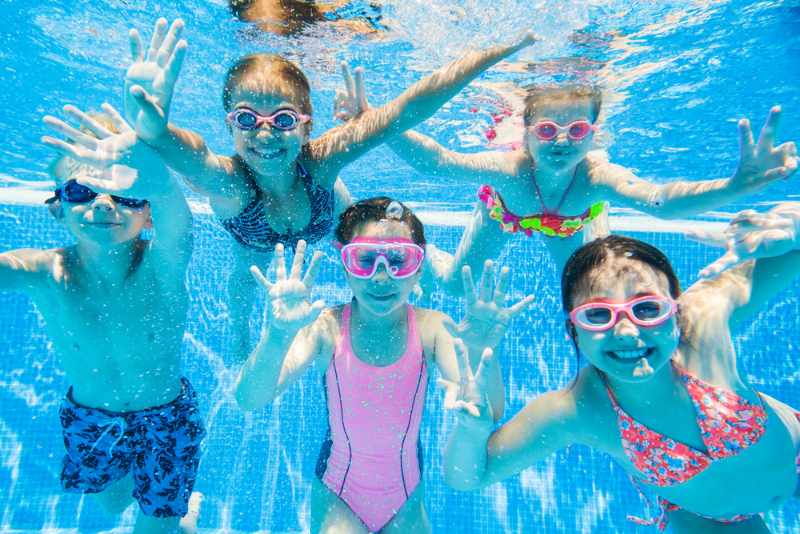
Set specific goals, find a skilled instructor, maximize your water time, focus on mastering one skill at a time, and invest in a good pair of goggles.
Small strategies like these can make a big impact on how fast you learn.
This article is based on information from SwimNow.