
Most people know that they should drink more water throughout the day.
The body needs fluids to function optimally, and this requirement varies depending on age and life situation.
The body consists of water
The human body consists of approximately 50 percent water, and we lose fluids every day through, among other things, breathing and sweating.
Therefore, it is necessary to continuously replenish fluids in order to survive.
Also read: New study: A steak may reduce the risk of dementia
Consequences of dehydration
If you do not drink enough, you can become dehydrated, which can negatively affect both health and well-being.
Symptoms of too little fluid

Dehydration can lead to headaches, confusion, fatigue, constipation, difficulty concentrating, and urinary tract infections.
General recommendation for adults
According to the NHS, most people should consume between 1.5 and 2 liters of fluids daily.
Fluids from sources other than water

Fluids can also come from other drinks and foods such as tea, coffee, milk, melon, soups, and stews.
Also read: Scientists intrigued by lobsters’ unusual aging process
Children aged 4 to 8
Children in this age group should drink around 1.2 liters of fluids daily, which corresponds to approximately six to eight glasses.
Why children need fluids
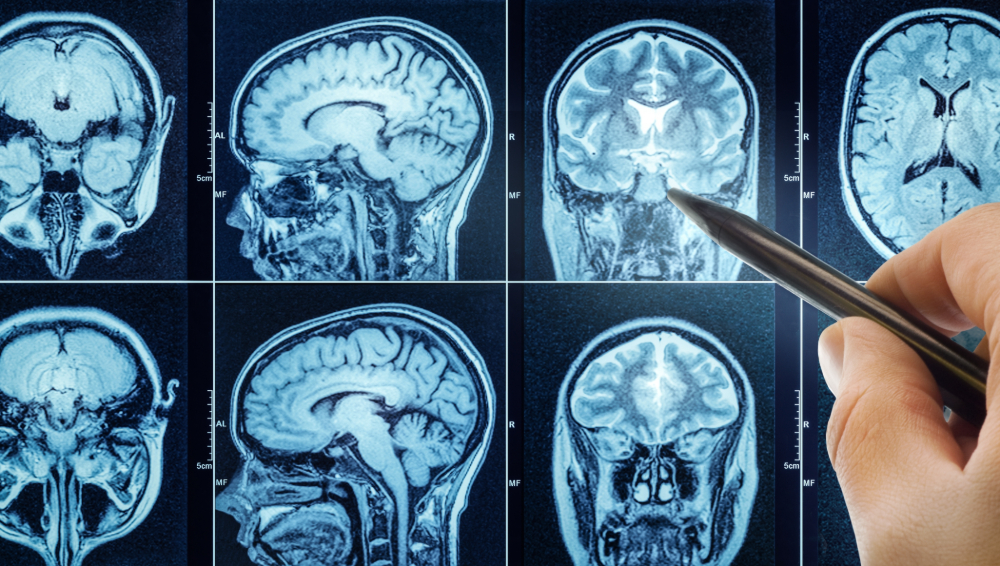
In children, fluids are important for brain function, digestion, and the regulation of body temperature.
Teenagers have increased needs

Teenagers have a higher fluid requirement, especially between the ages of 14 and 18, when the body is developing.
Difference between boys and girls

Teenage boys should drink between 1.6 and 1.9 liters daily, while girls should aim for around 1.5 liters.
Also read: How kiwi can affect your body if you eat them regularly
Adults under 60
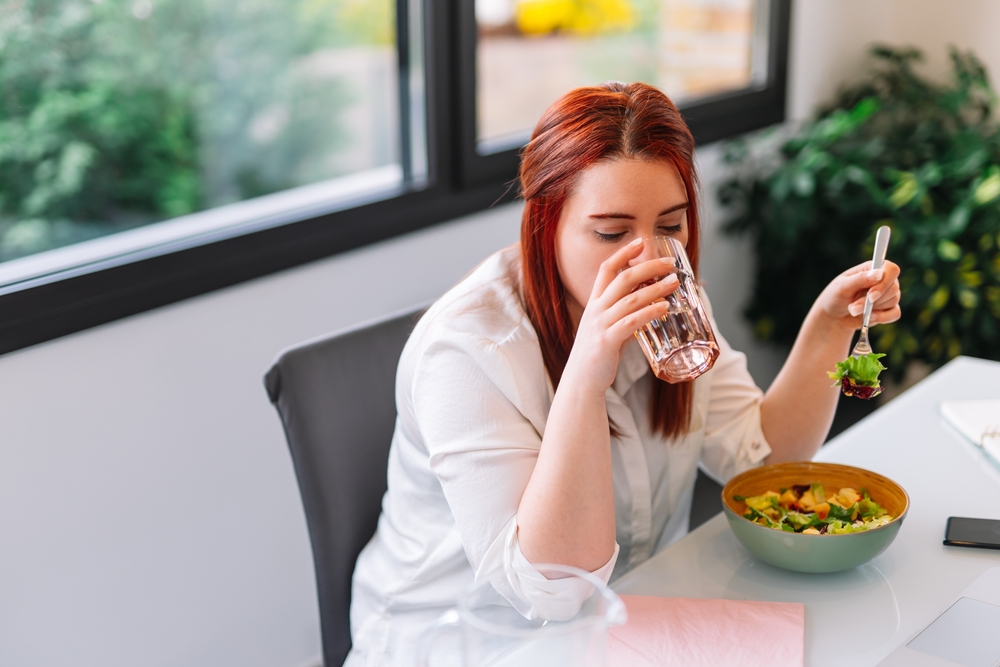
Women should drink approximately 1.6 liters daily, while men should drink around 2 liters.
Adults over 60
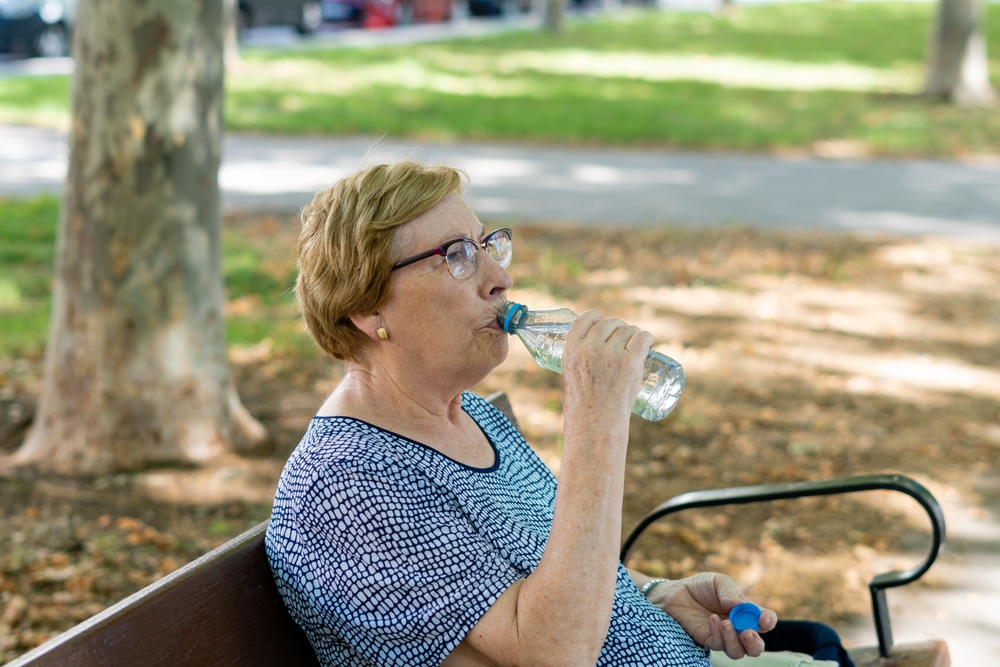
People over the age of 60 should consume between 1.6 and 2 liters daily, as the sensation of thirst decreases with age.
Signs of sufficient fluid intake
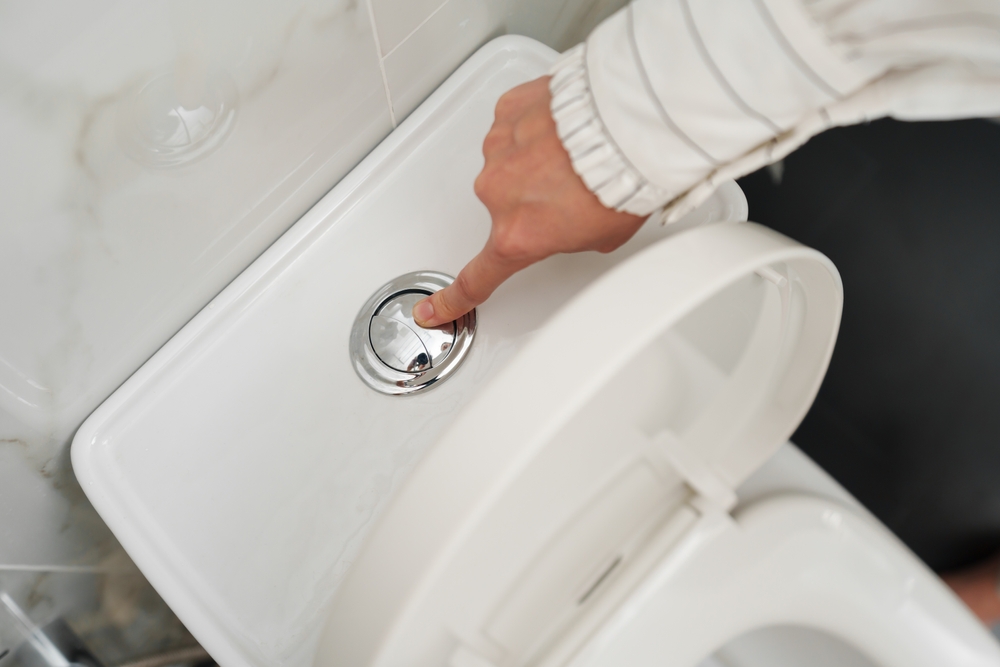
The color of urine is a good indicator. If it is light, similar to white wine, you are getting enough fluids, while a darker color indicates a need for more.
Pregnancy and breastfeeding

Pregnant women should drink around 2.3 liters daily, while breastfeeding women should aim for approximately 3 liters to support milk production.
Also read: These persistent symptoms may be early signs of cancer
Physical activity increases needs
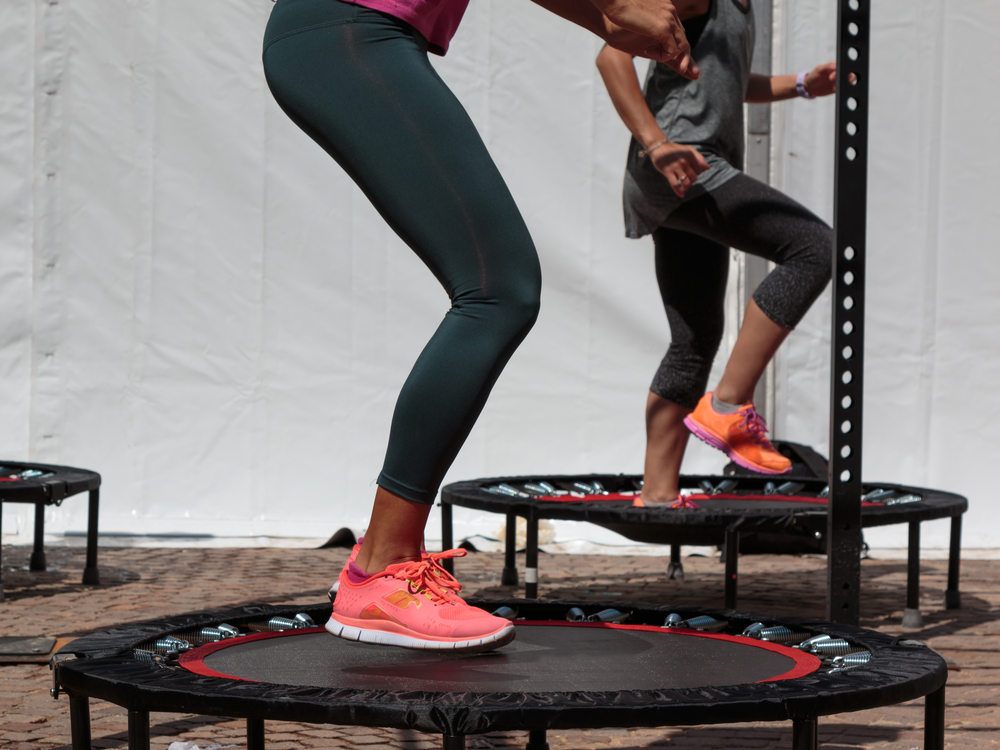
During exercise, it is recommended to drink before training, during activity, and afterward to replenish fluid loss.
The impact of climate
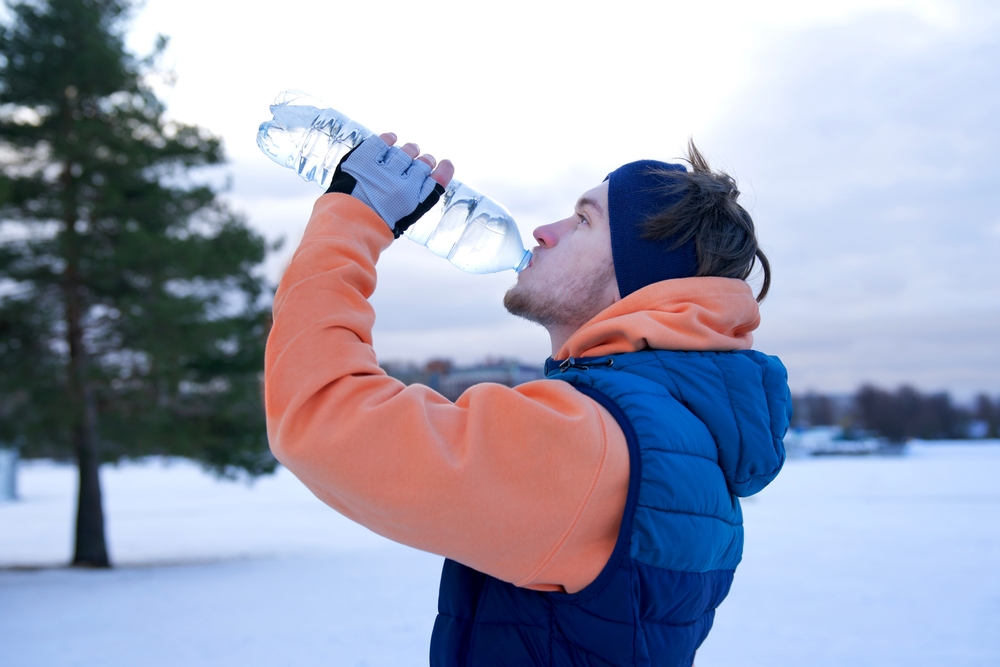
High temperatures and altitude can increase fluid loss through sweating and breathing, which requires increased fluid intake.
Illness affects fluid needs

In cases of fever, vomiting, or diarrhea, it is important to drink more to avoid dehydration.
Also read: These “perfectly normal” symptoms could be signs of a brain tumor