
Frozen meals often have a reputation for being highly processed and salty, but there are also healthy and well-balanced options available.
Dietitians point to several criteria that make it easier to choose nutritious solutions when time is short.
Enough protein
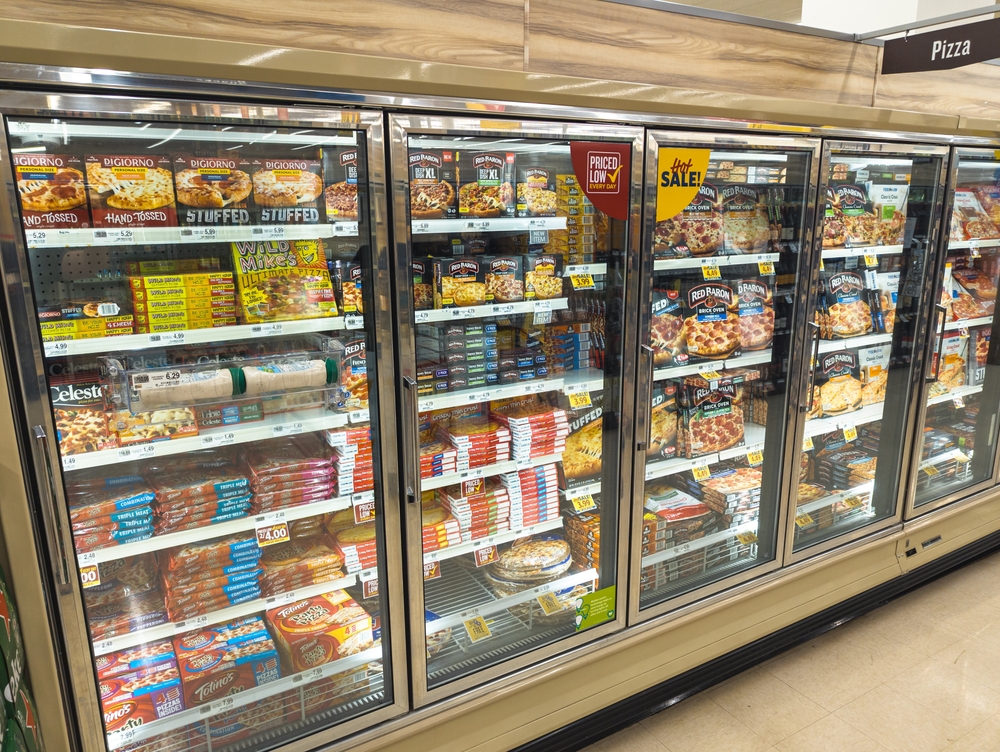
Dietitian Kat Benson explains that she chooses frozen meals with enough protein to help her stay full and energized.
She typically aims for around 20 to 30 grams of protein per meal.
Also read: Donald Trump dismisses fears of Alzheimer’s despite family history of the disease
Minimum protein requirements
Dietitian Devon Golem recommends at least 15 grams of protein.
She also notes that you can supplement with a glass of low-fat milk, plant-based milk, or cow’s milk to increase the protein content.
The importance of fiber
Devon Golem emphasizes that fiber is essential and recommends a target of 3 to 5 grams per meal.
If a dish does not reach that level, you can add extra vegetables yourself.
Also read: Weight often returns after stopping obesity drugs, study finds
Vegetables for greater satiety
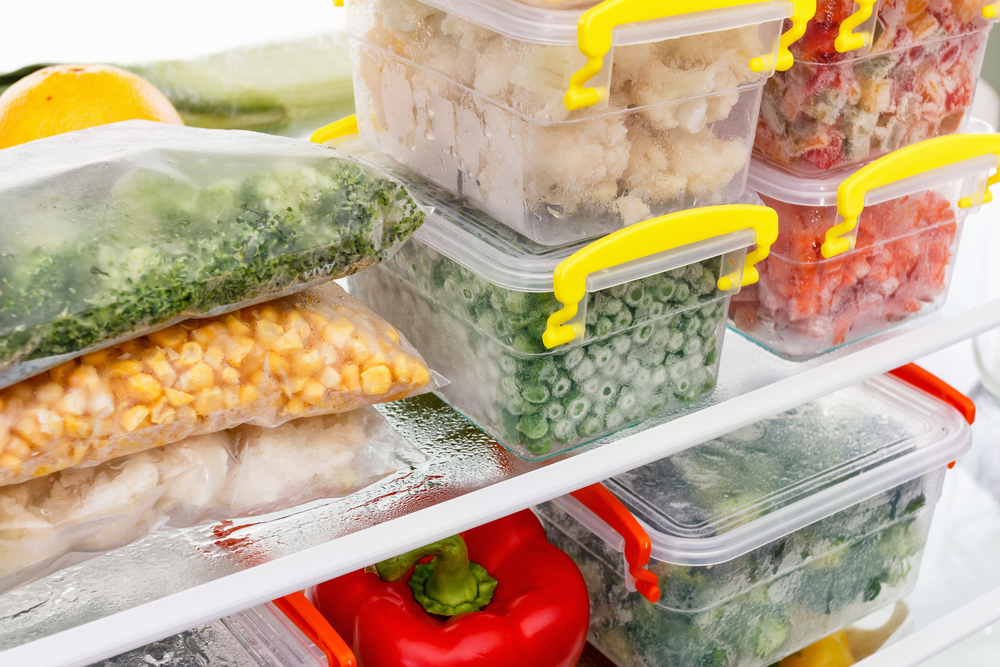
Kat Benson says that she often adds a handful of salad mix, sugar snap peas, or baby carrots. This makes the meal more filling and provides more fiber.
Less salt and sugar
All the dietitians agree that you should choose meals with as little added sugar and salt as possible.
Devon Golem recommends keeping sodium below 700 milligrams and sugar ideally at 5 grams or less.
Whole and recognizable ingredients
Dietitian Melissa says that the ingredient list should consist of recognizable, whole foods.
Also read: New study: AI improves early detection of breast cancer
She prefers meals with around 600 calories or fewer.
Vegetables as a large part of the meal
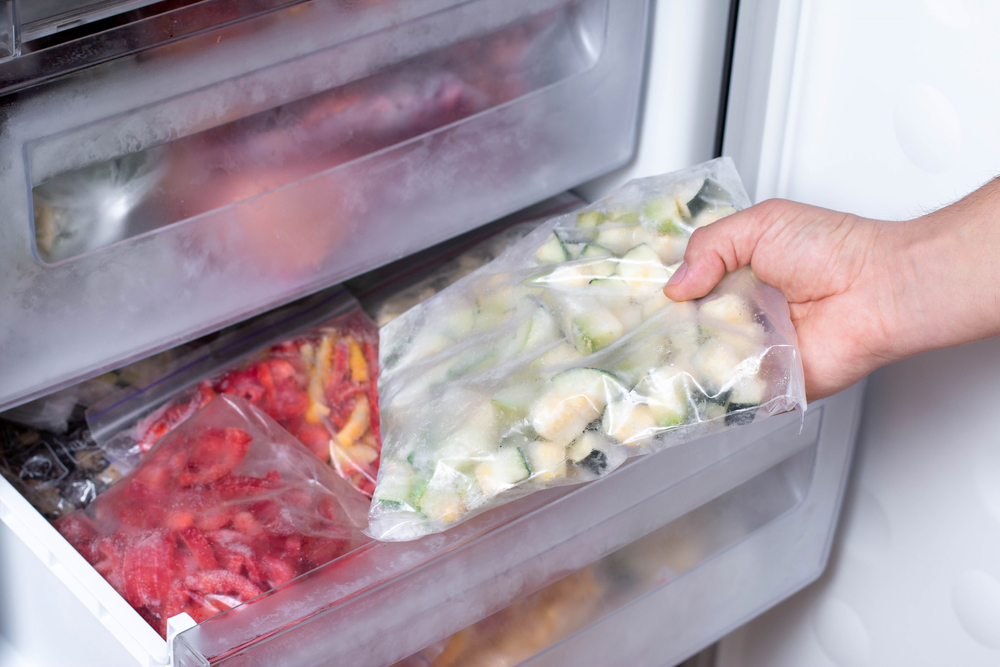
Devon Golem explains that an ideal meal should visually include vegetables making up at least a quarter of the portion.
Taste matters so the meal actually gets eaten

Devon Golem points out that a meal you actually enjoy is better than a “perfect” meal that ends up untouched in the freezer.
Frozen meals can be helpful during busy periods

Kat Benson believes that frozen meals can be helpful when everyday life is hectic, plans change, or you need a break from cooking.
Also read: Cholesterol levels dropped after a tightly controlled two-day oat diet
Convenience
Kat Benson also highlights that frozen meals can increase access to healthy food because they require minimal preparation.
A meal should provide both fullness and energy

Kat Benson explains that a good frozen meal should keep you satisfied and energized, especially on days when you do not have time to cook from scratch.
Combination of nutrients
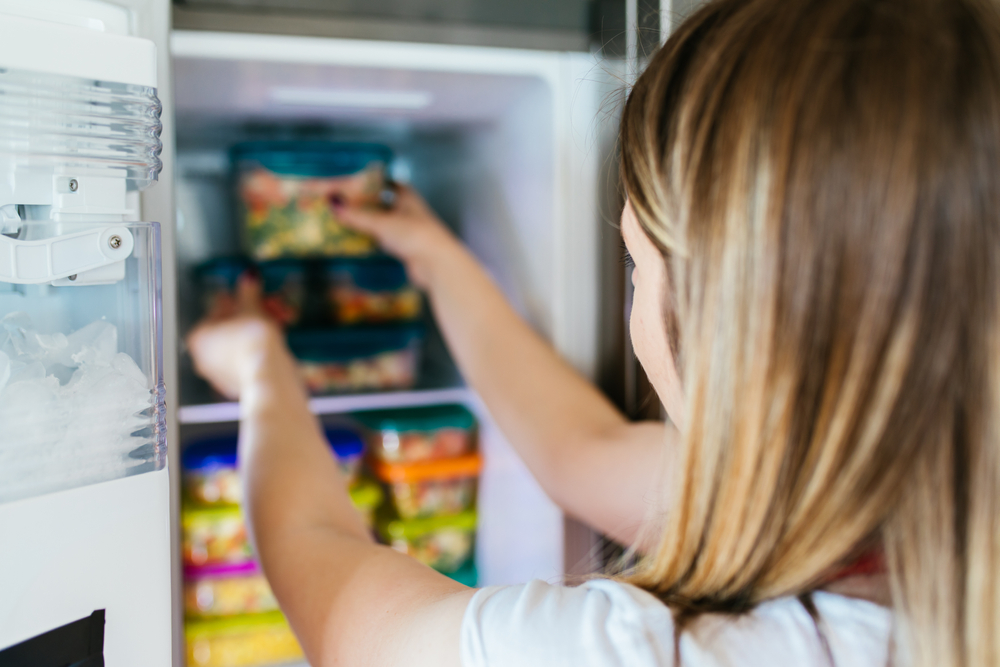
Melissa Mitri believes that the best options are those that combine protein, fiber, and whole foods, resulting in a more nutritious and balanced meal.
Sources: Real Simple.
Also read: Researchers review ancient Chinese herb as potential hair loss treatment