
There are many paths to weight loss, and small adjustments in everyday life can make a big difference.
Below is an overview of advice and options that can support you in getting started and staying on track.
What weight loss can do for you

Losing weight can increase your energy levels and reduce the risk of obesity-related conditions such as heart disease and type 2 diabetes if you are overweight.
Use BMI to assess your weight
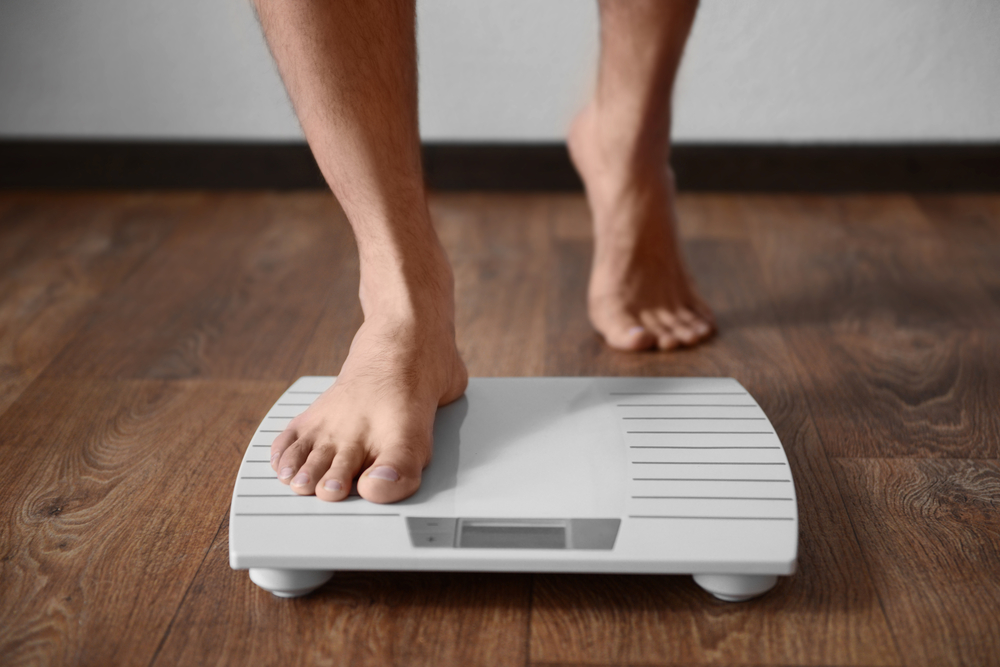
Body mass index is used to assess whether your weight is appropriate for your height, and the calculation requires only a few basic details.
Also read: These dietary supplements should not be taken together
Take one step at a time
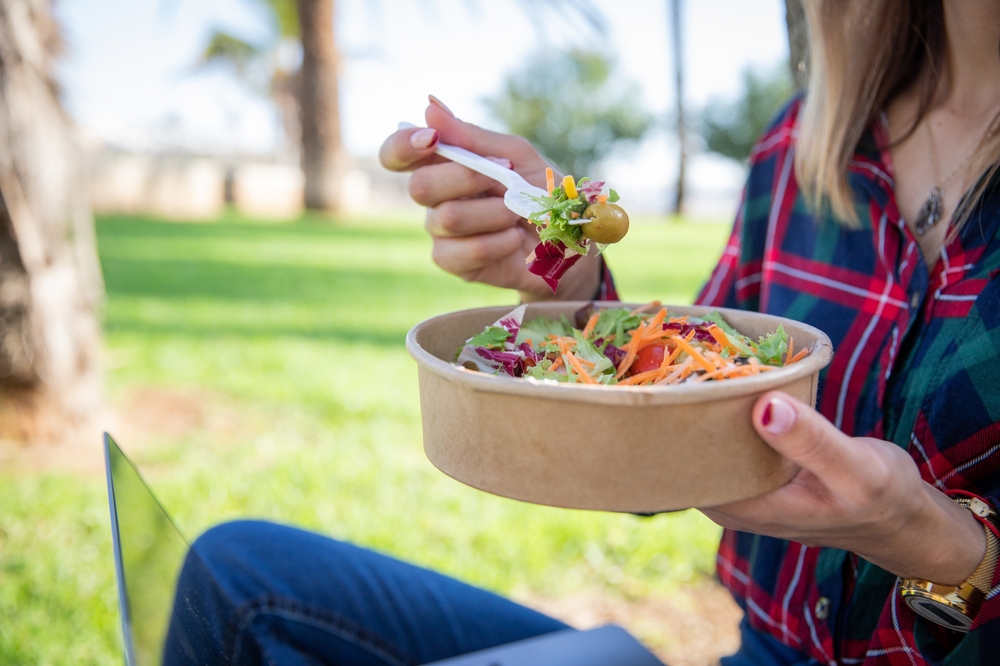
You do not need to change everything at once. Instead, you can try individual measures and see what works best for you.
Be physically active each week

It is recommended to be active for 150 minutes per week, and this time can be spread across shorter exercise sessions.
Eat fruit and vegetables daily
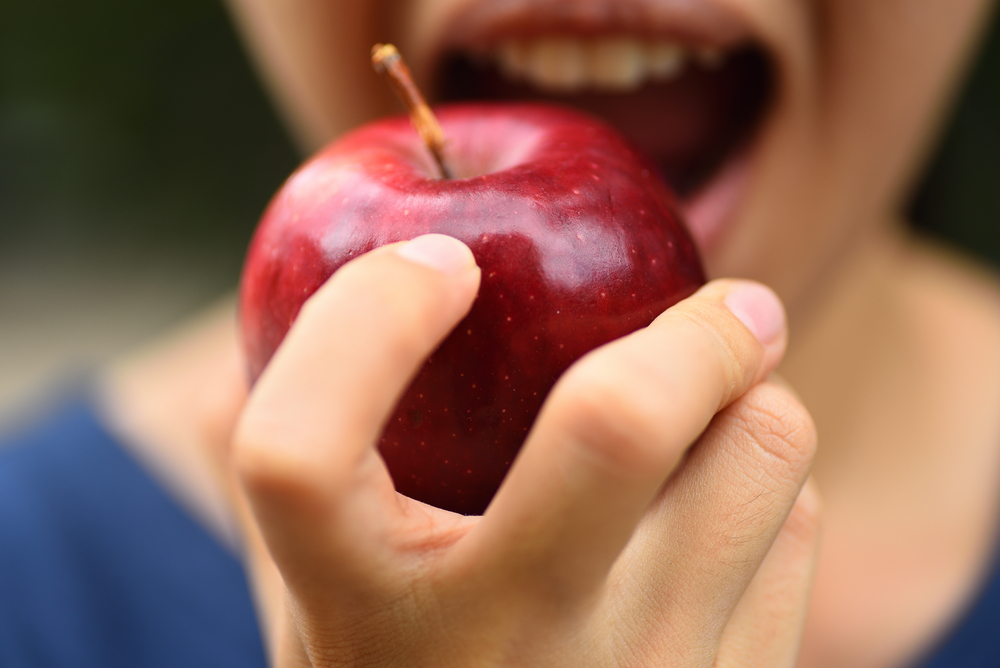
A good target is five portions of fruit and vegetables a day, including fresh, frozen, and canned options.
Aim for a steady weight loss pace
A healthy goal is to lose between 0.5 and 1 kilogram per week rather than seeking rapid results.
Also read: Repeated Russian attacks linked to rising illness in Ukraine
Read and understand food labels

Foods with more green markings are often a healthier choice.
Choose water instead of sugary drinks
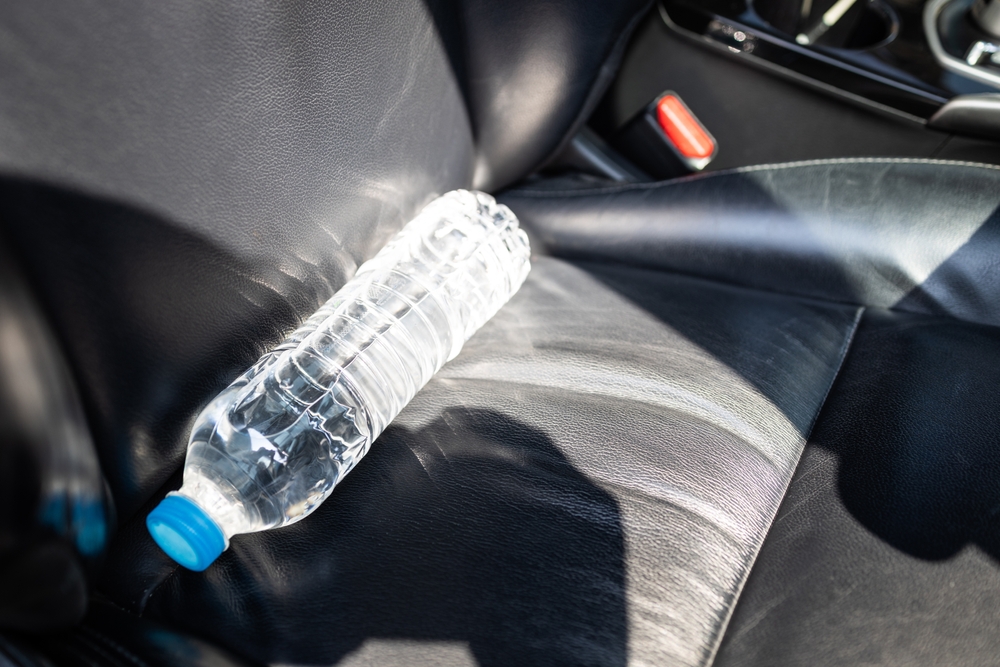
Replace sugar-sweetened beverages with water, and consider adding citrus fruits for extra flavor.
Cut back on sugar and fat
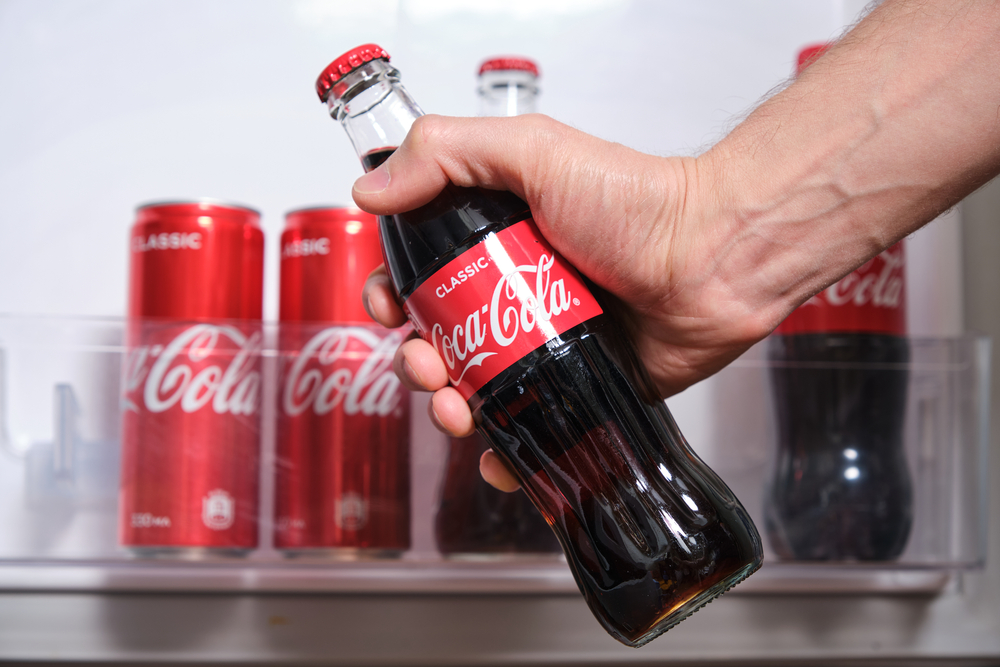
A simple starting point can be replacing sugary breakfast products with whole-grain alternatives.
Share your plan with others

Telling someone you trust about your goals can provide support and motivation on difficult days.
Also read: Melania Trump’s favorite dish does not match her healthy image
Avoid quick-fix diets

Sudden and restrictive diets are not recommended, as they are not a sustainable solution.
Do not skip meals
Skipping meals can lead to increased snacking later in the day.
Stop eating when you are full
You do not need to finish your meal if you feel full, and leftovers can be saved for another day.
Get extra help and inspiration
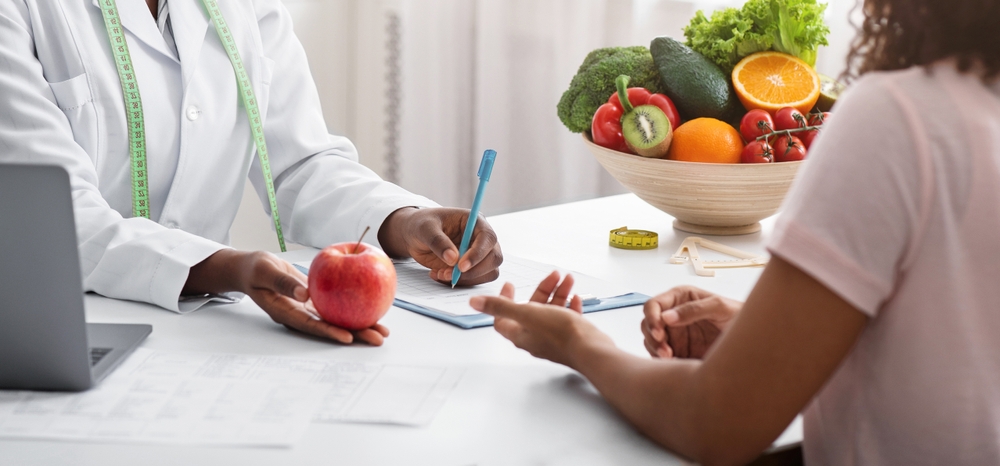
There are free weight loss plans, exercise videos, recipes, and options for referrals to support from, for example, a dietitian.
Also read: How common vegetables contribute to daily vitamin C needs
Sources: NHS.
Also read: Study: Ketogenic diet shows short-term effect in treatment-resistant depression