
Stress is an unavoidable part of life, but when it becomes too intense or long-lasting, it can turn into overstress.
This state can affect both body and mind in ways many people overlook. Here are some signs you might be overstressed, and how to start taking care of yourself.
Disrupted sleep patterns
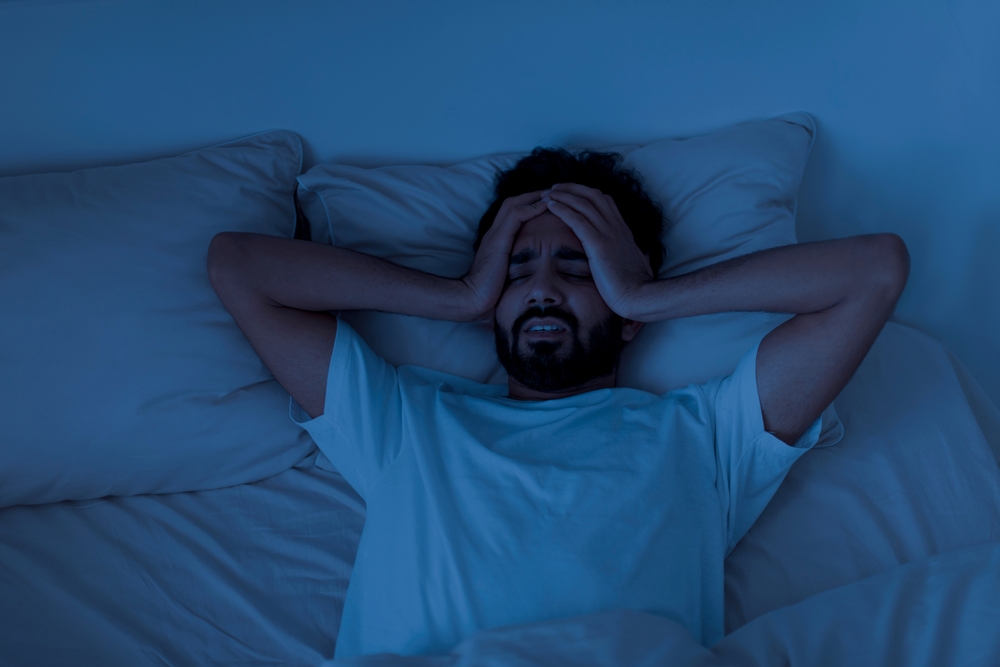
When stress peaks, your sleep can take a hit. Overstress often leads to chronic insomnia, where the body simply cannot find rest.
Women and those with a family history of sleep problems are particularly vulnerable, especially during times of environmental stress.
Also read: Fat stored in the wrong places could raise your cancer risk
Persistent anxiety or irritability

Stress and anxiety go hand in hand. When overstressed, anxiety can intensify, creating a vicious cycle of sleeplessness and irritability.
Research from Henry Ford Hospital shows that sleep deprivation increases feelings of anxiety, which can further heighten your stress levels.
Frequent headaches

Overstress can show up as physical pain, such as tension headaches or migraines.
People already prone to migraines often notice that stress triggers or worsens their symptoms.
Also read: Avoid mixing these popular supplements with prescription medications
Digestive issues

A stressed body can disrupt the balance of the gut. This may lead to symptoms like cramps, nausea, changes in appetite, or constipation.
An unbalanced digestive system can even cause conditions such as irritable bowel syndrome. If these issues persist, consult your doctor for support.
Increased heart rate
A racing heartbeat is a classic sign of stress. Although your pulse may not actually rise dramatically, it can feel as if your heart is pounding faster than normal.
Prolonged overstress can strain the heart, so it’s important to check in with your doctor if you notice any changes in your heart rate.
Also read: How to Prevent and Recover from Norovirus – The Stomach Bug That’s Spreading Fast
Skin problems like acne
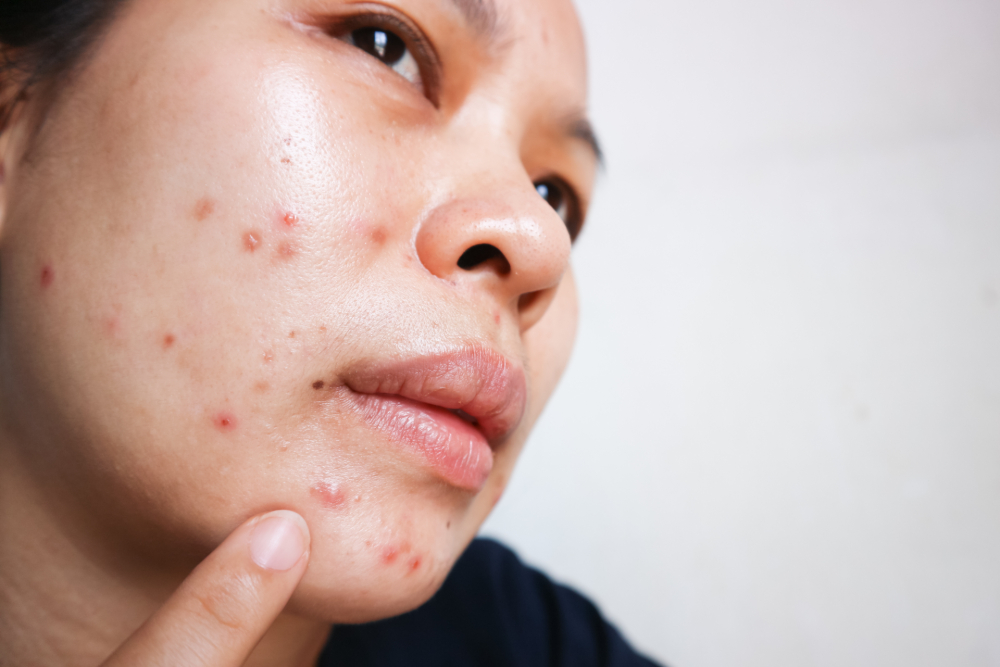
Many people experience breakouts during stressful times.
Overstress can cause hormonal fluctuations that trigger acne, which then creates more stress and worsens skin issues.
A combination of dermatological care and mental health support can be helpful.
Weakened immune system
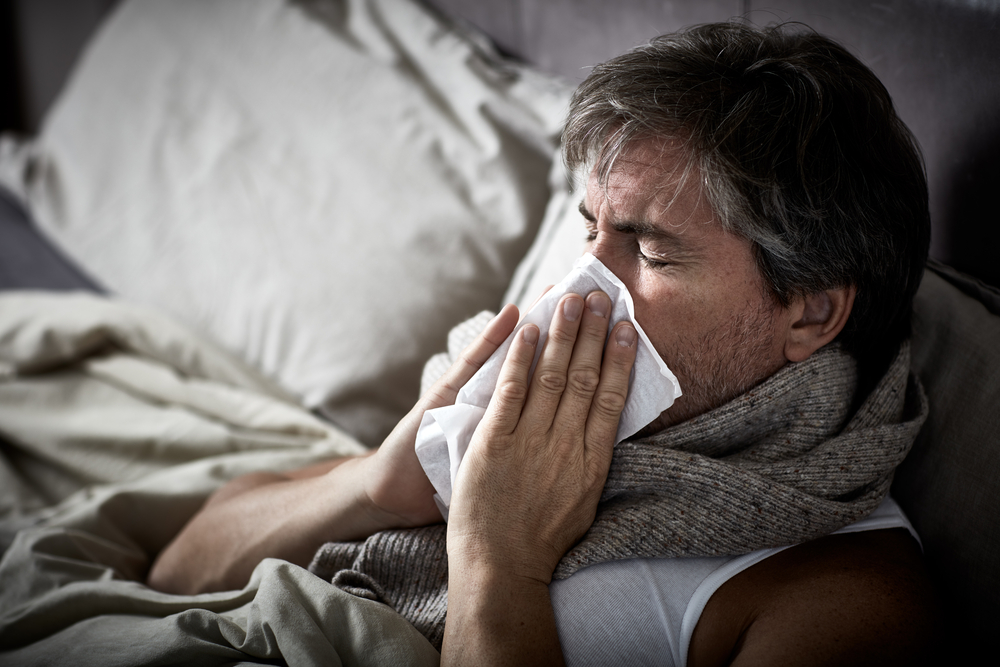
Stress weakens the immune system, making it easier to catch colds or infections.
Also read: How long flights affect your body and health
Feeling run down or constantly ill can be your body’s way of asking you to slow down and rest.
Chronic pain

Roughly a quarter to a third of adults experience chronic pain.
Research from Yale University School of Medicine shows that stress, depression, and PTSD can contribute to ongoing pain, highlighting the connection between emotional and physical well-being.
Decreased sex drive

When the body is in constant fight-or-flight mode, it prioritizes producing stress hormones like cortisol and adrenaline over sex hormones.
Also read: Global study reveals millions are living with diabetes unknowingly
This can lead to a reduced libido and affect intimacy in relationships.
Seeking help and building support

Recognizing that you’re overstressed is the first step toward healing. Opening up to a trusted friend, partner, or therapist can make a big difference.
Treatments such as acupuncture, massage, yoga, and meditation can also help restore balance to both body and mind.
Small actions with big impact

Even small moments of self-care can add up. Take a few minutes for deep breathing, a short walk, or a quiet break during your day.
These small, mindful pauses can go a long way in preventing overstress and promoting well-being.
This article is based on information from Verywell Mind, Henry Ford Hospital og Yale University School of Medicine.