
A new study published in The Lancet Diabetes & Endocrinology suggests that people with type 2 diabetes may reduce the risk of serious heart problems by combining GLP-1 medication with healthy lifestyle habits.
The effect appears to be greater than using medication alone or making lifestyle changes alone.
What GLP-1 medication is used for
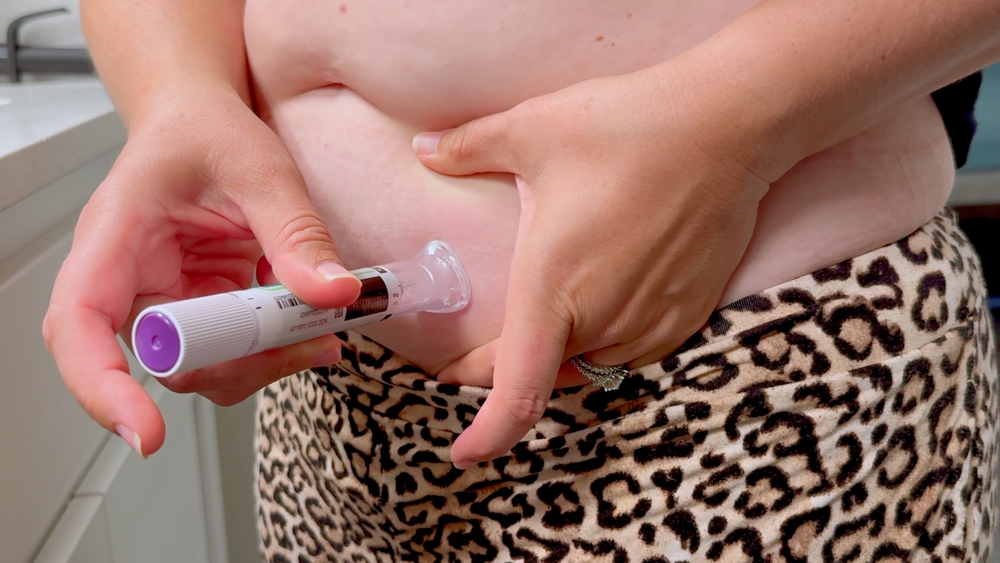
GLP-1 medications are used, among other things, to treat type 2 diabetes and to help with weight loss.
The drugs mimic the hormone glucagon-like peptide-1, which plays a role in regulating blood sugar and affects digestion and the feeling of fullness after meals.
Also read: Researchers assess stroke risk associated with medicine used in dementia
Why lifestyle is important

People with type 2 diabetes or overweight are often advised to adopt specific lifestyle habits to help manage the condition.
These recommendations are also given to patients who are prescribed GLP-1 medication.
Healthy habits can support treatment

Habits such as a healthy diet, regular physical activity, and avoiding smoking can help stabilize blood sugar and support healthy weight loss.
Heart problems
People with diabetes have a significantly higher risk of cardiovascular disease.
Also read: Researchers see a link between sleep and dementia – now Trump’s closed eyes have sparked debate
According to the American Diabetes Association, the risk of heart disease or stroke is about twice as high compared with people without diabetes.
Analyzing data from more than 98,000 people
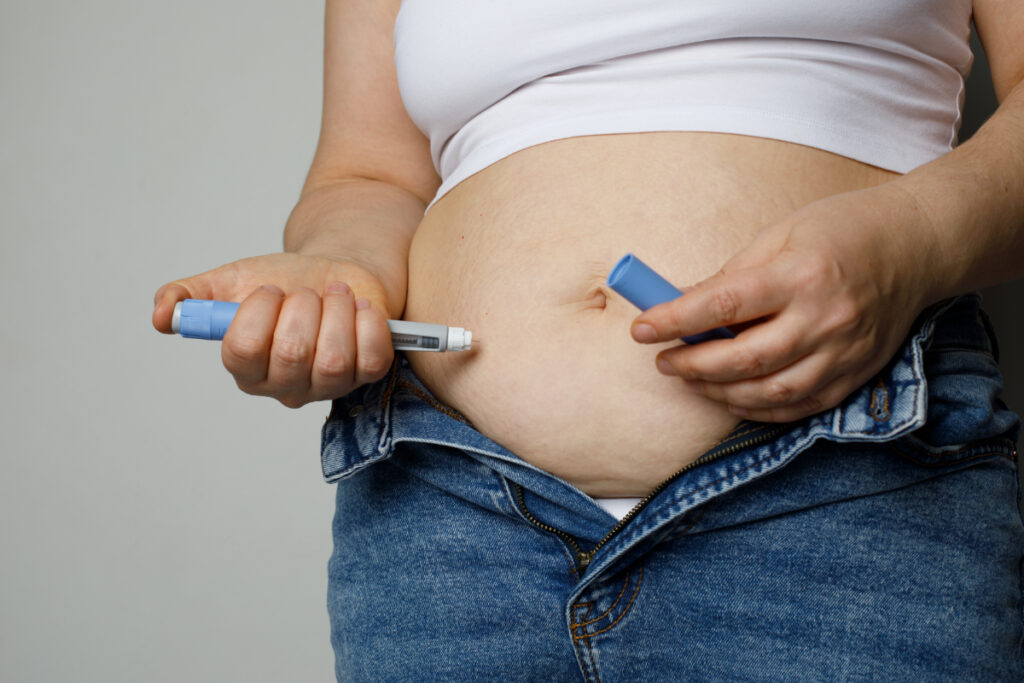
Researchers analyzed data from 98,261 people with type 2 diabetes who participated in the U.S. Veterans Affairs Million Veteran Program between January 2011 and September 2023.
No previous serious heart problems
All participants in the study had no prior history of heart attack, stroke, or advanced chronic kidney disease.
More than 13,000 participants used GLP-1 medication
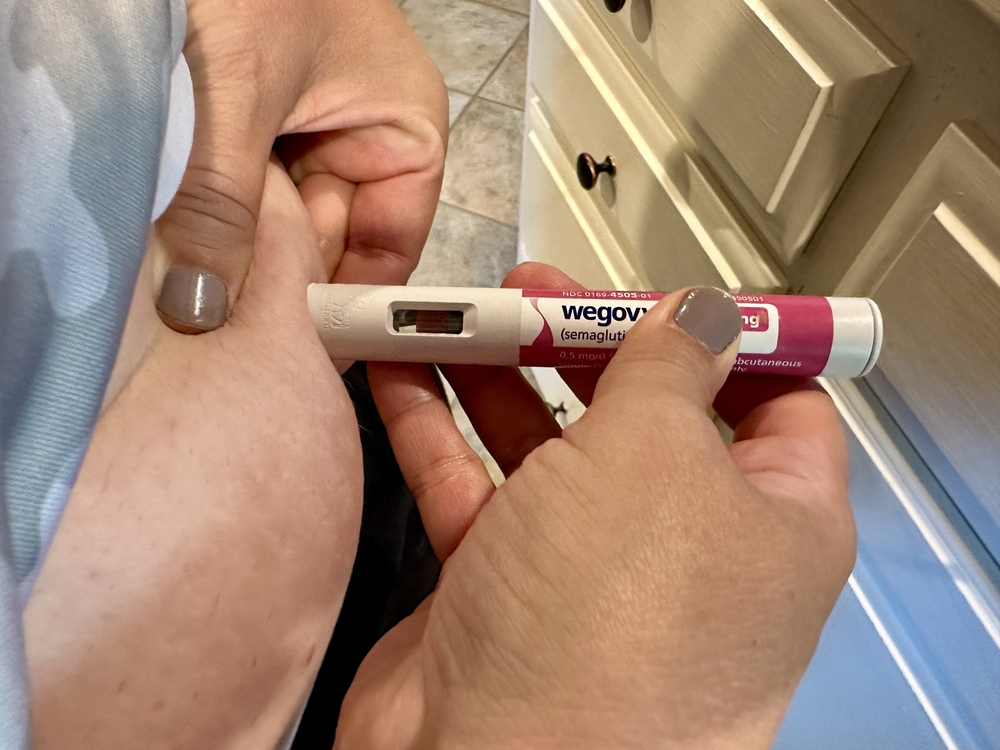
Among the participants in the study, more than 13,000 people used GLP-1 medication during the observation period.
Also read: Soon the clocks move forward – how daylight saving time might affect you
Eight healthy lifestyle habits

The study focused on eight lifestyle habits: a high-quality diet, physical activity, not smoking, good sleep, limited alcohol consumption, effective stress management, social relationships, and the absence of opioid misuse.
Plant-based diet index

Researchers used a plant-based diet index to evaluate the participants’ diets.
The index rewards a high intake of healthy plant-based foods such as whole grains, fruits, vegetables, nuts, and legumes.
Combination of medication and healthy habits showed the greatest effect
The results showed that combining GLP-1 medication with several healthy habits was associated with a greater reduction in the risk of serious heart problems than either medication or lifestyle changes alone.
Also read: International Women’s Day: Six groundbreaking discoveries made by women
43 percent lower risk
Participants who used GLP-1 medication while also following six to eight of the healthy habits had a 43 percent lower risk of major cardiovascular events compared with people who did not use the medication and followed three or fewer healthy habits.
Lifestyle alone also had a strong impact

People who followed all eight healthy habits had a 60 percent lower risk of serious heart problems compared with those who followed only one or none.
Medication alone also reduced the risk
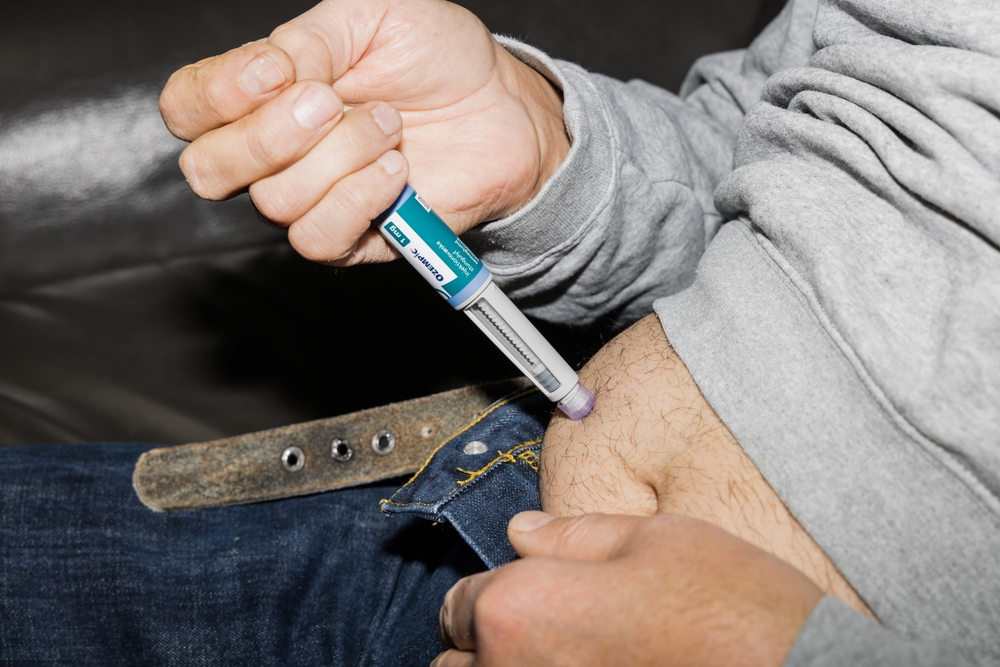
The use of GLP-1 medication by itself was associated with a 16 percent lower risk of serious heart problems compared with people who did not use the medication.
Physical activity and quitting smoking
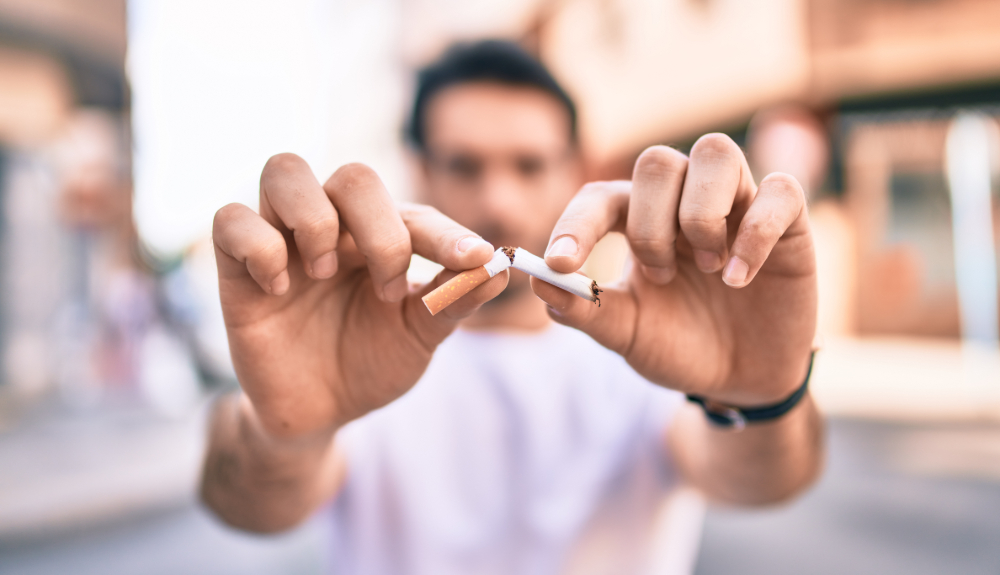
According to the researchers, all eight habits are important, but physical activity, not smoking, and the absence of substance misuse appear to play particularly significant roles in reducing risk.
Also read: Treatment may help people with type 1 diabetes make insulin again
The results highlight the importance of lifestyle

The researchers emphasize that healthy lifestyle habits continue to play a central role in treatment and disease prevention, even in an era of effective medical therapies.
The study also has limitations

Most participants in the study were white male veterans, meaning the results may not necessarily be directly applicable to the broader population.
Lifestyle changes remain essential

The researchers believe the findings highlight the importance of initiatives that promote healthy eating, physical activity, good sleep, stress management, and strong social connections, even as new medications continue to be developed.
Sources: Medical News Today, The Lancet Diabetes & Endocrinology, and American Diabetes Association.