
A dedicated coffee lover decided to challenge herself by replacing her daily espresso with black tea for five days.
As someone who had been drinking coffee since her teenage years, this was no easy switch.
Here’s how the experiment affected her energy, mood, and daily routine according to Vervywell Mind.
Black tea vs. coffee

Compared to coffee, black tea provided a steadier energy boost without the jitters.
The presence of L-theanine helps create a sense of calm while still improving focus.
Day 1: A promising start
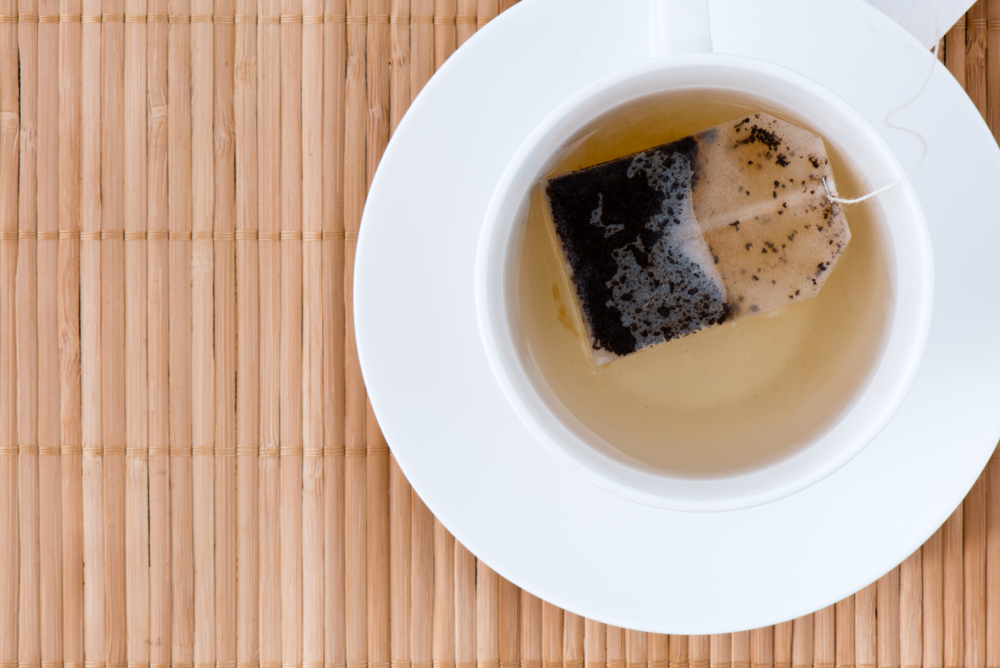
On the first day, she began her morning with a cup of Earl Grey tea.
Initially, she felt energized, but by the afternoon, she experienced a noticeable dip in energy – something she often felt with coffee as well.
Day 2: Experimenting with matcha

Wanting to test different teas, she opted for a coconut matcha latte during brunch.
The combination of caffeine and L-theanine in matcha gave her a smoother, more sustained energy boost compared to black tea alone.
Day 3: Afternoon energy slump

Despite having a filling breakfast with her tea, she found herself feeling sluggish by early afternoon.
It was difficult to determine whether the drop in energy was due to the tea’s lower caffeine content or simply a result of not getting enough sleep.
Day 4: Caffeine withdrawal kicks in

By the fourth day, she started to experience mild caffeine withdrawal symptoms, including a slight headache.
Black tea, while caffeinated, contains significantly less caffeine than coffee, which may have contributed to the discomfort.
A second cup in the afternoon helped alleviate the headache.
Day 5: A more relaxed approach

On the final day of the experiment, she took a more relaxed approach. Since it was the weekend, she didn’t feel the same need for caffeine.
One cup of black tea in the morning was enough, and she didn’t experience any major energy crashes.
The impact on her mood

Tea’s calming effects seemed to contribute to more stable energy throughout the day.
While she didn’t notice a dramatic improvement in mood, she avoided the anxious feeling that coffee sometimes triggered.
Was tea enough for her caffeine needs?

Since black tea contains less caffeine than coffee, she did notice a slight decrease in overall energy levels.
However, matcha tea came close to replicating the effect of coffee, making it a potential alternative for those looking to cut down on coffee consumption.
The role of lifestyle in energy levels

Throughout the experiment, it became clear that caffeine alone wasn’t the main factor influencing her energy.
Sleep, hydration, physical activity, and diet all played significant roles in how she felt each day.
The final verdict

While she isn’t planning to give up coffee entirely, the experiment showed her that tea can be a great alternative – especially on days when she wants a more balanced caffeine boost without the crashes.
This article is based on information from Verywell Mind.
This article is made and published by Ida-Marie Palm Varbæk, who may have used AI in the preparation.