
It is quite common to wake up during the night, and most people fall back asleep quickly.
However, if you wake up often or at the same time every night, it may be due to the body’s rhythms, health-related conditions, or everyday habits.
The circadian rhythm and the body’s internal clock

The body is governed by a 24-hour rhythm that influences when hormones are released and when you feel tired or awake.
This can make it easier to wake up at specific times.
Also read: Color blindness may hinder early cancer detection, new study shows
Sleep stages and light awakenings

We move through several stages of sleep during the night, and in some stages it is easier to wake up, even from minor disturbances.
Cortisol and early awakening

Cortisol naturally rises in the morning to prepare you for the day. If this increase happens too early, it can pull you out of sleep before you want to wake up.
Insomnia as a cause

Insomnia is not only about difficulty falling asleep, but also about waking repeatedly and not feeling rested afterward.
Factors that can trigger insomnia

Shift work, irregular bedtimes, caffeine late in the day, technology use in bed, pain, and lack of physical activity can all contribute to sleep problems.
Also read: Daily beef consumption does not increase diabetes risk
Sleep apnea and interrupted breathing
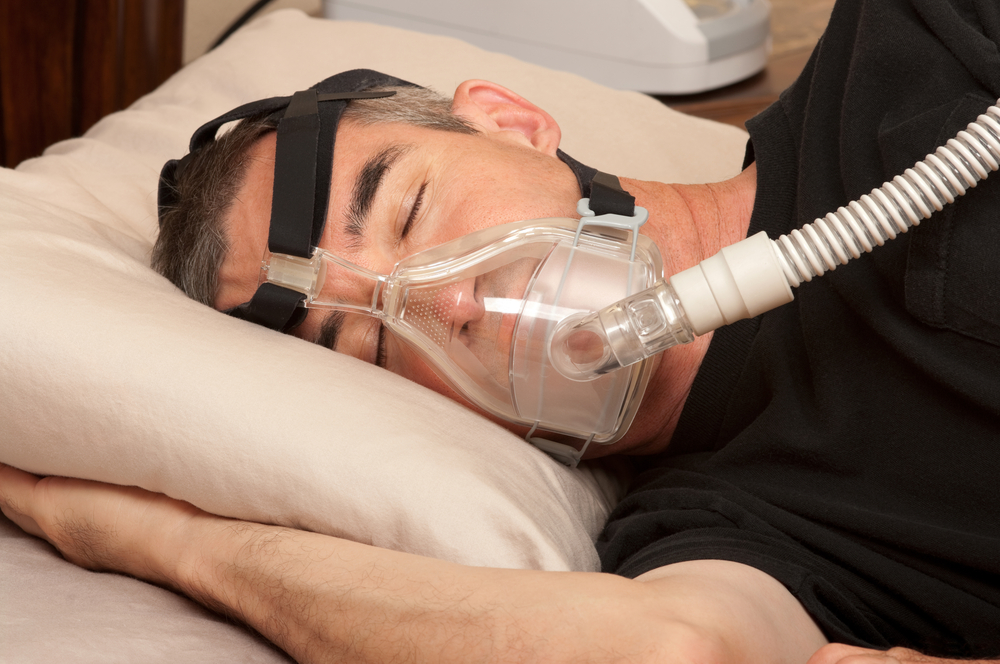
Sleep apnea means that breathing stops briefly many times during the night, causing the brain to wake you, without you necessarily remembering it.
Symptoms of sleep apnea

Many people experience snoring, a sensation of gasping for air, dry mouth, morning headaches, and pronounced daytime fatigue.
Stress, anxiety, and depression

When the body is in a state of alert or thoughts keep racing, it can be difficult to stay asleep. Depression is often associated with very early awakening.
Digestive discomfort at night

Heavy or spicy meals close to bedtime can cause acid reflux or discomfort, waking you with a burning sensation in the chest.
Also read: A doctor explains why you should drink water before your morning coffee
Nightmares in adults

Although most common in children, adults can also experience sudden awakenings with intense fear, confusion, and a rapid heartbeat.
Pregnancy and sleep disturbances

During pregnancy, hormonal changes, stomach discomfort, frequent bathroom visits, cramps, and worries can all lead to interrupted sleep.
Aging and changes in sleep patterns

In midlife, many people begin to wake more often at night and experience shorter sleep, partly due to changes in the circadian rhythm.
Hormonal fluctuations

Changes in estrogen, progesterone, or testosterone can cause hot flashes, night sweats, and restlessness that disrupt sleep.
Also read: Too many apples can cause health problems – here is the recommended limit
Restless legs syndrome

This neurological condition causes a strong urge to move the legs, often accompanied by tingling or itching, and symptoms worsen in the evening.
Chronic pain

Chronic pain makes it difficult to achieve continuous sleep and can lead to repeated awakenings and increased fatigue.
Medication

Certain types of medication, such as beta blockers, diuretics, and antidepressants, can cause frequent nighttime awakenings or lighter sleep.
The importance of the bedroom

Light, noise, temperature, and an uncomfortable mattress or pillow can be enough to interrupt sleep several times during the night.
Also read: This sleep disorder may be an early sign of dementia
Lifestyle and daily habits

Alcohol, caffeine, smoking, large late meals, and irregular bedtimes can all increase the risk of waking during the night.
How to fall asleep again
It may help to avoid looking at the clock, keep the lighting low, use breathing exercises or meditation, and get up briefly if you cannot sleep after about 20 minutes.
When should you contact a doctor?

If you wake up many times every night, feel exhausted during the day, experience breathing pauses, or suspect illness or medication as the cause, you should speak with a doctor.
Sources: Sleep Foundation.