
While chips, soda, and candy are often the first examples that come to mind when discussing ultra-processed foods, the list is much longer—and more surprising.
Here are eight common foods that many mistakenly perceive as healthy.
1. The Classic Breakfast Cereal
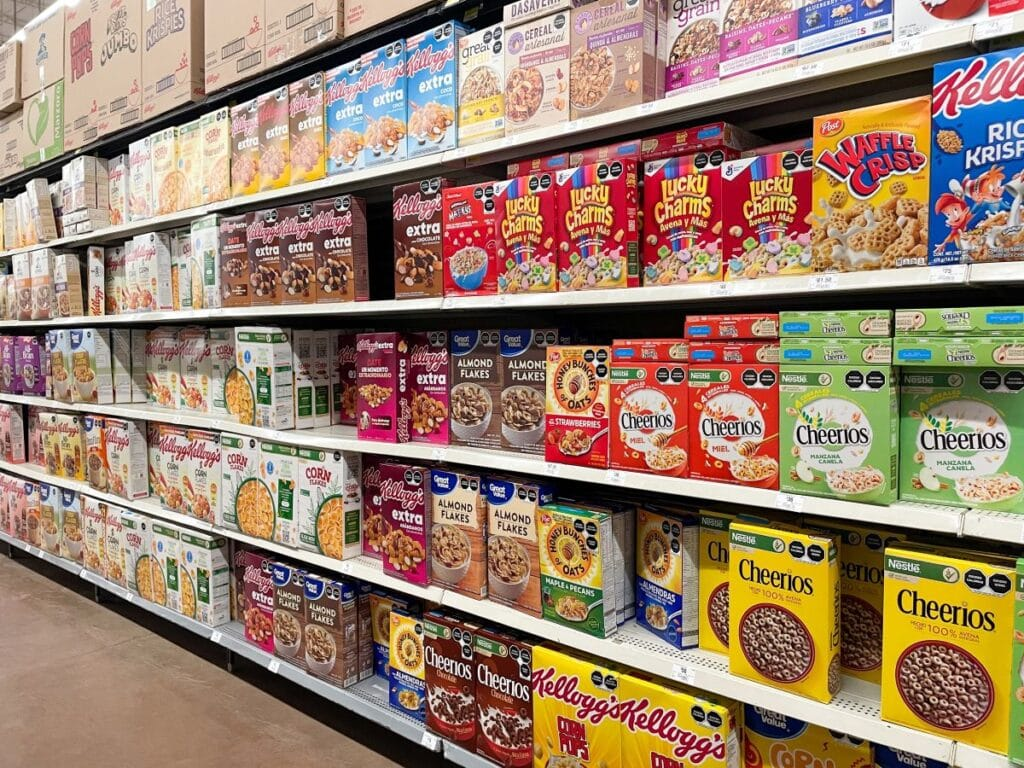
Many breakfast cereals, even those marketed as whole grain or sugar-free, are packed with maltodextrins, processed fibers, and artificial coloring.
To avoid these, choose products with a short ingredient list or stick to simple oats.
2. The Quick Snack
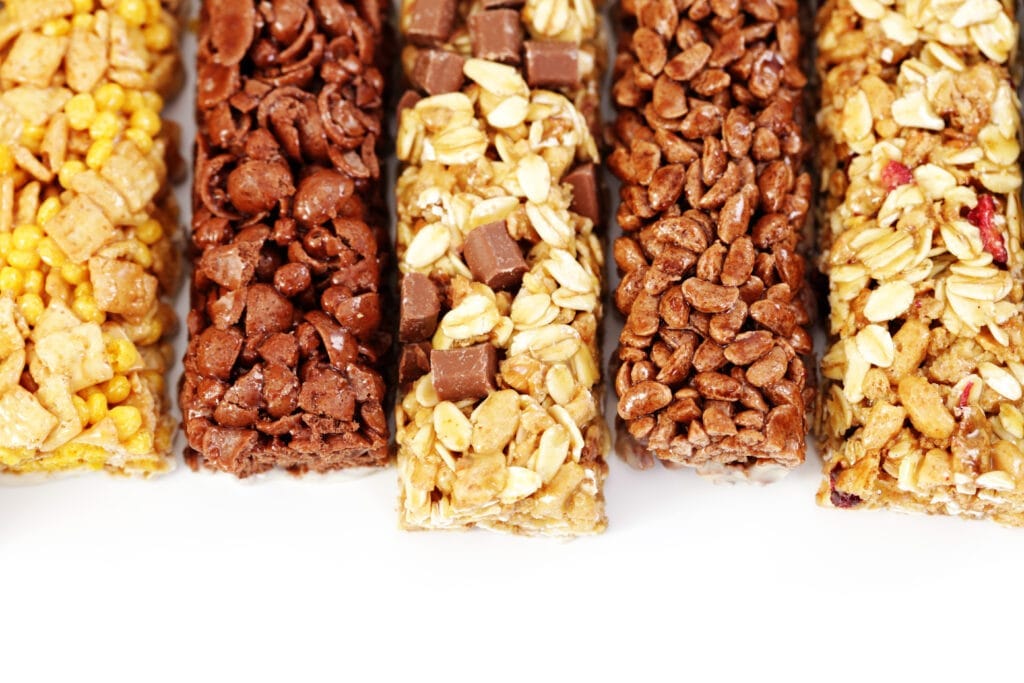
Granola and protein bars are often advertised as the ideal snack for busy, health-conscious consumers.
However, they frequently contain sugar, processed proteins, and artificial sweeteners, making them far less healthy than they appear.
3. Plant-Based Drinks
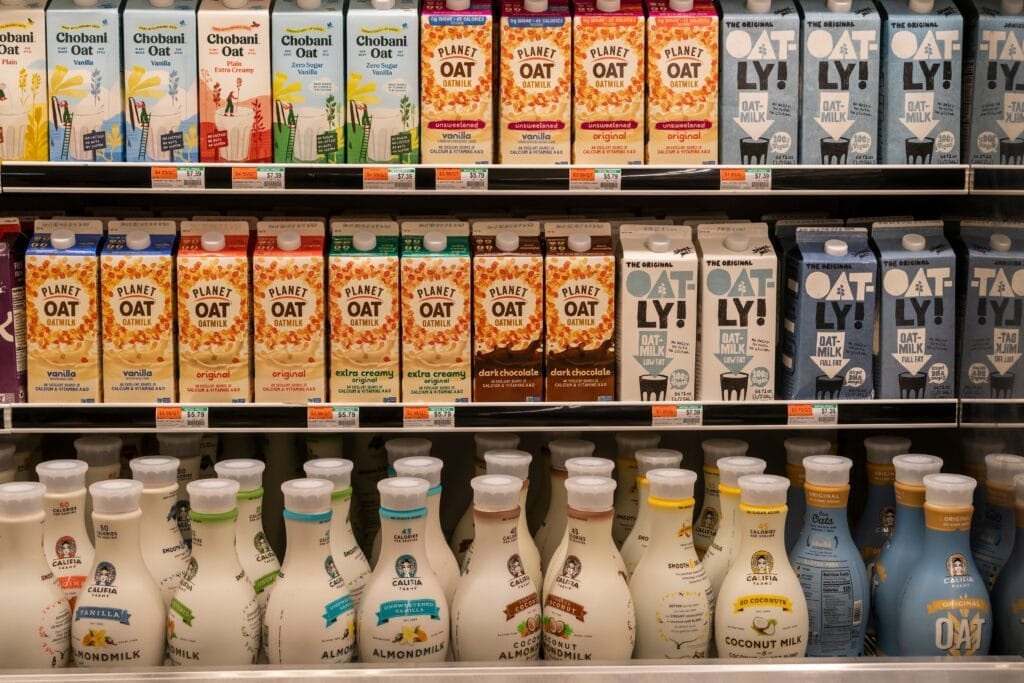
Many alternatives to cow’s milk, such as almond, soy, or oat milk, are highly processed.
They often include emulsifiers, stabilizers, and artificial flavors. Look for options with minimal ingredients like water, nuts or beans, and a pinch of salt.
4. Bread
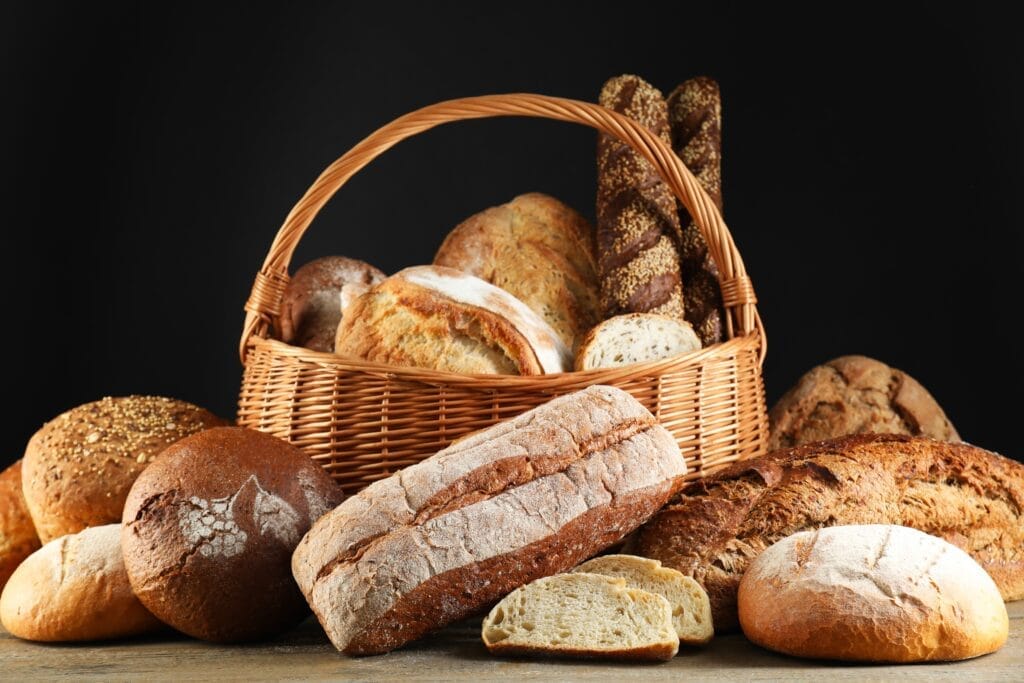
Store-bought bread, especially inexpensive varieties, is often loaded with emulsifiers, vegetable gums, and modified starch.
Freshly baked bread from a bakery is usually a better choice.
5. The Creamy Breakfast

Fruit-flavored yogurts or those marketed with “healthy” sweeteners are often packed with thickeners and artificial additives. Plain yogurt is a much healthier option.
6. The Tasty Condiment

Many pre-made sauces contain thickeners, flavor enhancers, and artificial coloring. Make your own at home with simple ingredients like tomatoes, garlic, and herbs for a healthier alternative.
7. Processed Meat

Cold cuts like ham and sausages are typically filled with emulsifiers, starch, and added fibers. Opt for freshly cooked cold meats or chicken for a healthier option.
8. Frying Alternatives
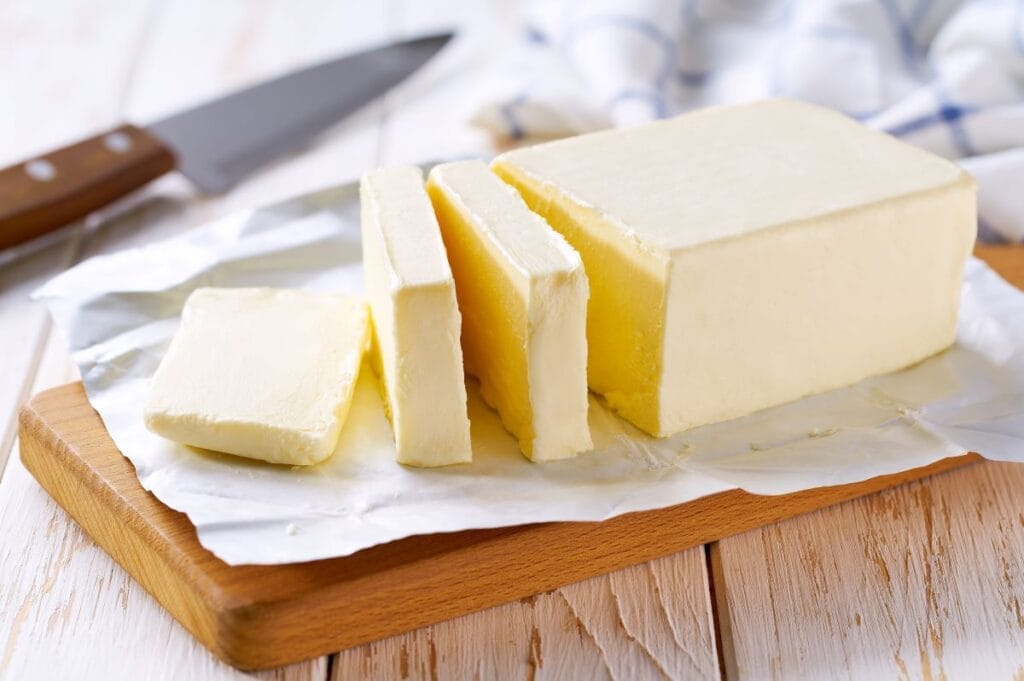
Margarine is often made using hydrogenated oils and additives like coloring and emulsifiers.
Butter, made simply from cream and salt, is a less processed alternative.
9. Smoothies
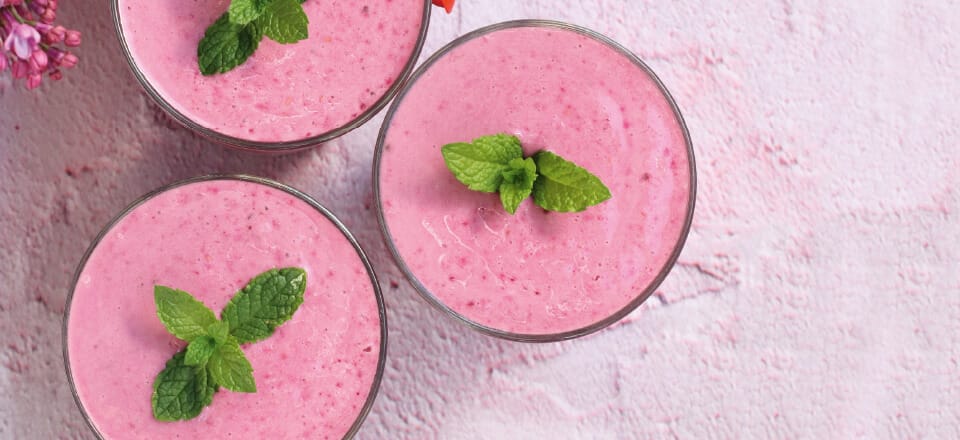
Many pre-packaged smoothies marketed as healthy and natural can be ultra-processed.
They often contain fruit concentrates instead of whole fruits, along with additives like stabilizers, flavorings, and preservatives to extend shelf life.
10. Vegetarian “Meat” Products
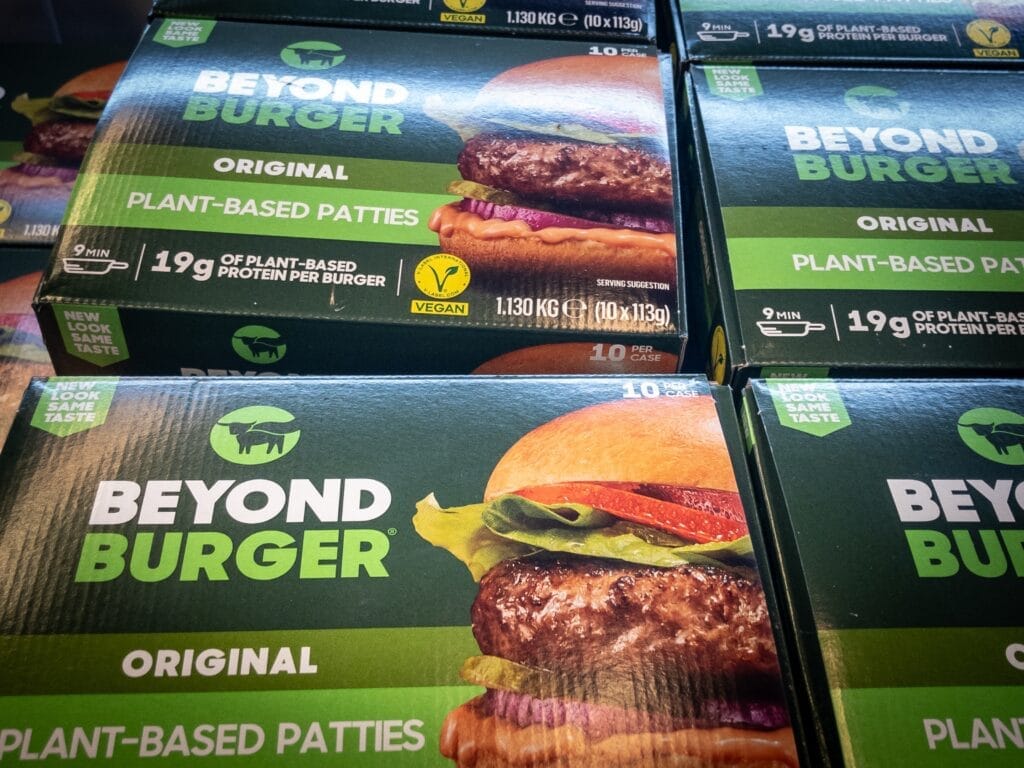
Plant-based meat substitutes, such as vegan sausages or burgers, are often produced using intensive industrial processes.
These products typically include ingredients like isolated soy protein, stabilizers, flavor enhancers, and emulsifiers, making them highly processed foods.
This article is based on insights from Videnskab.dk.
This article is made and published by Ida-Marie Palm Varbæk, who may have used AI in the preparation.