
A dietary pattern rich in fruit can support healthy blood pressure and good blood circulation.
Several fruits contain fiber, vitamins, minerals, and plant compounds that may be particularly beneficial for people with high blood pressure.
Fruit and blood pressure in general
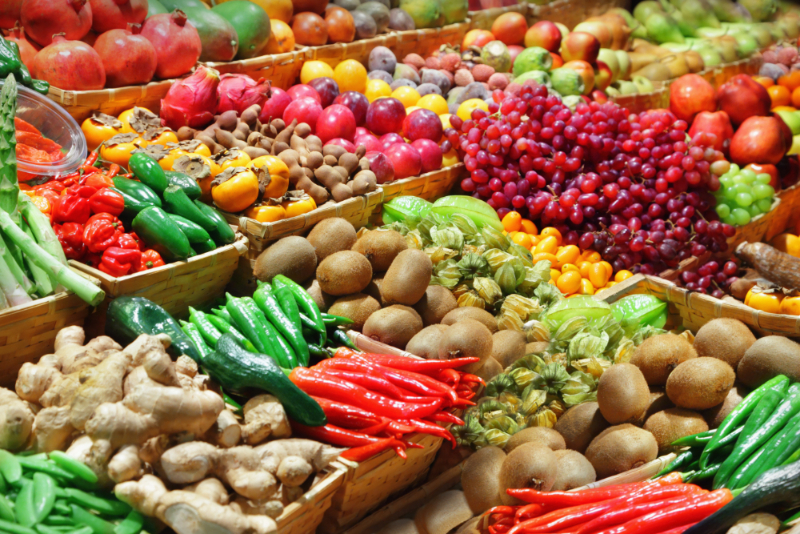
A varied diet rich in fruit can contribute to lower blood pressure and improved blood flow.
Fruits contain fiber, vitamins, minerals, and beneficial plant compounds that together support the circulatory system, especially in people with high blood pressure.
Also read: Diabetes during pregnancy may be linked to increased epilepsy risk in children
Whole fruits instead of juice
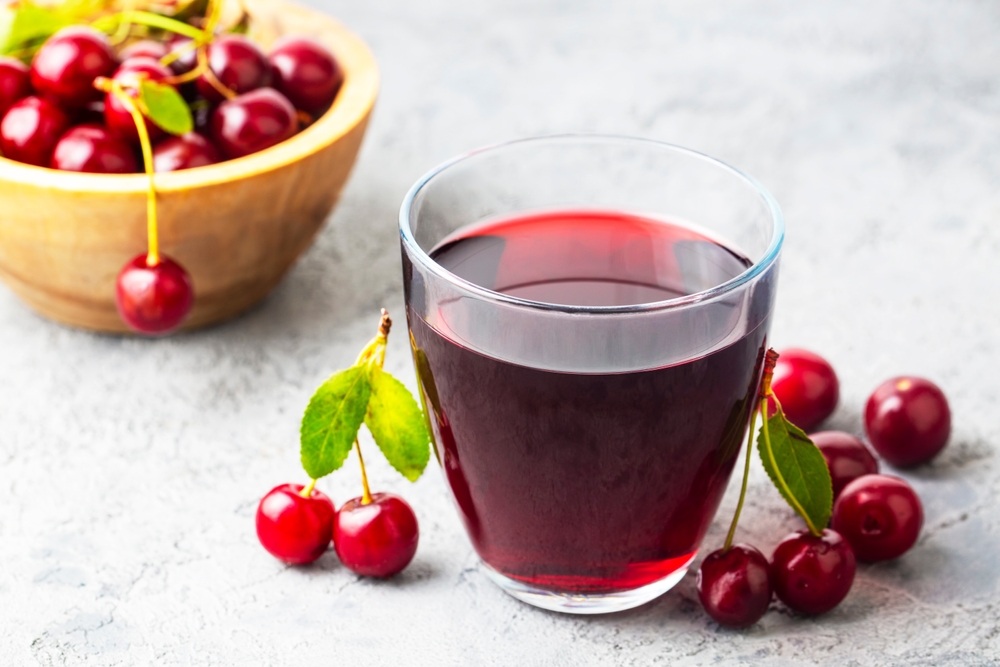
Whole fruits are generally considered healthier than juice and processed fruit products with added sugar.
Whole fruits contain more dietary fiber, which can help stabilize blood sugar levels and allow for slower sugar absorption.
How to get more fruit into your diet

Fruit can easily be added to existing meals such as yogurt, breakfast cereals, and smoothies.
Frozen and canned fruits without added sugar are a practical alternative to fresh fruit and retain their nutritional value.
Also read: These supplements should not be taken in the morning, according to dietitians
Fruit can also be used as a sweet alternative in recipes instead of sugar.
How much fruit do you need?

According to dietary guidelines, adults who consume around 2,000 calories per day should eat between 1½ and 2 cups of fruit for women and 2 to 2½ cups for men.
However, needs vary depending on age, sex, activity level, and individual nutritional requirements.
Bananas

Bananas contain large amounts of potassium, which plays an important role in regulating blood pressure. A lack of potassium over time may contribute to high blood pressure.
Also read: Attention turns to Trump’s ankles after White House meeting
A study published in the British Journal of Nutrition (1) showed that consuming green, cooked bananas can lower systolic blood pressure in people with prediabetes and diabetes.
Blueberries
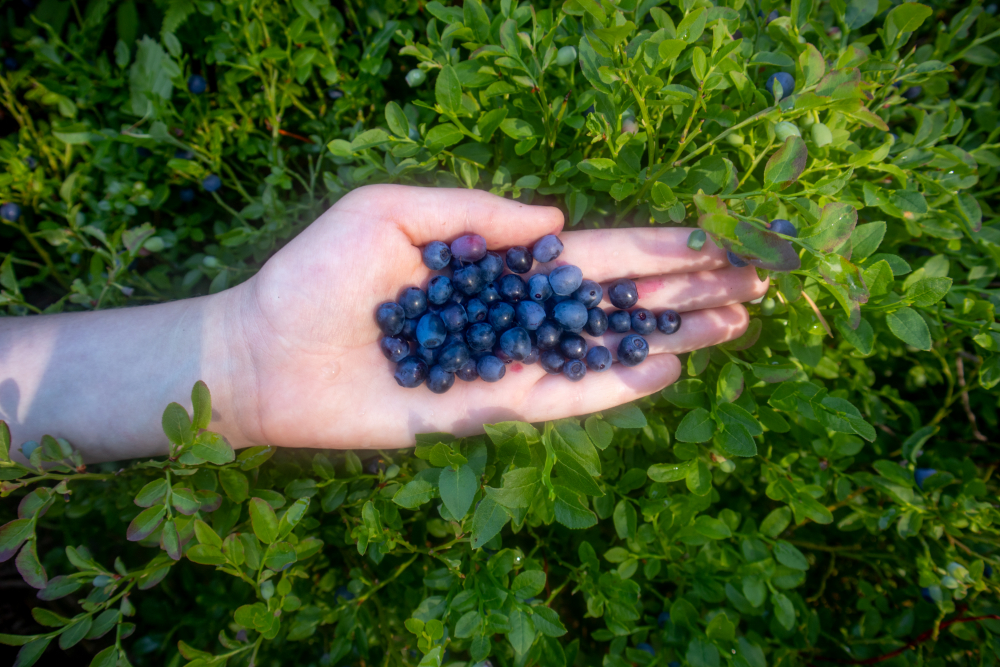
Blueberries are rich in antioxidants, especially anthocyanins, which protect the body’s cells.
These compounds can increase the body’s production of nitric oxide, which helps blood vessels relax and improves blood flow.
Research published in the Journal of the Academy of Nutrition and Dietetics has shown lower blood pressure in postmenopausal women who ate blueberries daily.
Also read: Following a Mediterranean diet could lower women’s stroke risk, study finds
Kiwi
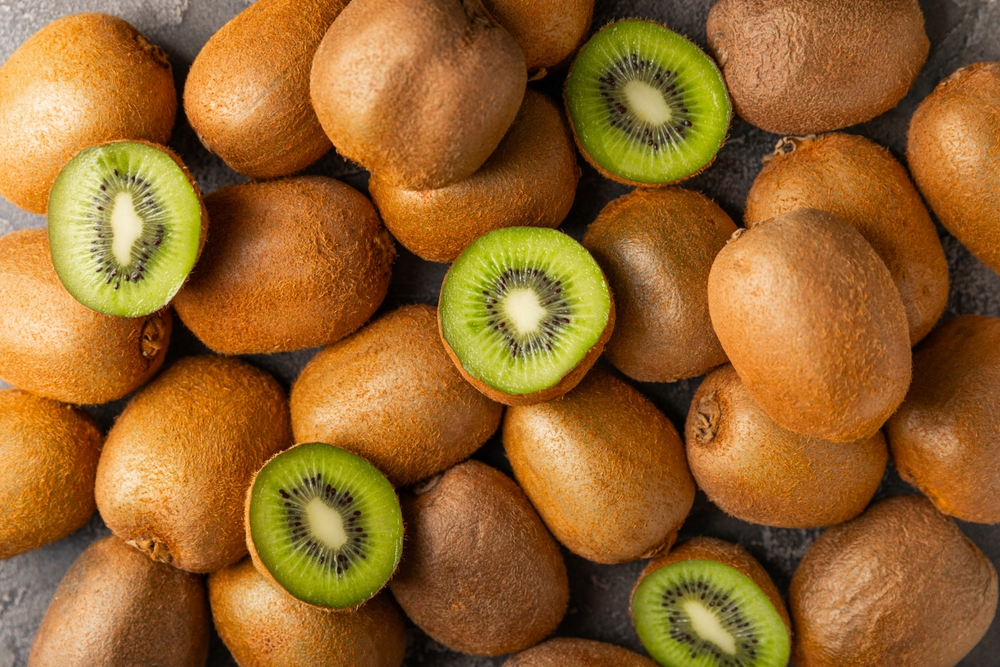
Kiwis are a strong source of vitamin C, which according to research published in Medicine may help lower blood pressure in people with hypertension.
A study in Blood Pressure shows that daily consumption of kiwis can lead to lower blood pressure compared with other fruits such as apples.
Another study published in Nutrients also showed that vitamin C levels in people with prediabetes were improved.
Watermelon
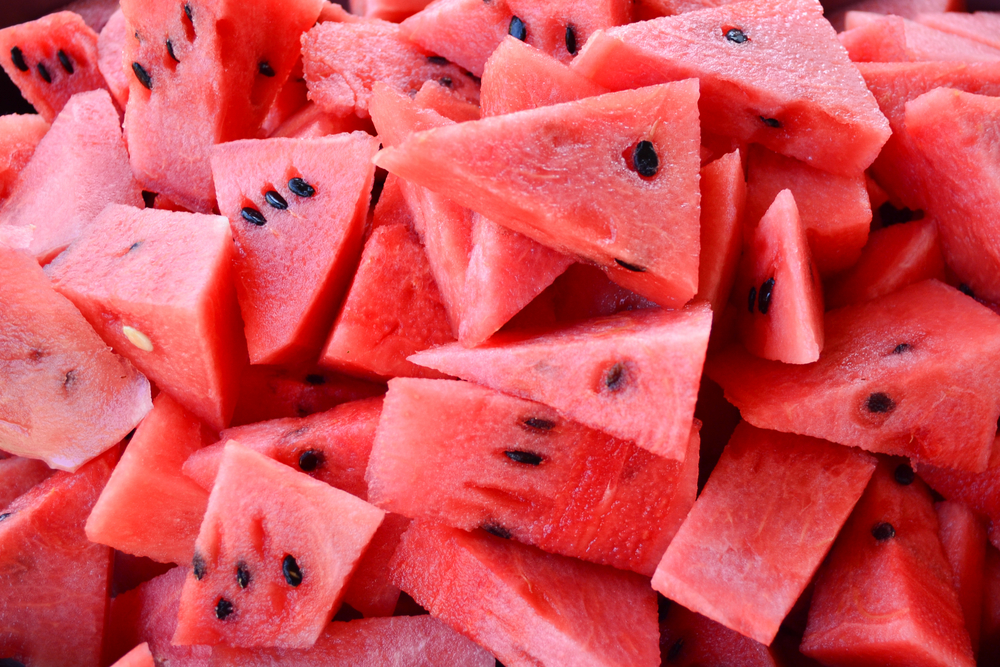
Watermelon contains the amino acid L-citrulline, which is converted in the body into L-arginine.
Also read: Discussion grows around Trump’s health after routine changes
This substance helps produce nitric oxide, which dilates blood vessels and supports blood flow. However, the research findings are not conclusive.
Grapefruit
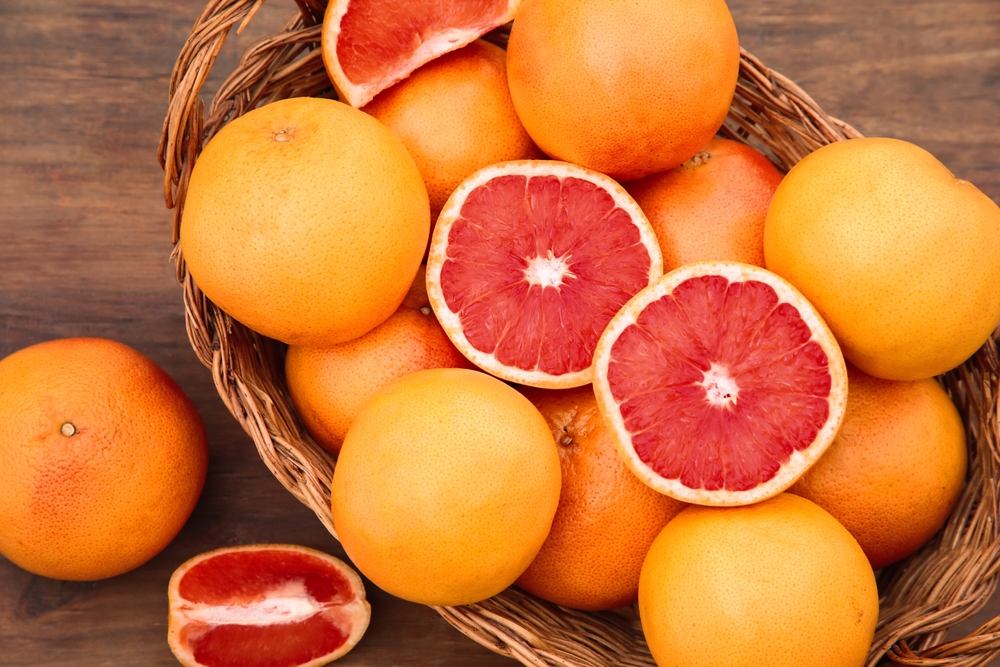
Grapefruit provides both potassium and vitamin C, both of which are important for healthy blood pressure.
A study published by the British Pharmacological Society shows that grapefruit juice alone does not necessarily lower blood pressure, but in combination with beetroot juice, the effect on systolic blood pressure may be greater.
It is important to be aware that grapefruit can interact with certain types of medication.
Grapes

Grapes contain polyphenols such as anthocyanins and quercetin, which can support blood pressure regulation.
Research published in PLOS One suggests that a moderate intake of polyphenols from grapes may have a blood-pressure-lowering effect.
Another study published in The American Journal of Clinical Nutrition also showed lower nighttime blood pressure in people who regularly drank grape juice.
Avocado
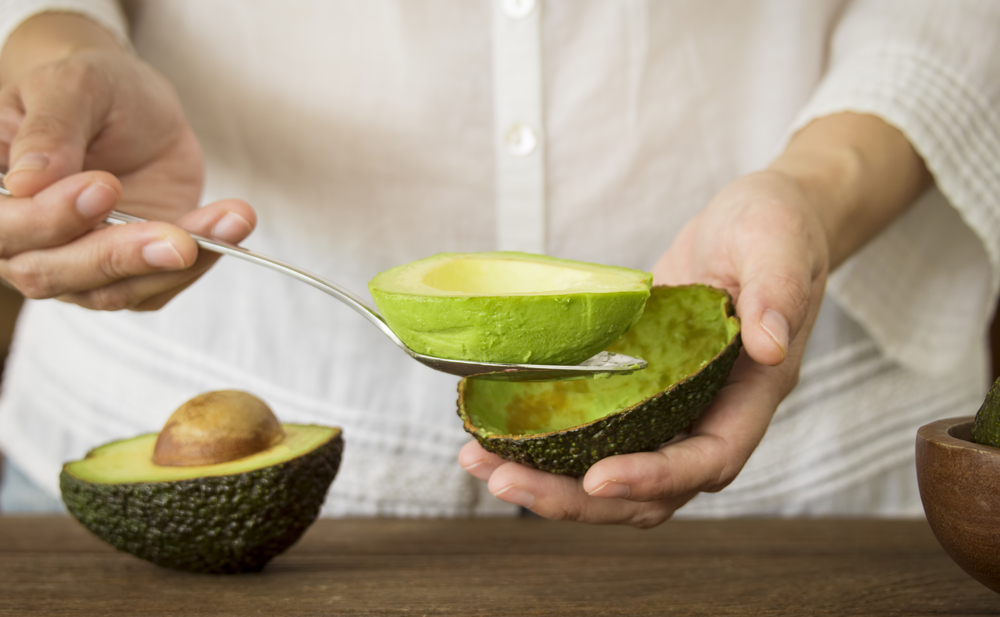
Avocado is rich in potassium and vitamin E, both of which are associated with healthy blood pressure.
A large study published in the British Journal of Nutrition (2) showed that people who ate avocado several times a week had a lower risk of developing high blood pressure.
Half an avocado corresponds to one serving of fruit.
Pomegranates
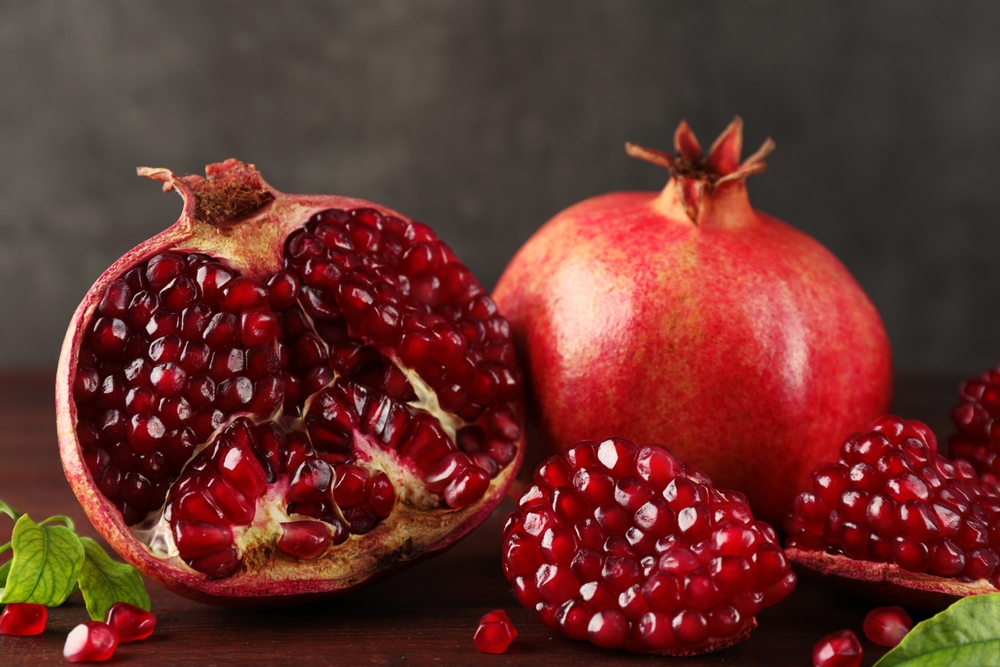
Pomegranates contain antioxidants and anti-inflammatory compounds that can protect blood vessels and support healthy blood flow.
Research published in Nutrition, Metabolism & Cardiovascular Diseases and Pharmacological Research shows that both pomegranate juice and dietary supplements can lower blood pressure and improve other markers of cardiovascular health.
Sources: Health.com, British Journal of Nutrition (1), Journal of the Academy of Nutrition and Dietetics, Medicine, Blood Pressure, Nutrients, British Pharmacological Society, PLOS One, The American Journal of Clinical Nutrition, British Journal of Nutrition (2), Nutrition, Metabolism & Cardiovascular Diseases, and Pharmacological Research.