
Broccoli has once again become a favorite among those who focus on health, particularly gut function.
The green vegetable is packed with fiber, vitamins, and plant compounds that affect the body in several ways. Here is what happens if you eat broccoli daily.
Increased fiber intake

Broccoli contains a significant amount of fiber, which many people otherwise lack in their diet.
Fiber plays an important role in digestion and also helps regulate blood sugar and cholesterol levels.
Also read: Skip the gym and walk your way to weight loss after 60
Better digestion
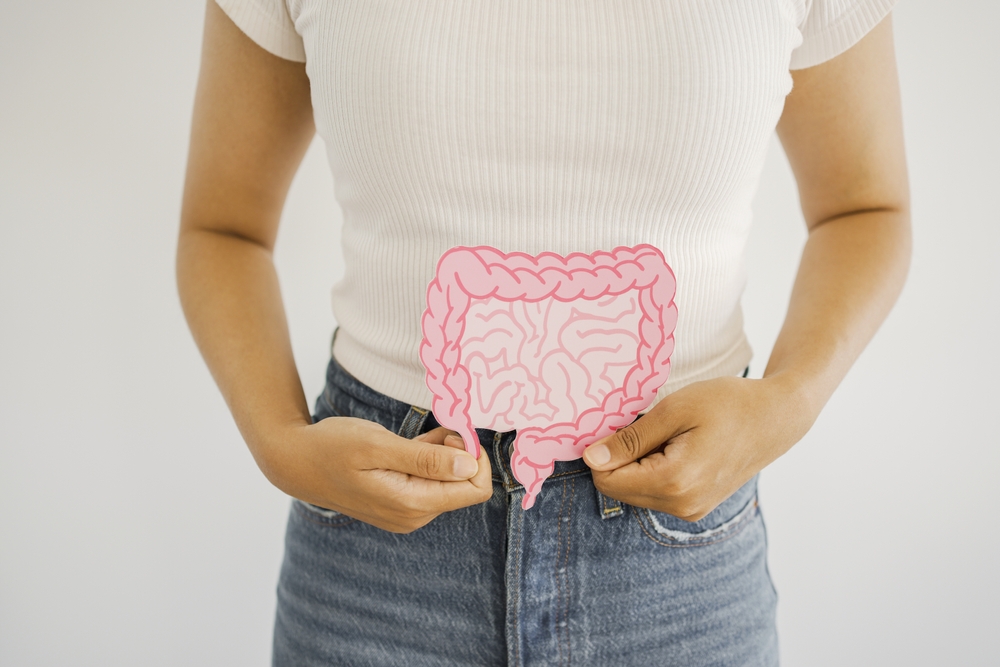
The higher fiber intake supports healthy digestion and can lead to more regular bowel movements.
Many people experience a lighter feeling in the body after a short time.
Temporary stomach discomfort

At first, the increased fiber intake may cause gas or bloating. This is a normal reaction that typically subsides as the body adjusts to the diet.
Possible sensitivity to certain carbohydrates

If discomfort continues, it may be due to sensitivity to the fermentable carbohydrates in broccoli.
Also read: Dentists reveal what mouthwash does to your oral health
In such cases, it may help to eat smaller portions or introduce the vegetable gradually.
Strengthened immune system

Broccoli is rich in vitamin C, which supports the immune system and acts as an antioxidant in the body.
One cup of broccoli covers a large part of the daily requirement.
Contribution to collagen production

The vitamin C in broccoli also plays a role in the formation of collagen, which is important for skin, joints, and connective tissue.
Also read: The biggest myths about diet – and what actually holds true
Important nutrients

Broccoli contains vitamin K, folate, potassium, and magnesium, all of which contribute to overall health.
Antioxidant and anti-inflammatory effect

The vegetable contains plant compounds such as glucosinolates, which are converted into sulforaphane when chewed or cut.
This compound is known for its antioxidant and anti-inflammatory properties, according to a study published in Immunology & Cell Biology.
Support for cardiovascular health

The many nutrients in broccoli can help lower cholesterol and reduce inflammation, which overall benefits the heart.
Also read: How to manage your cholesterol with simple changes
Stable energy levels

After prolonged intake, many people experience more stable energy levels and a better sense of fullness after meals.
Improved gut environment

Broccoli may support healthy gut function, contribute to weight management, and reduce oxidative stress, which together may help prevent heart disease, according to a study published in Antibiotics.
Reduced risk of illness

The bioactive plant compounds support the body’s natural defenses, which may mean getting sick less often or recovering more quickly.
Better blood sugar regulation

The fiber in broccoli contributes to a more stable blood sugar balance, which can be beneficial in the long term.
Also read: Research: Baby teeth can reveal stress during pregnancy
Vitamin K

Broccoli contains a high amount of vitamin K, and individuals taking blood-thinning medication should be mindful of maintaining a consistent intake.
Sources: Real Simple, Immunology & Cell Biology, and Antibiotics.