
Chronic kidney disease affects many people without being detected in time.
With early awareness, healthy choices, and regular check-ups, the risk can be reduced and disease progression slowed.
How widespread is chronic kidney disease?

According to the journal Nature, around 700 million people worldwide live with chronic kidney disease.
The disease is often detected late

Most people experience no symptoms until the disease is close to kidney failure, making early detection crucial.
Also read: How to improve your sleep if you have irritable bowel syndrome
Early treatment can slow progression

Although chronic kidney disease cannot be cured, early intervention can slow its progression or prevent it from worsening.
The role of the kidneys in the body
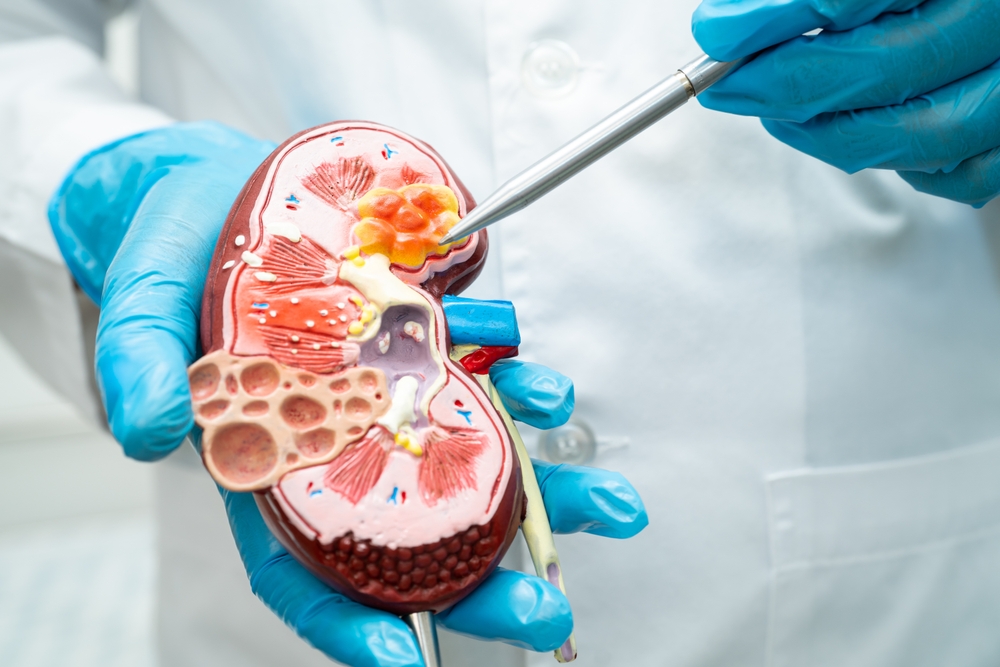
The kidneys work continuously to filter the blood, about 141 liters every day, so the body can function normally.
When the kidneys do not filter properly
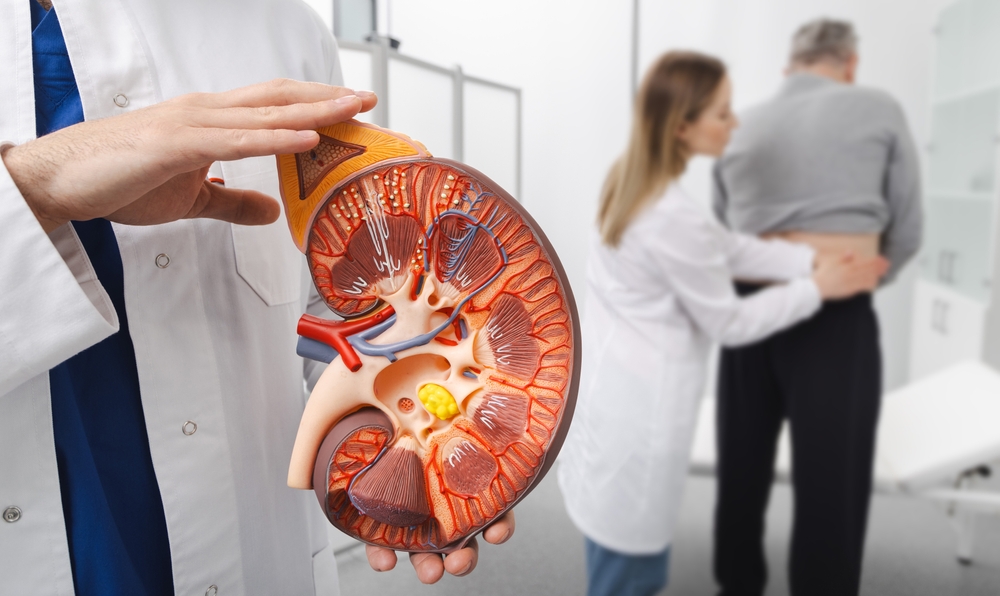
If the kidneys fail to perform their function, the risk of serious problems increases, including heart disease, anemia, bone disease, nerve damage, and kidney failure.
Who is at increased risk?

Genetics and a family history of kidney disease mean that some people have a higher likelihood of developing chronic kidney disease.
Also read: Avocado consumption linked to lower risk of cardiovascular disease
Common causes of chronic kidney disease
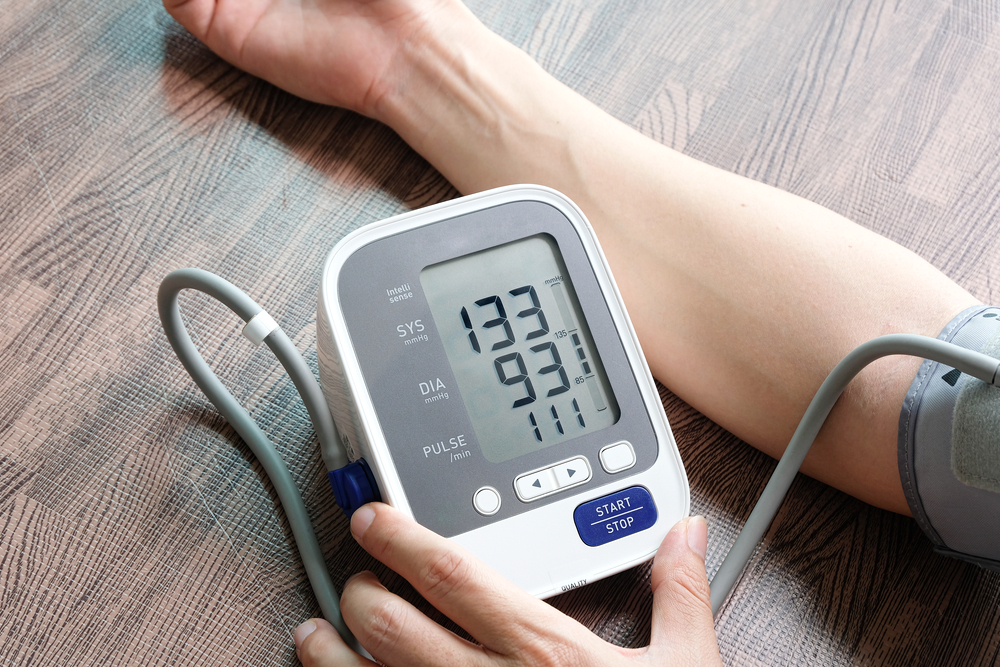
Heart disease, high blood pressure, and diabetes are among the most common causes, and early treatment of these conditions can be critical.
Other factors that may increase the risk

Obesity, infections, and cancer can also contribute to a higher risk, as can long-term use of NSAID painkillers, which may damage the kidneys.
Symptoms

Swelling in the legs, feet, ankles, hands, or face can be a sign of the condition, and the disease may later lead to fatigue, nausea, and loss of appetite.
When the disease worsens

Some people experience weight loss, muscle cramps, chest pain, shortness of breath, and difficulty concentrating, and kidney problems can also place strain on the heart.
Also read: New research explains how to stretch effectively
Test
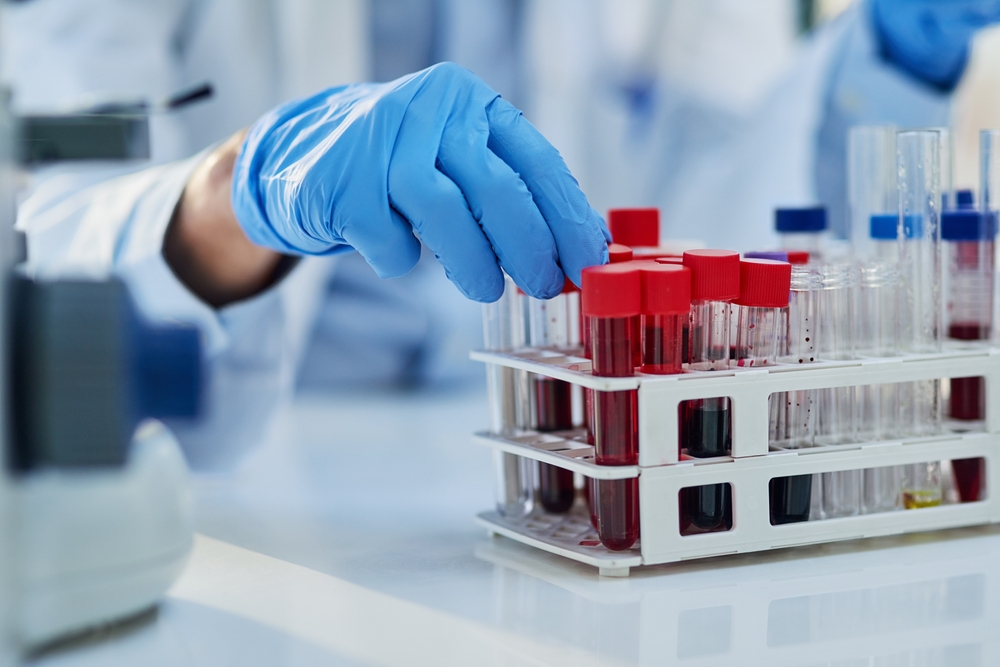
Blood and urine tests can help doctors assess kidney function, and testing is recommended for people in high-risk groups.
Dietary changes after diagnosis

Patients are often advised to avoid foods and drinks high in sodium, potassium, and phosphorus, and in more severe cases, protein intake may also need to be limited.
Support your kidneys

Exercise, reduced stress, and avoiding tobacco and alcohol are highlighted as important steps to protect kidney health.
Treatment and possible next steps

Doctors will often prescribe medication, and if the kidneys stop functioning, dialysis or, in some cases, a transplant may become necessary.
Also read: These hobbies can boost your dopamine and improve your mood
Questions for your doctor

It is recommended to discuss testing frequency, blood pressure, blood sugar levels, medication adjustments, dietary changes, and the possible need for a kidney specialist.
Sources: HealthDay, NIH News in Health, and Nature.
Also read: Why many people choose Swiss cheese for lunch – and how it affects your health