
Most people recover from COVID-19 within a few weeks. But for some, symptoms can persist or even appear long after the infection has passed. This condition is known as long COVID.
Extreme fatigue
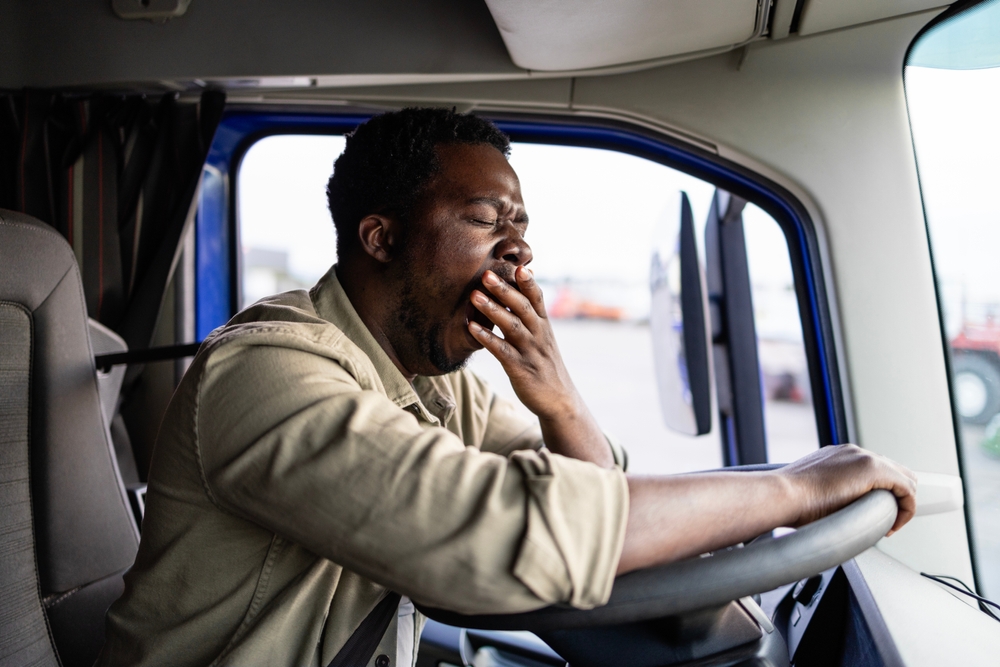
One of the most common symptoms of long COVID is overwhelming tiredness.
Even after plenty of rest, many feel constantly drained, making it hard to carry out everyday tasks or return to work.
Breathlessness
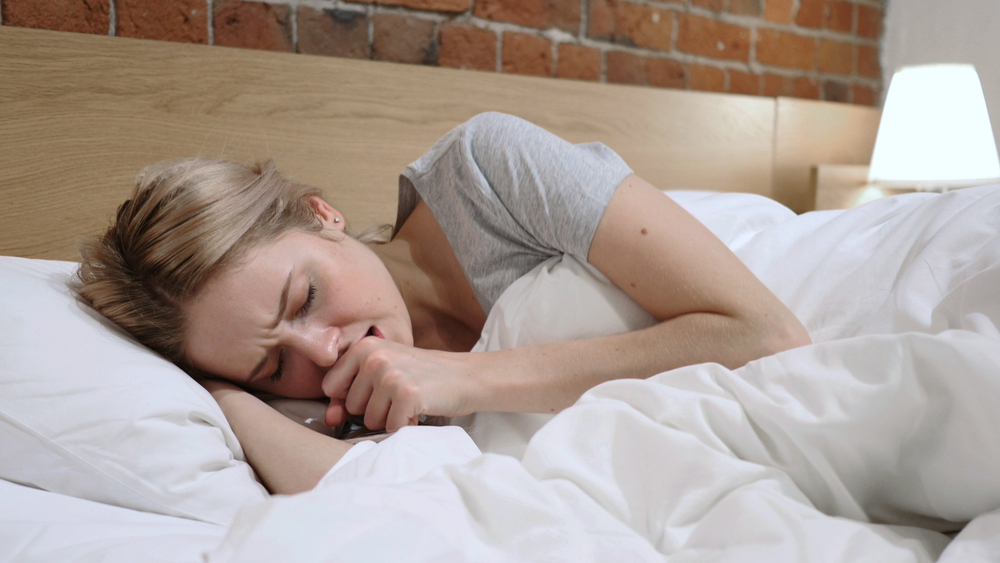
Lingering shortness of breath is another hallmark of long COVID. This isn’t just about being unfit – it’s often tied to changes in breathing patterns caused by the virus.
Breathing exercises and physiotherapy may help restore normal function.
Brain fog

Many long COVID sufferers report “brain fog” – trouble with memory, concentration, or processing information.
It can feel like mental quicksand, making even simple conversations or tasks frustratingly difficult.
Heart palpitations and dizziness

A racing or irregular heartbeat and frequent dizziness can be alarming but are not unusual post-COVID symptoms.
Moving slowly and doing light exercise while lying down can sometimes help ease these symptoms.
Mental health takes a hit too
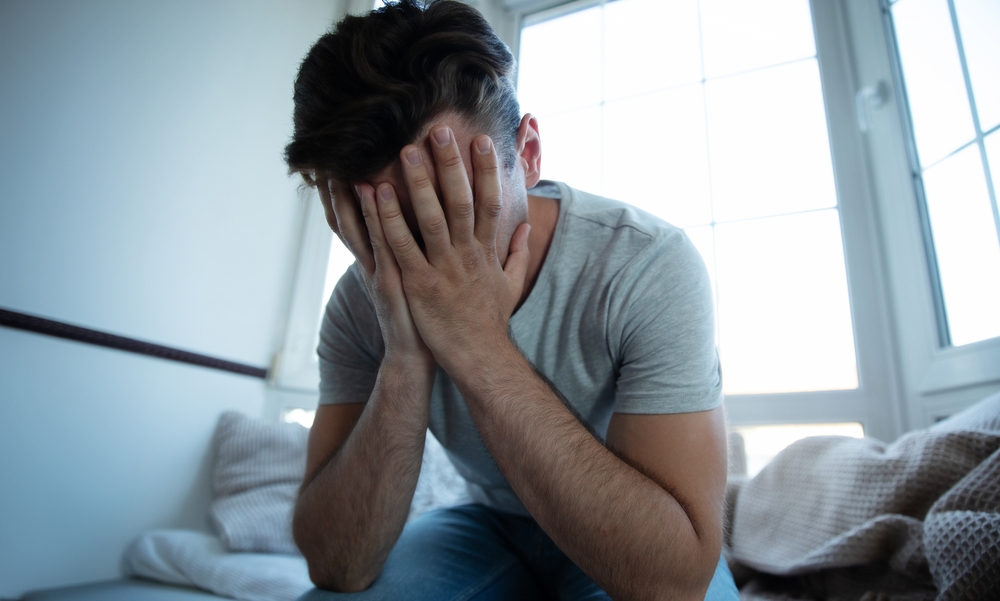
Long COVID isn’t just physical. Depression, anxiety, and trouble sleeping often go hand-in-hand with the condition, especially when daily life becomes difficult.
Mental health support is just as important as physical recovery.
Digestive issues
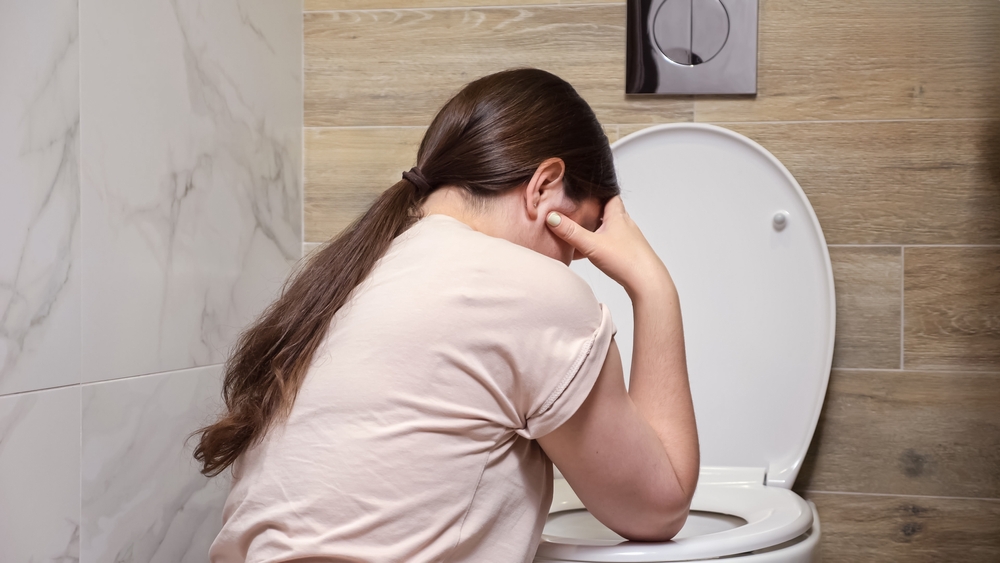
Symptoms like nausea, diarrhea, loss of appetite, and stomach pain are frequently reported by those with long COVID.
Eating a healthy, balanced diet can support recovery and boost energy levels.
Muscle and joint pain
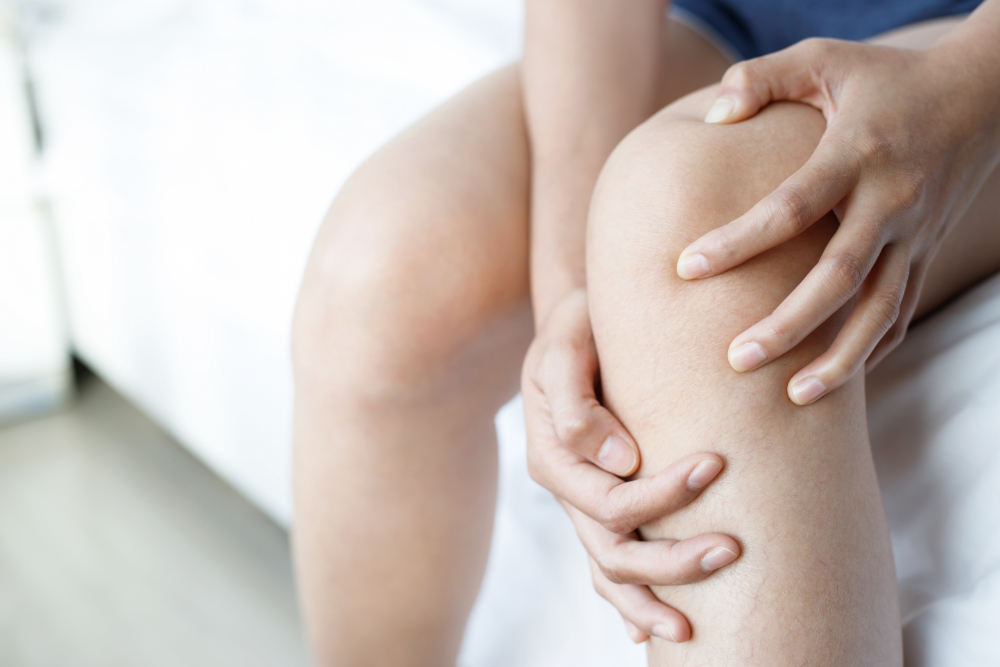
Aches and pains that don’t go away are another frustrating part of long COVID.
Movement can help – even gentle stretching or walking – but it’s important not to overdo it and risk making symptoms worse.
It can hit you even after a mild case

You don’t have to have been seriously ill to develop long COVID.
In fact, many people who only had mild symptoms during their initial infection end up with persistent long-term effects.
Self-care matters

Keeping a sleep schedule, staying hydrated, and tracking your symptoms in a diary can help you understand and manage your condition.
But pushing yourself too hard can backfire, so pace your activities and listen to your body.
The doctor can help you

If your symptoms are affecting your daily life, talk to your doctor.
They can refer you to clinics where specialists offer tests, treatments, and tailored support for both physical and mental health recovery.
This article is based on information from NHS.uk.