
If you want to maximize your calorie burn, it’s essential to choose the right exercises.
Here’s a list of the most effective workouts based on their calorie-burning potential.
Keep in mind that the numbers are estimates – your actual burn depends on factors like intensity, duration, and body weight.
Running

Running is one of the best calorie-burning exercises. Depending on your weight, it can burn between 808 and 965 calories per hour.
Water polo

This demanding water sport requires constant movement, which makes it a high-calorie burner. It can help you burn between 703 and 839 calories per hour.
Cycling

Biking, especially at high intensity, is a fantastic cardiovascular workout. It can burn between 596 and 710 calories per hour.
Calisthenics

Bodyweight exercises like push-ups, pull-ups, and squats offer a versatile way to train. They can burn between 596 and 710 calories per hour.
Circuit training

By combining various exercises into one high-intensity routine, circuit training maximizes calorie burn. Expect to burn between 596 and 710 calories per hour.
Jump rope
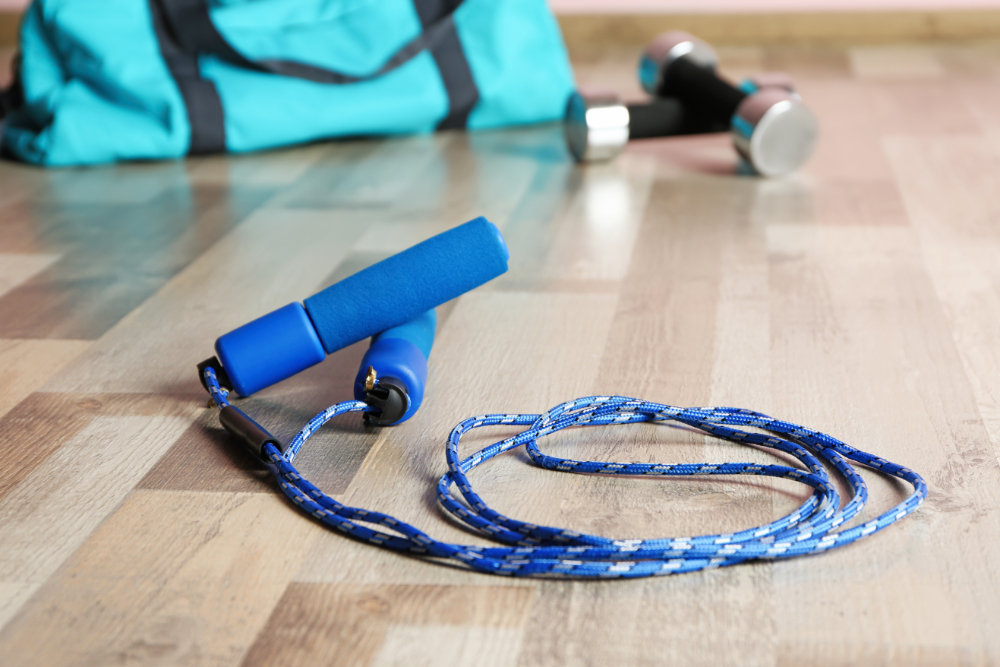
Jumping rope is one of the most effective full-body cardio workouts. It can burn between 562 and 671 calories per hour.
Stationary cycling
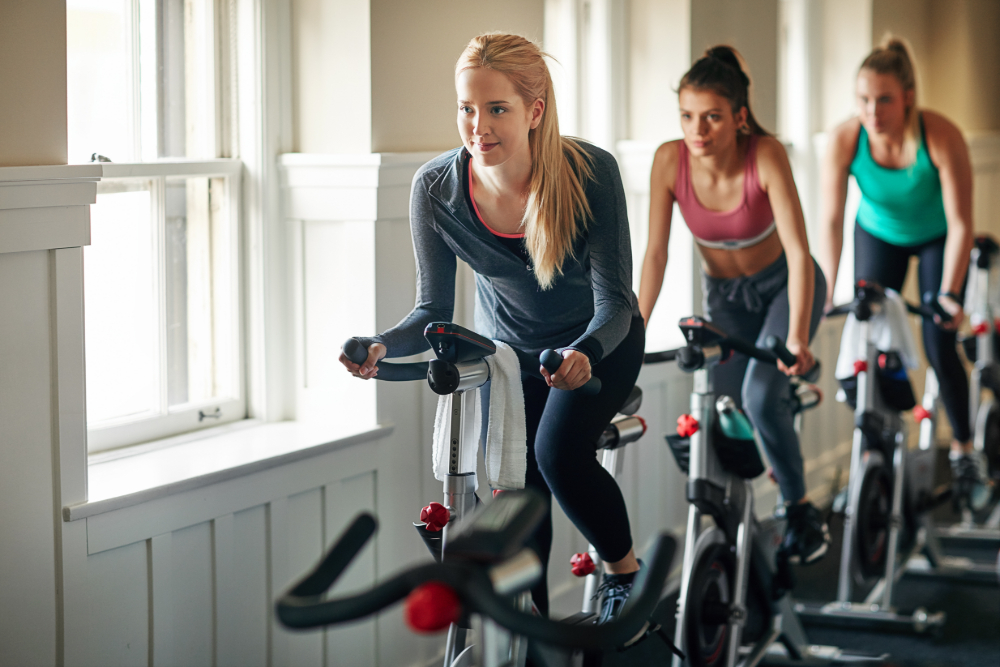
A great indoor alternative to outdoor cycling, a stationary bike allows you to control intensity. You can burn between 520 and 622 calories per hour.
Rowing
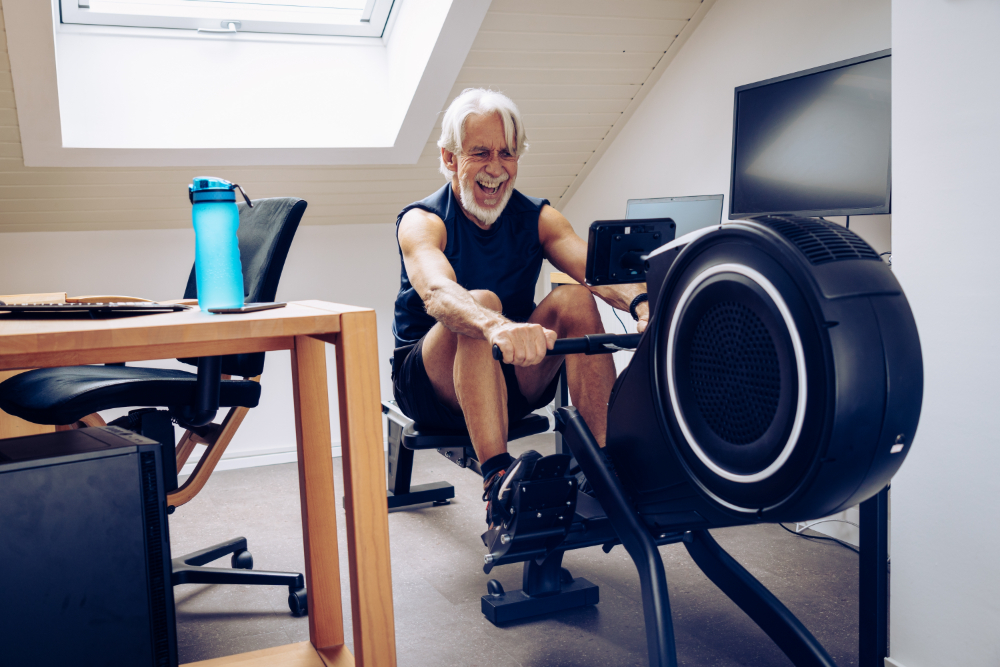
Using a rowing machine engages both upper and lower body muscles, making it an efficient workout. It can burn between 520 and 622 calories per hour.
Aerobic dance

Dancing to upbeat music makes for a fun and effective cardio session. It can burn between 492 and 587 calories per hour.
Swimming (light intensity)

Even at moderate intensity, swimming provides an excellent, low-impact workout. It can burn between 492 and 587 calories per hour.
Jogging

A slightly lower-intensity version of running, jogging is still an effective cardio workout. You can burn between 492 and 587 calories per hour.
Hiking

Hiking, especially on hilly terrain, is a great way to burn calories without putting too much strain on your joints. It can burn between 421 and 503 calories per hour.
This article is based on information from Healthline.
This article is made and published by Rasmus Kristensen, who may have used AI in the preparation.