
Ever wondered why some farts smell worse than others?
The answer lies in the complex world of gut bacteria, diet, and gas composition.
Let’s break down the science of smelly farts and what you can do to reduce the stink.
The role of sulfur in fart odor

The main culprit behind smelly farts is hydrogen sulfide, a gas produced when gut bacteria break down certain foods.
Sulfur-rich foods like eggs, meat, and cruciferous vegetables contribute to this process, leading to that unmistakable rotten egg smell.
How often do people fart?

On average, a person farts 15-30 times per day.
Most farts are odorless and go unnoticed, but factors like diet and gut bacteria can influence how often and how smelly they are.
Foods that make farts smell worse

Certain foods are notorious for causing smelly gas. These include cabbage, broccoli, beans, onions, and dairy products.
High-protein diets, especially those rich in red meat, can also lead to stinkier farts due to increased sulfur production.
The impact of fiber on gas production

High-fiber foods like whole grains, beans, and vegetables can cause more gas, but they don’t always make farts smell worse.
Fiber helps digestion and promotes healthy gut bacteria, which can sometimes neutralize bad odors.
How gut bacteria influence fart odor

Everyone has a unique gut microbiome, which means the way your body processes food and produces gas is different from others.
Some people naturally produce more sulfur-containing gases, making their farts smellier.
Does lactose intolerance cause smelly farts?
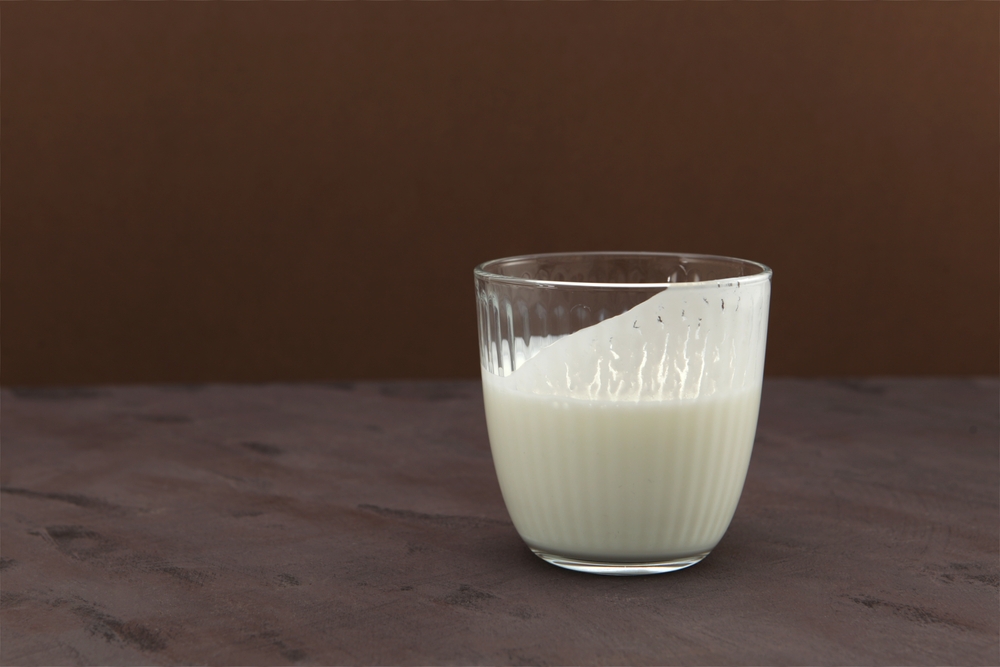
If you’re lactose intolerant, consuming dairy products can lead to excessive gas and bloating.
This happens because your body struggles to digest lactose, leading to fermentation in the gut, which produces strong-smelling gas.
Can you reduce fart odor through diet?

Yes! If you notice particularly smelly farts, try adjusting your diet.
Eating less sulfur-rich foods, drinking plenty of water, and including probiotics in your meals can help balance gut bacteria and reduce odor.
When should you see a doctor about smelly farts?

Occasional smelly farts are normal, but if they become excessive or are accompanied by stomach pain, bloating, or changes in bowel movements, it might be a sign of an underlying digestive issue like irritable bowel syndrome (IBS) or food intolerances.
Why do your own farts smell less offensive?

Your brain is used to your own scent, which is why your farts don’t seem as bad as someone else’s.
This phenomenon makes your own smells less noticeable to you over time.
Can exercise help reduce gas?

Physical activity, such as yoga or walking, can help move gas through the digestive system more efficiently, reducing bloating and discomfort.
Certain yoga poses are particularly effective at relieving trapped gas.
This article is based on information from iForm.
This article is made and published by Ida-Marie Palm Varbæk, who may have used AI in the preparation.