
Today marks World Sleep Day, which focuses on the importance of good sleep and healthy sleep habits for our health and well-being.
Experts point to a number of simple habits that can help the body sleep better and more consistently.
Keep a consistent sleep schedule

One of the most important recommendations is to go to bed and wake up at the same time every day, according to a study from Applied Physiology, Nutrition, and Metabolism.
A fixed routine helps the body maintain a stable circadian rhythm. Even on weekends, it is advisable to try to follow the same schedule.
Also read: Study examines link between groundwater and Parkinson’s disease risk
Get daylight every day

Natural light plays a major role in regulating the body’s sleep pattern. Experts recommend spending at least 30 minutes outdoors each day.
Morning sunlight in particular can help people who have difficulty falling asleep.
Turn off screens before bedtime

Phones, tablets, televisions, and computers can make it harder to wind down.
The blue light from screens stimulates the brain and keeps the body awake, according to a study from the Journal of BIOPhotonic.
Also read: Can a daily vitamin pill slow aging? New study offers a possible answer
For that reason, it is recommended to turn off electronic devices at least one hour before going to bed.
Exercise regularly

Physical activity can significantly improve sleep quality. This is especially true if exercise takes place earlier in the day.
If exercising in the evening, it should ideally be done at least two to four hours before bedtime so the body has time to relax.
Avoid late naps

A nap can help after a poor night’s sleep, but sleeping late in the afternoon can make it harder to fall asleep at night, according to a study from PLOS One.
Also read: New dietary guidelines recommend less red meat in the diet
Experts therefore recommend avoiding naps after 3 p.m.
Avoid checking the clock
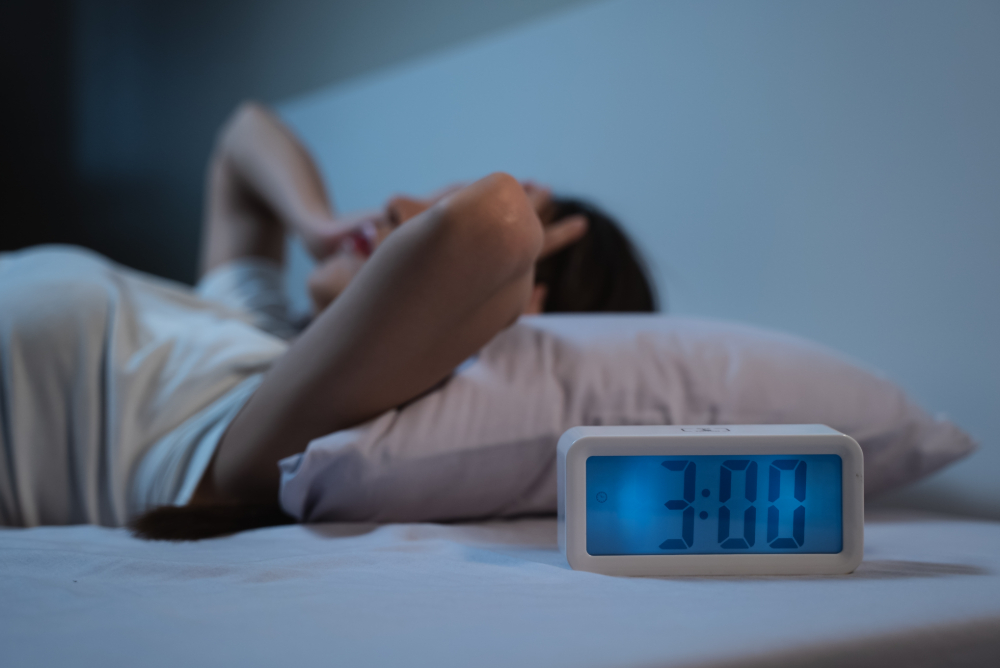
If you wake up during the night, watching the clock can make the situation worse.
Many people begin to worry about how little sleep they have left. A study published in The Journal of Nervous and Mental Disease therefore recommends turning the clock away so it cannot be seen.
Avoid alcohol and caffeine before bedtime

Alcohol may initially make you feel sleepy, but it can later disrupt sleep and make it harder to sleep through the night, according to a study published in Alcohol.
Also read: Expert warns about “vape brain”: May affect young people under 25
Caffeine is found in coffee, tea, soft drinks, and chocolate and can remain in the body for several hours, which may affect sleep.
Use calming background sounds

Some people wake easily from small noises. Earplugs or calm background sounds can help reduce disruptive noise.
For example, a fan or dedicated sound machines can create a more stable sound environment in the room.
Keep the bedroom cool

The body sleeps best at a lower temperature. A cool bedroom can therefore make it easier to fall asleep and sleep better.
Also read: How mushrooms can affect your bloodpressure if you eat them regulary
Sleep experts recommend a temperature of around 19 degrees Celsius.
Take a warm bath or shower

A warm bath or shower in the evening can help the body relax.
As the body cools afterward, it may become easier to fall asleep, according to a study published in Sleep Medicine Reviews.
Darkness in the bedroom

Darkness helps the body understand that it is time to sleep.
For that reason, it can be a good idea to dim the lights before bedtime and use blackout curtains so the bedroom becomes as dark as possible during the night.
Get up if you cannot sleep

If you have been awake for more than 20 minutes without falling asleep, experts recommend getting up. You can do something calm such as reading or writing.
When you start to feel sleepy again, you can return to bed.
Sources: Real Simple, Applied Physiology, Nutrition, and Metabolism, Journal of BIOPhotonic, PLOS One, The Journal of Nervous and Mental Disease, Alcohol, and Sleep Medicine Reviews.