
Chickpeas are a hidden gem in the kitchen, and if you haven’t yet discovered their versatility, now is the time!
They are nutritious, budget-friendly, and easy to work with—perfect for both everyday meals and special occasions.
Here are 10 creative and delicious ways to use chickpeas in your kitchen.
Homemade falafels
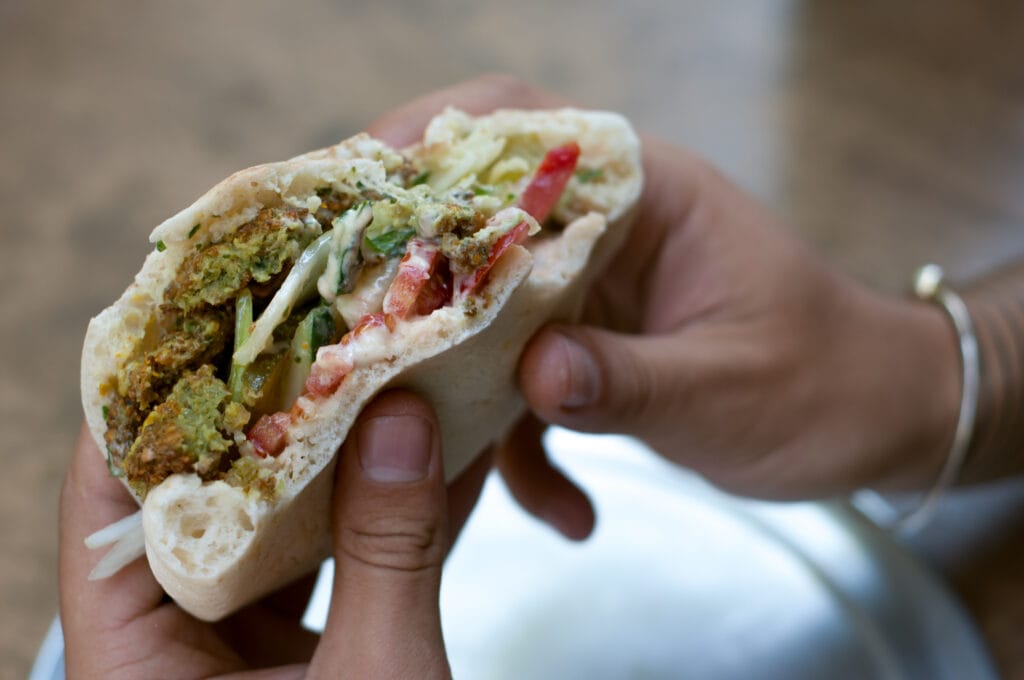
A classic that everyone should try making at home. Chickpeas are the main ingredient in falafels, giving them their signature crispy exterior and flavorful, spiced interior.
Serve them in pita bread with fresh vegetables and tahini dressing—a true favorite!
Hummus
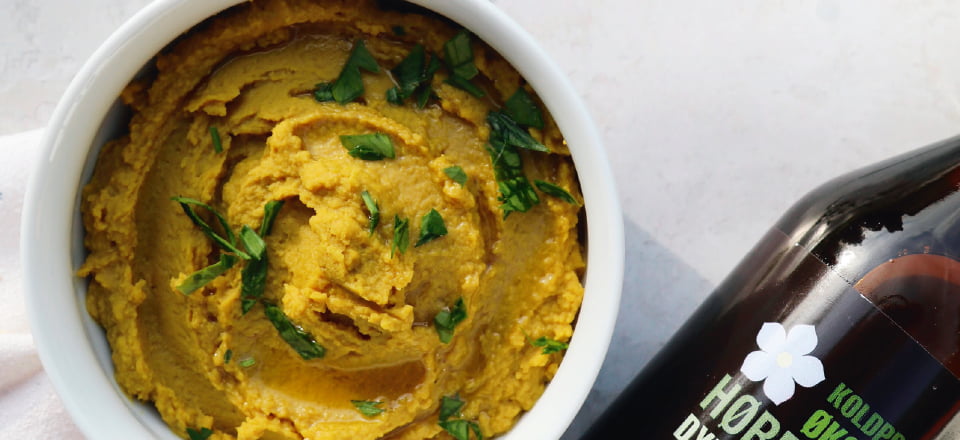
This popular chickpea spread is perfect as a dip, a sandwich spread, or a side dish.
Add lemon, cumin, and garlic for a creamy and flavorful hummus that pairs well with everything from veggie sticks to sandwiches.
Crispy chickpea snacks
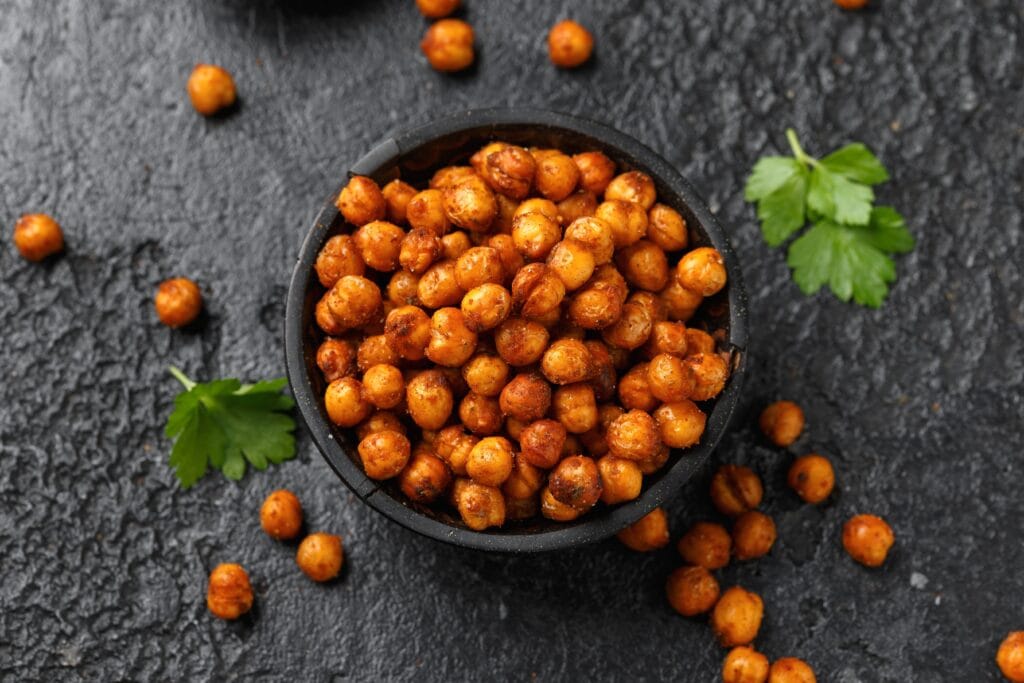
Fry chickpeas until crispy with a little oil and spices like paprika, chili, or garlic powder.
This makes for a healthy and crunchy snack that can rival chips—and you can customize the flavor just the way you like it.
Meat-free stews
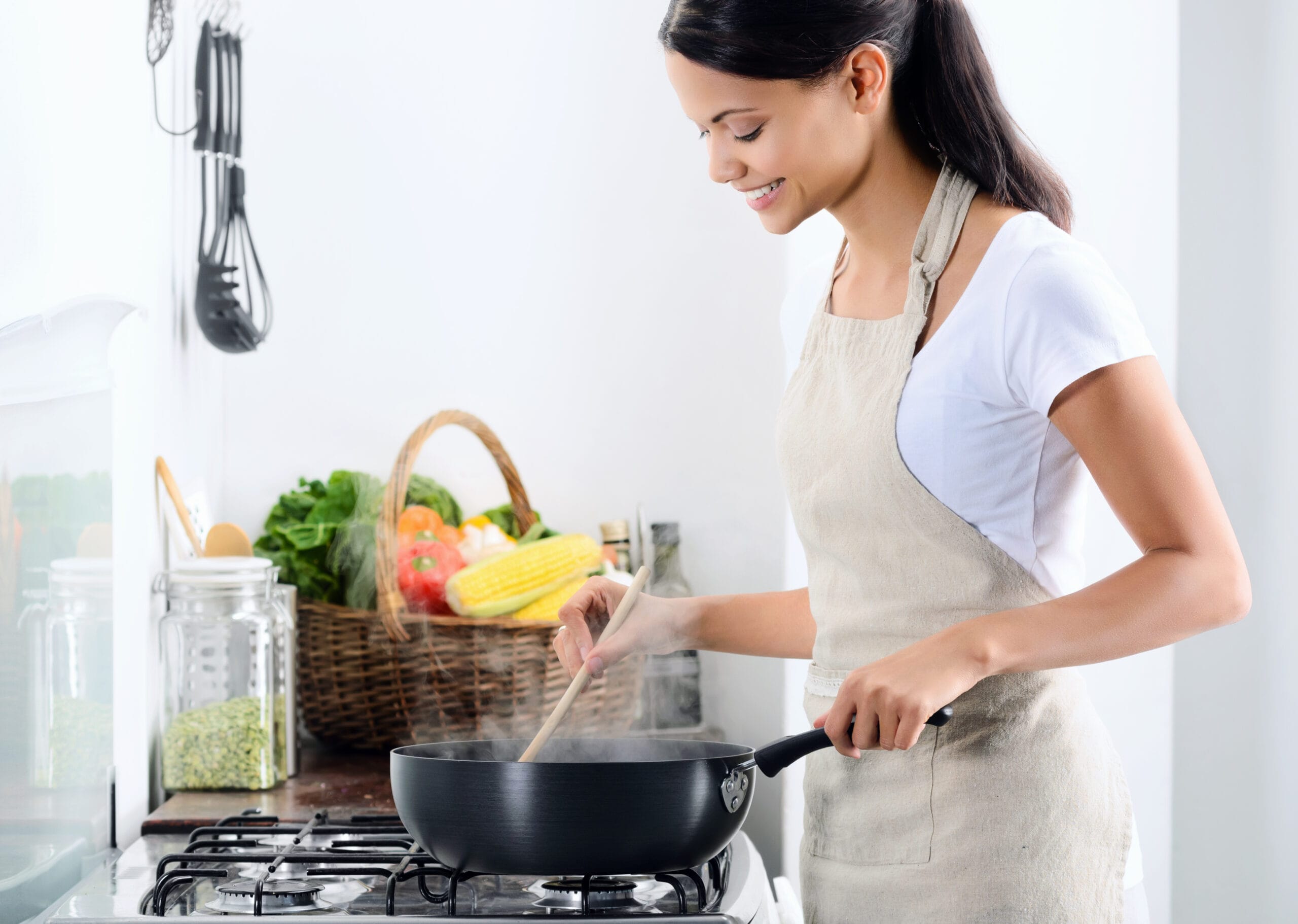
Replace some or all of the meat in your stews with chickpeas for a more plant-based meal.
They absorb flavors from spices and sauces beautifully and provide a satisfying texture without compromising on heartiness.
Chickpea pancakes
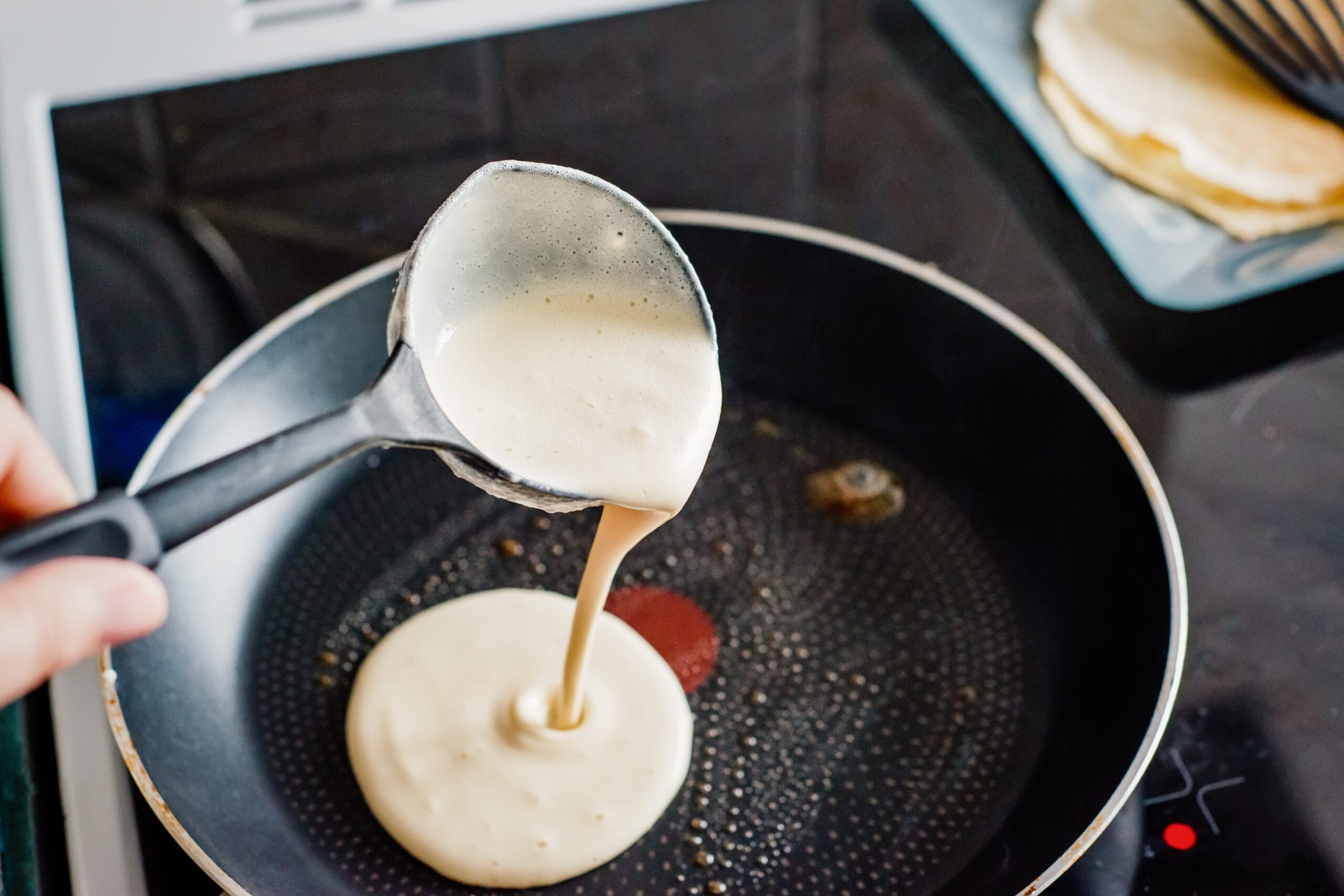
Blend chickpeas with a little water and spices like cumin and garlic powder to create a pancake batter.
Fry them into small flatbreads that can be used as wraps, pizza bases, or tapas-style bites.
Soups
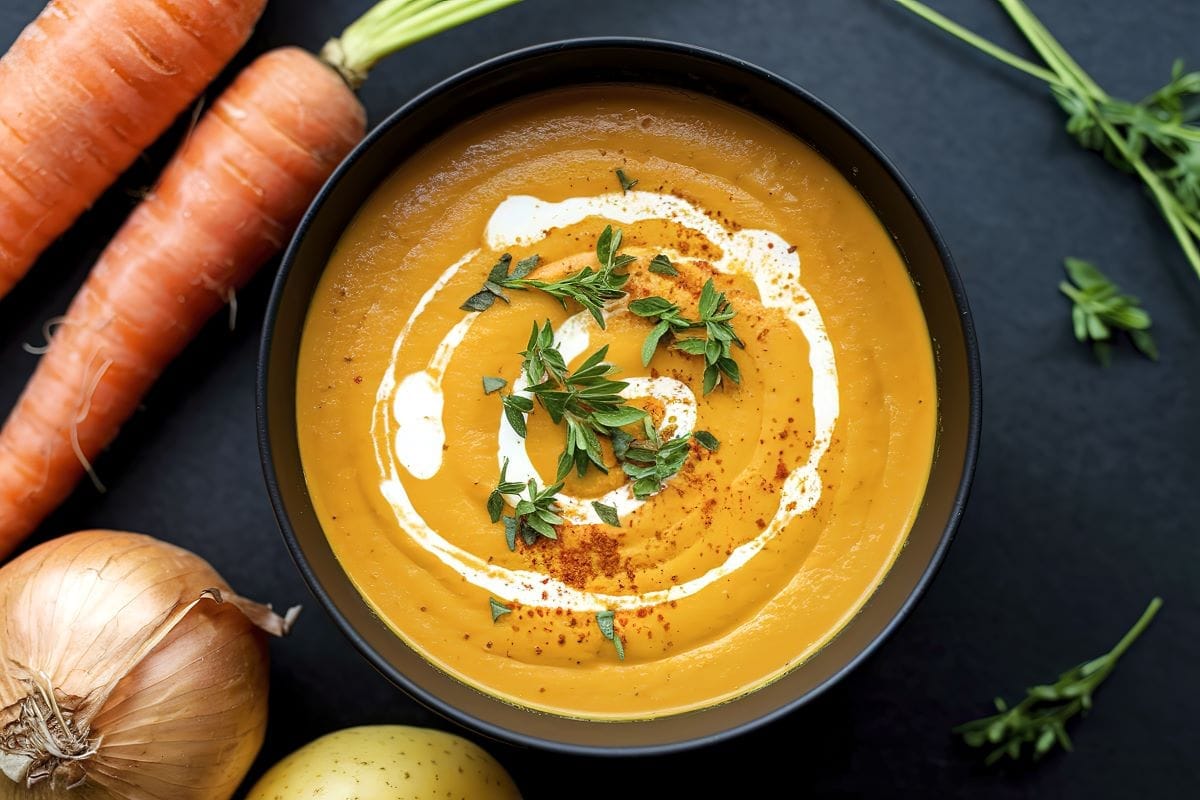
Chickpeas can be blended to give creamy soups a richer texture or added whole as a hearty ingredient.
Try them in a tomato or pumpkin soup for extra bite and protein.
Chickpeas in baking

Did you know that chickpea water (aquafaba) can be used as a vegan egg substitute in baking?
Whip it up and use it in everything from meringues to pancakes. It’s a brilliant and sustainable way to reduce food waste.
Salads
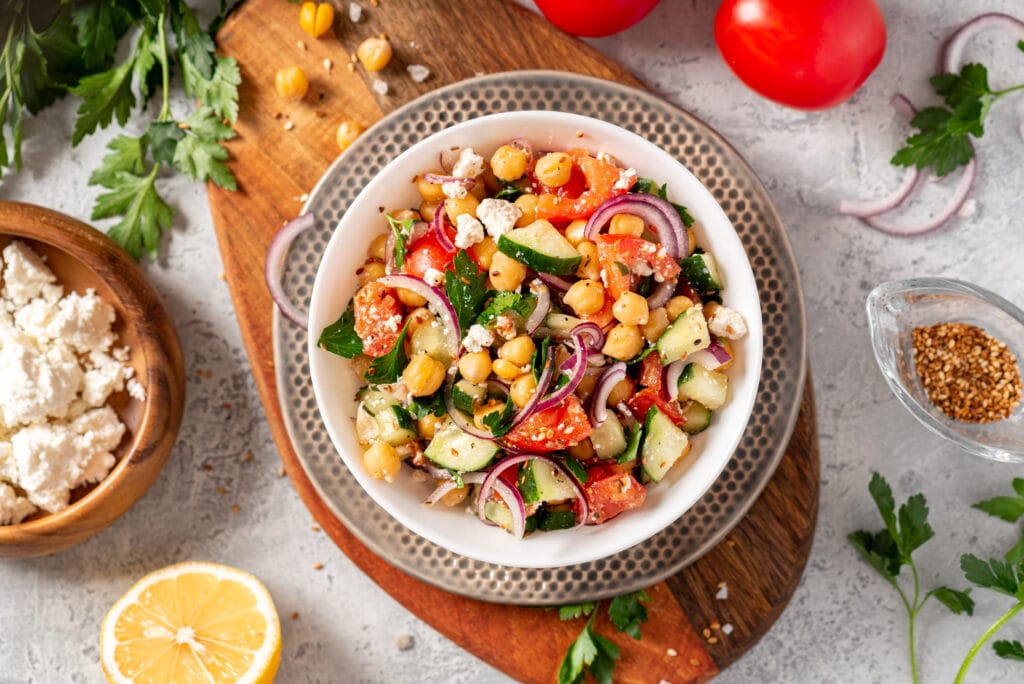
Add chickpeas to your salads to make them more filling.
They work well in cold pasta salads or fresh green salads. Try roasting them with spices before mixing them in for an extra layer of flavor.
Chickpea curry
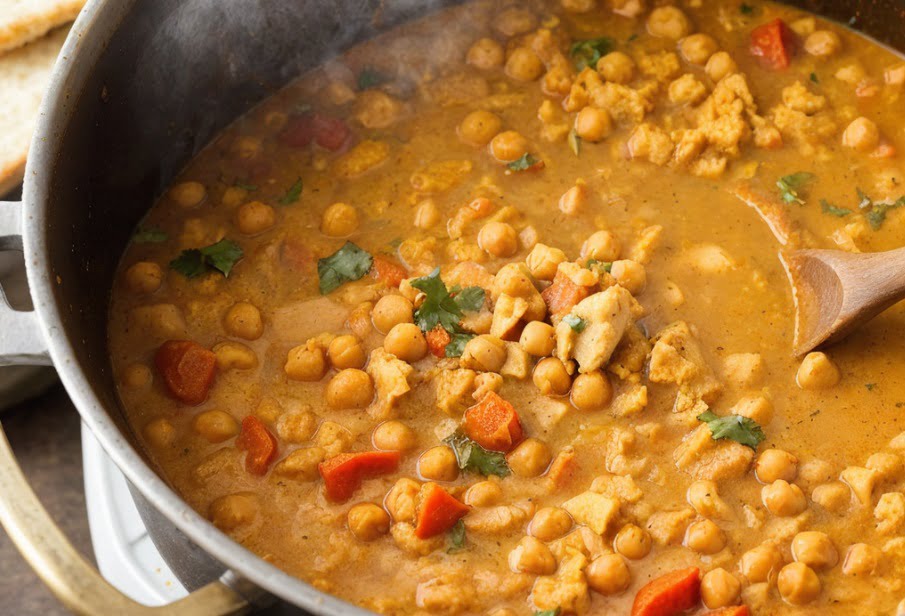
Make a simple and delicious chickpea curry by simmering chickpeas with coconut milk, curry paste, vegetables, and a bit of lime juice.
You can also add chicken if you prefer a non-vegetarian version. A quick and easy weekday meal that never disappoints.
Chickpea flour for gluten-free baking
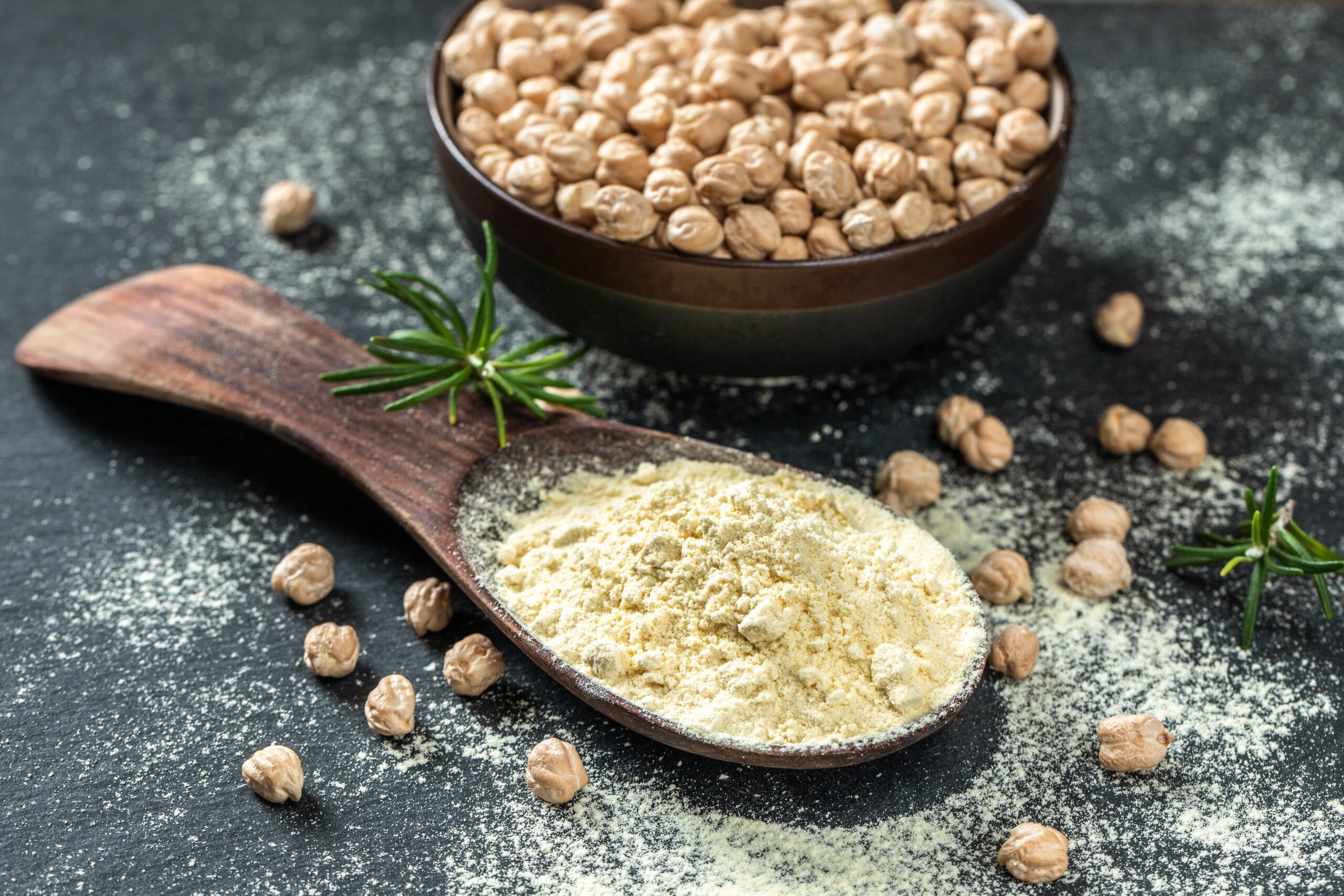
Chickpea flour is a fantastic alternative to wheat flour if you’re baking gluten-free.
Use it to make everything from pancakes to bread, or as a thickener for sauces and soups.
The article is based on information from DR.
This article is made and published by Ida-Marie Palm Varbæk, who may have used AI in the preparation.