
Death remains one of life’s biggest mysteries, but new research reveals that our bodies might detect it before our minds do.
Through scent and instinct, our subconscious reacts to signs of death—long before we’re even aware.
The Body Detects Death Through Scent

When a person dies, the body releases a compound called putrescine. Humans can subconsciously pick up on this scent, triggering a physical response to danger.
Putrescine Is The Signal

Putrescine is a chemical that emerges during decomposition. Its foul odor acts as a warning signal to the human brain, much like a natural alert system.
Also read: She Ate 2 Eggs Every Morning for 2 Weeks – Here’s What Happened to Her Body!
The Reaction Happens Without Awareness
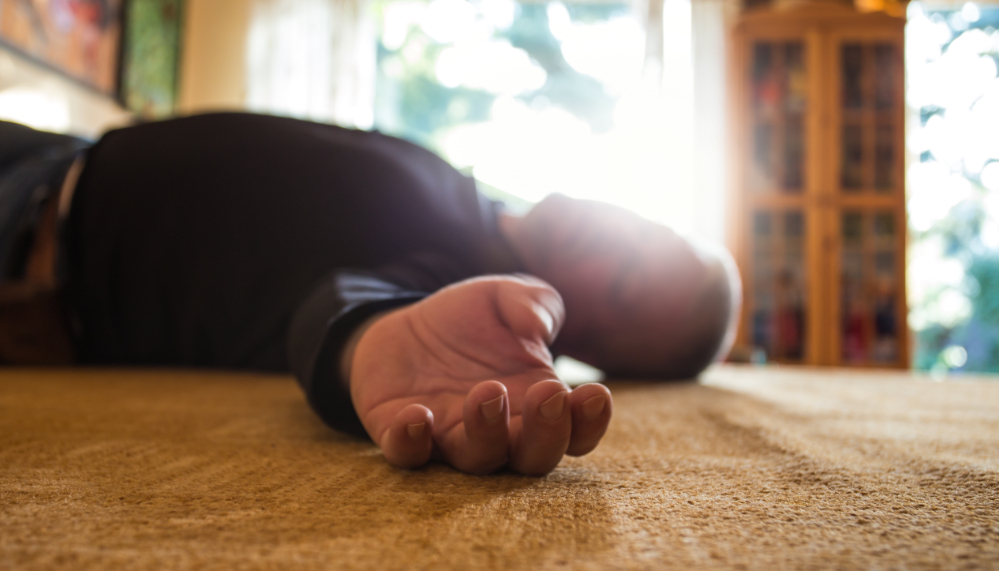
Even without consciously noticing the smell, your brain reacts immediately. This unconscious response sends out stress signals to the body, activating survival instincts.
The Researchers Behind The Discovery

This groundbreaking insight comes from Arnaud Wisman at the University of Kent and Ilan Shira from Arkansas Tech University, who explored how humans react to the scent of decay.
An Ancient Survival Mechanism

Like animals, humans are wired to avoid death and decay. It’s a built-in biological defense to keep us safe from danger and disease.
We Often Don’t Know Why We React

You might suddenly feel anxious or uncomfortable in a place—and not know why. Your brain may have picked up a warning scent, even if you didn’t consciously smell it.
Also read: This Is Why Mosquitoes Always Bite You, According to Experts
Smell Strongly Affects Emotions

Our sense of smell is deeply linked to our emotions. Scents can influence mood, behavior, and perception—often without us even realizing it.
Attraction Scents Vs. Death Signals
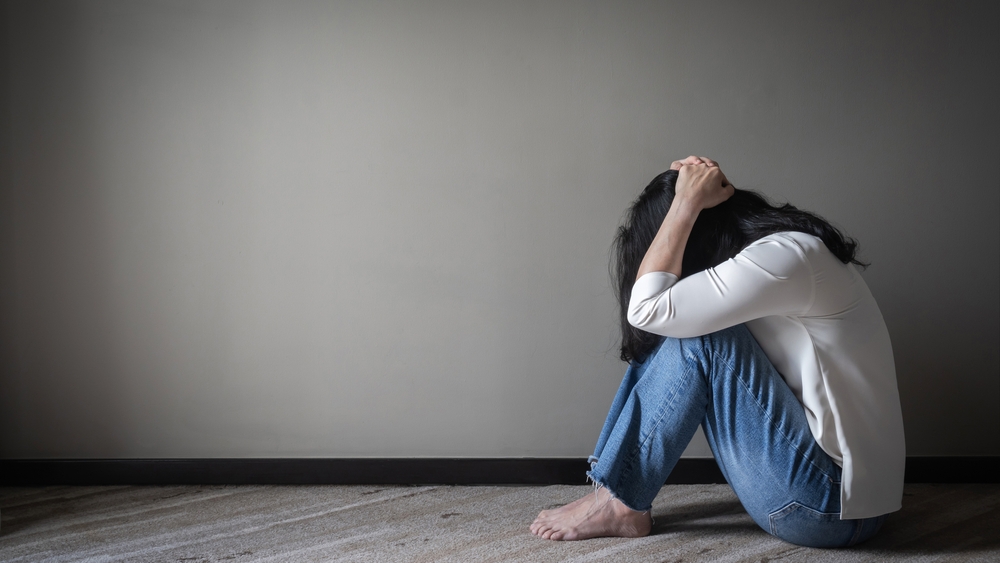
While pheromones promote attraction and bonding, the scent of putrescine causes the opposite—fear, avoidance, and alertness.
Your Nose As A Warning System

The nose isn’t just for smell—it’s a biological sensor that warns the body of potential threats, even before the brain processes them consciously.
Death Triggers The Subconscious

Death doesn’t just affect those who pass—it triggers deeply rooted responses in those nearby. These reactions start with scent and end in instinctive action.
Also read: This Is Why You Should Stop Using Toilet Paper, According to Harvard Doctor
This article is based on information from Newsner
Also read: This Is How Long Your Nap Should Be If You Want to Keep Your Brain Young
This article is made and published by Mie Hermansen, who may have used AI in the preparation.