
Quinoa is known for its high protein content, but several other grains actually contain even more protein.
Here is an overview of different grains and their protein content, based on data from the United States Department of Agriculture (USDA), as reported by Parade.
Oats
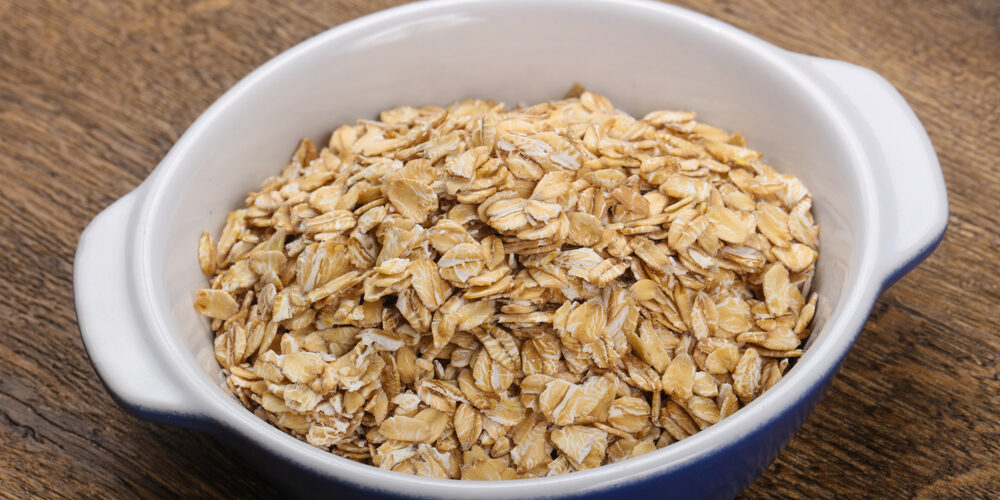
Oats contain approximately 5.9 grams of protein per cup of cooked oatmeal.
They also provide soluble dietary fiber, including beta-glucan.
Also read: Living near water pollution may raise risk of rare brain disease
You can increase the protein content of your breakfast by combining oats with milk, yogurt, or nuts.
Buckwheat
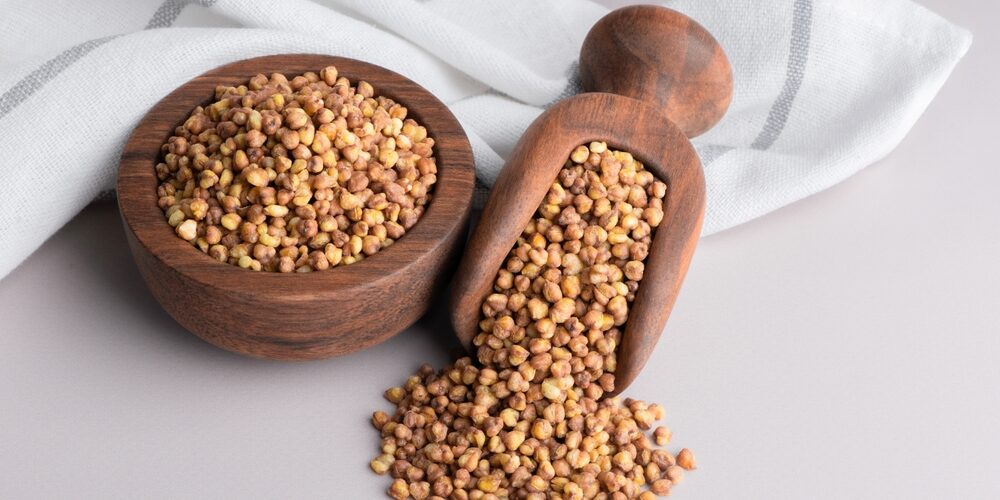
Buckwheat provides approximately 5.7 grams of protein per cup of cooked buckwheat.
Despite its name, buckwheat is not related to wheat and is naturally gluten-free.
The small, triangular seeds have a distinctive earthy flavor and can be eaten for breakfast, served as a side dish, or used as a base for various grain bowls.
Also read: Scientists discover why some cancers may be less common in type 1 diabetes
Quinoa
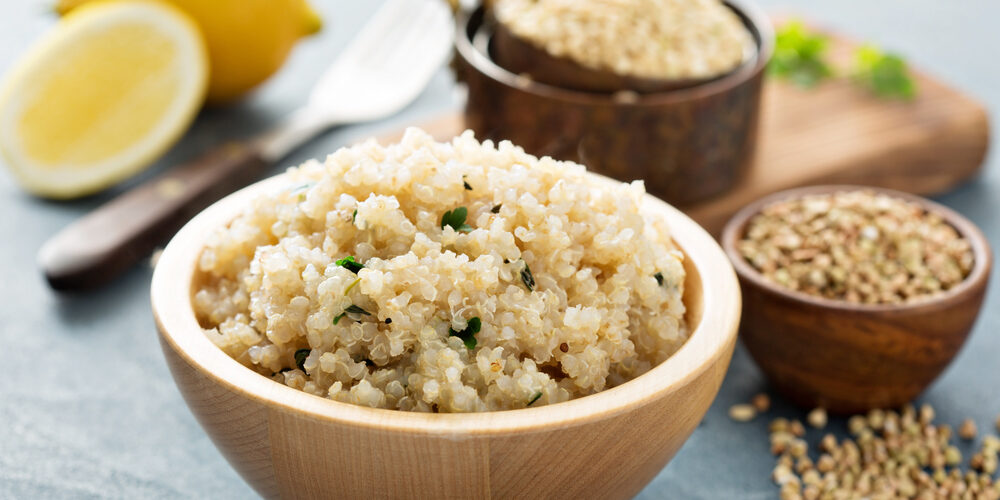
One cup of cooked quinoa provides around 8.1 grams of protein.
Although quinoa does not have the highest protein content, it stands out because it contains all nine essential amino acids.
It is also naturally gluten-free and can typically be prepared in about 15 minutes.
Brown rice
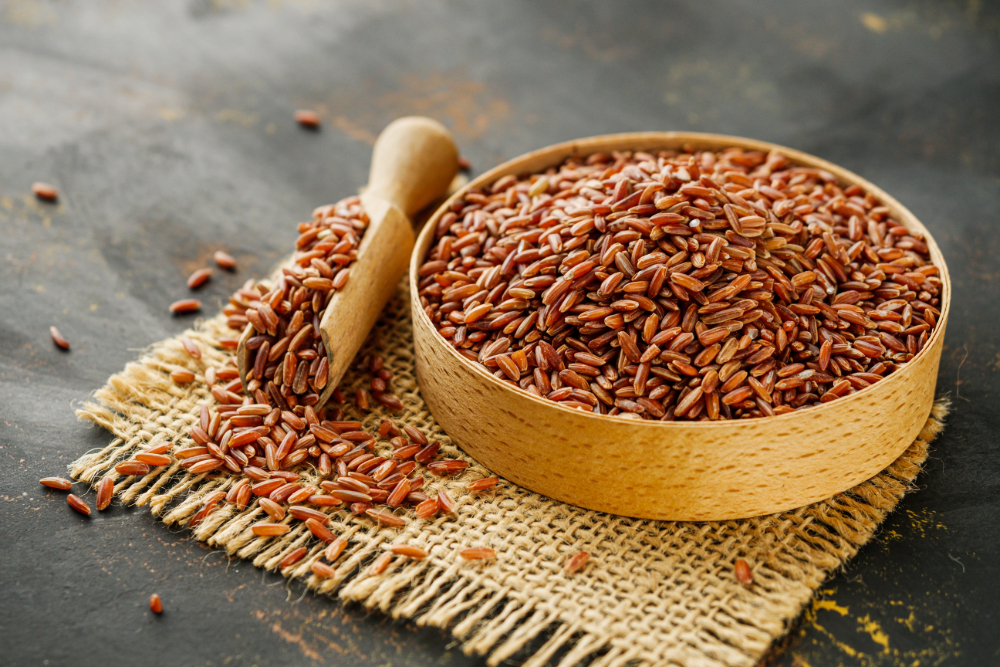
Brown rice provides approximately 5.5 grams of protein per cup of cooked rice.
Also read: Scientists make breakthrough in fight against deadly childhood brain cancer
This is less than both quinoa and spelt, but brown rice can easily be combined with other protein-rich foods.
For example, adding beans, lentils, or tofu can increase the protein content of a meal featuring brown rice.
Teff
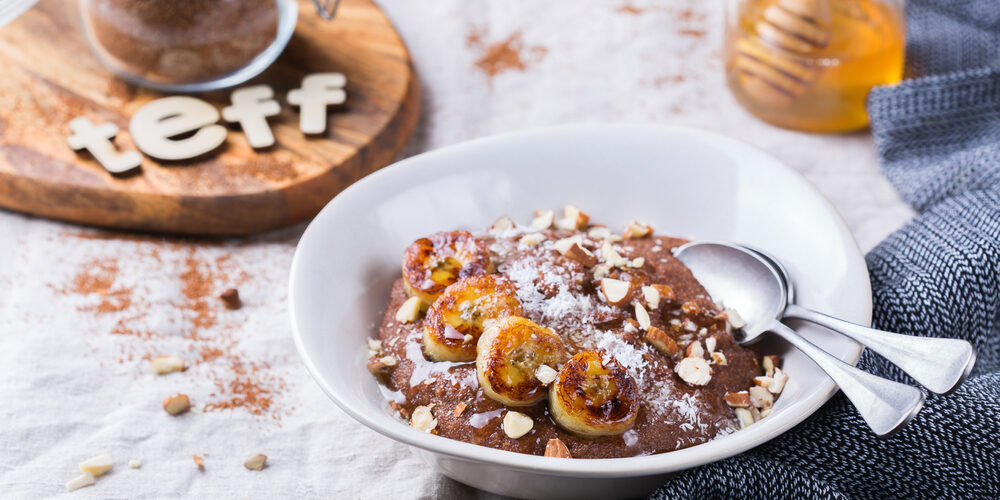
The tiny grain teff contains around 9.8 grams of protein per cup of cooked teff.
Teff is naturally gluten-free and also provides iron and dietary fiber.
Also read: Just 30 minutes of daily exercise could make a difference for your liver
It is traditionally used to make the Ethiopian flatbread injera, but it can also be prepared as porridge or incorporated into hot dishes.
Bulgur
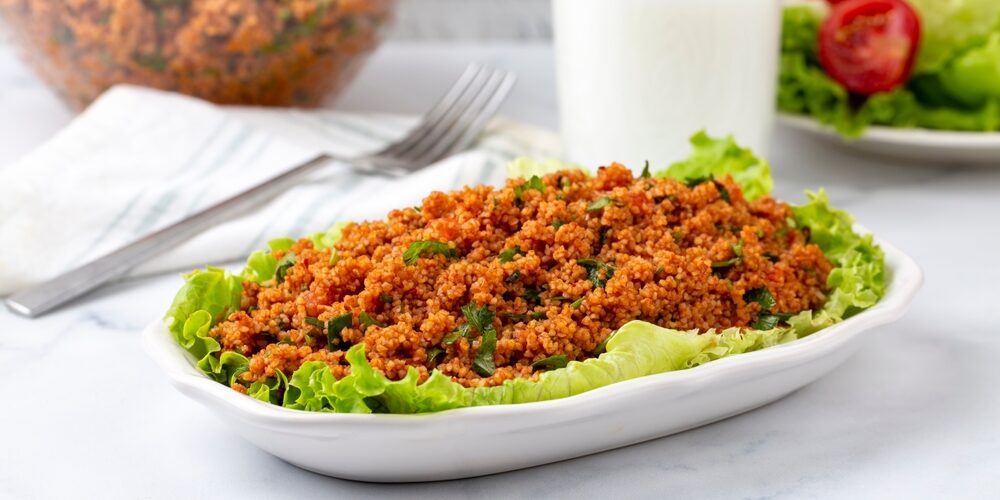
One cup of cooked bulgur contains approximately 5.6 grams of protein.
Bulgur is made from cracked, precooked wheat and can often be prepared quickly.
It is commonly used in soups and various rice-based dishes. Bulgur also contains dietary fiber.
Also read: Wildfire smoke during pregnancy linked to 30% higher autism risk in children
Spelt
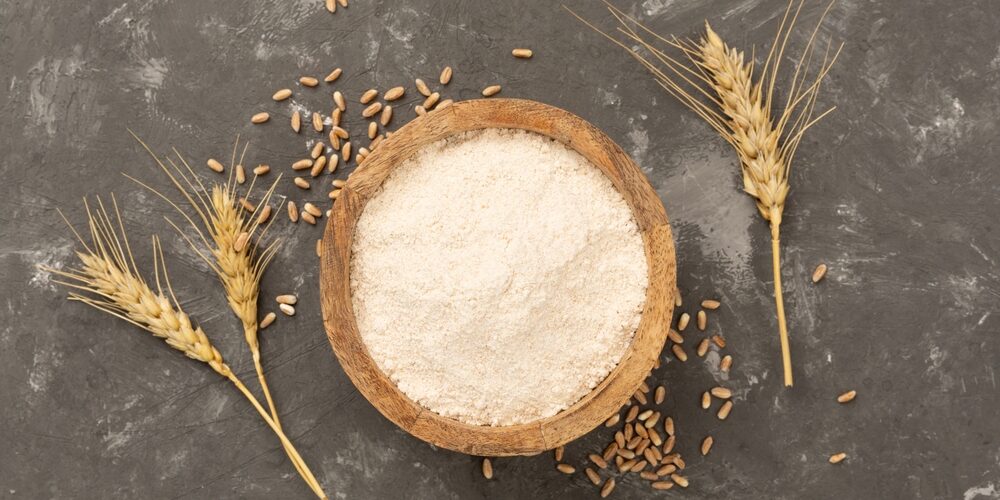
Spelt contains approximately 10.7 grams of protein per cup of cooked spelt, placing it at the top of the list in terms of protein content.
This ancient variety of wheat has a slightly nutty flavor and a firm texture, making it well suited to salads and various side dishes.
Spelt contains gluten.
Wild rice
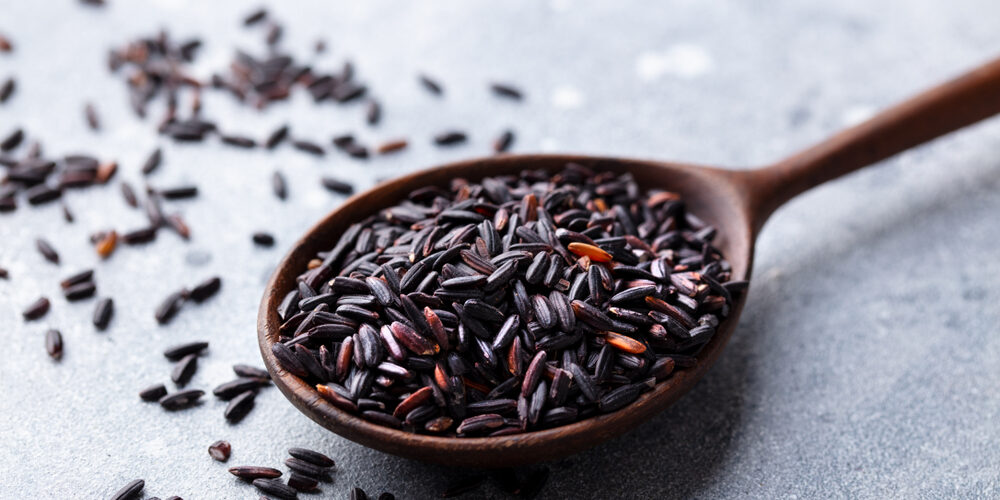
Wild rice contains approximately 6.5 grams of protein per cup of cooked wild rice.
Despite its name, wild rice comes from the seeds of an aquatic plant belonging to the grass family.
It contains more protein than many varieties of brown rice and has a distinctive flavor and firm texture that work well in soups and salads.
Amaranth
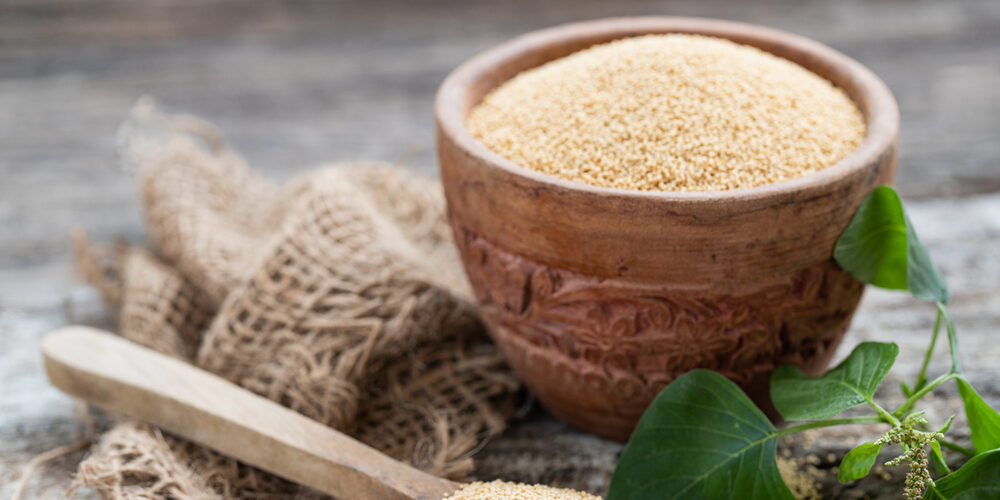
Amaranth contains around 9.3 grams of protein per cup of cooked seeds.
Although amaranth is technically a seed, it is used in much the same way as grains.
It is naturally gluten-free and has a slightly sticky texture, making it suitable for porridge, soups, and mixed grain dishes.
Millet
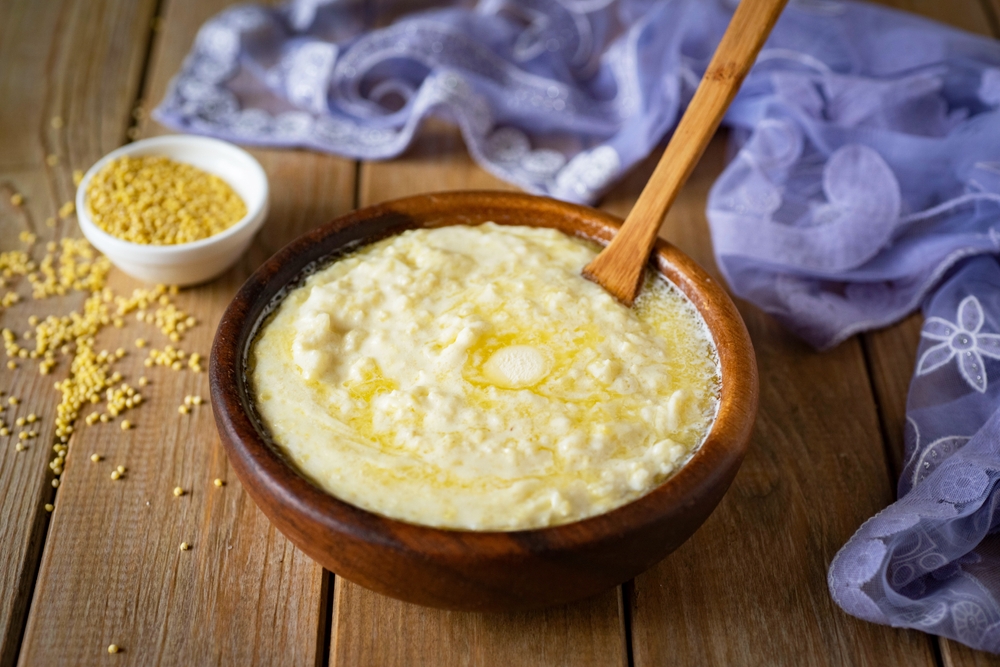
One cup of cooked millet contains around 6.1 grams of protein.
Millet is naturally gluten-free and has a mild flavor that works well in both sweet and savory dishes.
Depending on how it is prepared, its texture can be fluffy like couscous or creamy like porridge. Millet can also be used as an alternative to rice.
Farro
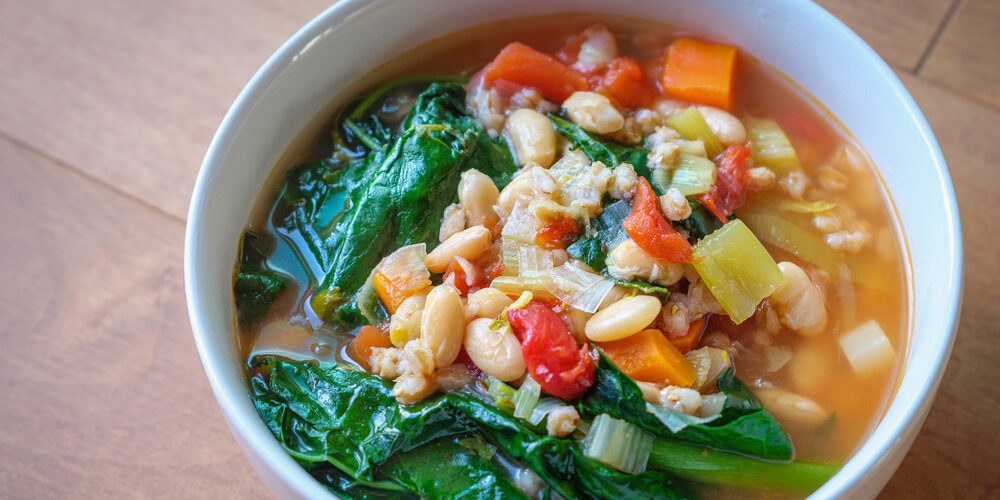
Farro contains around 8 grams of protein per cup of cooked farro.
This ancient variety of wheat has a nutty flavor and a firm texture that pair well with salads, soups, and roasted vegetables.
Its protein content can vary depending on the variety and degree of processing. Farro contains gluten.
Kamut
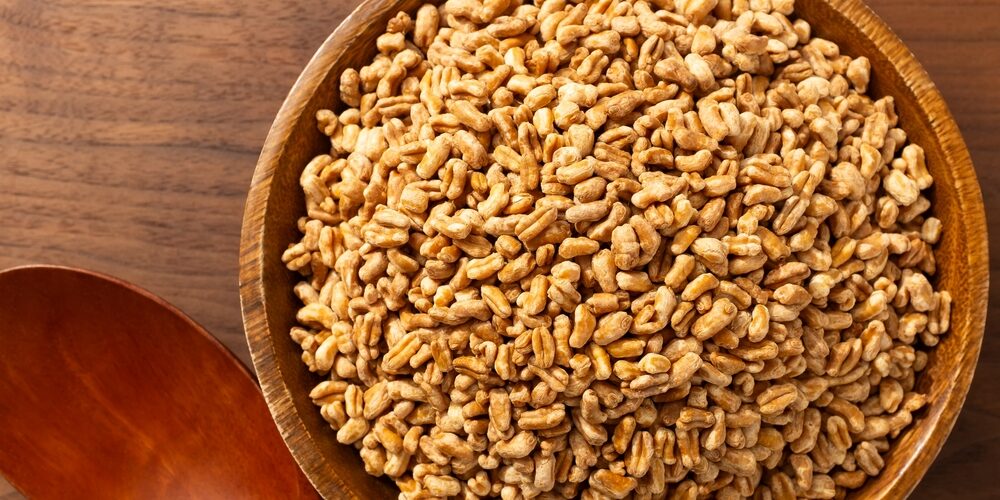
Kamut, also known as Khorasan wheat, contains around 9.8 grams of protein per cup of cooked grain.
This grain has large kernels with a firm texture, making it suitable for both soups and salads.
Like regular wheat, Kamut contains gluten and is therefore unsuitable for people with celiac disease.
This article is made and published by Ida-Marie Palm Varbæk, who may have used AI in the preparation.