
You might think sunscreen and shade are enough protection during sunny days.
But if you’re taking certain medications, you could be at risk of serious sunburn — even after just a few minutes outdoors.
Here are 10 common medications that increase your skin’s sensitivity to UV rays.
Antibiotics

Several antibiotics, including tetracyclines like doxycycline and fluoroquinolones such as ciprofloxacin and levofloxacin, are known to cause photosensitivity.
This means they can cause your skin to react aggressively to sunlight, resulting in quick and painful sunburns.
Oral contraceptives

Some birth control pills containing estrogen and progestin, like Ortho Tri-Cyclen and Sprintec, may increase your sensitivity to the sun.
Although not as strongly linked to photosensitivity as antibiotics, it’s still important to be cautious when using them.
Acne treatments with vitamin A

Drugs like Accutane (isotretinoin) and Retin-A (tretinoin), used for treating acne, promote skin cell turnover and thin the skin’s outer layer.
This leaves the skin more exposed and vulnerable to UV damage.
NSAIDs (nonsteroidal anti-inflammatory drugs)
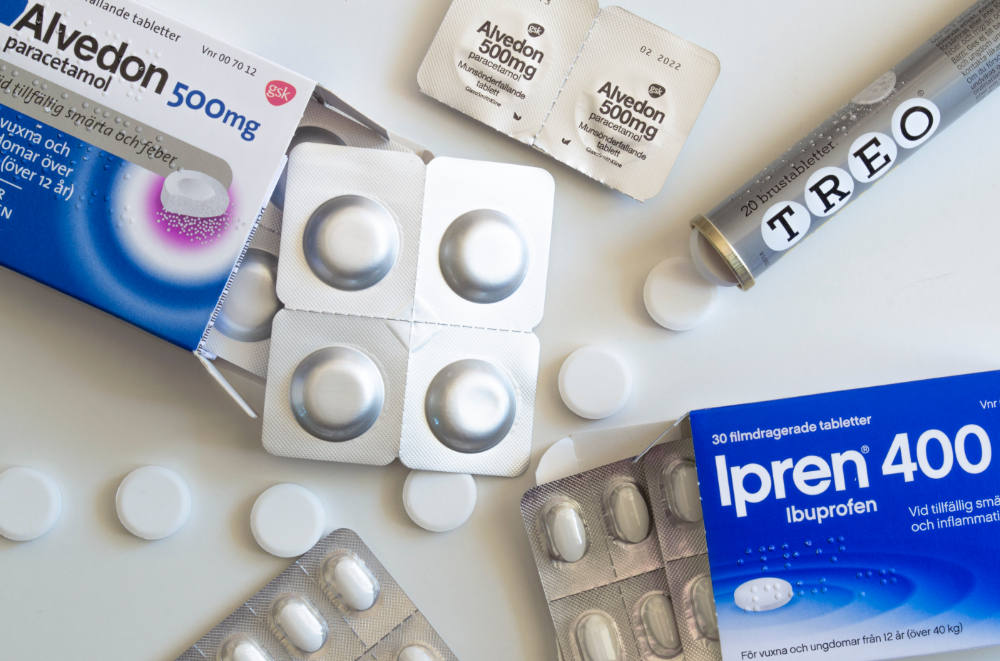
Common painkillers like naproxen (Aleve), celecoxib (Celebrex), and piroxicam (Feldene) can cause phototoxic reactions.
If you’re using NSAIDs, even limited sun exposure could trigger a severe burn-like response.
Methotrexate

Often used to treat cancer and autoimmune conditions like psoriasis or rheumatoid arthritis, methotrexate can significantly increase your risk of photosensitive reactions, especially with prolonged use.
Cardiovascular medications

Several heart and blood pressure drugs, such as amiodarone and enalapril, can cause skin to overreact to sunlight.
Some cholesterol medications like simvastatin are also on the list of photosensitizing drugs.
Diuretics
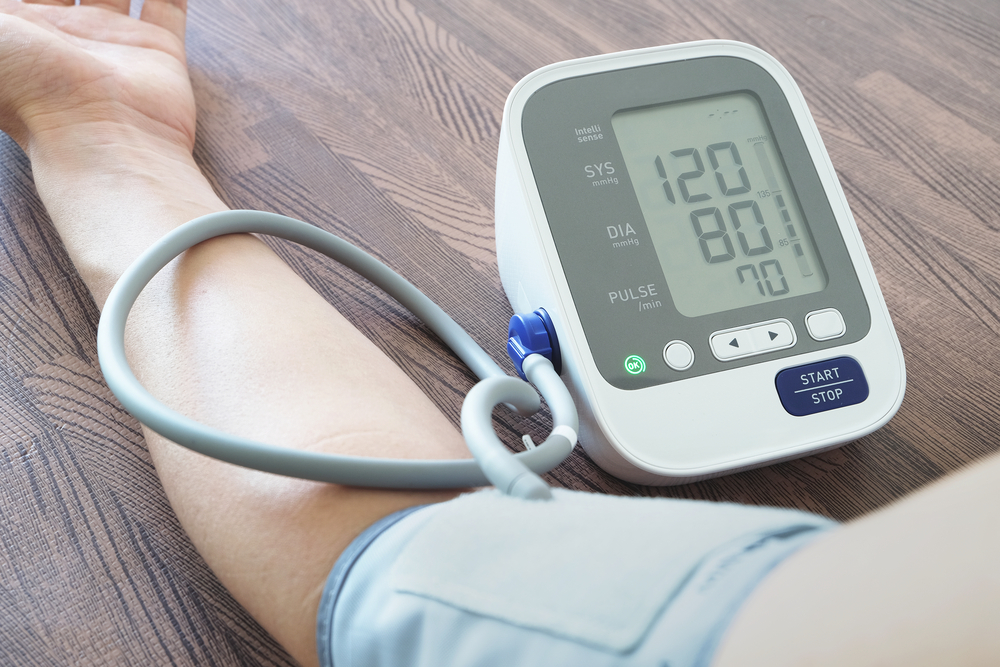
Thiazide diuretics like hydrochlorothiazide (HCTZ) and furosemide are commonly prescribed for fluid retention or high blood pressure.
These drugs make your skin more reactive to UV rays, increasing sunburn risk.
Tricyclic antidepressants

Older antidepressants such as amitriptyline and desipramine can make your skin hypersensitive to light.
This could result in rashes, redness, or severe sunburn even after limited sun exposure.
Diabetes medications

Some diabetes drugs, including glyburide and glipizide, can cause sun sensitivity. If you’re taking these medications, watch for unexpected sunburns or rashes when spending time outdoors.
Chemotherapy drugs

Chemotherapy agents like fluorouracil, vinblastine, and methotrexate can cause intense photosensitivity.
Patients undergoing chemo should take extra precautions, as even indirect sunlight may cause skin reactions.
This article is based on information from Healthline.com
This article is made and published by Ida-Marie Palm Varbæk, who may have used AI in the preparation.