
Feeling bloated, tired, or moody? Your gut could be trying to tell you something. Here are 11 subtle signals your body sends when your digestive health is out of balance.
Persistent bloating or gas

If your stomach feels heavy or swollen after eating, it’s a clear sign your gut is struggling to break down food properly.
Constant fatigue

When you wake up exhausted, even after a full night’s sleep, your gut may not be absorbing nutrients efficiently — leaving your body low on energy.
Breakouts and skin irritation

Acne, redness, or eczema can often stem from internal inflammation and an imbalance in your gut bacteria.
Also read: Breast Cancer Symptoms You Might Not Know
Trouble focusing

Over 90% of serotonin — the “feel-good” hormone — is produced in your gut. When your gut is out of sync, brain fog and poor concentration can follow.
Irregular bowel habits

Whether it’s constipation, diarrhea, or unpredictable bathroom routines, your gut might be trying to signal distress.
Sugar cravings and energy crashes

Constantly craving sweets or hitting an afternoon slump can indicate that your gut bacteria are feeding your sugar dependency.
Feeling bloated after healthy meals

Even nutritious foods like vegetables or grains can cause discomfort if your digestion isn’t functioning as it should.
Also read: A simple cold-season habit that may help you recover 2 days faster, according to researchers
Mood swings or irritability
A disrupted gut can affect neurotransmitters in your brain — leading to sudden mood changes or unexplained anxiety.
Bad breath or odd taste

A sour or metallic taste and persistent bad breath can point to imbalances in your gut and digestive system.
Frequent colds or infections

Since much of your immune system lives in the gut, poor gut health can make you more prone to getting sick.
Difficulty losing weight
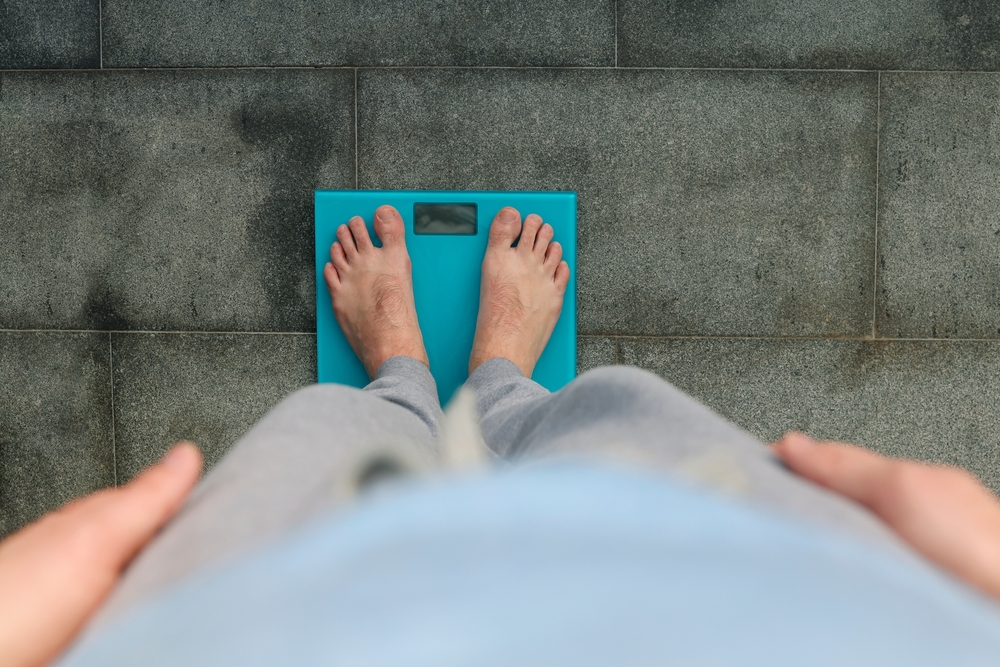
When your gut is out of balance, your metabolism and nutrient absorption slow down — making it harder to shed extra pounds even with effort.
Also read: Why your eyes may struggle with clarity — even with good vision
This article is based on information from Hindustantimes
Also read: Maintaining healthy gums could help lower your risk of heart disease