
Pumpkin is not just popular at Halloween. It also contains a range of vitamins, minerals and antioxidants that may have beneficial effects on the body.
Here are some of the health benefits of eating pumpkin, according to Healthline.
May support heart health

Pumpkin contains potassium, vitamin C and fiber, all of which may benefit heart health.
Potassium can help lower blood pressure and reduce the risk of stroke.
Also read: Dementia is now the world's fifth leading cause of death: Four factors may explain why
May protect the skin from sun damage

Pumpkin contains beta-carotene, which the body converts into vitamin A.
The compound may also help protect skin cells from harmful UV rays that can cause cancer, according to a study published in Photodermatology, Photoimmunology & Photomedicine.
Low in calories
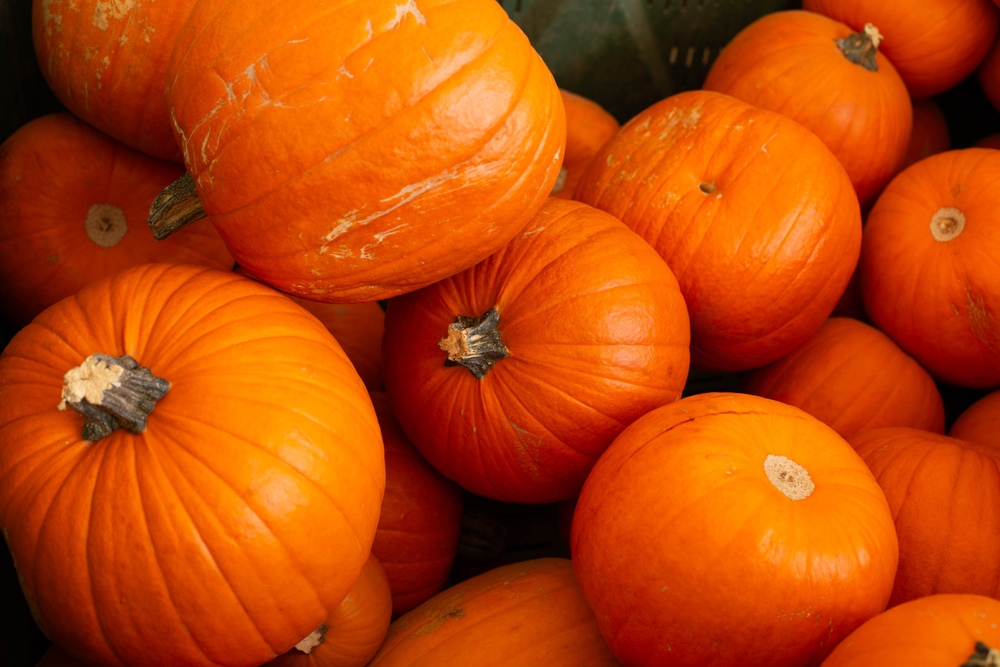
A 245-gram serving of cooked pumpkin contains only around 49 calories.
Pumpkin is also approximately 94 percent water, making it a low-calorie food.
Also read: Your blood may warn of lung cancer years before you feel any symptoms
May strengthen the immune system

Pumpkin is rich in vitamin A, which plays an important role in immune function.
The vitamin helps the body fight infections, while a vitamin A deficiency can weaken the immune system.
May reduce the risk of cataracts

An analysis of 12 population-based studies published in The American Journal of Clinical Nutrition found that vitamin A was associated with a 19 percent lower risk of age-related cataracts.
Beta-carotene was linked to a 10 percent lower risk, while lutein and zeaxanthin were associated with a 19 percent lower risk.
Also read: New antibiotic could kill harmful gut bacteria while leaving healthy ones untouched
May help with weight management
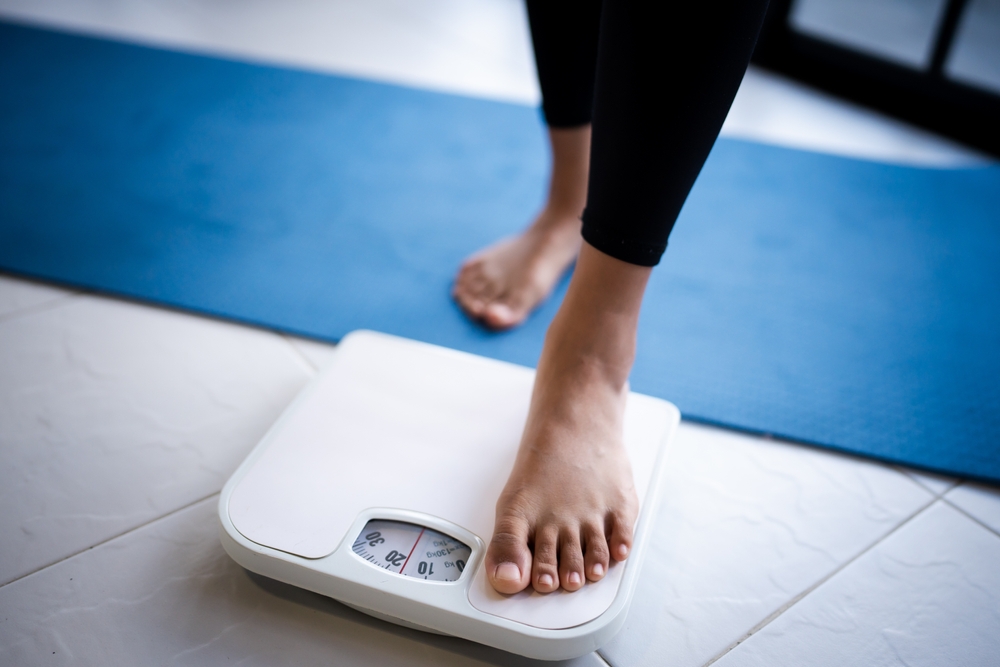
Pumpkin is relatively low in calories compared with foods such as rice and potatoes.
It also contains dietary fiber, which may help reduce appetite.
Contains antioxidants
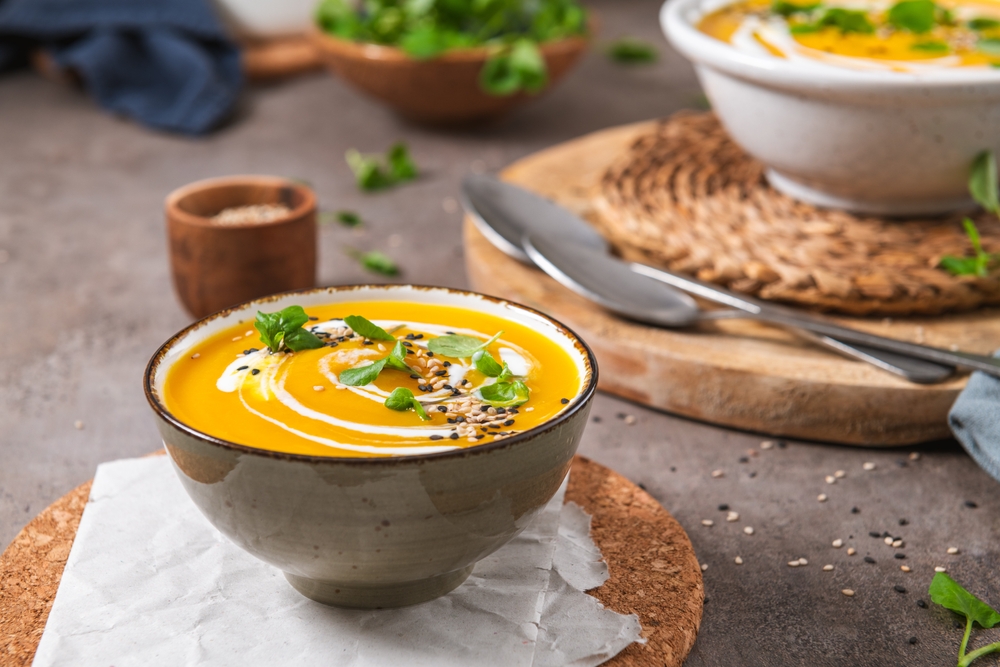
Pumpkin contains several antioxidants, including alpha-carotene, beta-carotene, lutein and zeaxanthin.
These antioxidants can neutralize free radicals, which may otherwise damage the body's cells and contribute to the development of chronic diseases.
Also read: Can sauna sessions help reduce depression? Here's what researchers found
May support eye health

The lutein and zeaxanthin found in pumpkin are associated with a lower risk of age-related macular degeneration, an eye condition that can affect vision.
Pumpkin also contains vitamins C and E, which may help protect eye cells from damage.
Supports collagen production
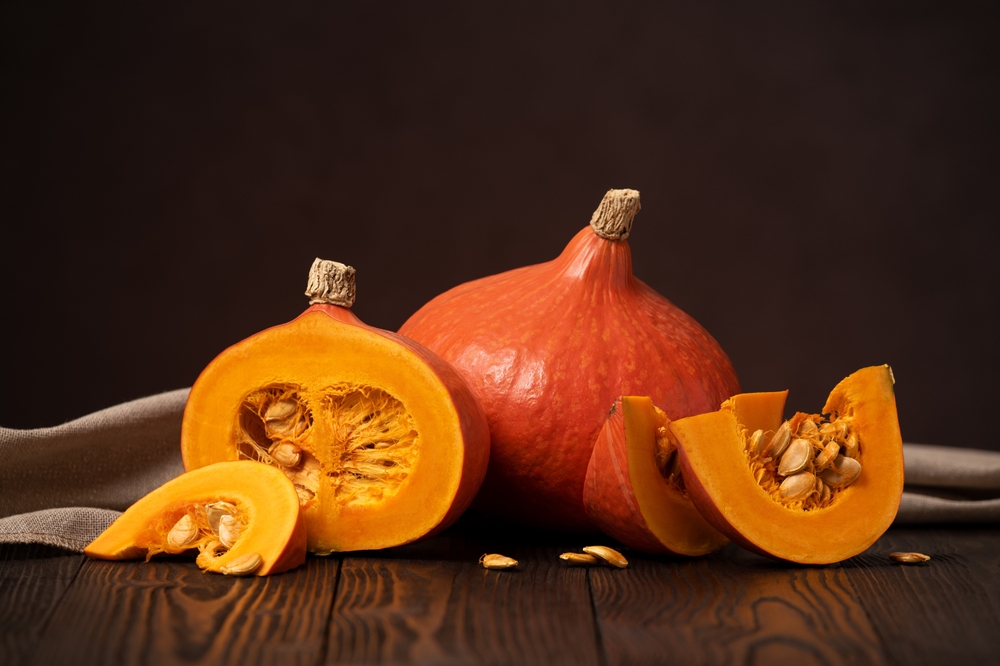
Vitamin C is essential for the body's production of collagen, a protein that helps keep the skin strong and healthy.
Pumpkin also contains vitamin E and other antioxidants that may benefit skin health.
Also read: New COVID-19 variant spreads: Here are 14 symptoms you should know
May reduce the risk of certain cancers

Research has found an association between high levels of carotenoids in the body and a lower risk of certain cancers, including breast cancer.
However, researchers do not yet know whether this association is due to carotenoids themselves or other lifestyle factors.
Rich in vitamins and minerals
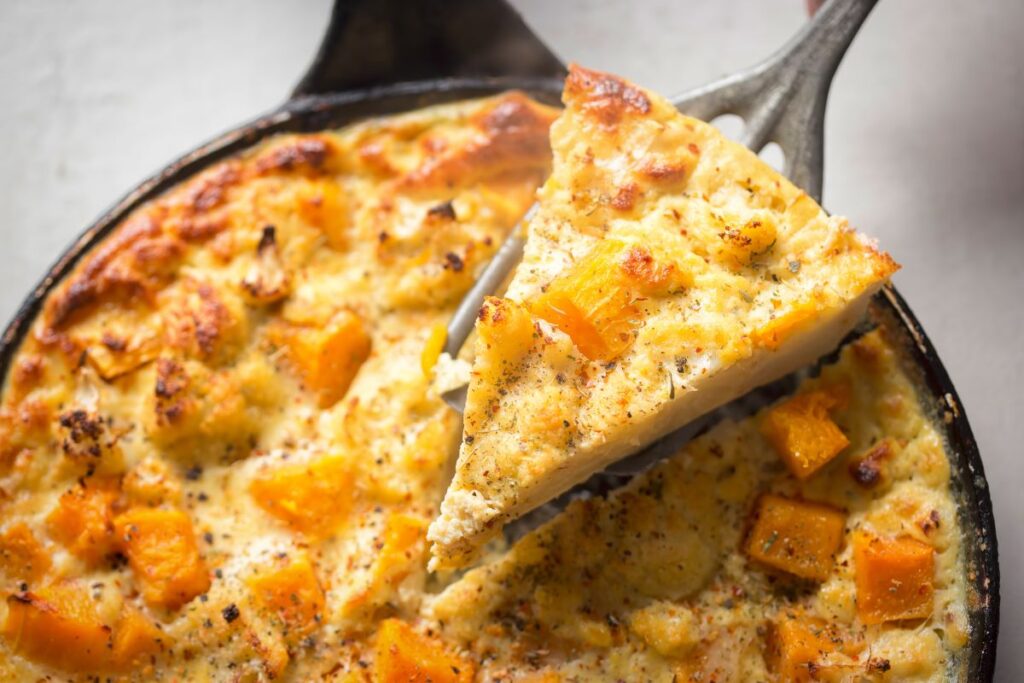
A 245-gram serving of cooked pumpkin provides approximately 78 percent of the recommended daily intake of vitamin A, 25 percent of copper and 13 percent of vitamin C.
Pumpkin also contains iron, potassium, manganese and several B vitamins.
May protect blood vessels
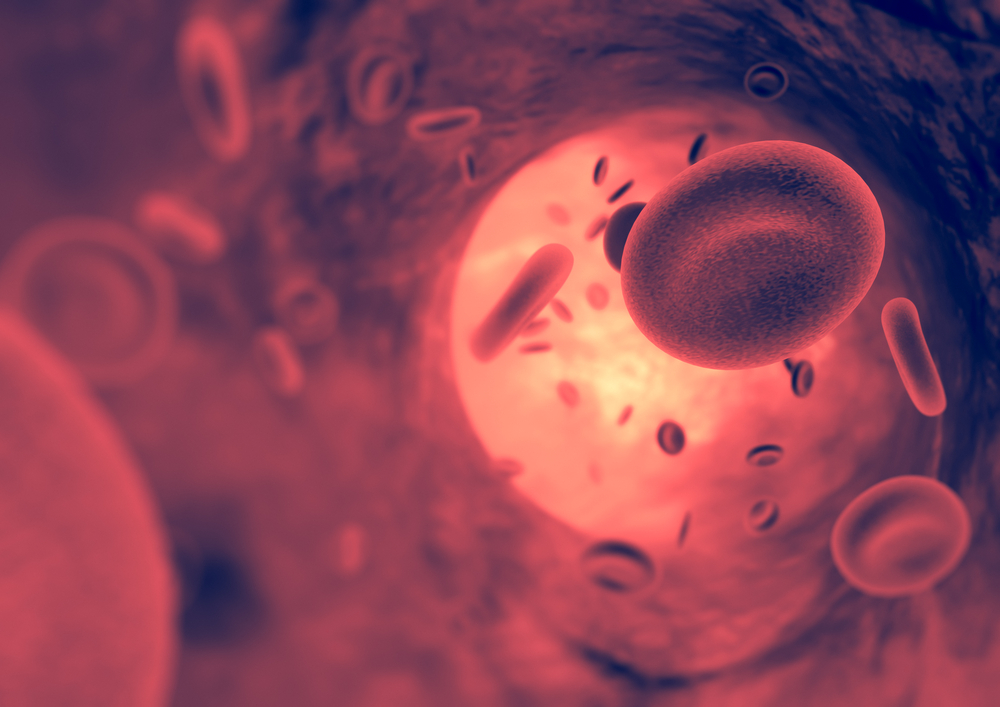
The antioxidants in pumpkin may help prevent the oxidation of LDL cholesterol.
When LDL cholesterol becomes oxidized, the particles can accumulate along the walls of blood vessels, increasing the risk of heart disease.
Pumpkin seeds also contain nutrients
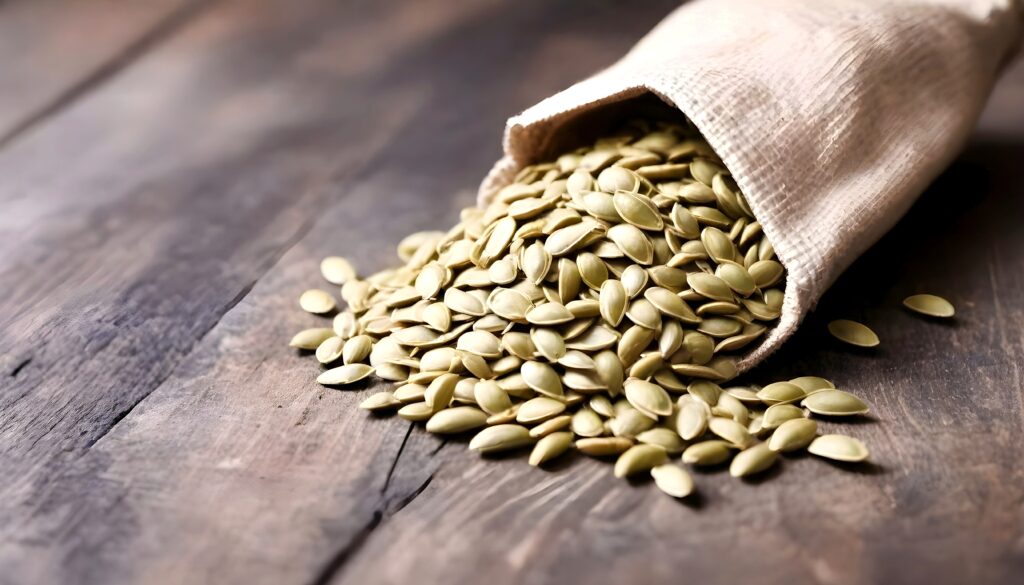
The flesh is not the only edible part of a pumpkin.
Pumpkin seeds also contain nutrients, and research published in Chinese Medicine suggests that pumpkin seed oil may have beneficial effects on bladder and heart health.
Can be used in a variety of dishes
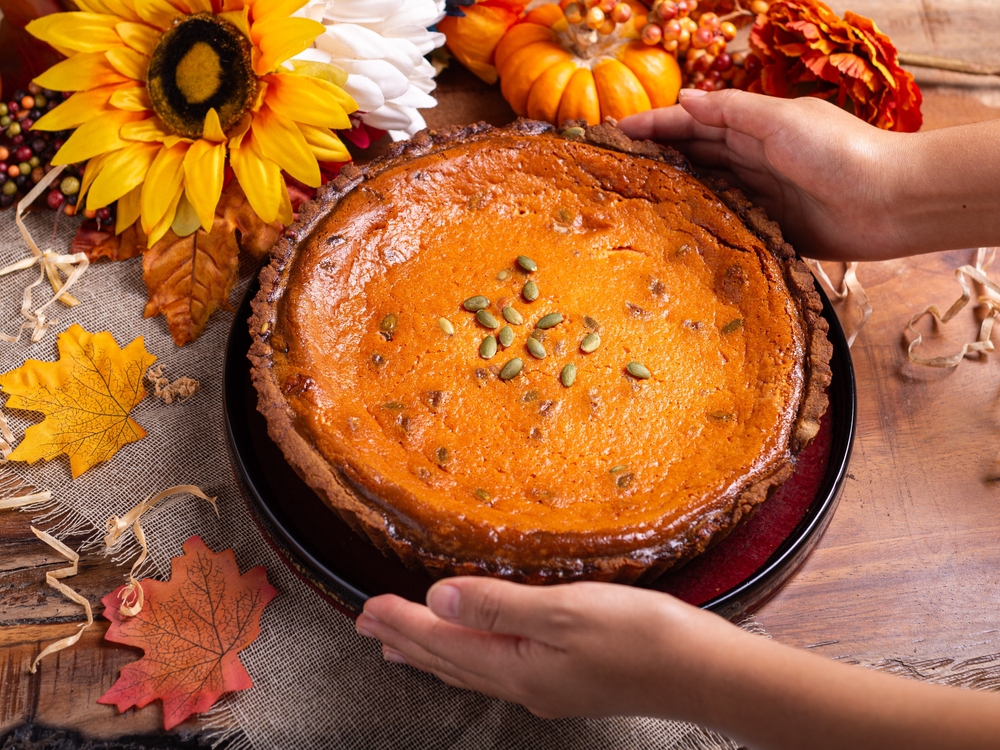
Pumpkin works well in both sweet and savory dishes. It can be added to soups, pasta dishes, pancakes and pies, or roasted in the oven with salt and pepper.
It is also available pre-cut or canned, although it is advisable to check for added sugar.
This article is made and published by Ida-Marie Palm Varbæk, who may have used AI in the preparation.